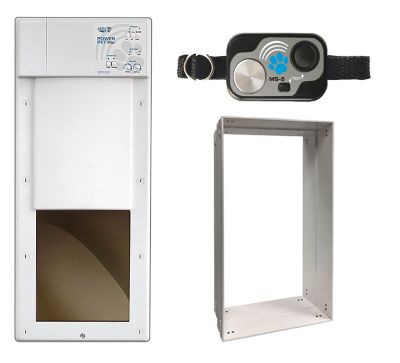
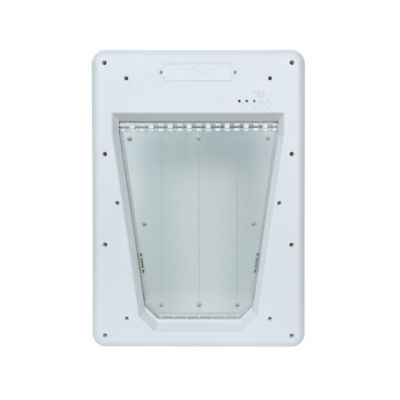
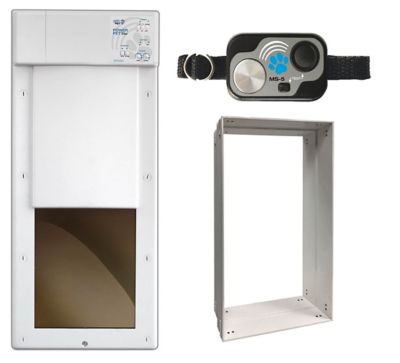
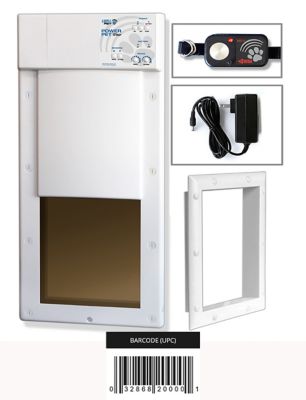
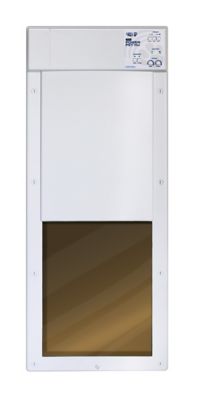
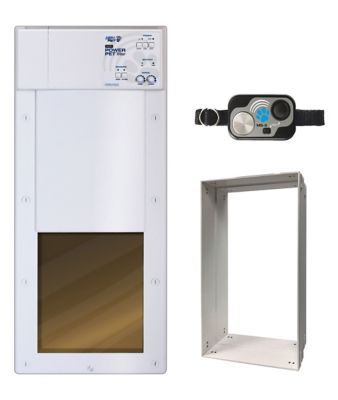
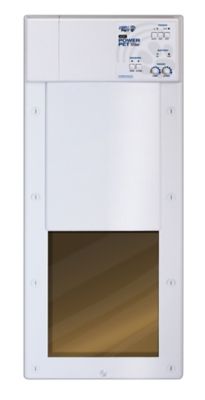
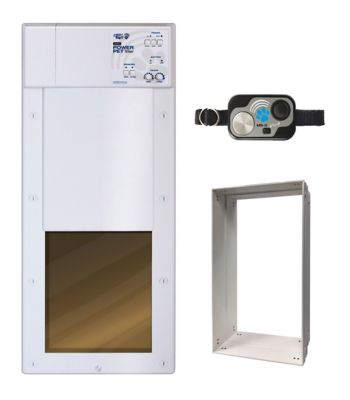
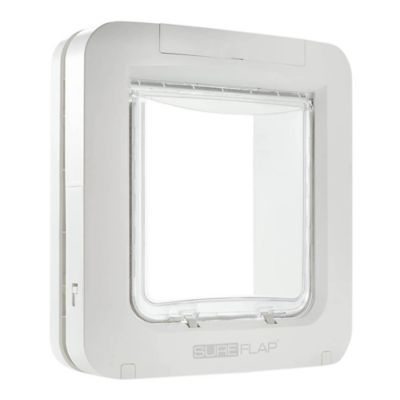
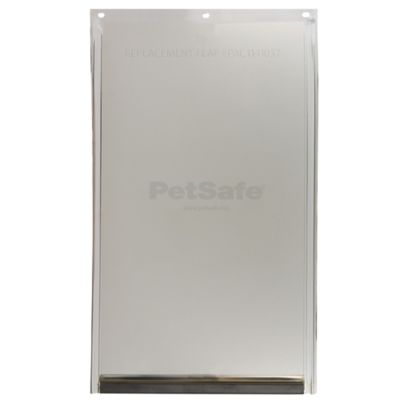
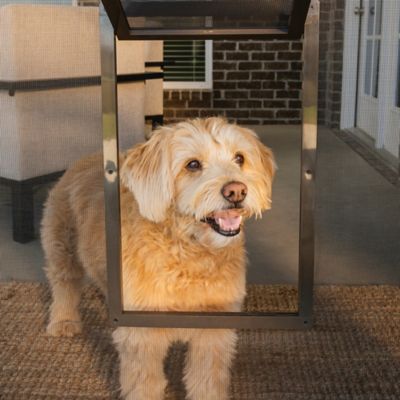
Automatic pet doors give dogs and cats access to a designated space through an opening controlled by an electronic sensor, a programmed setting or both. Unlike a basic flap that any animal can push open, an electronic pet door can recognize a compatible collar tag or, on some models, a registered identification microchip. The opening mechanism matters: Some doors unlock a flap that the pet pushes through, while motorized pet doors move a panel out of the way so the animal can pass without nudging it open. Depending on the design, detection may involve radio-frequency identification, an ultrasonic collar transmitter or another compatible signal. An implanted identification microchip only works with a door designed to read that chip type; it does not automatically communicate with every electronic door. These differences make automatic dog doors and automatic cat doors useful for households with different access needs. A dog heading into a fenced yard after breakfast, a cat entering a separate feeding room and several pets sharing one doorway may each call for different controls. Selective entry can help limit access by unregistered animals, although entry-only recognition does not necessarily control which pets can leave. Some designs provide separate entry and exit permissions, lock modes or scheduled access, while others offer simpler settings. In a multi-pet household, the number of supported tags or registered chips deserves attention, especially when one animal needs to stay inside. Detection distance also affects everyday operation. A sensor that responds from across a small room may open more often than intended, while a shorter detection zone may require a pet to approach closely. For families juggling chores, feeding rounds and a dog waiting by the back door, the right arrangement can cut down on repeated trips to the handle. That convenience still belongs alongside secure fencing, appropriate supervision and an outdoor space suited to the animal, rather than taking their place.
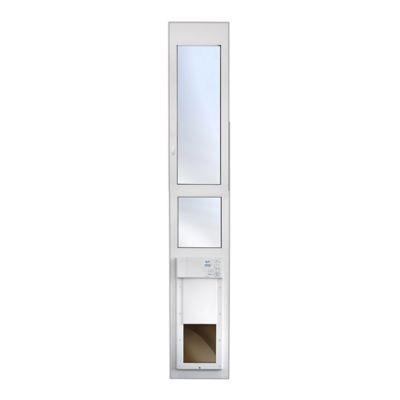
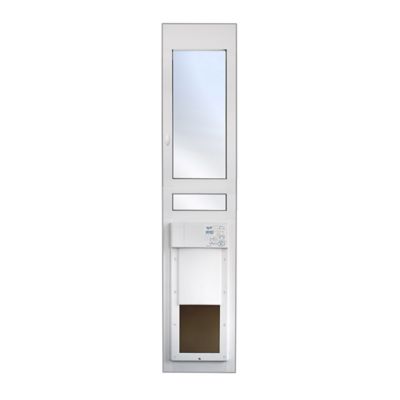
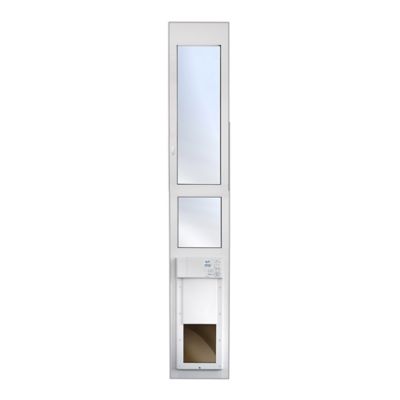
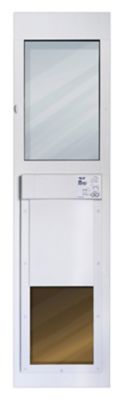
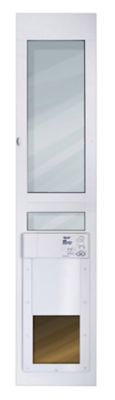
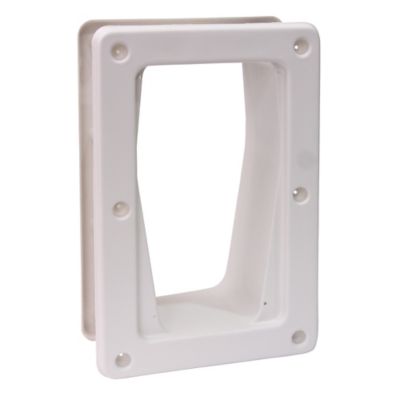
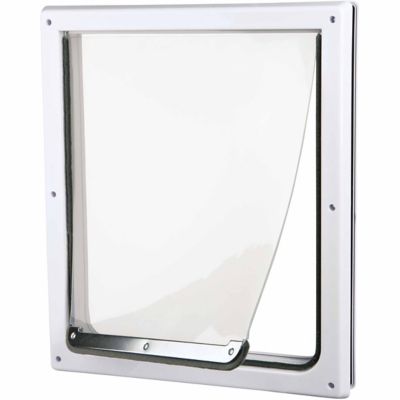
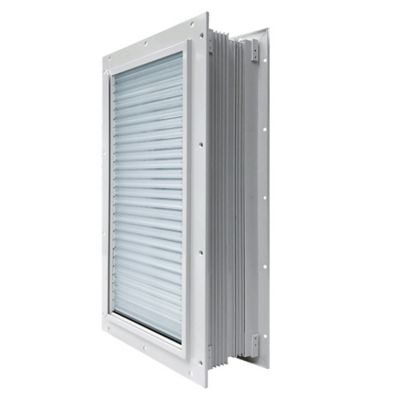
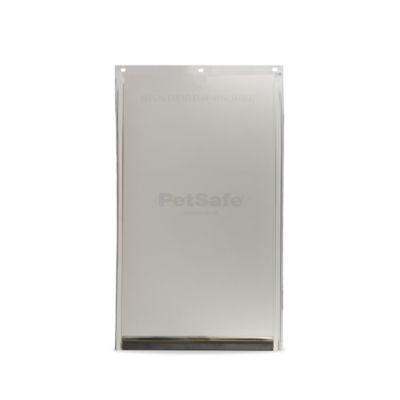
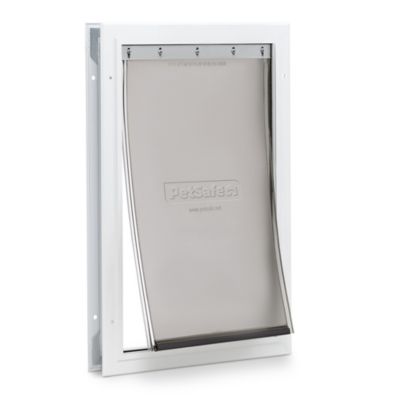
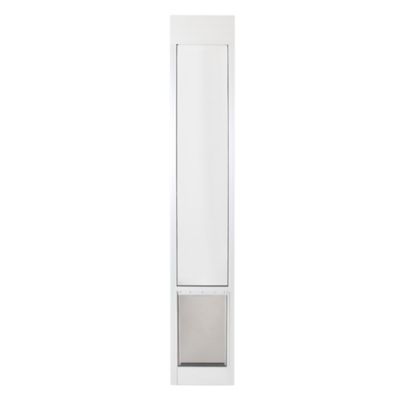
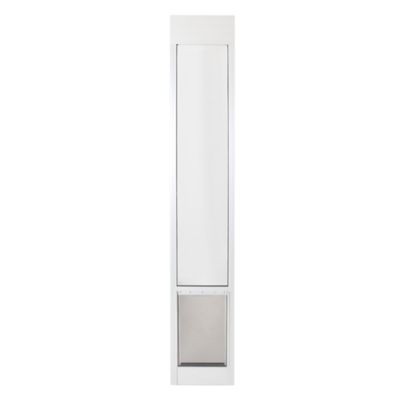
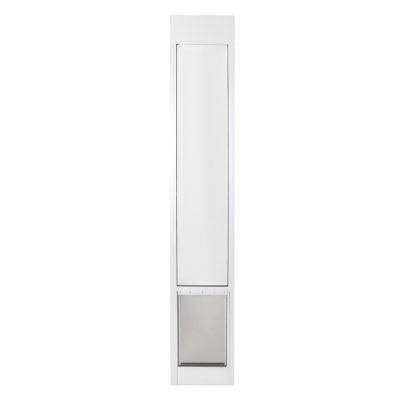
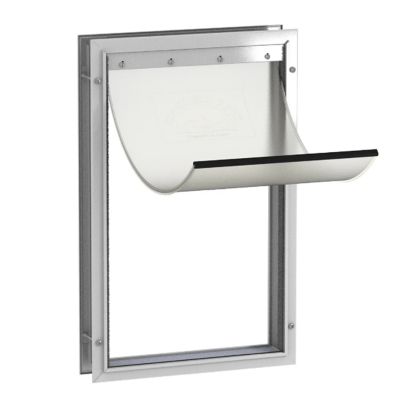
Fit involves both the pet and the place where the door will sit. The clear passage opening needs to accommodate the animal’s height and broadest body area comfortably, with enough room to move through without squeezing or crouching sharply. A stated weight range provides a starting point, but a broad-chested dog and a narrow-built dog of the same weight can need different openings. The height of the lower edge matters, too: A high step-over can be awkward for a short-legged dog, a senior pet or an animal with limited mobility. Motorized designs may need extra space above or beside the passage for the panel housing, so the outside frame dimensions are just as important as the opening itself. Door-mounted, wall-mounted and sliding patio configurations address different layouts, and their installation requirements are not interchangeable. A wall installation may need a tunnel matched to the wall’s thickness, along with clearance from wiring, plumbing and structural components. A door installation depends on the door material, thickness and permitted cutout size. Households with a patio entrance can also explore
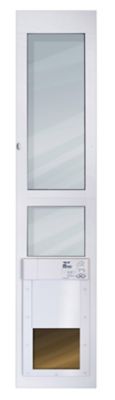
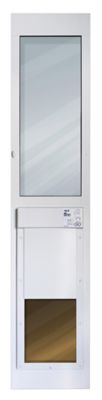
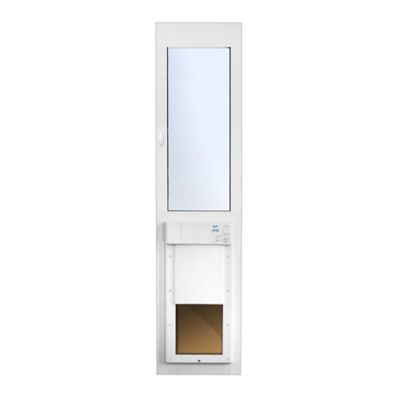
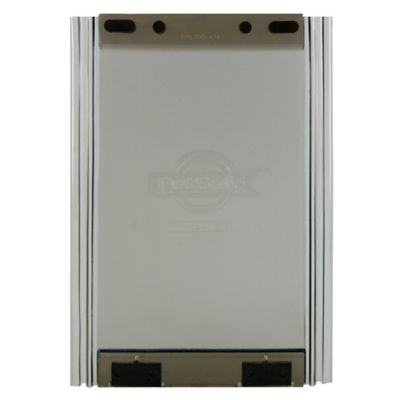
Pet Doors For Glass Sliding Doors, where panel height, track fit, opening direction and the remaining walkway width all affect the finished setup. Existing glass should not be treated like a wood door that can simply be cut; glass work calls for an appropriate installation method and professional assessment. Across mounting styles, frame and panel construction influence how the assembly handles regular traffic. Aluminum frames, molded polymer components and rigid plastic panels appear in different designs, each with its own care and mounting needs. Smooth edges, firmly supported frames, well-aligned tracks and properly fitted fasteners help keep the passage steady. A snug installation also helps prevent rattling and gaps around the frame. Because a pet door changes an entry point into the home, its locking arrangement and effect on the main door’s latch or patio lock deserve as much attention as the pet opening.
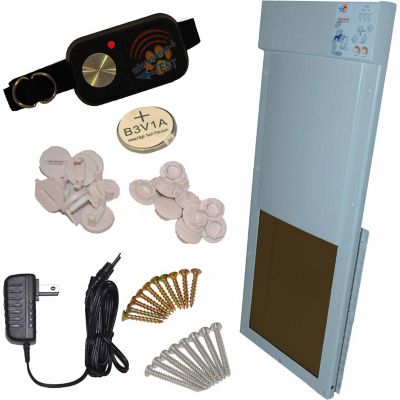
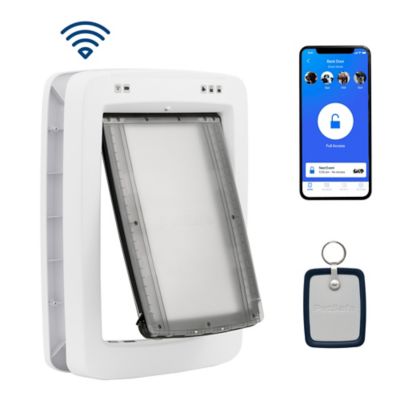
Power, controls and routine care round out how an automatic pet door fits into daily life. Some designs run on household electricity, some run on batteries, and others support an optional backup arrangement. An outlet-powered installation needs a suitable power source and a cord route away from chewing, foot traffic and the moving panel. Battery-powered components bring their own upkeep, which may include batteries in both the door and the collar transmitter. Low-battery indicators and the door’s behavior during a power interruption are worth comparing; a powered panel should not be assumed to stay open, stay locked or switch to manual operation without checking its specifications. Connected models may offer app controls, activity records, notifications or scheduled access, but those features depend on the particular design and may require a compatible home network. Basic entry functions and remote features can also behave differently if the connection drops. For everyday comfort, panel movement, operating sound and the time allowed for passage matter alongside electronic controls. A hesitant cat may need time to get comfortable with a moving panel, while a large dog needs room to clear the opening without rushing. Obstruction detection or a reversing feature, when included, adds a safeguard but does not replace supervision during the adjustment period. Tracks and sensor areas need attention as hair, grit and muddy paw prints build up around a busy doorway. Cleaning methods should follow the manufacturer’s directions, with electronics kept away from soaking water and moving parts free of trapped debris. Collar tags need a secure, properly fitted attachment, and cat collars should follow appropriate breakaway-safety guidance. Regular checks of the latch, panel travel, mounting hardware and recognition function help catch small problems before they interrupt a pet’s routine. With the opening, access controls and installation matched to the household, an automatic pet door can make that familiar trip between the kitchen and the fenced yard a little less hands-on.