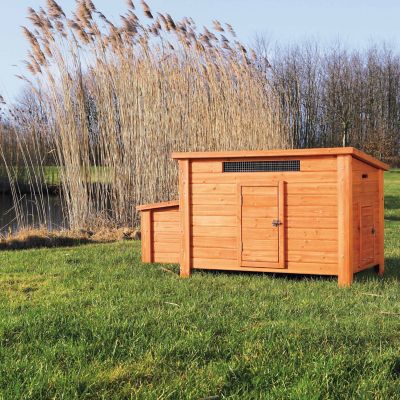
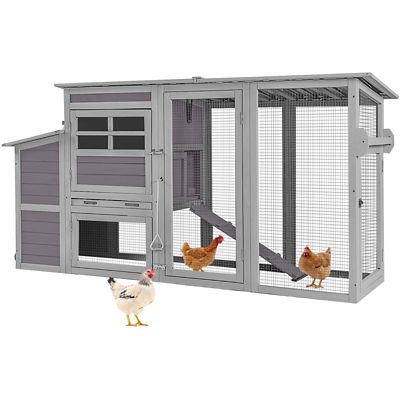
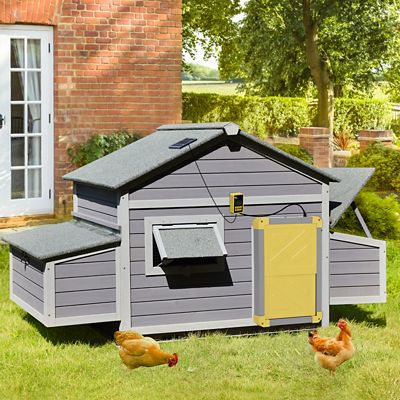
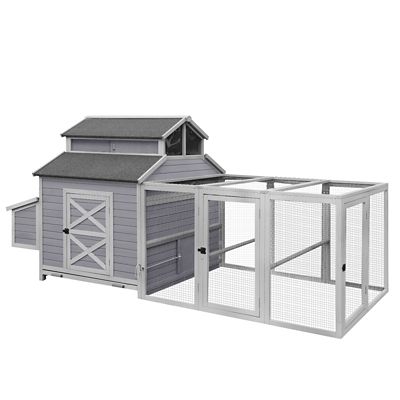
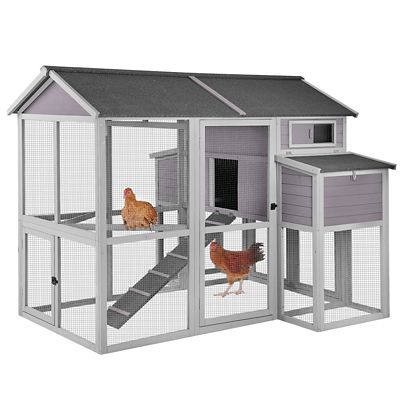
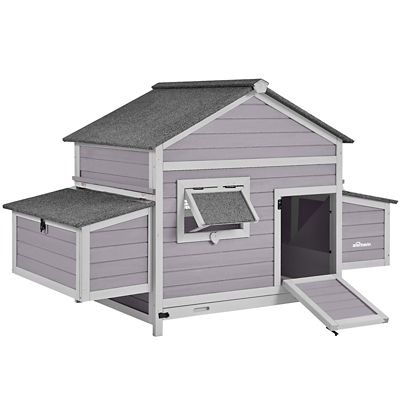
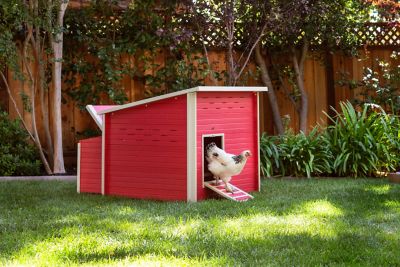
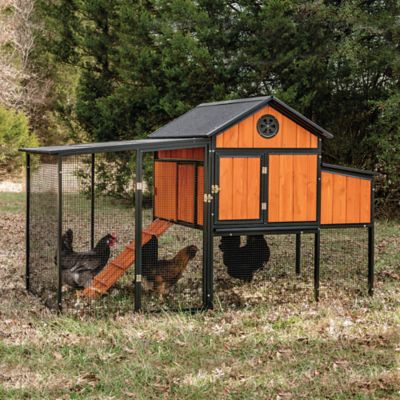
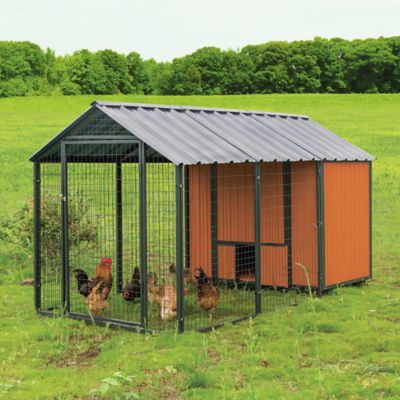
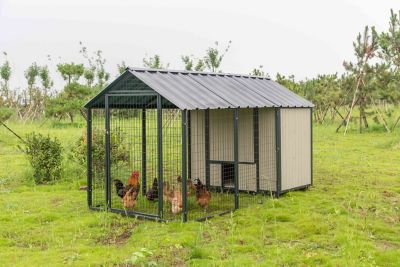
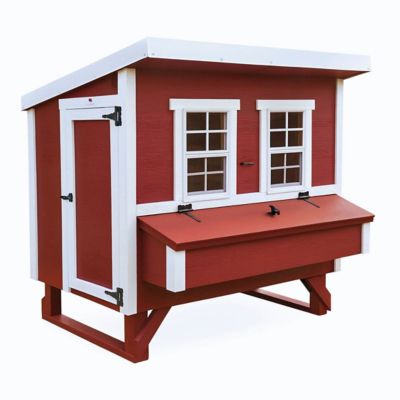
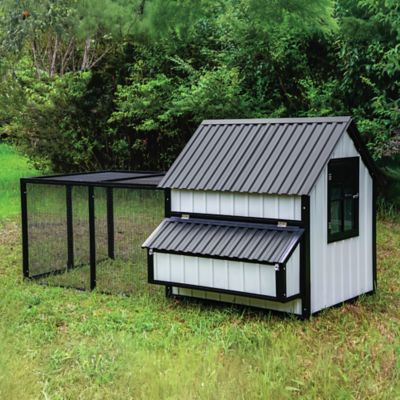
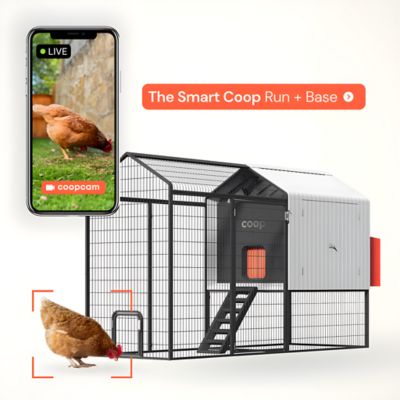
Weatherproof chicken coops give backyard flocks a dry, secure place to roost when rain, wind, sleet and snow roll through. A well-built coop should do more than keep water off the roof. It should help block driving rain, shed snow, limit cold drafts and give hens a clean, comfortable space away from damp ground. Look for a sloped roof made with weather-resistant materials, sealed joints and an overhang that keeps runoff away from doors and nesting areas. A raised floor is another useful feature, especially in low spots where puddles collect after a storm. Elevating the coop helps prevent moisture from soaking into bedding and can reduce ground rot over time. The best setup still needs good placement, too. Set the coop on solid, level ground with the entrance turned away from prevailing winds, and use gravel, pavers or another well-drained base where mud tends to build up. During the cooler months, a dry floor makes a noticeable difference. Anyone who has opened a coop after a night of steady rain knows how quickly wet bedding can turn heavy, sour-smelling and difficult to manage. A raised, weatherproof shelter helps keep that chore more manageable while giving hens a warmer, cleaner place to settle at dusk.
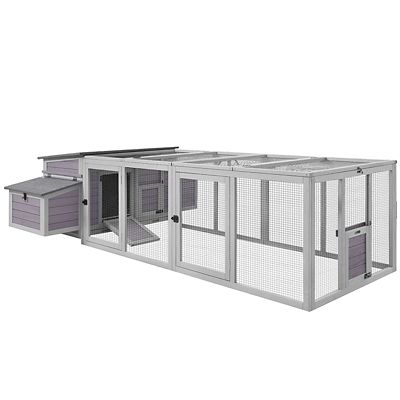
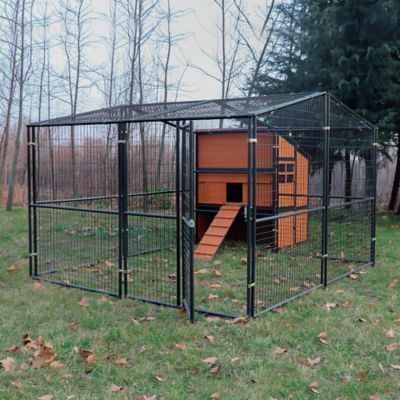
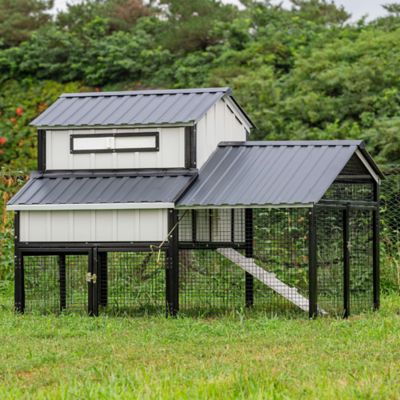
Ventilation matters just as much as protection from the elements. Chickens create moisture as they breathe, roost and move around, and that humidity can collect on walls and ceilings when the coop is closed up tight. Look for high vents or screened openings that allow stale, damp air to escape without placing the roost directly in a cold draft. Hardware cloth is a smart choice for ventilation openings and run panels because its sturdy woven construction offers better predator protection than ordinary chicken wire. Cover openings securely, check the edges for gaps and use dependable latches that raccoons and other nighttime visitors cannot easily manipulate. A weatherproof chicken coop should also make routine care simple. Pull-out trays, wide access doors and easy-to-reach nesting boxes help with removing soiled bedding, checking the flock and gathering eggs without disturbing the whole coop. Choose a size that gives every hen enough room to stand, turn around, perch and move comfortably, while leaving space for feeders and waterers. Crowding can lead to stress and faster buildup of moisture and waste. If the flock may grow, planning for a little extra room can save the trouble of replacing the shelter later. Keep in mind that the coop is only one part of the housing plan. An attached run or separate fenced area gives chickens room to scratch and stretch while keeping them close to shelter when the weather changes. Place feed and water where rain cannot soak them, and keep bedding dry by replacing damp spots before they spread.
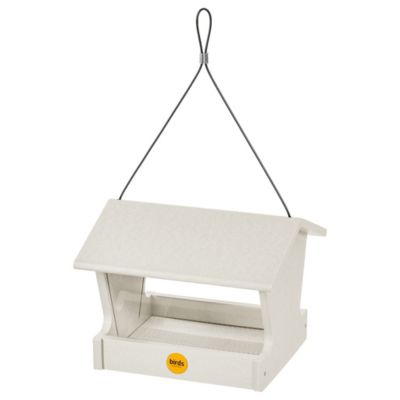
Weatherproof chicken coops are useful for new backyard keepers, experienced poultry owners, homesteaders and families raising a small flock for fresh eggs. They can also make a practical gift for someone setting up a garden, expanding a homestead or welcoming chickens for the first time, provided the recipient has enough outdoor space and understands the daily care involved. Before choosing a coop, measure the area where it will sit and account for doors, cleaning access and room around the structure. Check local rules if the coop will be placed in a neighborhood, and think about how the shelter will handle the conditions common to the area. Heavy rain calls for strong drainage and a roof that sheds water quickly. Windy locations benefit from a sturdy frame and secure anchoring. Areas that receive snow need a roof with enough slope and strength to avoid holding a heavy, wet load. During cold stretches, resist the urge to seal every opening or add excessive heat. Chickens handle cool weather better when they have dry bedding, protection from direct drafts and enough room to roost together. Inspect the roof, seams, hinges, latches and floor regularly, especially after rough weather, and clear leaves or snow that could block vents or add weight. A nearby supply station can keep the whole backyard setup organized; those caring for wild birds as well as chickens may also appreciate
Weatherproof Bird Feeders designed to help keep seed sheltered. With thoughtful placement, secure construction and steady upkeep, a weatherproof coop can provide dependable shelter through wet fall days, blustery nights and the colder conditions that follow, helping the flock stay dry, safe and comfortable.