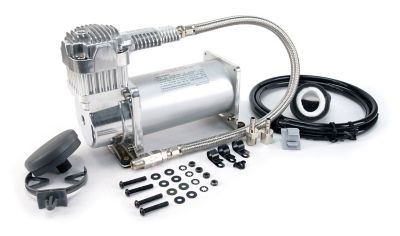
An A/C compressor is the working heart of a vehicle’s air conditioning system. Driven by the engine through a belt, it draws in low-pressure refrigerant gas, squeezes it into a hot, high-pressure gas, and sends it through the rest of the system so heat can be pulled out of the cabin. The compressor clutch helps control that cycle by engaging when cooling is needed and disengaging when the set temperature is reached. When the system is working properly, cool air comes through the vents, the clutch engages and releases as expected, and the belt drive runs without unusual noise. When the compressor is worn, damaged, or no longer able to circulate refrigerant, the air may stay warm even with the controls turned all the way down. Grinding, squealing, rattling, or chattering sounds from the belt area can also point to trouble, while oily residue or a refrigerant leak near the compressor may signal a failed seal or damaged connection. These symptoms can show up during a hot stretch when the A/C is working hard, but they may also become easier to notice during the cooler months when a vehicle’s air conditioning system has been sitting unused. A replacement A/C compressor may be needed after internal wear, clutch failure, contamination, collision damage, or a leak that has allowed the system to run low. Because compressor designs vary widely, choosing a part based only on appearance is risky. The correct match depends on the vehicle’s year, make, model, engine size, refrigerant type, mounting points, pulley and clutch arrangement, hose connections, and electrical plug. Checking the vehicle identification number and comparing the original compressor’s specifications with the replacement listing can help narrow down the right fit. Drivers working on vehicles from the same manufacturer can also browse
Honda Air Compressors for additional application-specific options.
Before buying an A/C compressor, take a close look at the condition of the complete air conditioning system rather than treating the compressor as an isolated part. A locked compressor can send metal particles through the lines, condenser, expansion device, and evaporator, and simply installing another compressor without addressing that debris may lead to another failure. A system that lost its charge because of a leak may need line repairs, new seals, or other replacement components before it can hold refrigerant again. It is also important to confirm whether the compressor comes with the clutch, pulley, electrical connector, mounting hardware, or the correct amount and type of refrigerant oil, since included components can vary. Some applications require the oil to be drained and measured before installation, while others call for a specific oil type and quantity. Following the vehicle manufacturer’s service information helps prevent overfilling, under-lubrication, or mixing incompatible refrigerants and oils. An A/C compressor replacement is more involved than changing a cabin air filter or swapping a belt. The refrigerant must be recovered with proper equipment, the system should be inspected for leaks, and the lines may need to be flushed before the new compressor is installed. Afterward, the system needs to be evacuated with a vacuum pump and recharged to the specified amount. Refrigerant under pressure can cause serious injury, and releasing it into the air is unsafe and unlawful in many areas, so recovery and recharge work should be handled by a qualified automotive technician. A handy vehicle owner may be comfortable checking the belt, listening for clutch engagement, inspecting visible hose connections, or gathering fitment details, while the sealed-system service is best left to a professional. Keeping the compressor and belt area clean, replacing a cracked or glazed belt, and running the A/C periodically—even during cooler weather—can help circulate lubricant through the system and make problems easier to catch before the next long drive.
A dependable A/C compressor can make a big difference for people who spend their days on the road, haul supplies between town and the farm, or rely on a truck, car, van, or utility vehicle for work. Comfortable cabin temperatures help reduce fatigue when traffic is slow and the sun is beating through the windshield, and a functioning air conditioner also helps clear moisture from the glass when damp conditions make visibility poor. That makes compressor replacement a practical maintenance project for commuters, contractors, rural families, and anyone preparing an older vehicle for another season of dependable service. It can also be a thoughtful, useful gift for a family member who keeps a work vehicle running for years, although fitment information matters far more than appearance or packaging. Before ordering for someone else, confirm the exact vehicle details and ask a trusted repair shop to verify the diagnosis. Warm air alone does not always mean the compressor has failed; low refrigerant, a blown fuse, a faulty pressure switch, a damaged belt, a blocked condenser, or an electrical problem can create similar symptoms. A technician may test system pressures, inspect the clutch, check for power at the connector, and look for signs of contamination or leakage before recommending replacement. Once the repair is complete, the system should produce steadily cooler air, cycle normally, and run without harsh mechanical sounds. Taking care with the match and the installation can save the frustration of removing a newly installed part, paying for another refrigerant recharge, or discovering that a separate leak was left untreated. With the right A/C compressor and proper service, a well-used vehicle can stay more comfortable through warm driving conditions and remain ready for early morning commutes, dusty back roads, supply runs, and the changing weather that comes with the seasons.