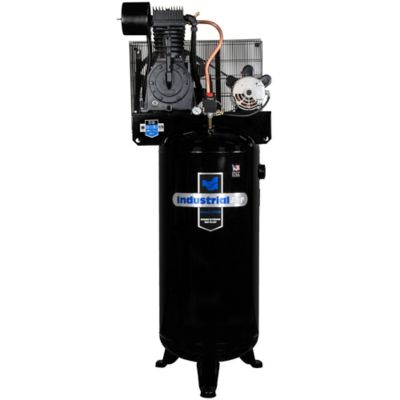
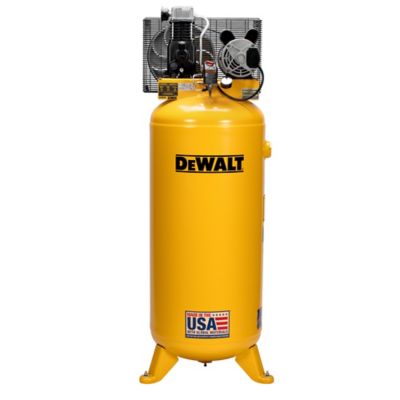
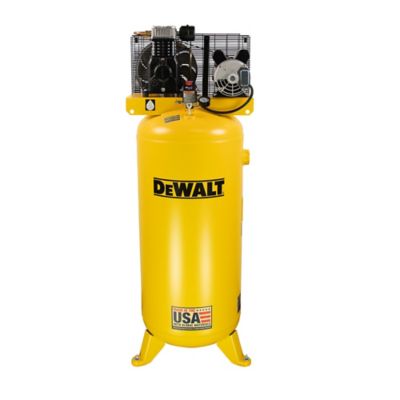
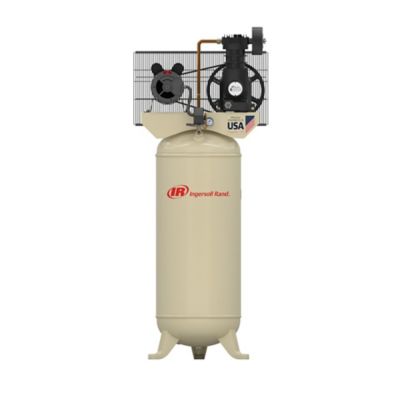
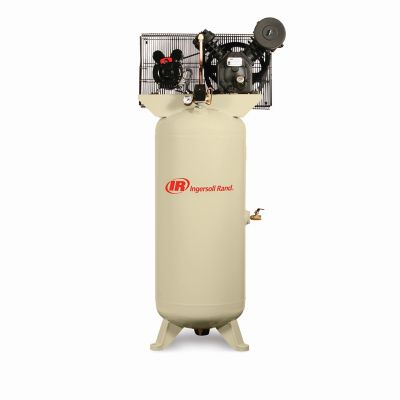
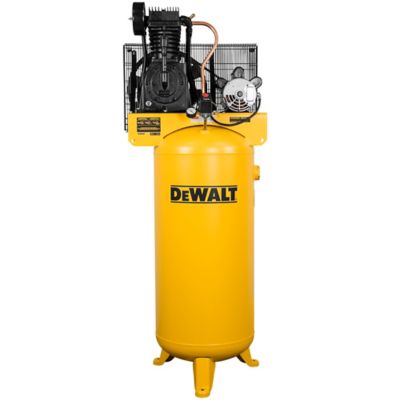
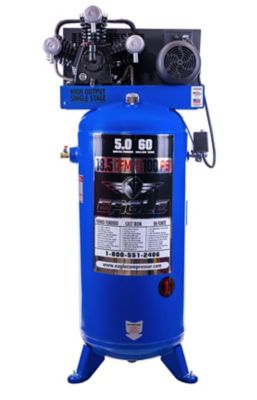
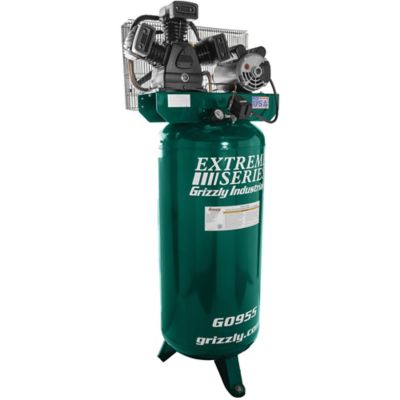
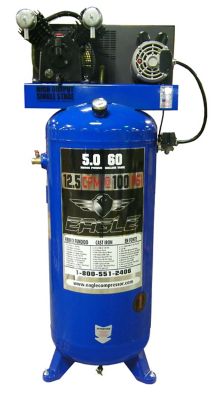
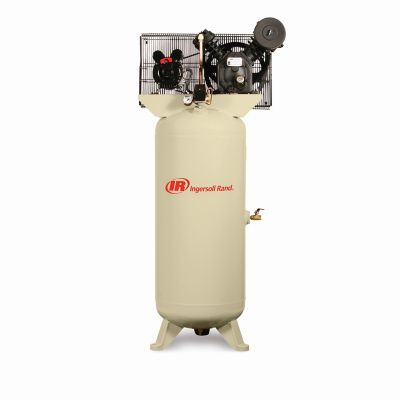
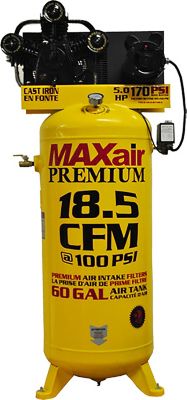
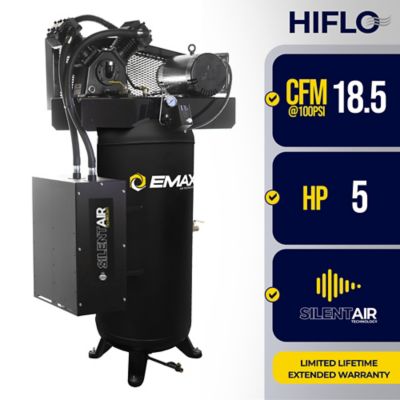
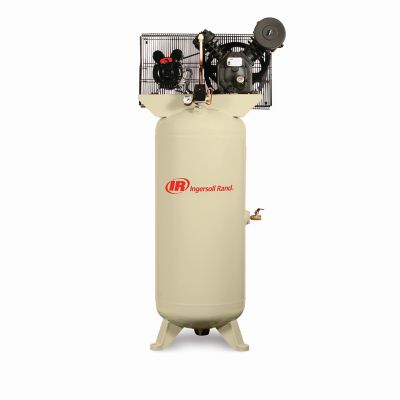
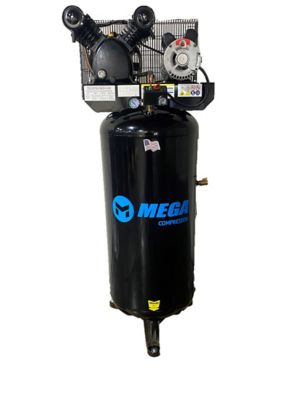
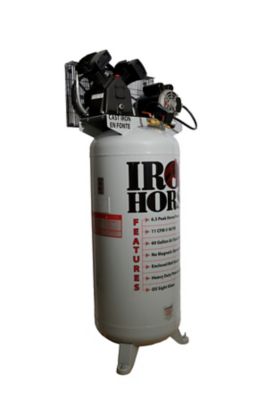
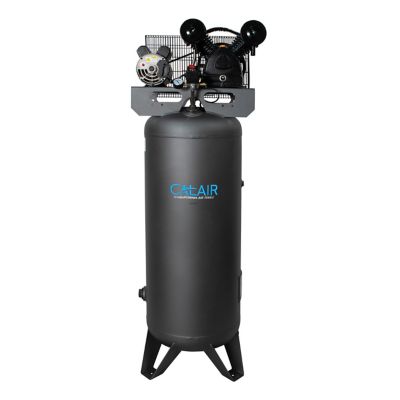
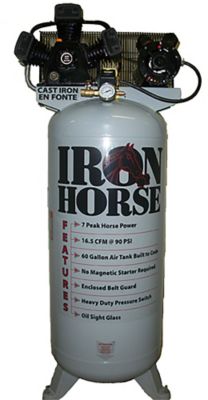
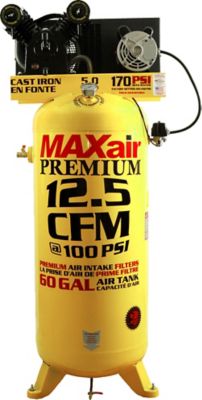
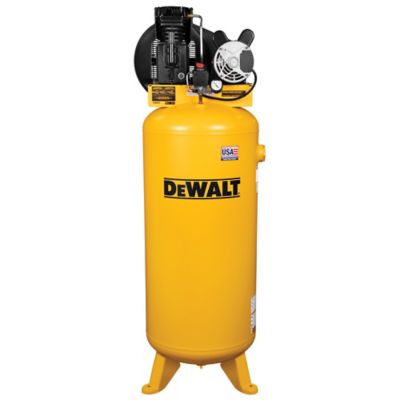
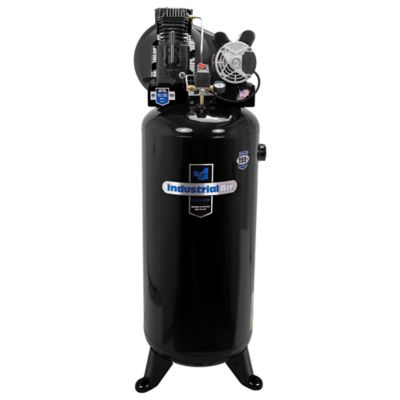
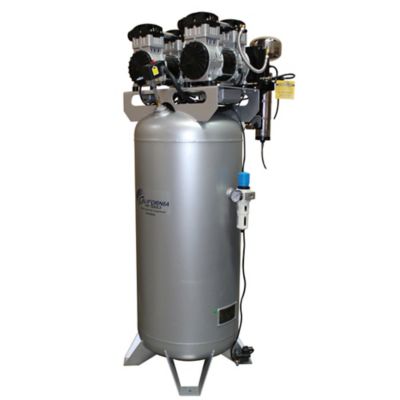
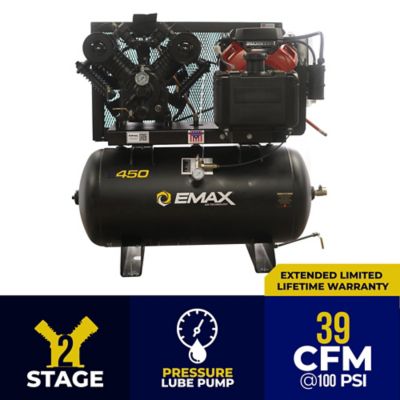
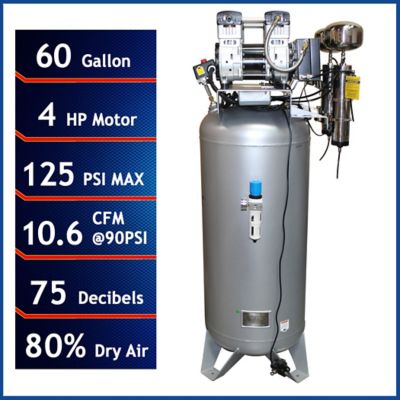
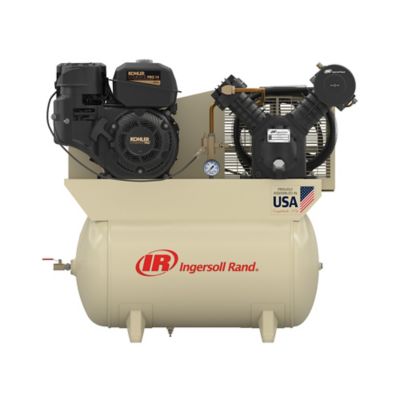
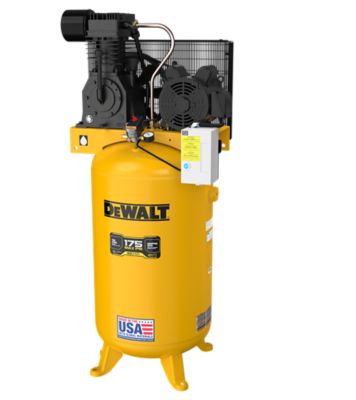
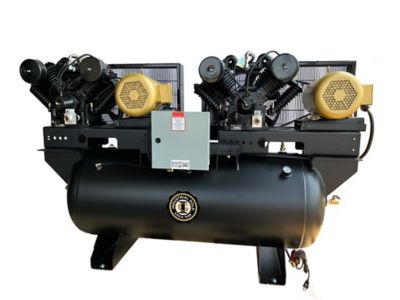
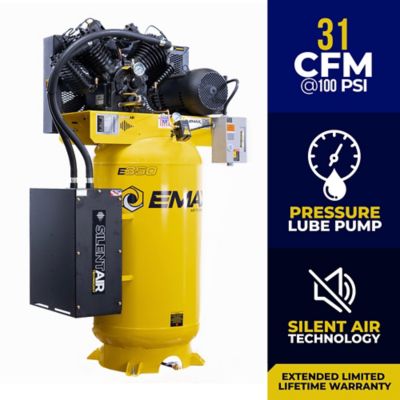
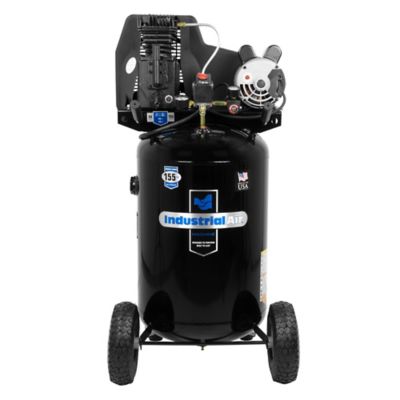
A 60-gallon air compressor brings a substantial air reserve to a farm shop, garage or repair bay where pneumatic tools handle everything from mower maintenance to equipment repairs. The 60-gallon rating describes the receiver tank’s capacity, not how much air the pump delivers each minute. Many compressors in this size class have motors rated around 3 to 5 running horsepower and deliver roughly 11 to 14 standard cubic feet per minute, or SCFM, at 90 pounds per square inch, or PSI, although specifications vary by model. Maximum tank pressures often fall between 135 and 175 PSI, with some designs rated higher. Those numbers tell different parts of the story: tank capacity provides stored air, SCFM describes airflow, and PSI describes pressure. For everyday shop work, airflow at the tool’s required operating pressure is usually more helpful than horsepower alone. An impact wrench breaking loose tractor wheel hardware draws air differently than a spray gun laying down a finish across a trailer panel. Short bursts let the tank supply air between pump cycles, while sanding, grinding and spraying can demand a steady supply for longer stretches. A larger tank can lengthen the time before the pump starts again, but it cannot make up for a pump that delivers less air than the tool consumes. Matching the compressor’s output with the tool manufacturer’s air requirements helps keep work moving without frequent pauses for recovery. Tool ratings also deserve a close look, since an average airflow figure may assume intermittent operation rather than holding the trigger down continuously. Running two tools together calls for enough output to cover their combined demand, plus room for normal losses through hoses and fittings. For a landowner maintaining equipment, a mechanic tackling regular repairs or a woodworker operating air-powered tools, a 60-gallon setup can serve as a central shop air source when its output and duty cycle fit the workload. Larger blasting equipment and continuous production work may call for considerably more air than this tank size alone suggests.
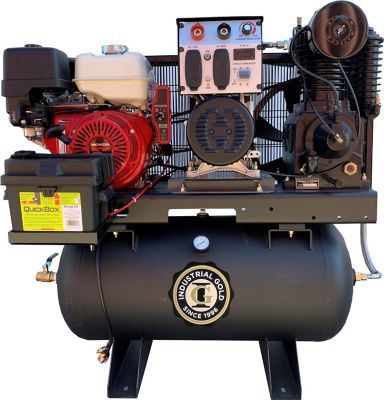
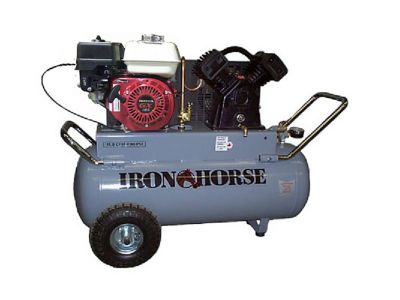
Construction and layout matter just as much as the numbers on the label. Steel receiver tanks are common, and many shop-oriented compressors pair them with oil-lubricated pumps featuring cast-iron cylinders or other cast-iron components. The exact pump construction, lubrication requirements and service access vary, so those details are worth comparing rather than assuming every 60-gallon unit is built alike. Belt-drive layouts are common in stationary shop equipment, with guarded belts transferring power from the motor to the pump. Access to the oil sight glass, drain, air filter and belt guard can make routine upkeep less of a chore once the compressor is in place. Single-stage pumps compress air in one stage, while two-stage pumps compress it in successive stages and are often chosen for higher-pressure applications. Neither label replaces the need to compare delivered airflow, pressure ratings and duty cycle. A vertical tank generally takes up less floor space than a horizontal layout, which can help in a garage already sharing room with a workbench, welder and rolling tool chest. Clearance for ventilation and maintenance still belongs in the space calculation, along with room to reach the drain safely. These are substantial machines, generally intended for stationary installation on a suitable supporting surface with mounting arrangements specified by the manufacturer. Many have 230-volt motors intended for connection to a dedicated 240-volt circuit, but wiring, circuit protection and connection requirements depend on the individual machine and local electrical codes. A qualified electrician can confirm what the shop needs before installation. Sound levels and vibration also matter when the compressor sits near a bench where detailed work happens. For jobs away from electrical service,
30 Gallon Gas Air Compressors offer a different setup worth comparing, with engine power and a smaller tank changing the space and transport considerations. Engine-powered compressors belong outdoors, well away from doors, windows and air intakes, because exhaust contains carbon monoxide.
The rest of the air system helps determine how well a 60-gallon compressor fits everyday work. Hose diameter, hose length, couplers and regulators all affect the pressure and airflow reaching a tool. A long run through narrow hose can leave an impact wrench feeling weak even when the tank gauge shows plenty of pressure. Fittings and hoses need pressure ratings suited to the system, while a regulator allows tool pressure to stay within the tool manufacturer’s limits. Moisture control deserves attention, too. Compressing air leaves water in the receiver, and that moisture can travel downstream unless the system has suitable drainage and treatment. Water separators, filters and dryers serve different purposes; the right combination depends on whether the air is feeding general repair tools, finishing equipment or another application. Spray work can require more thorough moisture and oil control than routine fastening, and air-line lubrication intended for certain tools should stay separate from lines supplying paint equipment. None of these shop compressors should be treated as a breathing-air source. Ongoing care includes draining condensate as directed, inspecting hoses and connections, maintaining the intake filter and following the specified oil and belt service intervals where applicable. Easy access to those service points is a practical benefit when the compressor will be part of the shop for years. Tank corrosion, damaged fittings and persistent leaks deserve prompt attention, and receiver repairs or modifications are not a place for improvised fixes. Manufacturer instructions govern safe operation, inspection and replacement. Hearing protection may also be appropriate around running compressors and pneumatic tools. For a garage handling pickup repairs, a small equipment shop servicing mowers or a farm keeping implements ready for work, the best fit comes down to the whole setup: enough air for the hardest-working tool, electrical service that matches the motor, room for safe placement and maintenance that stays manageable. A well-matched 60-gallon air compressor supports that steady rhythm of loosening, fastening, inflating and finishing without making tank size the only deciding factor.