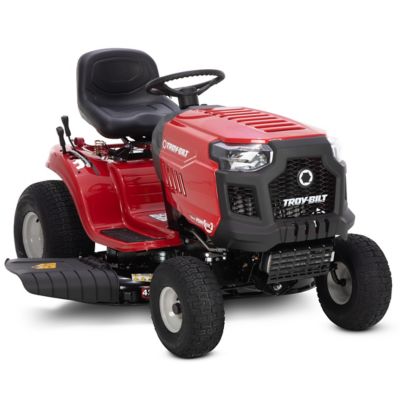
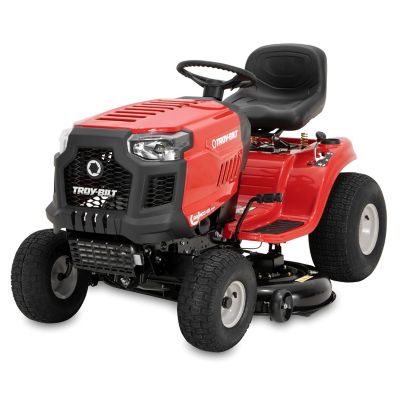
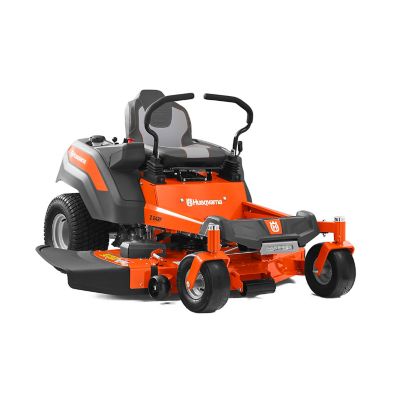
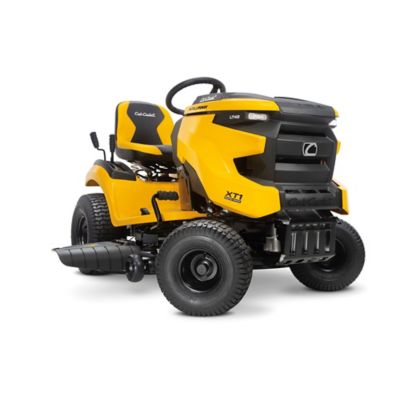
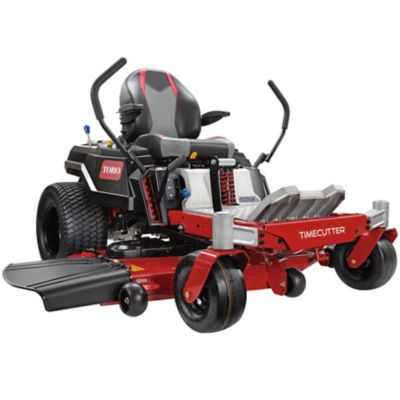
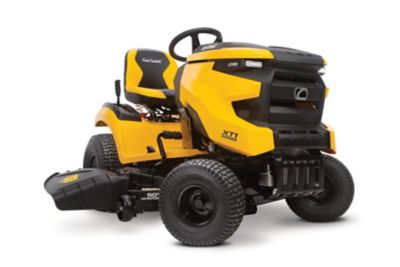
A 42-inch riding mower combines a useful cutting width with a manageable footprint for mowing around the house, along fence lines, and across open stretches of lawn. The 42-inch measurement refers to the mower’s nominal cutting swath, not its overall width. This size is often a practical match for lawns of about one to two acres, though mowing time also depends on travel speed, grass thickness, terrain, and how often trees or other obstacles interrupt a pass. Smaller properties with plenty of open grass can benefit from a rider, too, especially when walking behind a mower makes a regular chore harder than it needs to be. For a country place with a front lawn, a fenced backyard, and grass around an outbuilding, a 42-inch deck offers a middle ground between a narrow cut and a larger machine that needs more room to maneuver. Gate clearance deserves particular attention: a 42-inch cutting deck does not guarantee that the mower will fit through a 48-inch opening. The discharge chute, deck housing, and other components can extend beyond the cutting width, so the manufacturer’s overall dimensions matter more than the number in the mower’s name. Space inside a shed matters as well, including room to park, step off, and reach routine service points. These machines are intended for maintained lawns rather than brush clearing, rough pasture work, or cutting woody growth. A lawn that wraps around garden beds presents different demands from a broad rectangle beside the driveway, even when both cover the same acreage. Turning radius, traction, deck adjustment, and operator comfort all help determine how well a mower fits that ground. A well-matched riding lawn mower leaves enough room to work around obstacles without making every lap feel like a series of tight turns, repeated stops, and awkward backing maneuvers.
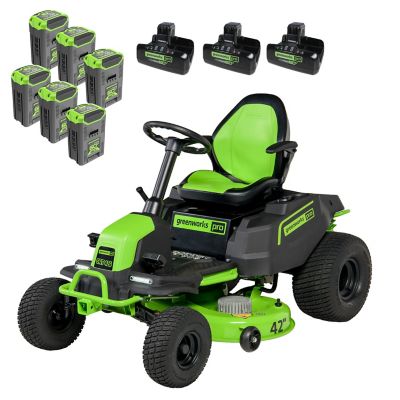
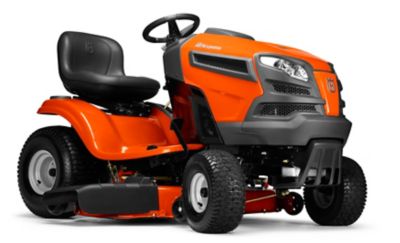
Construction and controls shape much of the difference among 42-inch riding lawn mowers. Steel cutting decks commonly come in stamped or fabricated designs. A stamped deck is formed into shape, often with rounded contours that support airflow and limit places where clippings can collect. A fabricated deck is built from steel sections welded together and may include reinforcement at areas subject to impact or stress. Neither construction method tells the whole story by itself; steel thickness, spindle support, deck suspension, protective finishes, and regular upkeep also affect how well the assembly holds up. Anti-scalp wheels, where equipped and properly adjusted, help the deck follow uneven ground without shaving high spots, but they do not turn a lawn mower into equipment for rutted fields. Cutting-height settings provide flexibility for different lawn grasses and mowing routines, while sharp blades and a level deck help produce an even finish. Gas-powered riders vary in engine displacement, horsepower, cylinder layout, and service access. Engine output matters, but horsepower alone does not determine mowing performance; blade design, deck airflow, ground speed, and the amount of grass entering the deck also play a part. Battery-powered riding mowers bring a different set of considerations, including stated mowing coverage, charging requirements, battery care, and access to a suitable electrical outlet. Actual runtime varies with cutting load, terrain, speed, and battery condition. Transmission design affects how a gas-powered machine feels from the seat. Gear-drive systems provide set travel speeds, with shifting procedures that depend on the model. Hydrostatic systems allow variable ground speed through pedal or lever controls, making frequent speed changes more convenient around beds and fence corners. An adjustable seat, reachable controls, a comfortable steering position, and an unobstructed place for the operator’s feet can make a noticeable difference over a full mowing session. Easy access to the parking brake and blade controls matters just as much as a seat that feels comfortable for the first few minutes.
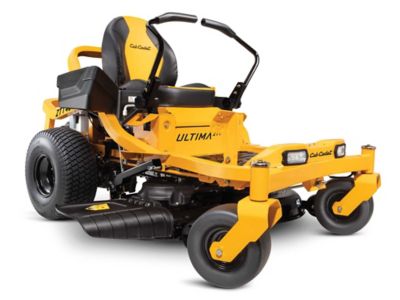
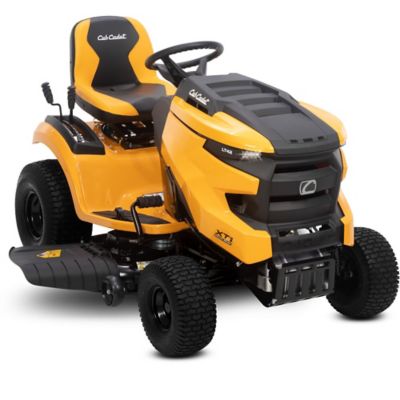
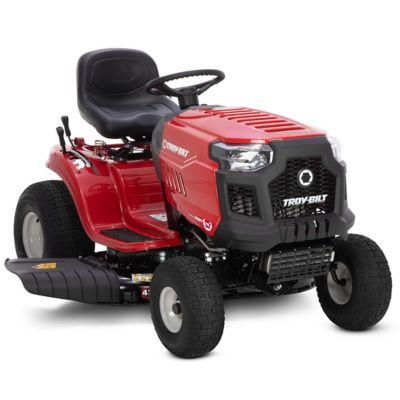
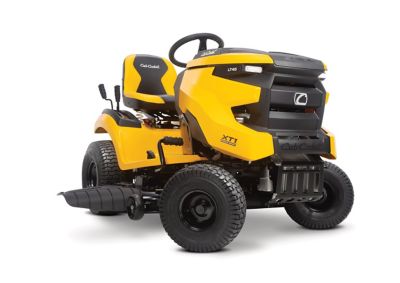
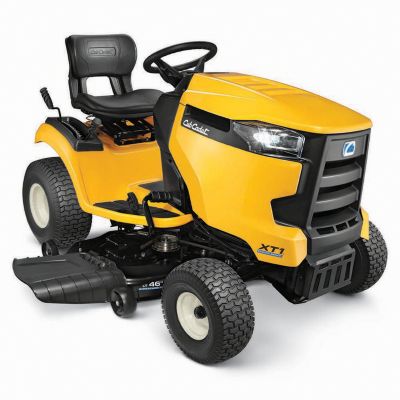
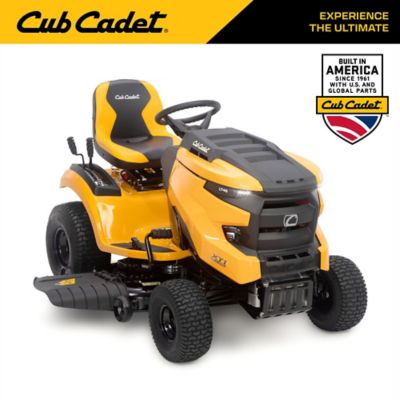
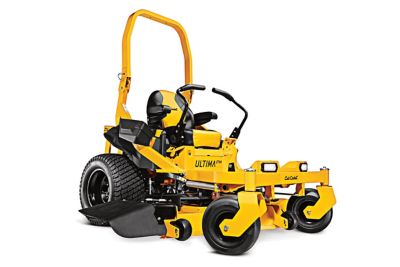
The layout of the property also helps distinguish a lawn tractor from other riding mower styles. A steering-wheel lawn tractor can suit long passes, broad turns, and general lawn upkeep, with some models supporting approved tow-behind carts or other attachments within stated limits. Attachment compatibility and towing capacity are model-specific, so a hitch alone does not establish what a mower can safely pull. For lawns with numerous trees, curved beds, or closely spaced obstacles,
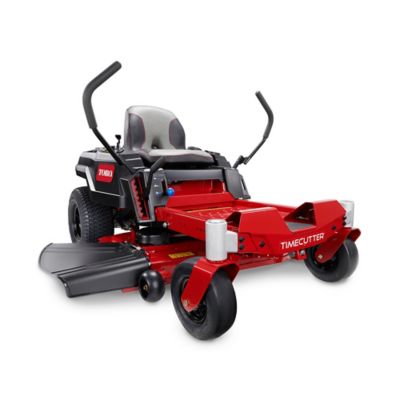
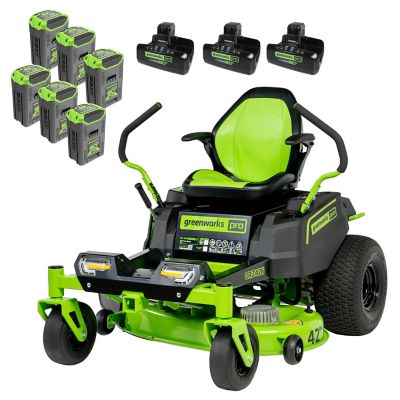
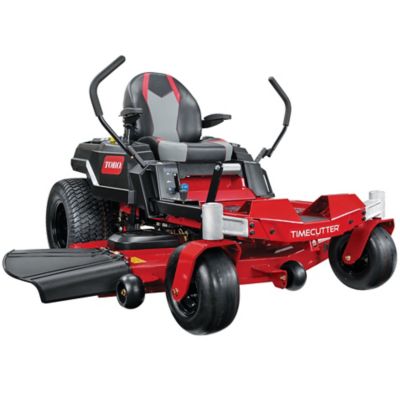
42 Inch Zero Turn Mowers offer another configuration in the same nominal cutting width, with steering designed for tight maneuvering. Turning ability should not be mistaken for slope capability; each machine has its own operating limits, and banks, ditch edges, drop-offs, and ground near water require particular caution. Tire tread, machine balance, and surface conditions affect traction, but none replace the operator’s manual’s restrictions. Discharge and clipping-management options deserve attention as well. Side discharge returns clippings to the lawn, while compatible mulching equipment cuts clippings into smaller pieces and bagging attachments collect material for disposal or composting where appropriate. These functions may require separate, model-specific components, and grass length and mowing pace influence the results. Around a gravel drive, play area, or livestock fence, keeping people and animals clear and directing discharge away from vulnerable areas are important parts of operation. Long service life depends on straightforward care: keeping the deck clear of packed grass, checking tire pressure, inspecting belts and blades, and following the manufacturer’s lubrication and maintenance schedule. Gas engines also need specified oil and filter service, while battery systems need charging and storage practices suited to their design. Before cleaning beneath the deck or handling blades, shut the machine down, remove the key, and follow the manual’s procedures for preventing an unexpected start. Accessible filters, clearly marked service points, and a deck that can be maintained without unnecessary hassle make ongoing care easier to keep up with. For a homeowner tending an acre around the house or someone maintaining several lawn sections across a rural property, the right fit brings together cutting performance, room to maneuver, comfortable operation, and maintenance that fits the regular chore list.