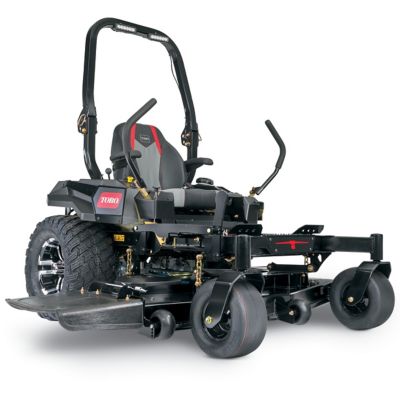
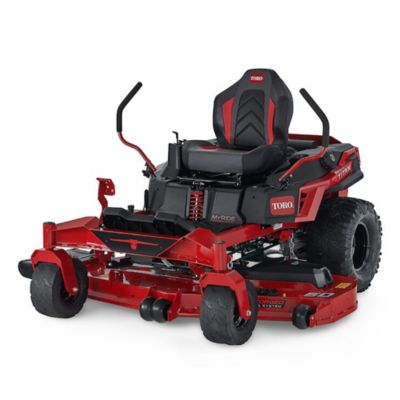
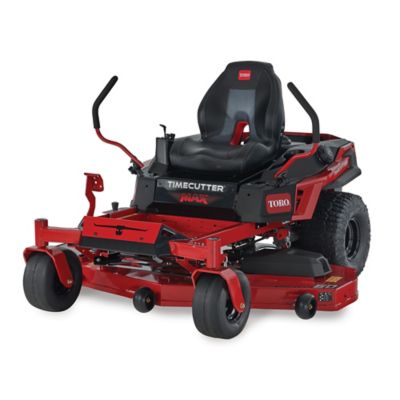
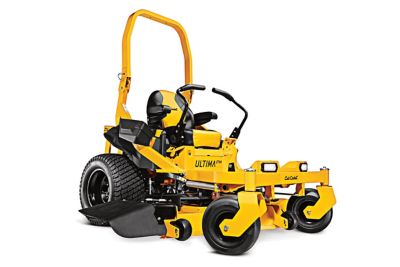
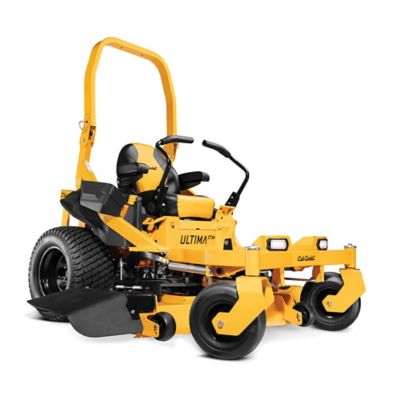
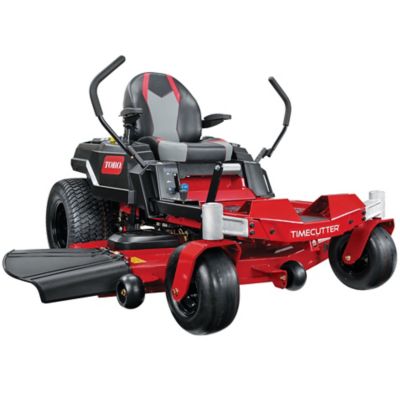
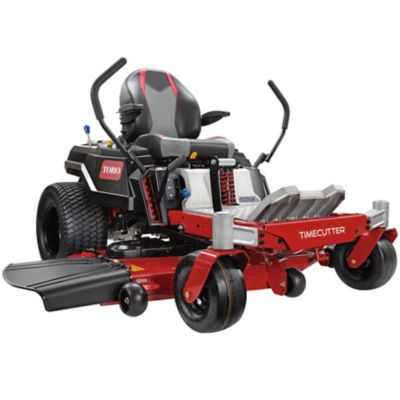
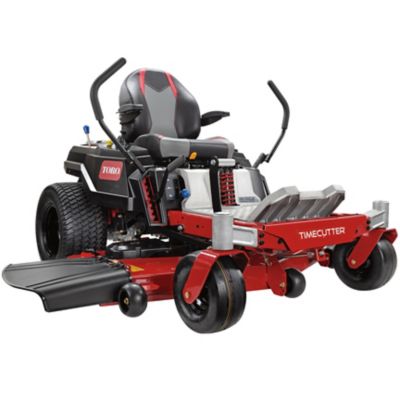
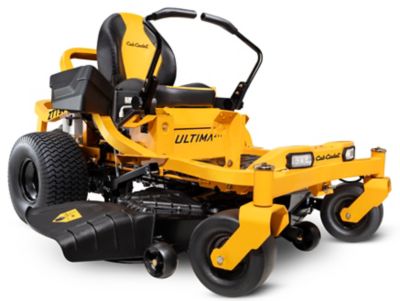
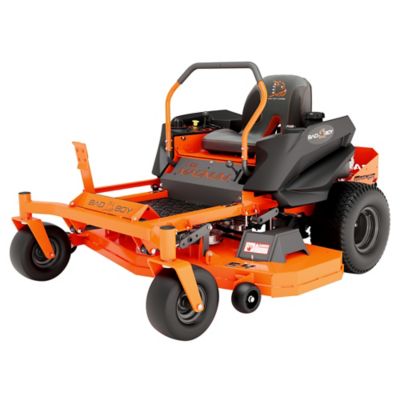
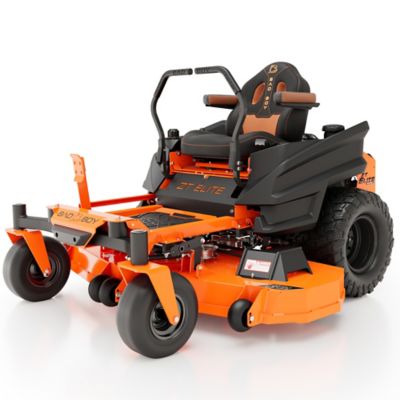
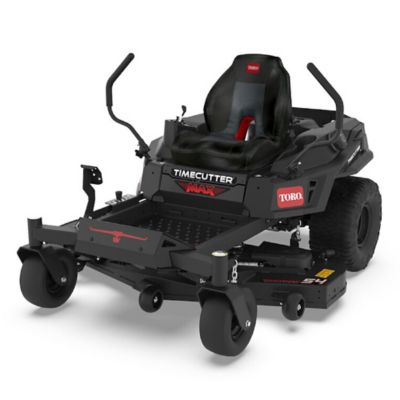
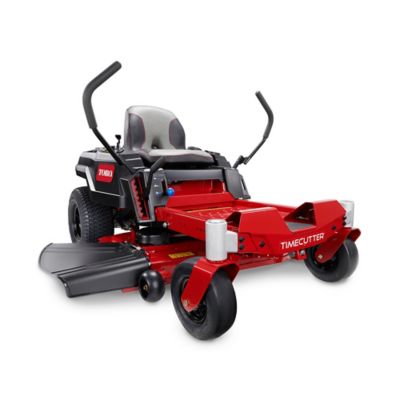
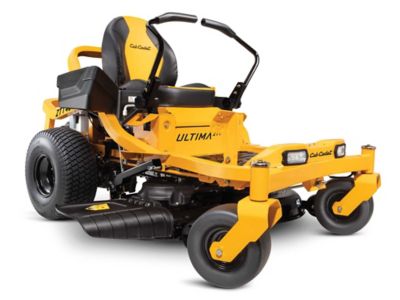
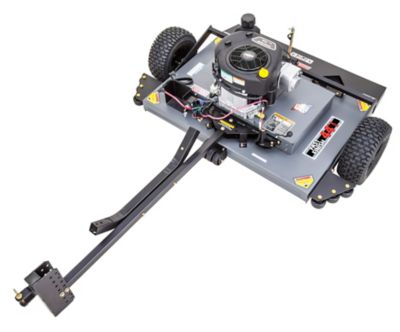
60 inch riding mowers are built for covering a lot of ground without making a full day of lawn work feel like an endless chore. With a cutting deck around five feet wide, these machines are a practical fit for large residential yards, estates, acreage, pasture edges, sports fields, and light commercial properties where a smaller mower would require many more passes. Depending on the layout, mowing conditions, and operator’s pace, a 60-inch riding mower can be well suited to properties measuring roughly 2 to 5 acres or more. A wide deck is especially helpful on open, gently rolling ground, where long straight runs let the mower make the most of its cutting width. It may be less convenient around narrow garden paths, tight tree lines, landscaping beds, or small fenced sections, so take a good look at the property before choosing a larger machine. Measure gates, shed doors, trailer ramps, and storage openings, and remember that the mower’s overall width can be greater than the listed deck width. A little measuring ahead of time can prevent the frustrating discovery that a new mower will not fit through the gate or into the building where it needs to be stored. For broad lawns that stretch out behind the house, around barns, or along a long driveway, a 60-inch deck can make quick work of heavy grass during the growing season and help keep the property looking neat as cooler weather arrives.
When comparing 60 inch riding mowers, start with the power source and the kind of mowing day you expect. Gas-powered models are a familiar choice for acreage owners and crews who need extended runtime, quick refueling, and the ability to keep working across several sections of property. Engine size, fuel capacity, cooling design, and access to routine service points all matter, especially when mowing thick grass, damp areas, or taller growth along a fence line. Battery-powered electric models can be a good match for homeowners who value quieter operation, fewer engine-related maintenance tasks, and no gasoline storage. Their practical mowing time depends on battery capacity, grass height, terrain, temperature, and whether the blades are working through dense growth, so check the manufacturer’s runtime guidance and charging requirements. A zero-turn design is another important consideration. Dual lap bars allow precise control and make it easy to turn within a mower’s own footprint, which is handy around trees, posts, and landscaping. Steering-wheel-controlled zero-turn styles may feel more familiar to some operators and can offer a comfortable choice for maintaining gently sloped areas. Neither control style replaces careful operation on hills; follow the owner’s manual, mow across slopes only as recommended, slow down before turning, and avoid wet or unstable ground. Look for a sturdy fabricated deck, convenient deck-height adjustment, dependable blade engagement, a comfortable high-back seat, and controls that are easy to reach without leaning or stretching. Seat suspension, armrests, a simple foot-operated deck lift, and a clear view over the front of the mower can make a noticeable difference when the job takes several hours. If the mower will be used by more than one person, consider adjustable controls and seat settings so each operator can maintain a safe, comfortable position.
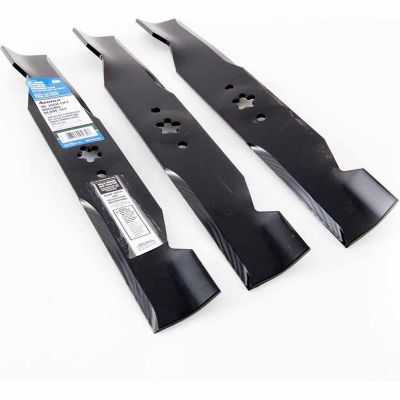
A 60 inch riding mower is a substantial piece of equipment, and the right choice comes down to matching the machine to the land, the storage setup, and the person doing the work. Before bringing one home, consider the terrain, typical grass height, mowing frequency, obstacles, and whether the property has muddy spots or soft ground that may require a lighter touch. Wider tires can help provide stability and reduce rutting, while a well-balanced frame and responsive controls make it easier to move around trees, sheds, ponds, and livestock areas. Plan on keeping the blades sharp, checking tire pressure, clearing grass from the deck, and following the recommended schedule for oil, filters, belts, battery care, and other service items. Clean cuts come from sharp, properly balanced blades, while a clogged deck can leave clumps behind and place extra strain on the mower. Before each use, walk the area for sticks, wire, rocks, toys, and other debris, and keep people and pets away from the mowing path. Eye and hearing protection, sturdy footwear, and close attention around slopes and drop-offs are worthwhile habits. During the cooler months, a clean, dry storage area helps protect the mower from moisture, freezing conditions, and unnecessary wear; battery models may require specific storage and charging practices, while gas models benefit from proper fuel treatment and seasonal preparation. These mowers can be a thoughtful gift for a landowner, new acreage owner, or family member taking on responsibility for a large property, though the size and price make it important to confirm that the recipient has suitable storage and enough open ground to justify the wider deck. For smaller lawns or tighter layouts, a more compact option may be easier to handle, such as the
42 Inch Zero Turn Mowers available for properties that do not need the reach of a 60-inch deck. With the right fit and regular care, a 60 inch riding mower can turn long stretches of grass into clean, even rows and leave more time for the rest of the work waiting around the homestead.