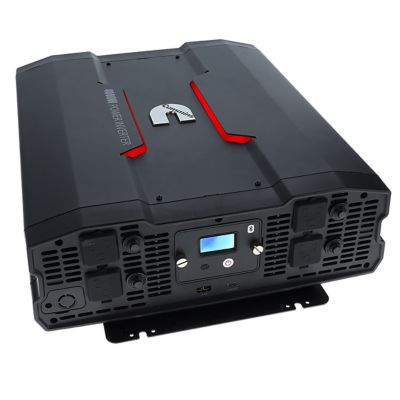
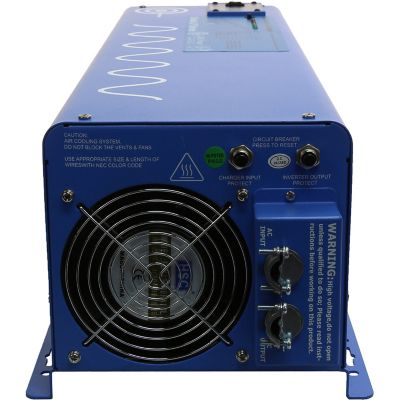
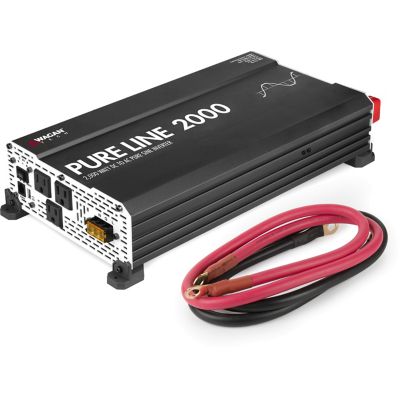
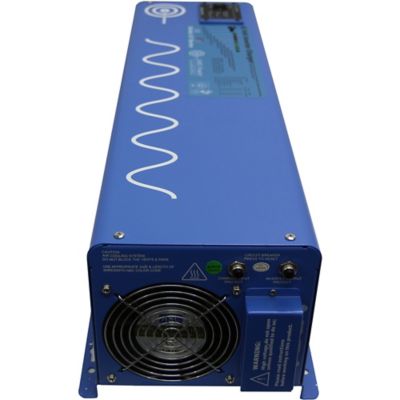
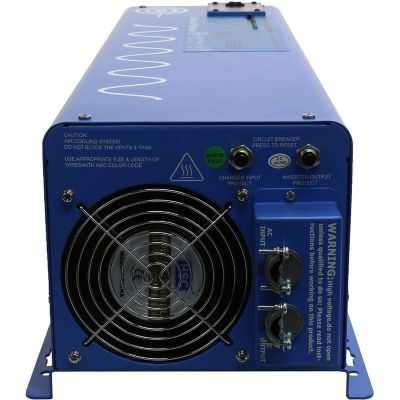
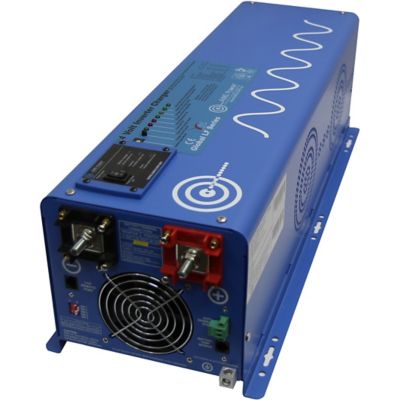
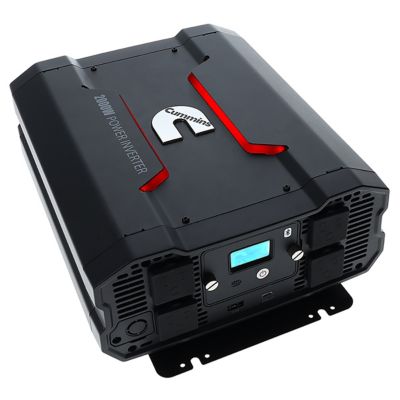
A 4000-watt inverter converts direct-current electricity from a battery bank into alternating-current electricity for appliances, tools, and other equipment. Depending on its specifications, it may connect to a 12-, 24-, or 48-volt battery system and supply 120-volt AC power; some designs provide 120/240-volt output for compatible loads. The input voltage must match the battery bank, and the output must match the equipment being powered. Unlike a fuel-powered generator, a battery inverter does not produce energy on its own. It makes stored battery energy usable through household-style outlets or a designated wiring connection. That makes this size worth considering for an RV, a properly equipped work trailer, an off-grid cabin, or a battery-backed setup around the farm. A refrigerator, several lights, and a laptop create a different demand than a saw starting up beside a running air compressor, so wattage alone does not tell the whole story. A true 4,000-watt continuous rating means the inverter can supply that amount under the manufacturer’s stated operating conditions. A 4,000-watt peak or surge rating describes a temporary capability, not an ongoing workload. Motors and compressors can draw considerably more power at startup than they do while running, and surge capacity matters only when it lasts long enough to meet that starting demand. The combined running load and the largest likely startup load both deserve attention. Outlet ratings also matter: one receptacle may not deliver the inverter’s full rated output. Pure sine wave inverters produce a smooth AC waveform suited to many motor-driven appliances, electronic controls, and sensitive electronics. Modified sine wave designs produce a stepped waveform that may not suit every device, even when its wattage fits within the inverter’s rating. Equipment instructions are the best reference for compatibility. For a shop radio and a few lights, the demands may be straightforward; for a freezer, pump, or electronically controlled appliance, waveform and starting requirements become a bigger part of the match.
The battery side of a 4000-watt inverter deserves just as much attention as the AC outlets. At full output, a 12-volt system can draw roughly 370 amps at 90 percent inverter efficiency, with actual current changing as battery voltage and efficiency change. A 24- or 48-volt system carries less current for the same output, but it still needs a battery bank, connections, and protective equipment sized for the job. A small battery or an undersized battery management system can limit performance long before the inverter reaches its advertised capacity. Battery chemistry, discharge limits, and the manufacturer’s continuous and surge current ratings all affect compatibility. Cable size, cable length, terminal connections, and battery-side overcurrent protection are part of the system, not minor accessories. Installation requirements vary, and the inverter manual should set the requirements for cable sizing, fuses, mounting, grounding, and clearances. For permanent wiring or a connection to a building’s electrical system, a qualified electrician can address code requirements and the necessary transfer equipment. An inverter must never feed building wiring through a household receptacle. Runtime is a separate consideration from output capacity: watts describe how much equipment can run at once, while usable battery watt-hours help determine how long it can run. A battery bank with 4,000 usable watt-hours would theoretically support a 1,000-watt load for four hours before conversion losses, inverter consumption, and other limits reduce that figure. Appliances that cycle on and off complicate the estimate further. A refrigerator may draw power intermittently, while a cooking appliance or heating element can place a steady, substantial load on the batteries. An inverter paired with solar panels also needs the appropriate charging equipment unless compatible charging functions are built in. A larger inverter by itself does not add battery storage, solar charging capacity, or runtime. Those pieces need to work together, whether the setup serves a weekend camper or equipment in an outbuilding beyond the utility connection.
Physical fit and everyday upkeep can make a noticeable difference once an inverter becomes part of a working setup. Metal housings, often aluminum or steel, protect internal components, while ventilation openings and cooling fans help carry away operating heat. An enclosure’s material does not establish its suitability for exposure, though; the stated installation rating determines where it belongs. Many inverters need a dry, protected location with open airflow, away from loose hay, feed dust, and anything that could block the fan or collect around electrical connections. Mounting dimensions, weight, cable entry points, and access to controls matter in the tight storage compartment of an RV or the cabinet of a work trailer. A remote switch or display can be handy when the main unit sits out of easy reach, while readable status lights help show whether it is operating normally or has shut down. Depending on the design, protection features may include low-battery shutdown, overload protection, short-circuit protection, and overtemperature shutdown. These features do not replace proper installation or sensible load management. Routine care generally centers on keeping ventilation paths clear, checking for visible cable damage, and following the manufacturer’s inspection and cleaning instructions. Power should be disconnected as directed before maintenance, and internal repairs belong with qualified service personnel. For folks running tools away from an outlet or keeping essential appliances connected to battery power, the best fit balances continuous output, starting capacity, battery demands, and mounting space. Comparing
5000w Inverters can help put a higher continuous-output requirement in perspective, but the battery bank and wiring must support that added load. Extra capacity is useful only when the rest of the system can supply it. A well-matched 4000-watt inverter brings practical AC power to the task without treating its wattage rating as a promise that every appliance can run together.