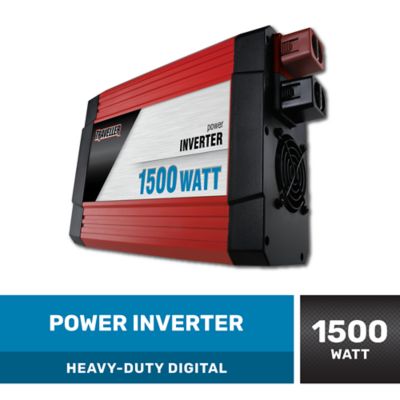
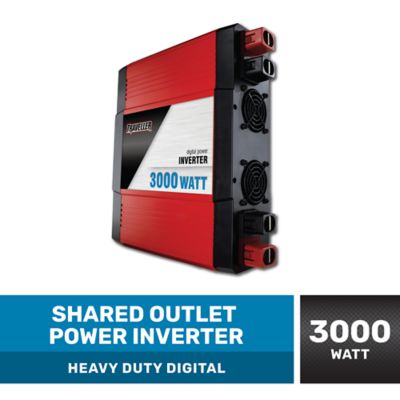
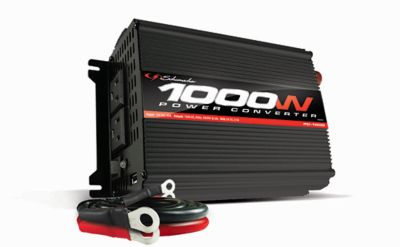
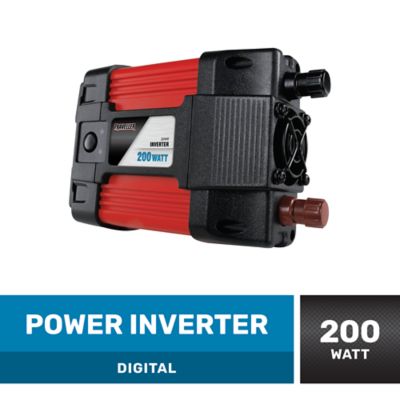
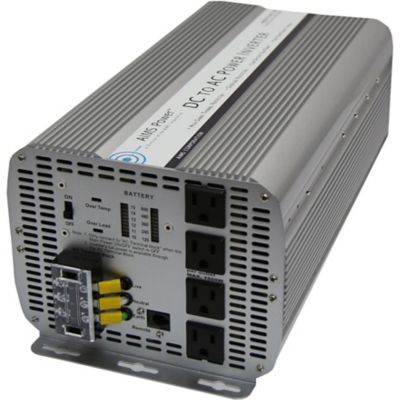
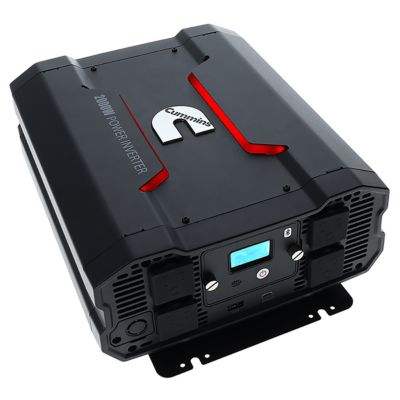
A 1500 watt inverter turns direct-current power from a compatible battery bank into alternating-current power for household electronics, small appliances, and tools within its operating limits. Many models pair with a 12-volt battery system and supply nominal 120-volt AC power, though input voltage and output specifications vary. That makes this size a practical fit for folks who need an outlet beyond the house, whether that means charging tool batteries beside a fence project, powering a laptop in a parked work truck, or running a few essentials in an RV. The important distinction is continuous power versus surge power. An inverter rated for 1,500 continuous watts can support that total running load under the conditions listed by its manufacturer; its surge rating describes a higher output it can sustain briefly. Some models advertise peak output around 3,000 watts, but both the amount and duration depend on the design. A refrigerator compressor or power-tool motor may need considerably more electricity at startup than it does once running, so running watts alone do not establish compatibility. Several connected devices also share the inverter’s total capacity rather than each receiving 1,500 watts. A charger, task light, and laptop might make a manageable combination, while adding a heating appliance could quickly push the same setup beyond its limit. The electrical label on each appliance gives a better starting point than its size or appearance, and motor-driven equipment may require additional startup specifications. For a pickup, camper, or small off-grid workspace, the appeal is having access to AC power without a nearby wall outlet. An inverter does not generate electricity or replenish its own battery, however. Its usefulness rests on the complete setup: the connected load, the battery’s discharge capability, the charging source, and the wiring between them. This power class suits moderate electrical needs, not every tool in a shop or every appliance in a home running together.
Waveform is another meaningful difference among 1500 watt inverters. Pure sine wave models produce an AC waveform that more closely resembles utility power and are generally the better match for electronics and appliances whose manufacturers call for that output. Modified sine wave models produce a stepped waveform that may suit some basic loads, but compatibility needs a closer look. Certain motors, audio equipment, electronic controls, and battery chargers may hum, run poorly, or fail to operate correctly on modified sine wave power. The appliance manufacturer’s requirements matter more than a broad promise that an inverter can run electronics. Battery capacity deserves just as much attention as waveform. At a full 1,500-watt load, a 12-volt system operating at 90 percent inverter efficiency draws roughly 139 amps from the battery. Actual draw changes with battery voltage, inverter efficiency, and load, but that example shows why a high-output inverter needs substantial battery connections rather than an ordinary vehicle accessory socket. Battery chemistry, discharge limits, and the battery management system must all support the required current. A 100-amp-hour battery is not automatically sufficient simply because its voltage matches the inverter. For perspective, a nominal 12-volt, 100-amp-hour battery stores about 1,200 watt-hours before accounting for permitted depth of discharge, conversion losses, and other operating limits. It therefore cannot supply a 1,500-watt AC load for a full hour, and practical runtime may be much shorter. Smaller loads usually run longer, although the inverter itself also consumes some power while switched on. That matters for a camper charging a phone overnight just as it does for a rancher running equipment between stops. A vehicle starting battery also needs enough charge left to start the engine; low-voltage shutdown is not a guarantee of that reserve. A properly planned auxiliary battery system can separate accessory demands from starting duties. Solar charging, shore-power charging, or vehicle charging may support the battery bank when the components are designed to work together, but none makes runtime unlimited.
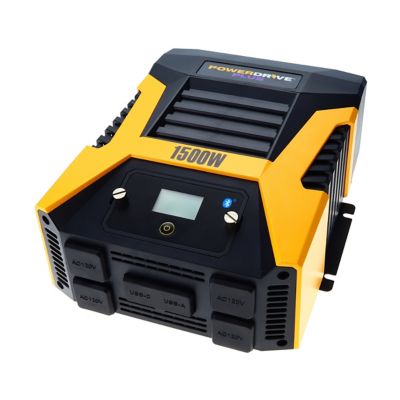
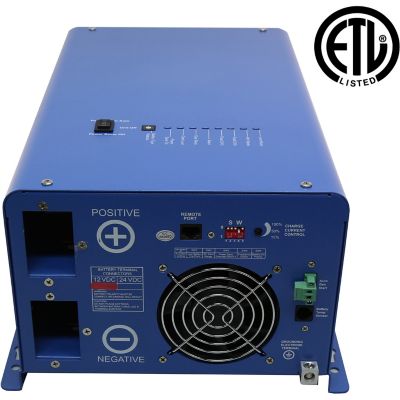
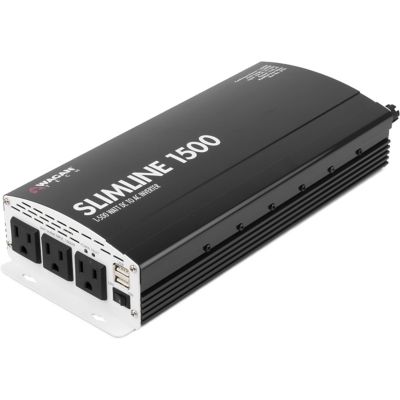
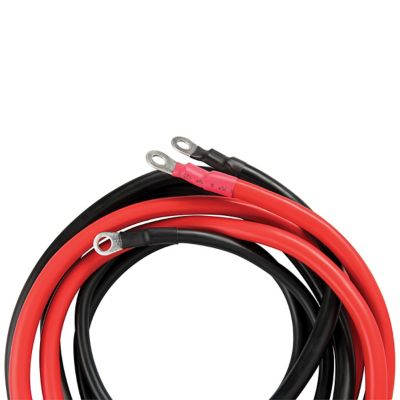
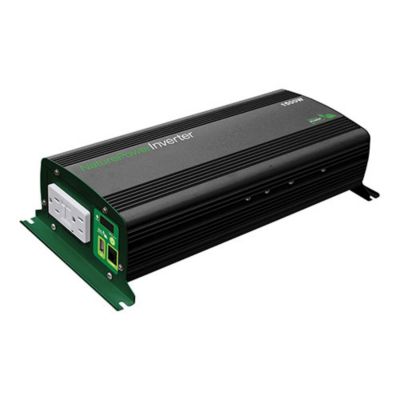
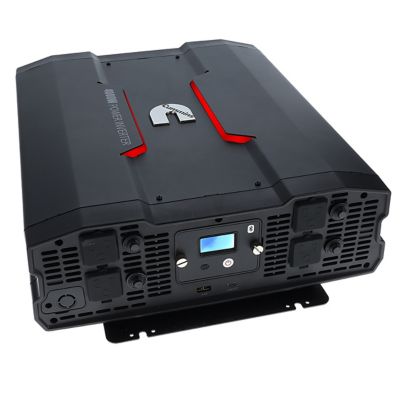
Physical fit and construction help determine whether a 1500 watt power inverter belongs in a particular truck, trailer, or workspace. Metal housings, often aluminum, can help shed internal heat, while mounting flanges provide a way to secure the unit against movement. Housing material alone does not establish resistance to moisture, dust, or vibration. A spot beside loose tools, feed sacks, or hay chaff is not a suitable location if debris can block cooling openings or reach electrical connections. Overall dimensions need to leave room for cable bends, outlet plugs, fan airflow, and the clearances specified in the manual. A compact case may fit beneath a bench, but an enclosed compartment can interfere with cooling and access. Outlet count, outlet spacing, remote-switch compatibility, and an easy-to-read display can make everyday operation more convenient, especially when the inverter mounts out of direct reach. Display functions vary; some show input voltage, output load, or fault conditions. Common protection features include overload shutdown, short-circuit protection, and low-battery warnings, though these do not replace correct installation. Cable gauge, cable length, terminal connections, and battery-side circuit protection must match the manufacturer’s requirements and the system’s current demands. Longer cable runs can increase voltage drop, and loose connections can create dangerous resistance heating. Permanent vehicle, RV, or building connections call for qualified installation and the appropriate grounding and transfer arrangements; an inverter must never feed a wall receptacle to energize household wiring. Routine care centers on keeping vents clear, checking for damaged cables or loosened mounting hardware with power safely disconnected, and following the manual’s cleaning and inspection directions. For someone outfitting a fishing camper, maintaining a mobile repair setup, or adding limited backup power, these details matter as much as the wattage on the case. If expected loads consistently exceed this class,
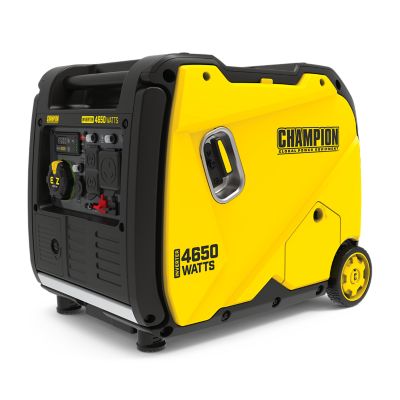
5000w Inverters represent a higher-output category, but they also require a battery bank and electrical system sized for the greater demand. The right fit brings together sufficient running power, suitable startup capacity, compatible output, and enough stored energy for the job at hand.