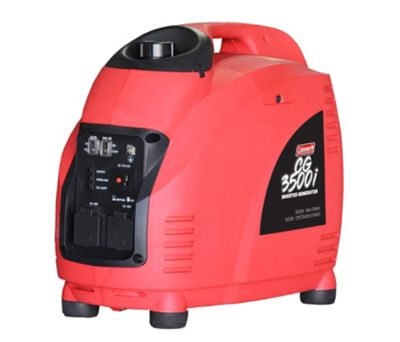
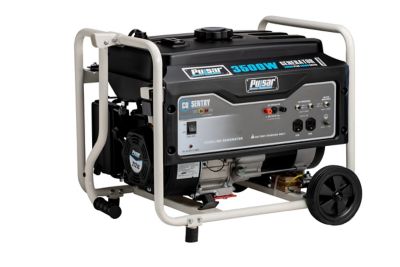
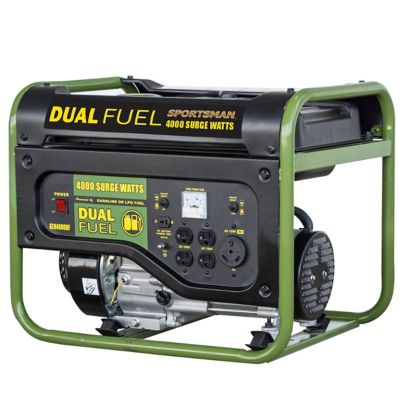
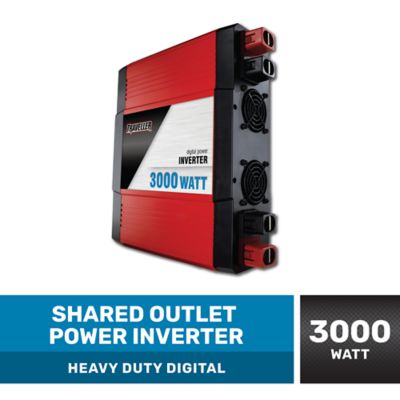
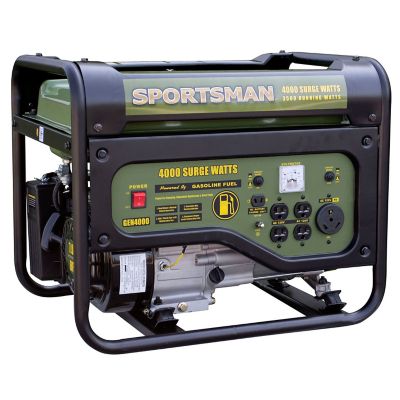
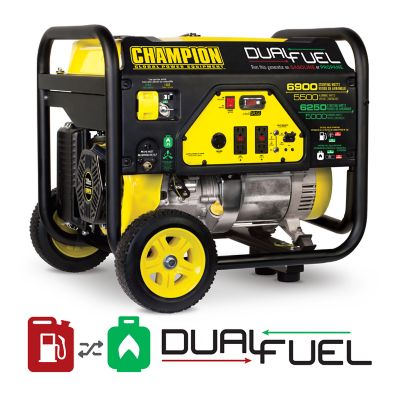
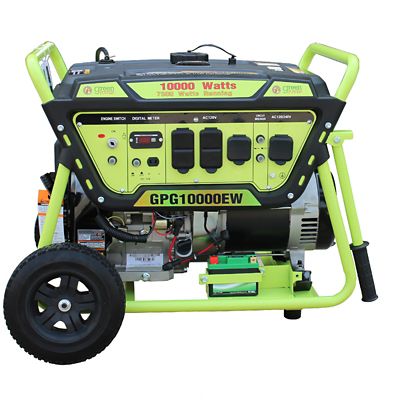
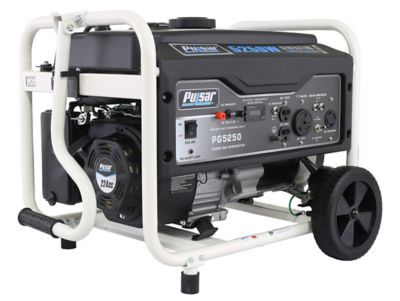
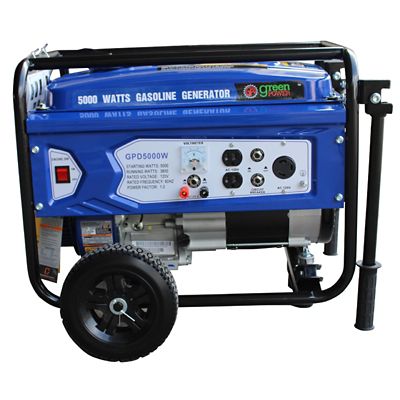
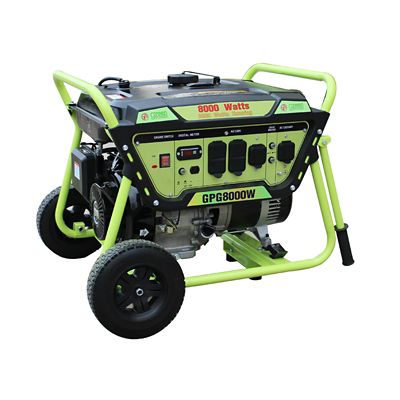
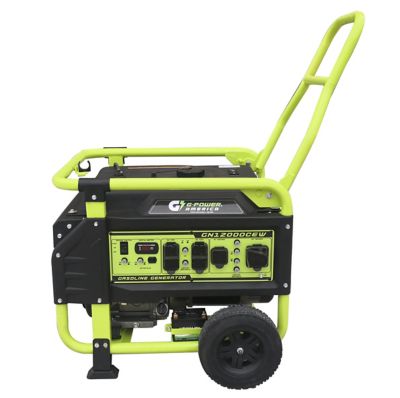
3000 Watt Generators offer a handy middle ground for keeping key equipment running when shore power is out, a campsite needs electricity, or a remote work area sits beyond the reach of an outlet. A unit in this range may provide enough power for a refrigerator or freezer, several lights, phone chargers, a laptop, a television, a small microwave, a coffee maker, or a sump pump, depending on the starting and running wattage of each item. Starting wattage is the extra burst many motors need when they kick on, while running wattage is the amount needed after the equipment is operating. That difference matters when a refrigerator compressor starts or a pump cycles, especially if more than one appliance is connected. During a storm or a cold-weather outage, many rural households focus first on keeping food cold, maintaining sump pump operation, charging communication devices, and lighting the kitchen, porch, or barn. A 3,000-watt unit can suit that kind of short-term backup plan, but it is not intended to power every appliance in a home at once. Central air conditioning systems, electric water heaters, clothes dryers, large welders, and other high-draw equipment generally call for more capacity or a separate power plan. Make a simple list of the items you want to run, check each item’s starting and running wattage, and leave room between the total load and the generator’s limit. That extra breathing room helps prevent overloads when a motor starts and makes it easier to bring another small item online when needed. For broader household demands, compare these options with
5000 Watt Generators.
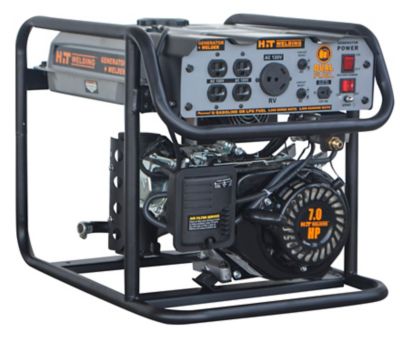
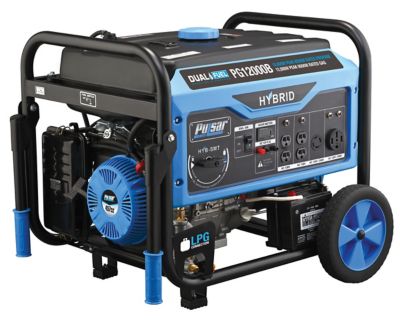
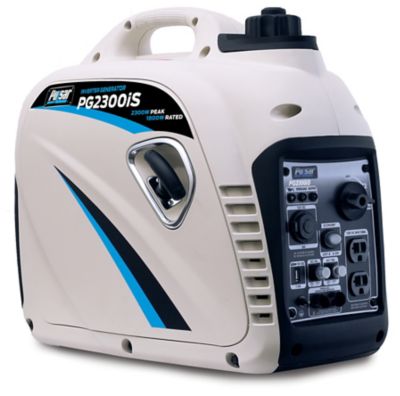
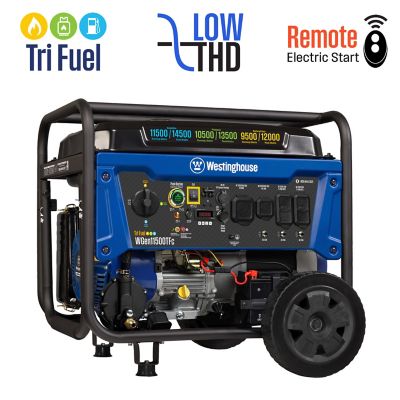
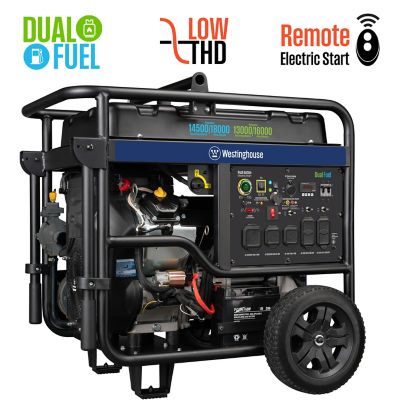
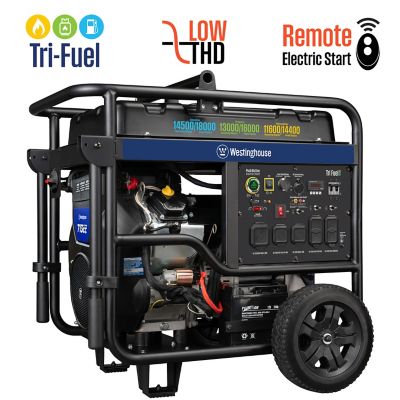
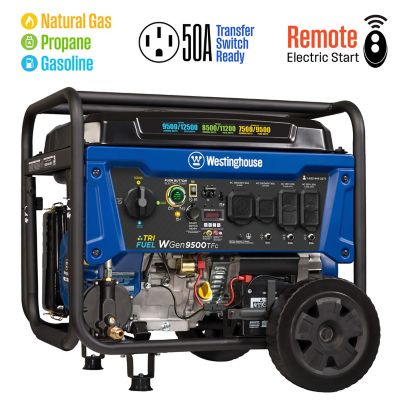
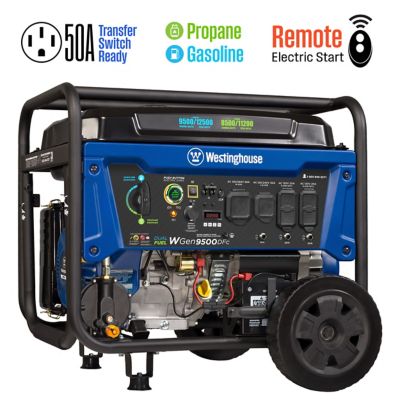
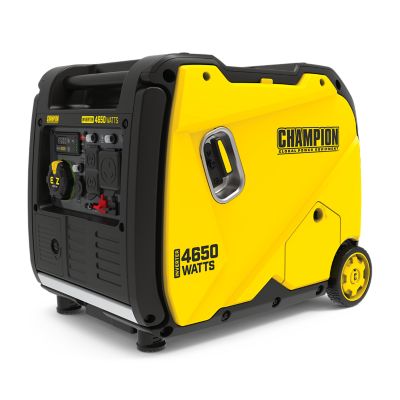
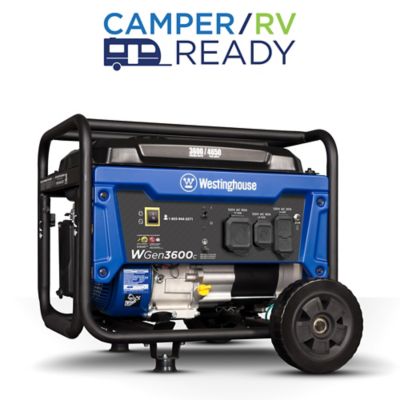
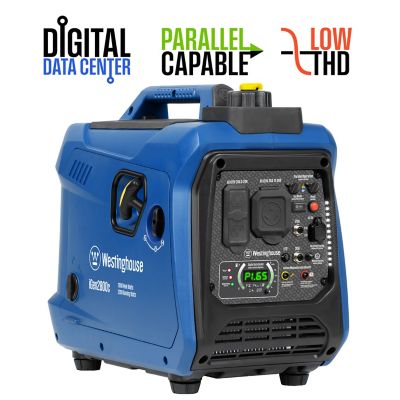
Portability is another big part of choosing a 3000-watt generator. Look for a frame, wheels, and handles that make sense for the surface around your home, campsite, hunting cabin, or jobsite. Gravel, packed dirt, a sloped driveway, and a smooth garage floor each present different challenges, and a generator that is simple to move can make a real difference when weather rolls in. Fuel choice also deserves a close look. Gasoline is common and can be easy to find, while propane can offer longer storage and another way to keep a unit ready between outages. Dual-fuel models give households a choice based on what is available, though every fuel type has its own storage, ventilation, and operating requirements. Run time depends on tank size, load, engine design, and fuel, so check the manufacturer’s stated figures and consider how often you want to refuel during an overnight outage. Electric start can be welcome when temperatures drop or when the generator sits outside a shed, while a recoil start provides a straightforward backup if the battery is low. Inverter models are often selected for electronics because they produce a steady form of power suited to items such as laptops, phones, televisions, and other sensitive equipment. Many inverter generators also operate more quietly than open-frame units, with some running in the range of normal conversation, though sound levels vary by load and design. Keep an eye out for overload protection, low-oil shutdown, fuel shutoff, a clear control panel, and outlets that match the cords and equipment you plan to connect. An RV-ready outlet may matter to campers, while weather-resistant outlet covers can be helpful around a barn or temporary outdoor work area. A 3000-watt generator can make a practical present for someone who camps, travels in an RV, maintains a rural property, or likes to be prepared for a power interruption, especially when paired with properly rated cords and a safe storage plan.
Safe operation starts with placement. Portable generators belong outdoors, well away from the house, garage, barn, shed, RV, and other enclosed or partly enclosed spaces. Keep the exhaust directed away from doors, windows, vents, and areas where people or animals may gather, and follow the manufacturer’s clearance instructions. Carbon monoxide has no visible warning, so a carbon monoxide alarm inside the home adds another layer of protection, but it never replaces outdoor placement. Let the engine cool before adding fuel, keep gasoline and propane handled according to local rules, and store fuel only in approved containers away from ignition sources. If you want generator power connected to household wiring, work with a licensed electrician to install the proper transfer equipment; never connect a portable generator to a wall outlet, since backfeeding can injure utility workers and damage the electrical system. Heavy-duty outdoor extension cords should match the generator’s output and the appliance load, with no cuts, loose ends, or makeshift connections. Before cooler weather brings a storm or outage, start the generator outdoors, inspect the oil, check the fuel system, look over the cords, and make sure everyone in the household knows where it is kept and how to shut it down. A short test run can reveal a weak battery, stale fuel, or a missing cord before the lights go out. After operation, allow the unit to cool, follow the storage instructions, and keep the manual nearby. With thoughtful load planning, proper fuel handling, and a safe operating spot, a 3000-watt generator can bring light, refrigeration, charging power, and a little peace of mind to the farm, campsite, workshop, or home when the grid goes quiet.