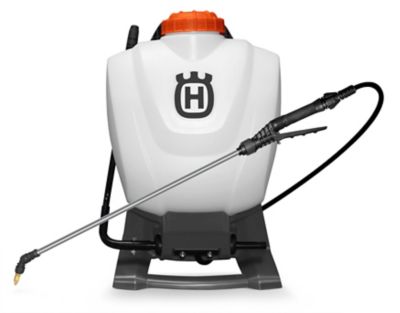
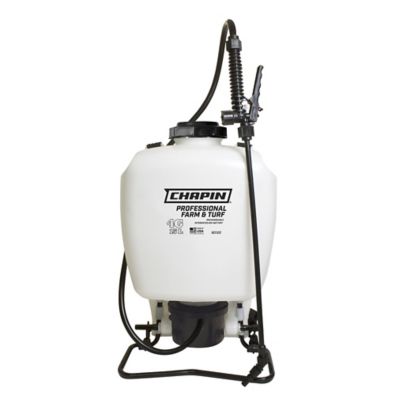
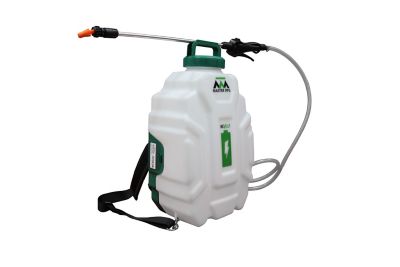
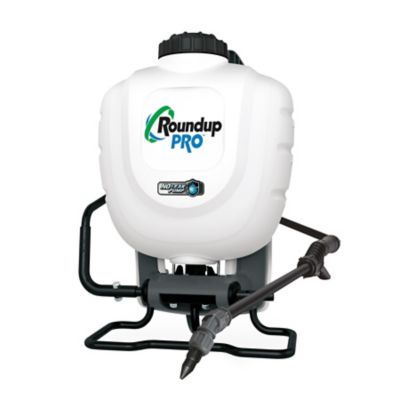
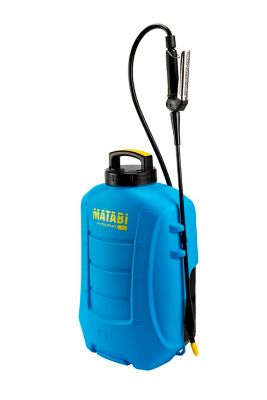
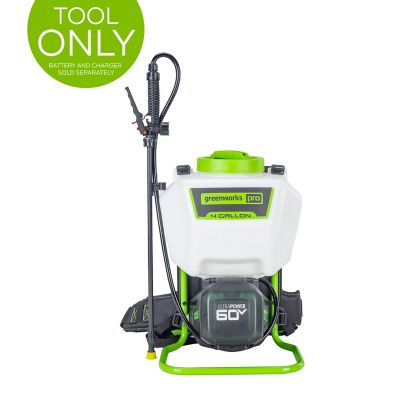
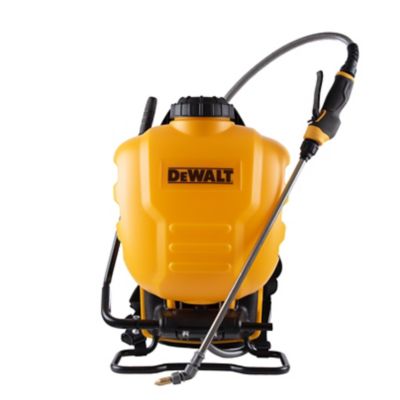
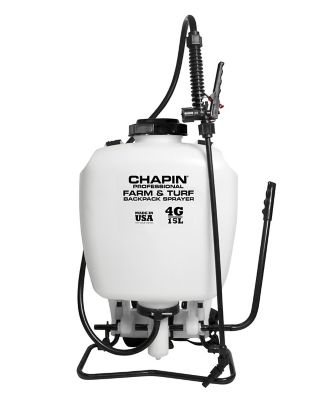
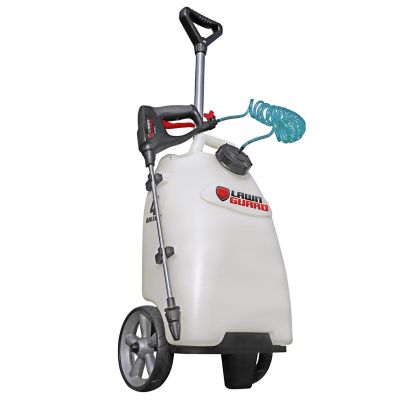
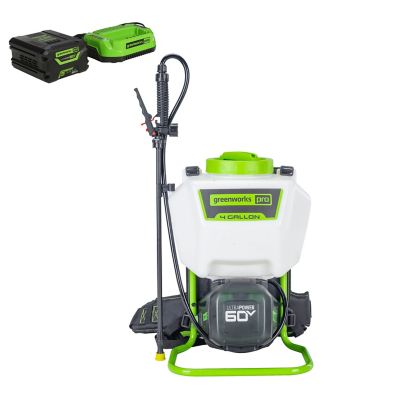
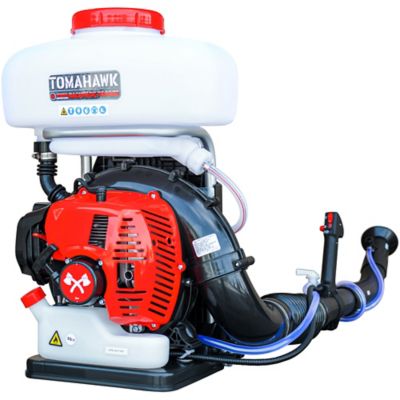
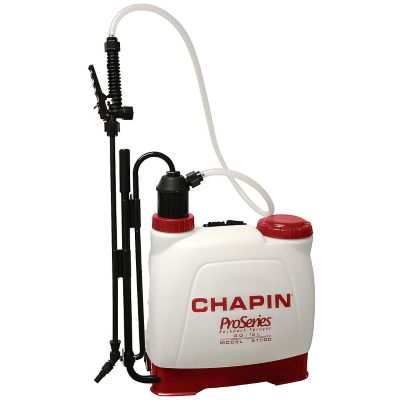
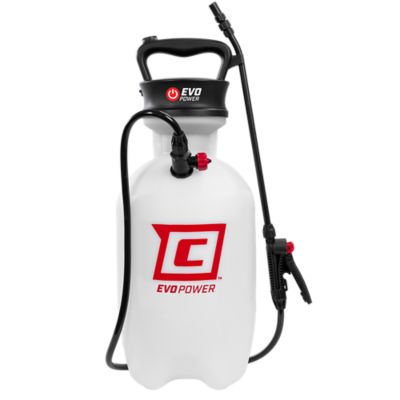
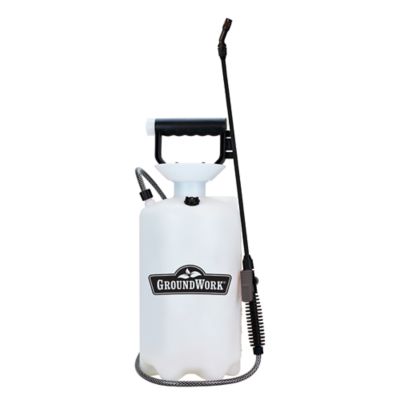
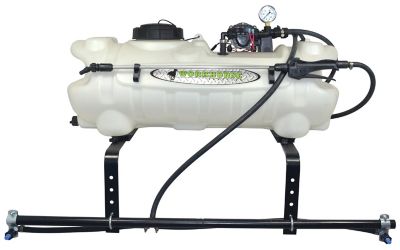
A 4 gallon backpack sprayer is a handy piece of equipment for keeping up with larger lawns, fence lines, gardens, pastures, orchards, driveways, and other outdoor areas that take more than a small hand sprayer can handle. Worn on your back, it helps spread the weight across your shoulders and hips while leaving both hands available to guide the wand and steady your work. Four gallons provides a useful balance between coverage and portability: a full tank can handle many residential jobs without constant refilling, but the sprayer is still manageable for walking around trees, outbuildings, garden rows, and uneven ground. Keep in mind that liquid adds weight, so a full tank may weigh more than 30 pounds once the sprayer itself and the contents are counted. For that reason, padded shoulder straps, a supportive waist belt, adjustable harness points, and a comfortable back panel can make a noticeable difference during a long afternoon outside. A well-fitted sprayer should sit securely without rubbing, shifting, or putting all the load on one spot. These sprayers are commonly used by homeowners, gardeners, groundskeepers, small-acreage property owners, and farm families handling routine weed control, fertilizer application, insect control, sanitizing solutions, and other approved treatments. They can also make a practical gift for someone who takes pride in a neat fence line, a productive garden, or a well-kept homestead. Before choosing one, consider the size of the area being treated, how often it will be used, and whether the person carrying it prefers a straightforward manual pump or the convenience of battery-powered operation.
Manual 4 gallon backpack sprayers are a familiar choice for occasional and regular outdoor work. A hand-operated pump builds pressure in the tank, allowing the user to spray as needed without depending on a charged battery. Piston and diaphragm pump designs are both common, and the right choice depends on the types of solutions being applied and the level of durability needed. Internal pump designs can help keep the pump mechanism and treated liquid contained inside the tank rather than allowing fluid to run down the operator’s back. Battery-powered models reduce the need to stop and pump by hand, which can be especially helpful when covering a large garden, pasture edge, or expansive lawn. When comparing options, check the expected run time, charging requirements, pressure controls, tank markings, and the availability of replacement batteries or parts. Chemical-resistant seals and gaskets are important, particularly if the sprayer will be used with herbicides, fertilizers, insecticides, or other products that may wear down ordinary rubber components. Viton-style seals are often selected for better resistance to a broad range of agricultural and lawn-care chemicals, but always confirm that the sprayer is approved for the specific solution on its label. A versatile nozzle selection adds value, too. Adjustable cone nozzles can work well for spot treatment, flat-fan nozzles help create an even band across a row or walkway, and foaming or specialized tips may make it easier to see where an area has been covered. Adjustable pressure lets you match the spray pattern to the job, helping reduce drift and avoid wasting liquid on windy days.
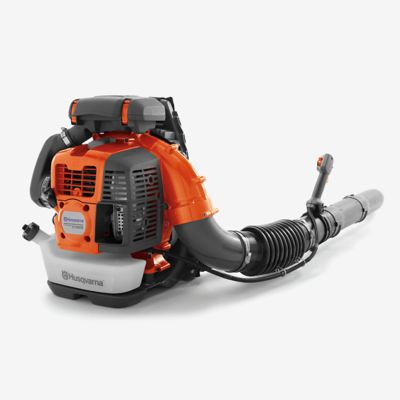
The best results come from matching the sprayer to the task and taking a little time with setup and cleanup. Read the label for every treatment, follow mixing and application directions carefully, and wear the protective clothing and gear called for on the label. Avoid spraying when wind could carry droplets toward gardens, ponds, neighboring property, animals, or people, and keep children and pets away from treated areas until the label says it is safe. A measured tank opening, easy-to-read fill markings, a secure lid, and a wand with a comfortable grip can make routine work less frustrating. Before filling the tank, inspect the hose, wand, shutoff valve, cap, seals, and nozzle for cracks or wear. After use, empty leftover solution according to label directions, rinse the tank and wand with clean water, and flush the system so residue does not harden inside the lines. Never use the same sprayer for weed killer and garden fertilizer unless it has been thoroughly cleaned and the equipment is approved for both uses. Store the sprayer out of direct sunlight and protect it from freezing temperatures during the cooler months; trapped water can damage pumps, hoses, and fittings. Some property owners keep a backpack sprayer near their other seasonal equipment, using it alongside hand tools, trimmers, and
Backpack Leaf Blowers when tidying up around barns, sheds, driveways, and lawn edges. Whether the work involves treating a few stubborn weeds or maintaining several acres, a properly sized 4 gallon backpack sprayer offers a practical way to carry the solution, control the application, and cover outdoor areas with less back-and-forth to the refill station.