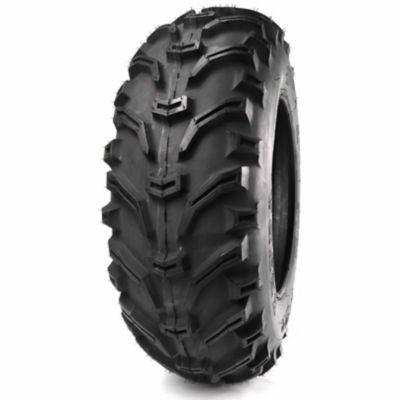
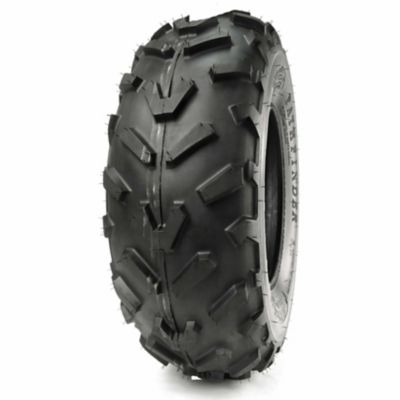
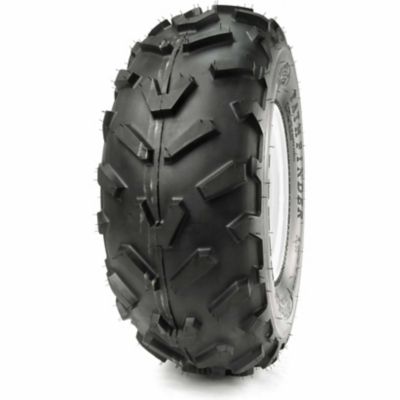
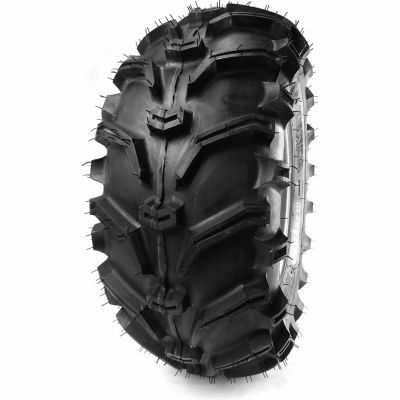
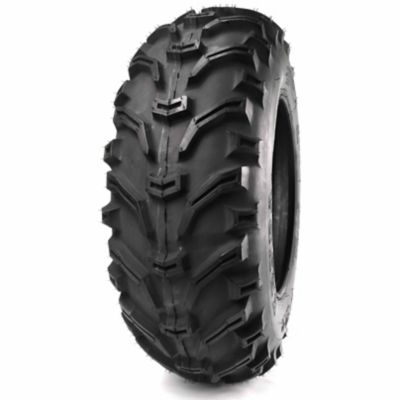
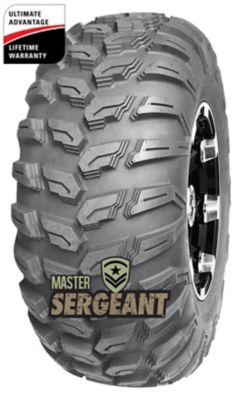
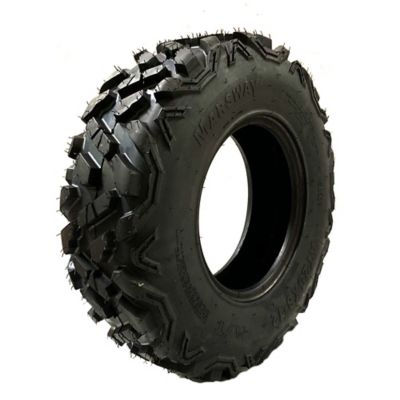
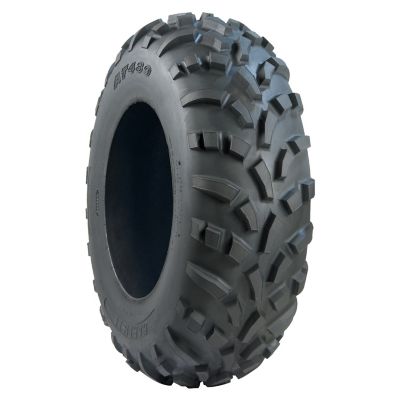
When you’re shopping for 12 inch ATV tires, the first number to confirm is the rim diameter. A tire marked with a final number of 12—such as 25x8-12 or 25x10-12—is made to fit a 12-inch wheel. That last number needs to match your ATV’s rim, while the first two numbers describe the tire’s approximate overall height and width. Check the sidewall of the tire already on your machine, the owner’s manual, or the manufacturer’s fitment information before ordering. A 12-inch rim does not mean every 12-inch ATV tire will fit every quad. Front and rear tires often use different widths, and changing the size can affect steering, ground clearance, gearing, suspension movement and how the ATV handles under load. It’s also worth measuring the space around the tire, especially if your machine has aftermarket wheels, lift components, wheel spacers or added fender protection. A tire that looks like a close match in a listing may rub when the suspension compresses or when the handlebars are turned all the way. For many farm and property owners, the right set of tires becomes part of the ATV’s everyday working gear. They may be used to check a back fence after a storm, haul feed along a gravel lane, reach a hunting blind, pull a small trailer or make a long loop around a wooded property. Riders who spend weekends on trails may use the same machine for rocky climbs, packed dirt, sandy paths and the occasional muddy crossing, so tread design and construction deserve as much attention as the size printed on the sidewall.
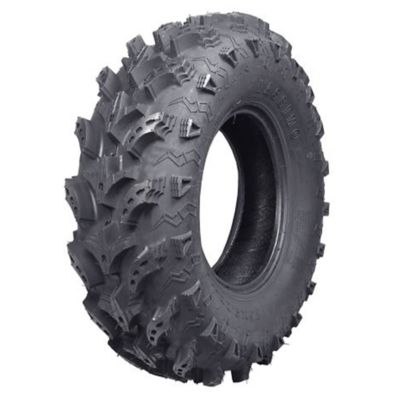
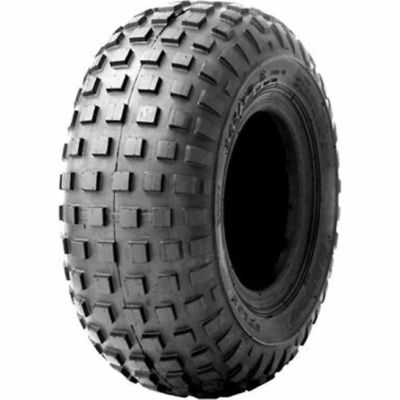
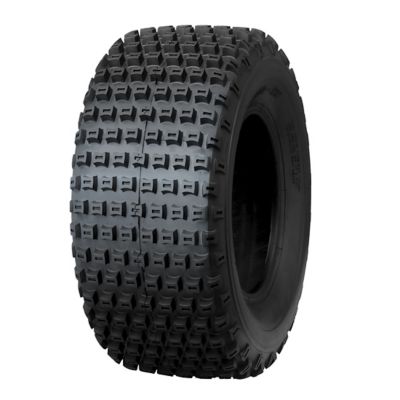
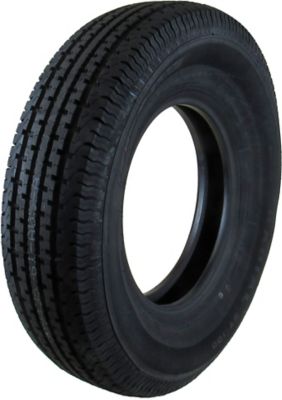
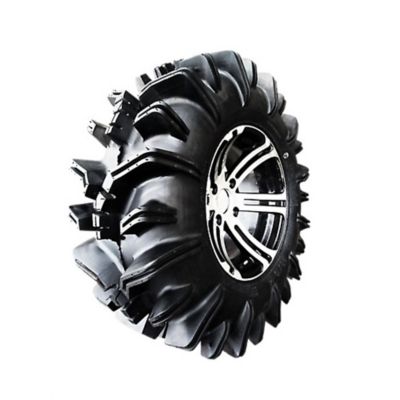
Terrain is one of the biggest factors in choosing 12 inch ATV tires. An all-terrain tread is a practical choice for mixed riding, with a balanced pattern that can roll smoothly across hard-packed dirt and gravel while still offering bite in loose soil. More open, deep-lug designs can help clear mud and provide traction in soft ground, but they may feel rougher on pavement and can wear faster when used mostly on hard surfaces. Closely spaced tread blocks are often comfortable on maintained trails and firm ground, while larger shoulder lugs can add grip when the trail gets rutted or the machine needs to climb out of a ditch. Riders who regularly cross sharp rock, brush and cutover timber should pay close attention to ply rating and casing strength. A higher ply rating generally provides greater resistance to punctures and sidewall damage, though it can also make a tire stiffer and heavier. Six-ply and eight-ply construction are common choices for work-focused ATVs that carry tools, spray equipment, fencing supplies or a full-size rider over rough ground. Radial tires can provide a smoother ride and a larger contact patch on some surfaces, while bias construction is often valued for sturdy sidewalls and dependable performance in demanding utility use. No tire can replace sensible air-pressure checks. Use the pressure range recommended for the ATV and tire, and adjust only within the maker’s guidance for the load and terrain. Too much air can reduce grip and make the ride skitter across roots and rocks; too little can increase the chance of rim damage, sidewall flex or a bead coming loose. Before the first ride, inspect for cracks, punctures, uneven wear and bent rims, then make sure the lugs are wearing evenly and the valve stems are in good shape.
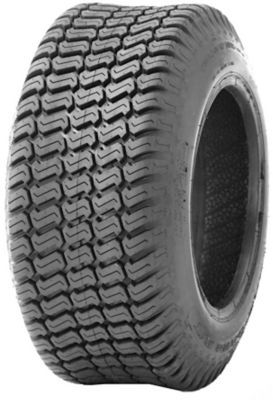
A fresh set of 12 inch ATV tires can be a useful purchase for a working landowner, trail rider, ranch hand or outdoor enthusiast, and it can make a thoughtful gift for someone who depends on an ATV through the cooler months. Tires are especially useful when the old set has become hard, weather-checked or worn smooth in the center, even if the tread still looks acceptable at a quick glance. Replacing tires in pairs on the same axle helps keep handling predictable, and replacing all four may be the better route when wear is uneven or the front and rear tires no longer work well together. Keep the front-to-rear size relationship recommended for your machine, since mismatched rolling diameters can put extra strain on the drivetrain of some four-wheel-drive ATVs. Installation is best handled with the proper tire-changing equipment; ATV tires have stiff beads and can be difficult, and sometimes unsafe, to mount with improvised tools. After installation, check that the bead has seated evenly around the rim, torque the wheel nuts to the vehicle manufacturer’s specification and take a slow test ride before heading into the woods. During the cooler months, a quick inspection before each outing is worthwhile because cold temperatures can lower tire pressure and wet leaves can hide rocks, sticks and ruts. Store unused tires out of direct sunlight and away from fuel, solvents and electric motors that produce ozone. If your outdoor equipment needs replacement wheels rather than ATV tires, take a look at
8 Inch Mower Wheels for smaller lawn and garden equipment. With the correct size, a tread suited to the ground you ride and enough strength for the work you do, 12 inch ATV tires can help keep a quad steady, capable and ready for the next trip down the lane or along the back forty.