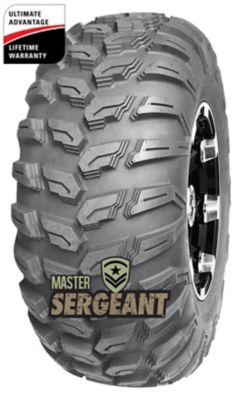
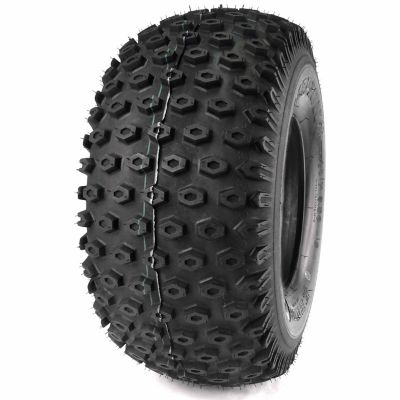
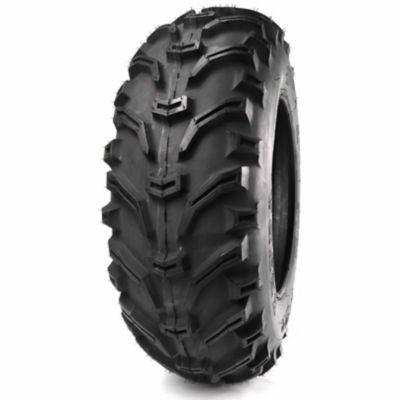
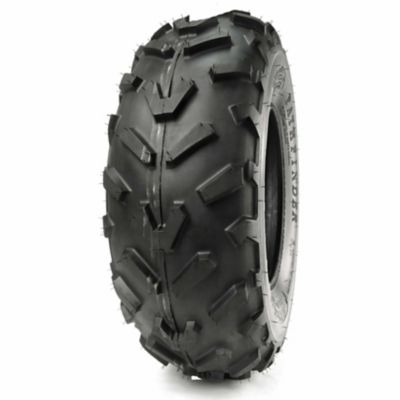
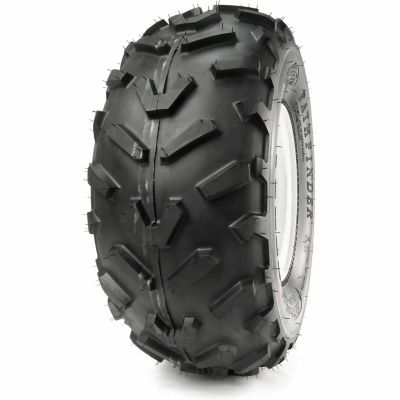
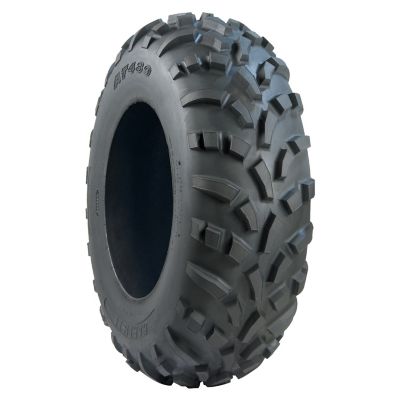
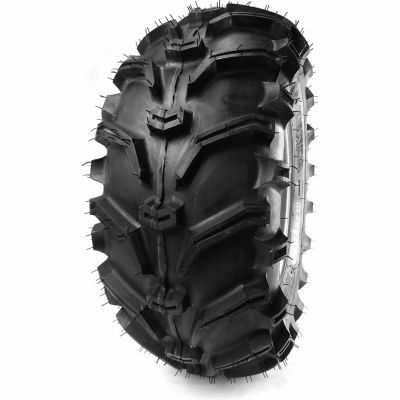
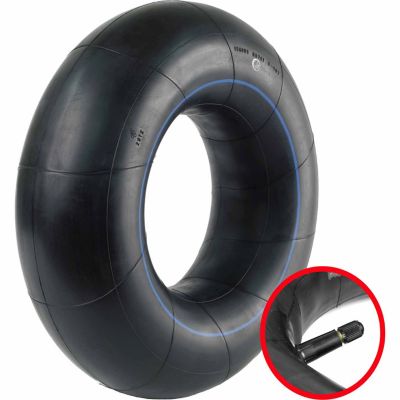
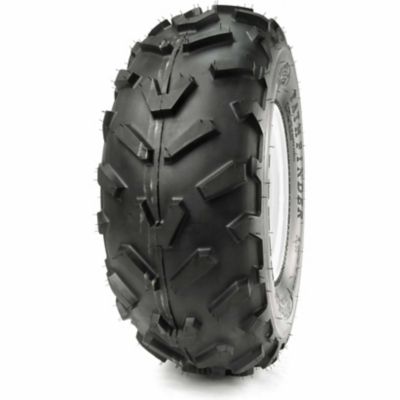
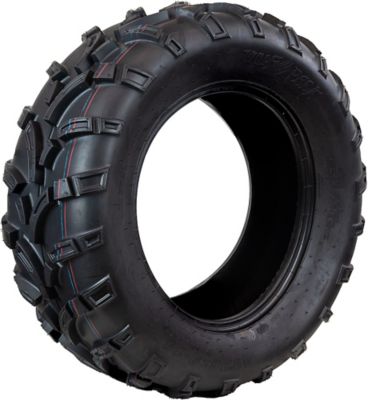
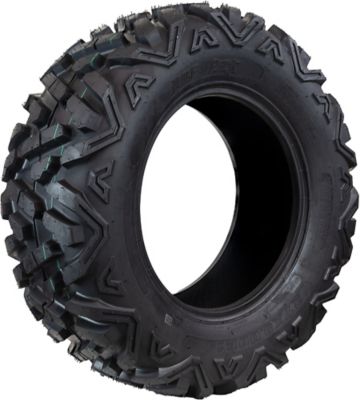
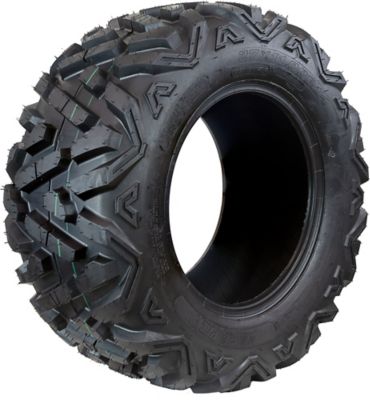
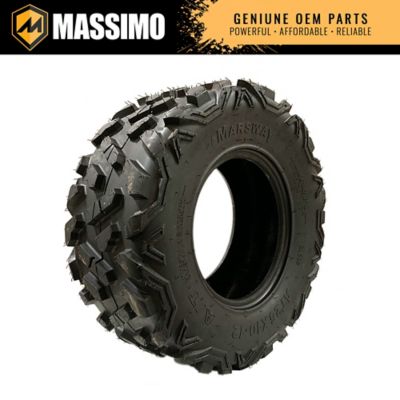
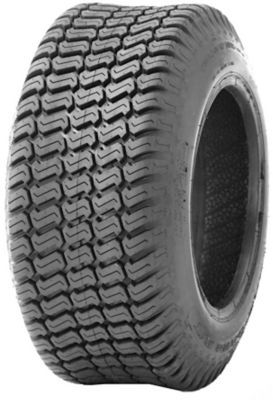
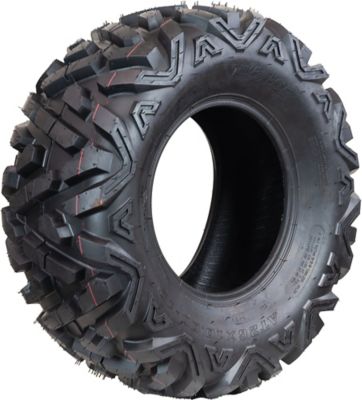
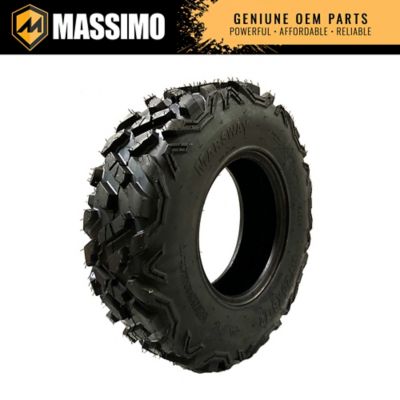
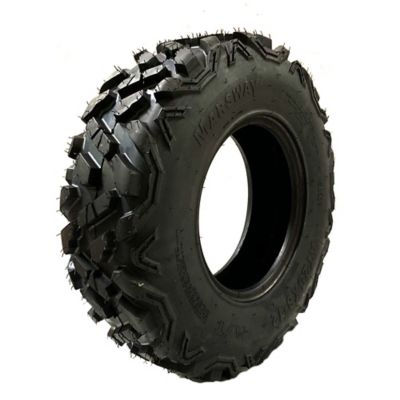
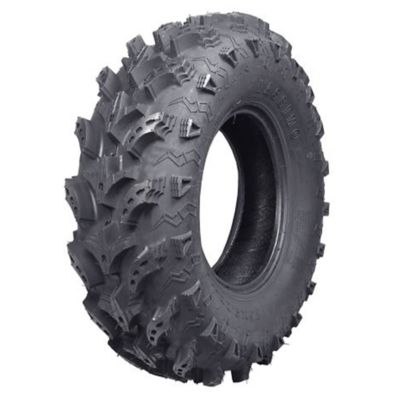
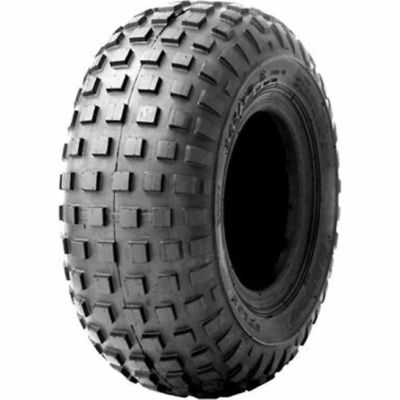
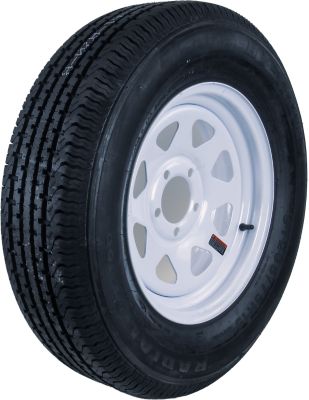
Radial ATV and UTV tires are built for riders who want a steady, comfortable feel across changing ground conditions. Unlike bias-ply construction, radial tires use internal cords that run from bead to bead at a right angle to the direction of travel, with belt layers beneath the tread helping the tire hold its shape. That construction lets the sidewalls flex as the machine rolls over rocks, roots, ruts and washboard, while the tread keeps a broad, consistent footprint on the ground. The result can be a smoother ride, more predictable cornering and more even tread wear, especially for machines that spend plenty of time on hard-packed trails, gravel lanes, open fields or pavement between jobs. A radial ATV tire may be a good fit for a trail rider covering long stretches of varied terrain, while a radial UTV tire can help workers, hunters, landowners and outdoor crews travel comfortably between a barn, woodlot, hunting blind or worksite. They are also useful for everyday farm and property maintenance, where a machine may move from soft soil to packed clay, crushed stone and asphalt in the same outing. When looking through radial ATV and UTV tire options, start with the tire size and load rating recommended for the vehicle. The size printed on the existing sidewall is a helpful starting point, but the owner’s manual and the vehicle manufacturer’s fitment information should have the final say. Check the wheel diameter, overall tire height, section width, bolt and suspension clearance, and whether the tire is intended for the front or rear axle. On a UTV, account for passengers, tools, fencing supplies, feed, firewood or other cargo that may add weight. A tire that fits the wheel but does not meet the machine’s load requirements can affect handling, braking and tire life.
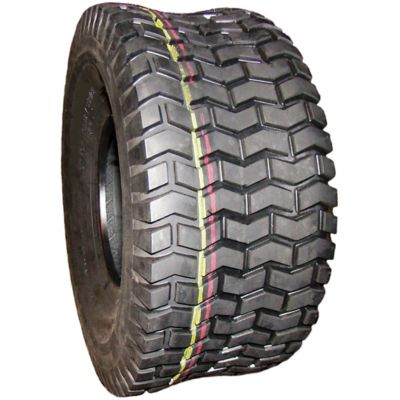
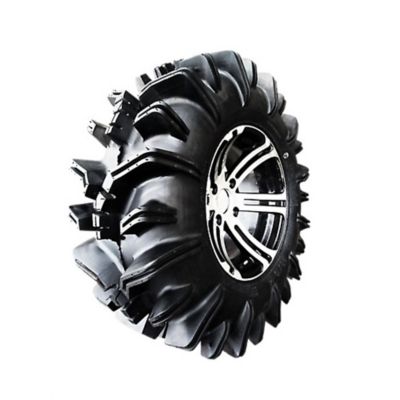
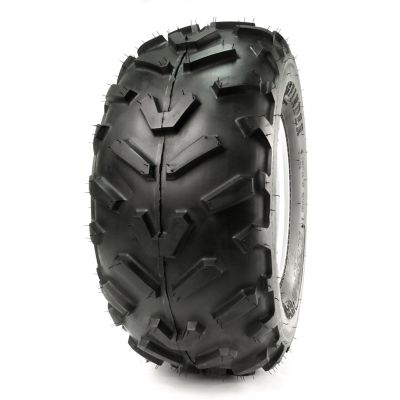
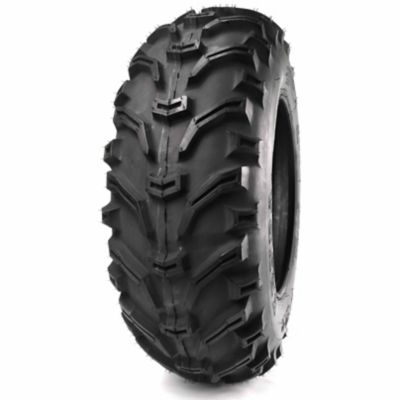
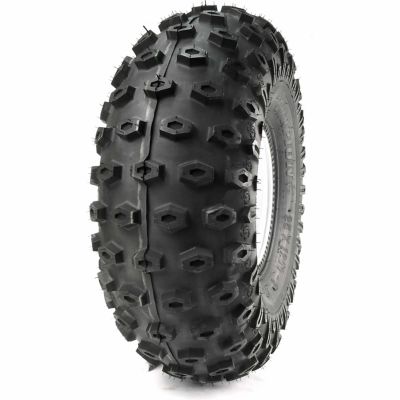
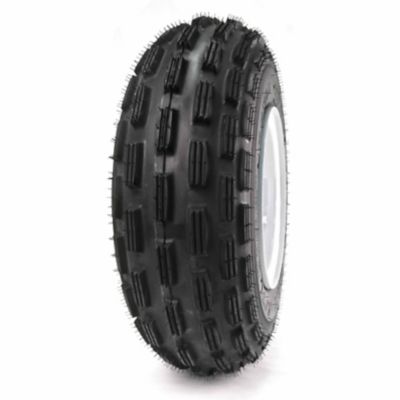
Terrain is another big part of the decision. For hard-pack dirt, gravel, pasture lanes and mixed trail riding, look for a balanced all-terrain tread that offers dependable bite without feeling overly rough on firmer surfaces. A closely spaced tread can run more quietly and smoothly on roads and packed ground, while still providing enough edge to steer through loose dirt. Riders who regularly cross rocky ground should pay close attention to tread depth, sidewall protection and the tire’s resistance to punctures. Stronger construction can add confidence around sharp stone and broken ground, although it may also add weight and give the ride a firmer feel. Mud-focused tread patterns use larger, more open lugs to clear wet soil and maintain traction, but those same gaps can feel less settled on pavement or hard-packed trails. Sand, snow and loose soil call for a tread design that spreads the vehicle’s weight and avoids digging too aggressively. No single radial tire is perfect for every surface, so think about the ground you cover most often rather than choosing only by appearance. Six-ply and eight-ply ratings are common considerations for ATV and UTV tires, with higher ply ratings generally offering a heavier-duty casing and added support for demanding work. Ply rating is not the only measure of strength, though; tread design, sidewall construction, load index and the manufacturer’s recommended pressure all matter. A deeper tread may last well for high-mileage trail use, while a sturdy sidewall can be more valuable for rocky trails or loaded utility work. If your machine sees frequent road travel, choose a tire designed to handle pavement rather than running an aggressive mud pattern that may wear quickly or produce a noisy ride. For more information on choosing compatible equipment and accessories, visit
Universal ATV.
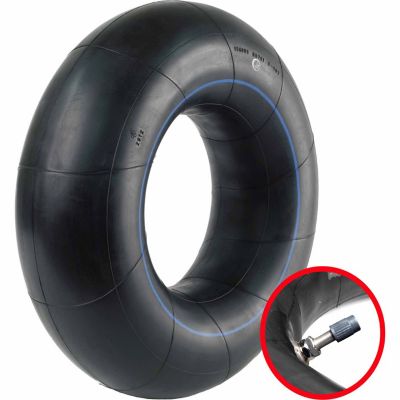
Before mounting a new set, inspect the wheels for bends, cracks, damaged valve stems or packed debris, and make sure the tire’s directional arrows are facing the correct way when applicable. Mounting tires with the proper tools is important because ATV and UTV wheels can be damaged by careless installation, and a tire bead that is not fully seated can create a serious safety concern. After installation, set the pressure according to the vehicle and tire recommendations, not simply the maximum pressure molded into the sidewall. Pressure that is too high can reduce the contact patch and make the machine skip across rough ground, while pressure that is too low can increase heat, sidewall flex and the chance of bead or rim damage. Check pressure when the tires are cold, then inspect them before each ride for cuts, nails, stones wedged in the tread or uneven wear. Rotate tires when the vehicle maker recommends it, especially on machines used on gravel or pavement, and keep an eye out for cupping, excessive wear on one edge or changes in steering feel. Radial construction can help promote longer, more even tread life, but alignment, suspension condition, cargo weight, driving habits and tire pressure still make a noticeable difference. During the cooler months, keep in mind that pressure can drop as temperatures fall, while wet leaves, frost, mud and changing trail conditions can reduce traction even when the tread looks healthy. Store spare tires out of direct sunlight and away from chemicals, fuels and electric motors that produce ozone. A quality set of radial ATV or UTV tires can be a practical gift for a trail rider, outdoorsman, farm family or anyone who relies on a utility vehicle to get work done beyond the driveway. The best choice will match the machine, the load and the ground under its wheels, helping every ride feel more controlled from the first gravel turn to the last trip back to the shed.