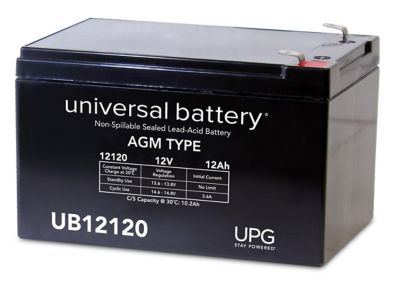
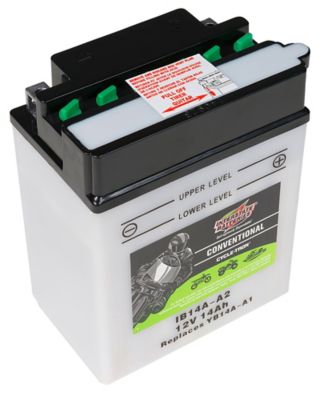
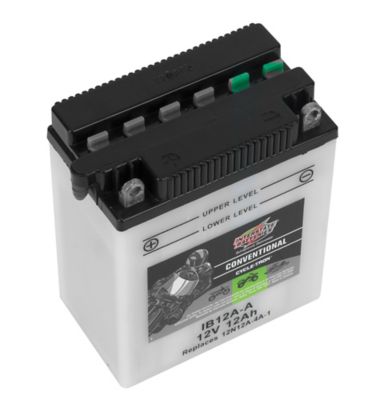
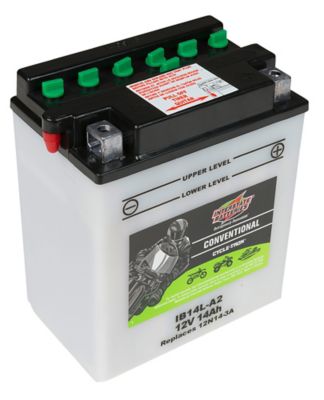
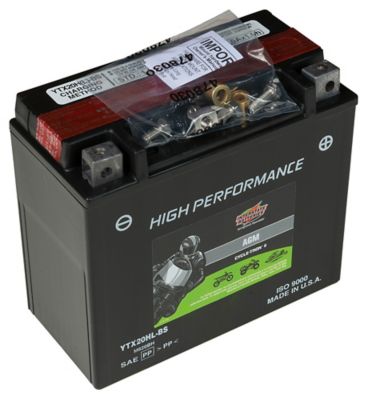
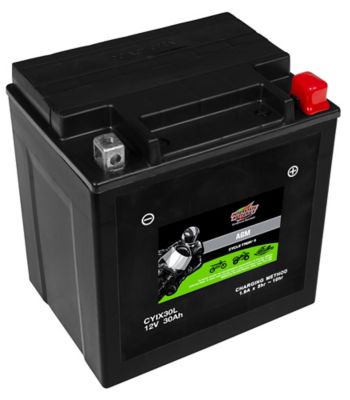
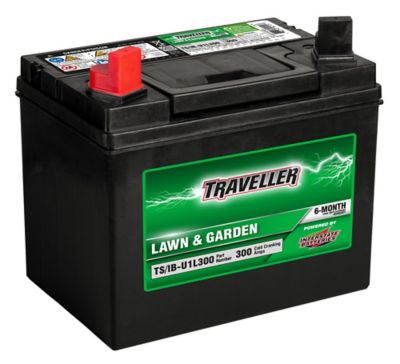
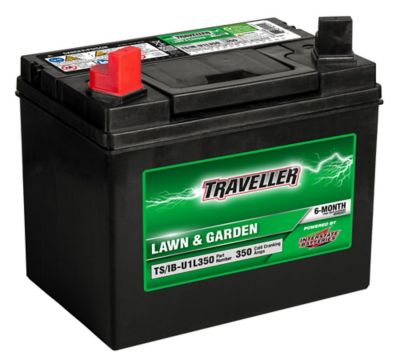
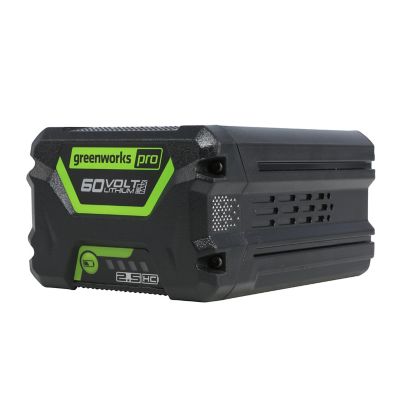
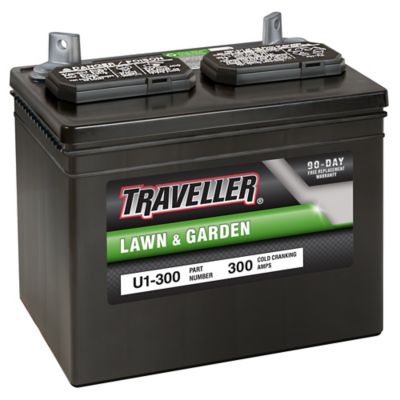
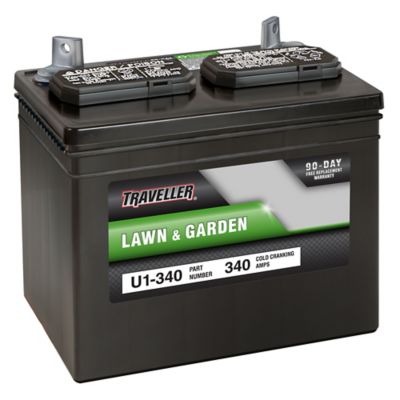
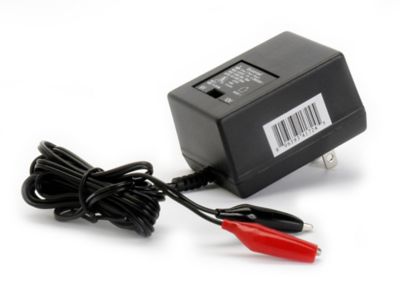
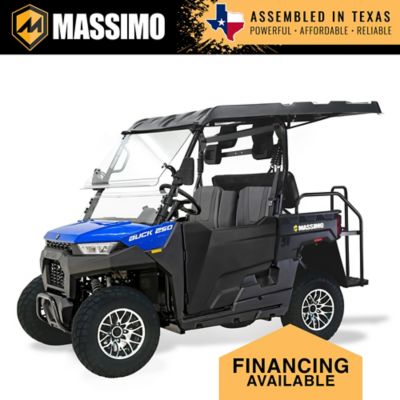
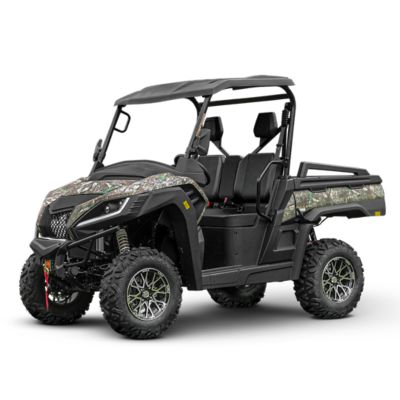
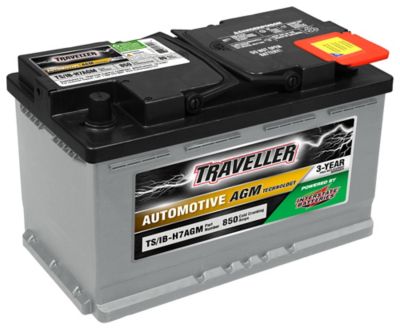
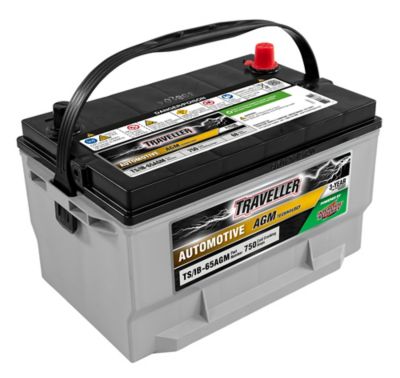
A dependable 12V ATV battery is the quiet workhorse behind a four-wheeler’s everyday jobs. It supplies the power needed to crank the engine, run lights, operate a winch, and support other electrical accessories while you are checking a fence line, hauling feed, working around the property, or riding a wooded trail. Most modern ATVs and many UTVs use a 12-volt battery, but the right replacement still depends on more than voltage alone. Before choosing from the options on this page, check your ATV’s owner’s manual or the label on the battery already installed. Pay close attention to the battery group size, overall length, width and height, terminal style, terminal location, and cable connection points. A battery can have the correct voltage and still be the wrong fit if it will not sit securely in the tray or if the positive and negative posts are reversed. The cables should reach without being stretched, twisted, or forced into an awkward position. Proper fit helps protect the battery from vibration, which matters when a machine is bouncing over gravel, pasture ruts, creek crossings, or packed dirt. Cold cranking amps, often listed as CCA, are another useful specification. CCA indicates how well a battery can deliver starting power in cold conditions, when engine oil thickens and an ATV may be slower to turn over. More CCA can be especially helpful for older engines, high-compression engines, machines used during the cooler months, or equipment that lives outdoors. At the same time, the highest number is not automatically the best choice; the battery should match the manufacturer’s recommended specifications and fit the vehicle correctly.
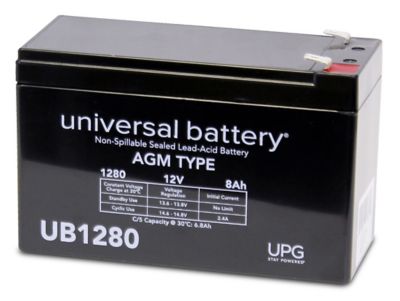
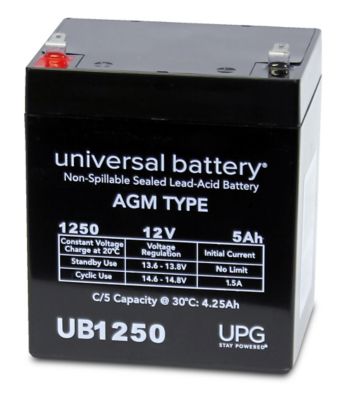
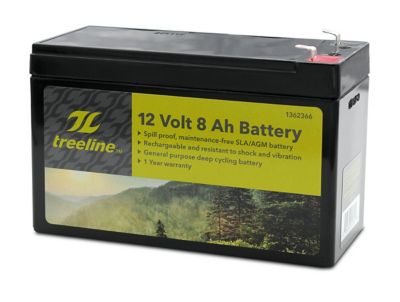
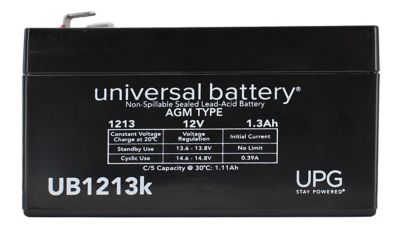
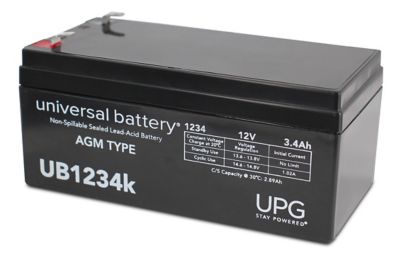
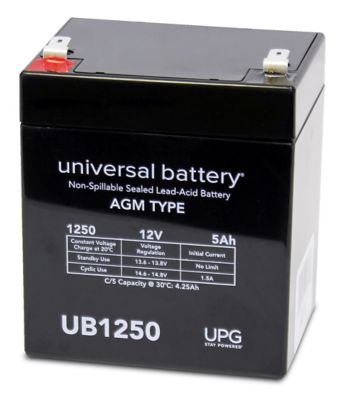
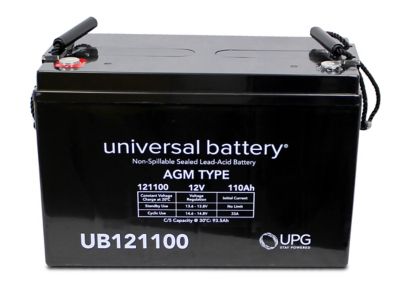
The battery type can make a difference in maintenance, handling, and storage. AGM, or Absorbent Glass Mat, batteries hold the electrolyte in fiberglass mats inside a sealed case. They are generally spill-resistant, require no routine water filling, and handle the bumps and vibration common to off-road machines. That makes a
12V AGM Batteries option a practical choice for riders who want straightforward installation and less upkeep between uses. Conventional lead-acid batteries may require more attention, including filling with an acid pack when new and checking fluid levels as directed. They can be a sensible fit when a vehicle calls for that battery style, but they should be handled carefully and maintained according to the instructions. Lithium iron phosphate, commonly called LiFePO4, batteries are known for low weight and strong starting performance, although they may cost more and can have different charging and storage requirements. Whichever style you choose, use a charger made for that battery chemistry and follow the recommended charging rate. Do not use a damaged, swollen, leaking, or cracked battery, and keep sparks and open flames away from charging areas. Wear eye protection and gloves when working around batteries, make sure the ignition is off before disconnecting cables, and remove the negative cable first when taking out a battery. When installing a replacement, connect the positive cable first and the negative cable second, then confirm that the connections are clean and tight. A small amount of corrosion around a terminal can create enough resistance to cause slow cranking or intermittent electrical problems, so inspect the posts and cable ends whenever the battery is serviced.
These 12V ATV batteries can be useful for a wide range of people, from ranchers and landowners to hunters, trail riders, outdoor workers, and families who keep a four-wheeler for chores and recreation. A fresh battery can help get a rarely used ATV ready for clearing storm debris, checking livestock, moving tools, or reaching a remote corner of the property when the weather turns cool. It can also be a thoughtful gift for someone who depends on an ATV but tends to put off routine maintenance until the machine will not start. A battery is especially practical for a new rider, a family member with a recently purchased used ATV, or anyone preparing a vehicle for longer storage. Before storing the machine, clean the battery terminals, fully charge the battery with the proper charger, and follow the vehicle and battery maker’s guidance for disconnecting or maintaining it. Keeping the ATV covered in a dry, protected area helps, but extreme temperatures and long periods of inactivity can still reduce battery performance. A maintainer may help preserve charge during storage when it is approved for the battery type. For machines used regularly, pay attention to warning signs such as a starter that turns slowly, dimming lights, repeated clicking, or a battery that loses its charge after sitting for a short time. These symptoms can point to a worn battery, a charging-system issue, loose connections, or an accessory drawing power, so checking the complete electrical system is wise before replacing parts. Selecting the right 12V ATV battery by fit, terminal layout, CCA, battery chemistry, and maintenance needs helps keep a dependable machine ready for the chores and adventures that come with life outdoors.