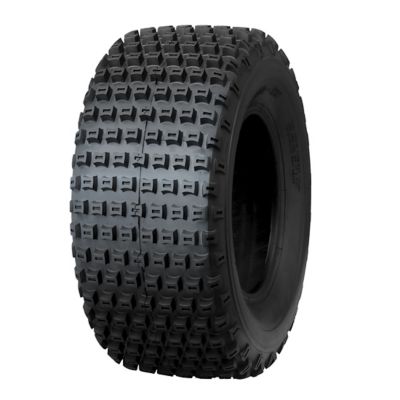
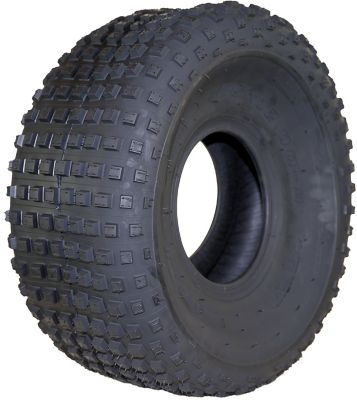
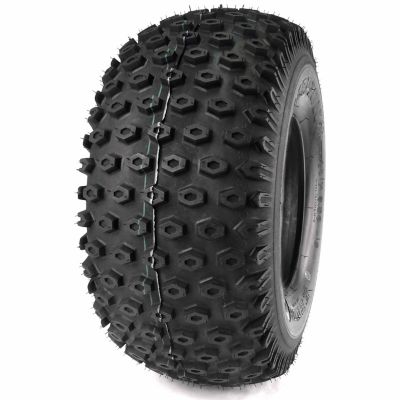
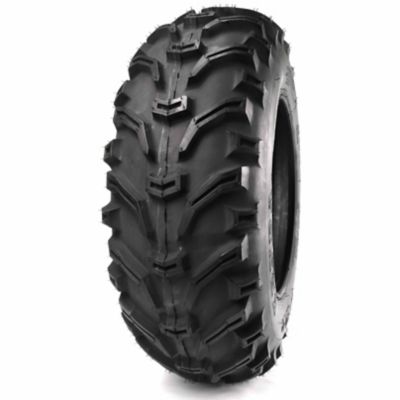
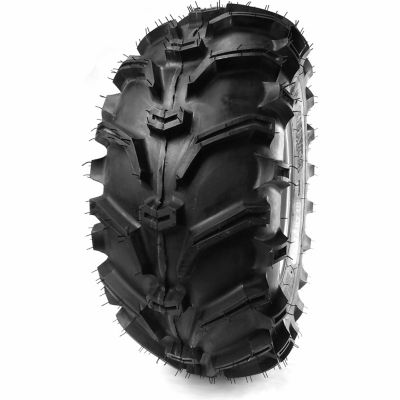
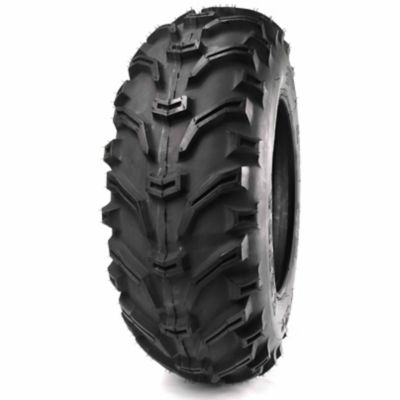
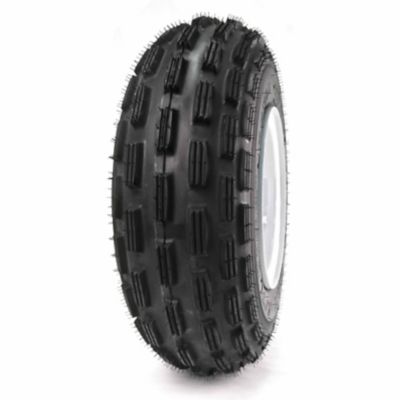
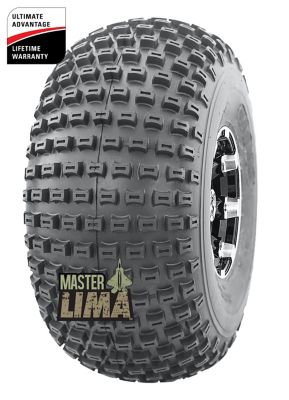
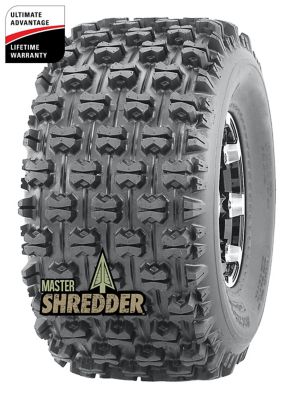
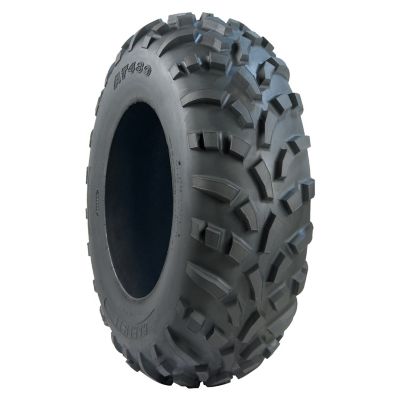
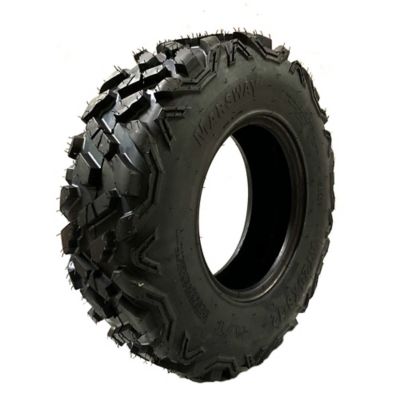
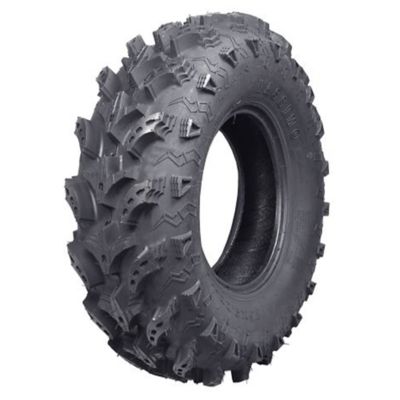
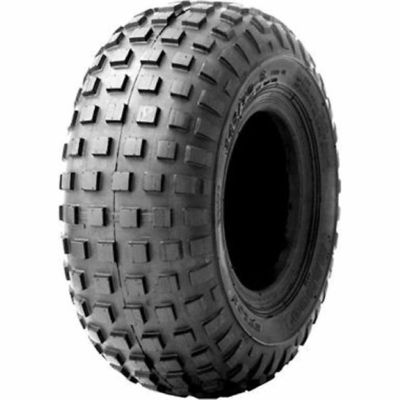
Knobby ATV tires put rows of raised rubber lugs between an ATV and the ground, giving the tread edges something to bite into on dirt, gravel, and loose trails. The spaces between those knobs let material move out of the tread as the tire turns, helping preserve traction instead of letting the tread pack solid. That makes this tire style a practical fit for plenty of off-road jobs and rides, from following a fence line across the back acreage to heading down a wooded trail. Not every knobby tread behaves the same, though. Closely spaced knobs generally place more rubber against firm ground, while a more open pattern leaves room for loose soil and mud to clear. Lug height, shape, spacing, and placement all affect how a tire pulls, turns, and feels beneath the machine. Shoulder lugs can add bite when steering through ruts or crossing uneven ground, while the center tread carries much of the straight-ahead contact. A rounded tread profile may ease the transition into a turn, but steering feel also depends on tire dimensions, pressure, and the ATV itself. For a property owner hauling fencing supplies in an approved rack or pulling a trailer within the machine’s limits, traction needs can look different from those of a rider covering miles of packed trail. A deeply lugged tire is not automatically the better choice for either job; taller, widely spaced knobs can feel less settled on firm surfaces and may disturb lawns more than a shallower pattern. General-purpose knobby ATV tires offer a middle ground for varied off-road terrain, while repeated travel through deep mud calls for closer attention to tread design. The
ATV & UTV Tires For Mud page offers a related category for shoppers whose routes regularly include muddy ruts and soft ground. Loose sand presents another traction challenge, so a general knobby pattern should not be mistaken for a dedicated sand tire.
The right fit involves more than finding a tread that looks ready for the trail. ATV tire sizing identifies the tire’s overall diameter, section width, and required wheel diameter, and all three measurements matter when matching a replacement to the machine. The owner’s manual and manufacturer specifications provide the starting point, including any differences between front and rear sizes. A tire must also suit the wheel’s approved width range, and its load capacity and speed rating need to meet the application. On an ATV that carries tools, feed, or other supplies, the load calculation includes the machine, rider, cargo, and any applicable trailer tongue weight—not just what sits on the racks. Larger tires can change ground clearance, steering effort, effective gearing, and clearance around fenders or suspension parts. Those changes can affect handling and place additional demands on drivetrain components, which is why staying within the vehicle manufacturer’s fitment recommendations matters. Clearance has to accommodate steering movement and suspension travel, not simply the space visible while the ATV is parked. Construction deserves the same attention as size. Beneath the rubber tread, reinforcing cords help the casing hold its shape and carry its load; materials may include nylon, polyester, or other reinforcements, depending on the tire. Bias-ply and radial construction arrange those cords differently, affecting sidewall behavior, ride feel, and how the tread meets the ground. Neither construction is the best answer for every machine or every route. Ply ratings describe a tire’s strength category rather than necessarily stating its actual number of cord layers, and a higher rating does not guarantee freedom from punctures. Sidewall design, tread compound, terrain, and inflation all play a part in wear and damage resistance. Tubeless labeling also matters: the tire and wheel must be compatible, with a sound bead seat and valve. Directional tread patterns require the proper rotation orientation, while non-directional patterns still need the correct wheel position and fitment. Matching front and rear tire specifications to the ATV manufacturer’s requirements is especially important on four-wheel-drive machines, where rolling circumference differences can affect drivetrain operation.
Day-to-day care helps knobby tires keep doing their job without turning a routine trip across the property into an unexpected stop. Inflation deserves particular attention because ATV tires often operate at pressures lower than passenger-vehicle tires, and a gauge made for that lower range makes small differences easier to read. The vehicle manufacturer’s recommended pressure is the reference point; a maximum figure on a tire sidewall is not automatically the correct operating pressure. Too little air can increase sidewall flex, change steering response, and raise the chance of rim damage or the tire separating from the wheel. Too much can alter the contact patch and make the ride harsher. A quick look across the tread and sidewalls can reveal embedded debris, cuts, cracking, bulges, or missing chunks of rubber before the next outing. Wear that favors one side or develops unevenly may point to inflation, alignment, suspension, or operating issues rather than a tread problem alone. Around a farm or acreage, wire scraps, sharp stubble, and broken rock can challenge any tire, so puncture resistance should never be treated as puncture protection. Cleaning away packed soil makes damage easier to spot, and storage away from direct sunlight, petroleum spills, and ozone-producing equipment helps protect the rubber. Tread choice also affects the ground beneath the ATV: a tight turn with aggressive knobs can tear up grass even when the tires have plenty of traction. On established trails, a pattern matched to the surface can provide the needed bite without unnecessary digging. Knobby ATV tires belong on compatible off-road machines, and their tread does not make an ATV suitable for public-road travel. For work around the place or a recreational ride, the strongest match comes from balancing fit, load requirements, terrain, and handling—not simply choosing the tallest knobs. That balance helps the machine stay suited to the chores and trails ahead.