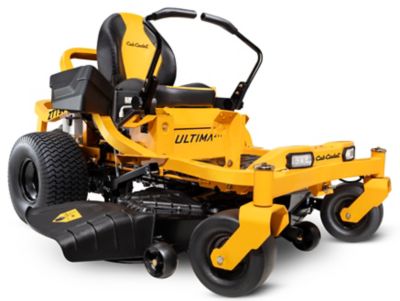
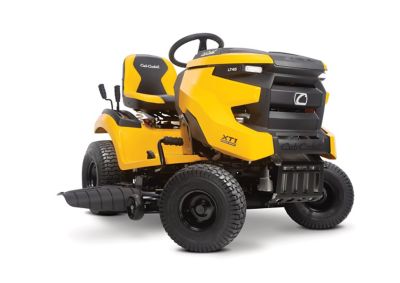
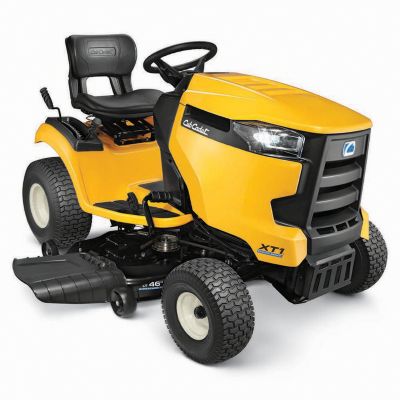
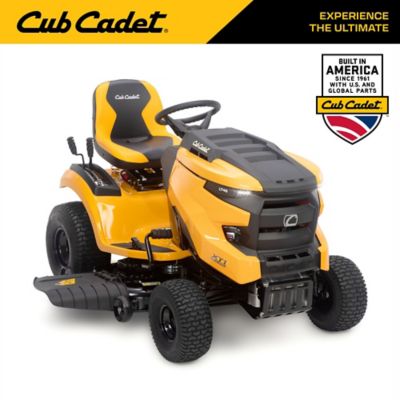
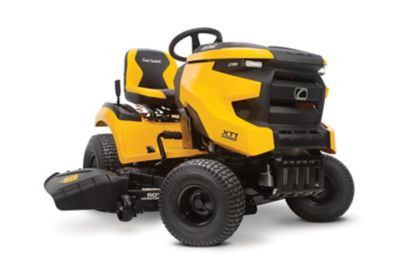
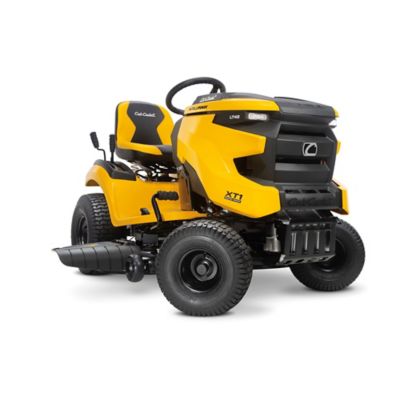
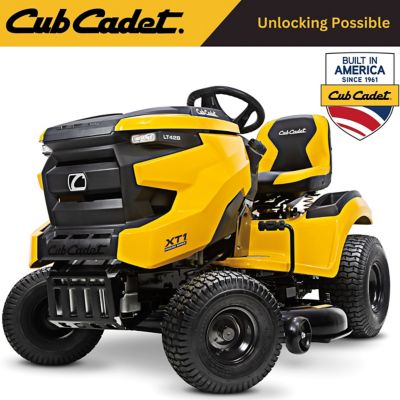
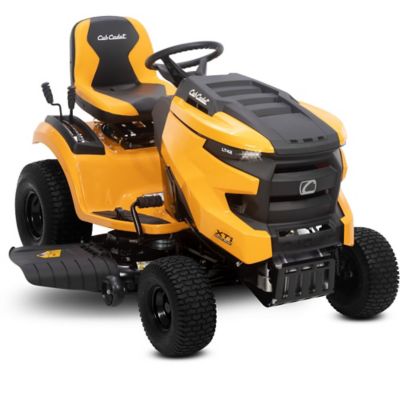
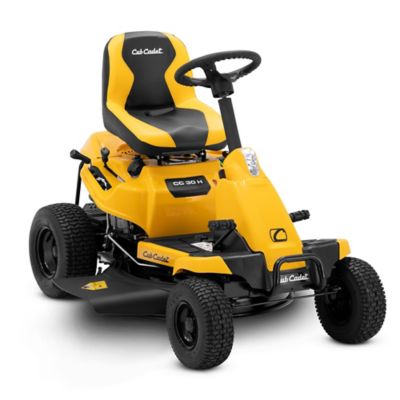
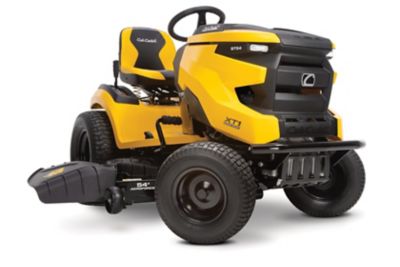
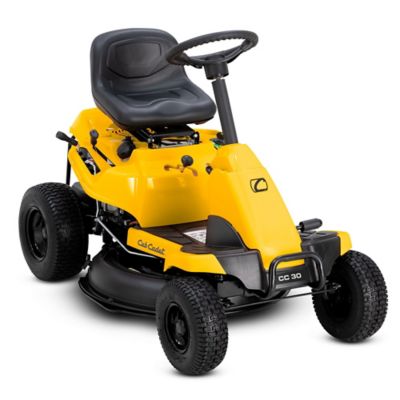
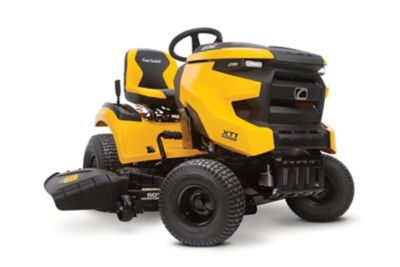
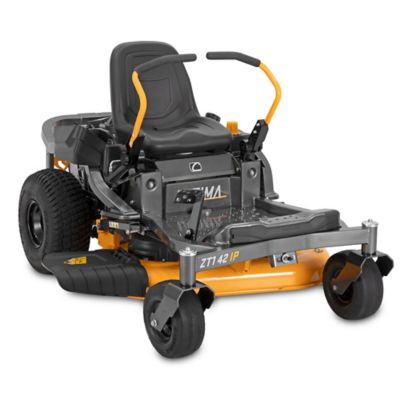
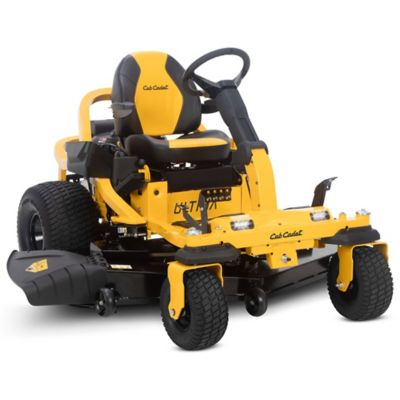
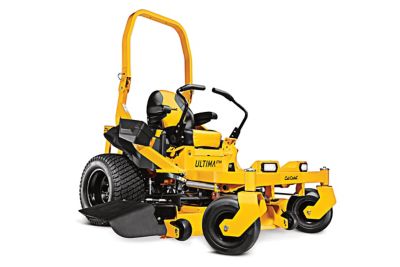
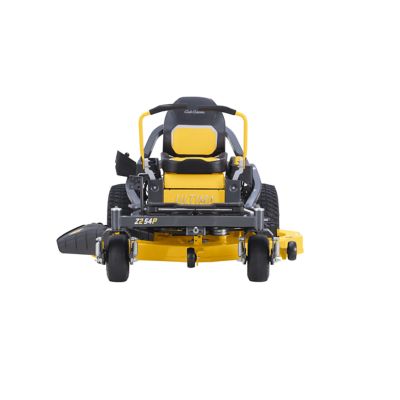
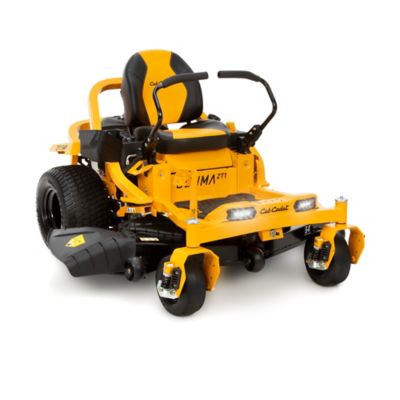
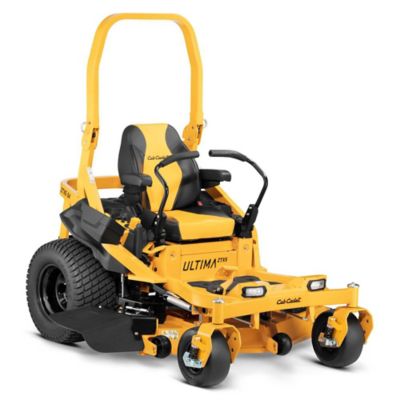
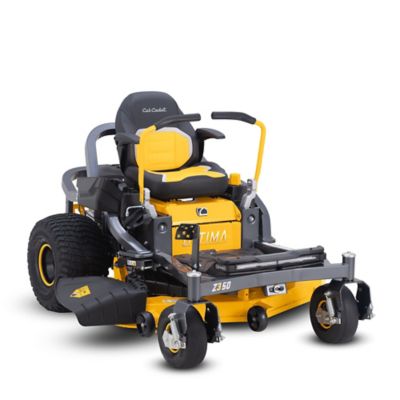
Riding lawn mowers make regular grass cutting more manageable when a property has more ground than a walk-behind mower comfortably covers. They suit homeowners with roomy yards, folks keeping the grass tidy around a farmhouse, and anyone maintaining open lawn between a driveway, outbuildings, and fence lines. The main types include compact rear-engine riders, lawn tractors, and zero-turn mowers, with each layout offering a different balance of cutting width, maneuverability, and operating feel. Compact riders with decks around 30 inches can be a practical fit for smaller properties, including some yards up to about an acre, where narrow passages matter as much as cutting speed. Lawn tractors commonly have wider decks, including widths around 42 to 50 inches, and combine a familiar steering wheel with the potential for compatible lawn attachments. Zero-turn mowers are built around tight turning and can shorten the amount of backing and repositioning needed around trees and planting beds. Some have lap-bar controls, while others have steering-wheel controls; the operating layout depends on the machine. Decks wider than 50 inches can cover open ground in fewer passes, but a wider cut is not automatically the best fit for every yard. A broad stretch behind the house is one thing; a narrow route between a shed and a fence is another. Gate openings, storage space, and the distance between obstacles all affect how comfortably a mower fits the property. Cutting width also differs from overall machine width, especially with a discharge chute extended, so both measurements deserve attention. Acreage gives a useful starting point, but the shape of the lawn often tells more of the story. A mostly open lot may favor a wider deck, while a smaller yard with several tight corners may benefit from a compact frame. Matching the mower to those everyday routes helps keep mowing from turning into a string of awkward turns, missed strips, and extra cleanup with a trimmer.
Comfort and control matter just as much as deck size when mowing takes more than a quick trip around the house. An adjustable seat, comfortable steering position, and controls within easy reach help the operator settle in without stretching for a pedal or leaning forward through every turn. The fit should allow room for work boots and a clear view of the path ahead, with an easy way to get on and off while the mower is parked. Hydrostatic transmissions provide variable travel speed without shifting through fixed gears, often through foot pedals or a hand lever. That can be handy when slowing beside a flower bed, easing around a tree, or changing direction near a barn. Gear-driven systems offer a different operating feel, and their shifting procedures depend on the mower. Engine power, deck design, travel speed, and grass thickness work together, so horsepower alone does not tell the whole story. A mower needs enough capacity for its cutting deck and intended tasks, but taller or thicker grass may still call for a slower pass. Adjustable cutting heights let the operator match the cut to the lawn rather than taking too much grass off at once. Deck construction may include stamped steel or fabricated steel, depending on the design, with deck shape, reinforcement, and upkeep all contributing to service life. Tires, frame construction, and ground clearance also deserve a look, especially where a lawn includes shallow ruts or uneven patches. Wider tires may spread the machine’s weight over more ground, but they do not make every slope suitable for mowing. Hills require close attention to the manufacturer’s operating limits and direction-of-travel instructions, which can differ between mower types. Tight-turning ability is not a substitute for slope capability. A property with drainage banks, pond edges, or sharp drop-offs needs a mowing plan that keeps the riding mower away from those hazards, with another tool handling areas beyond its safe operating range.
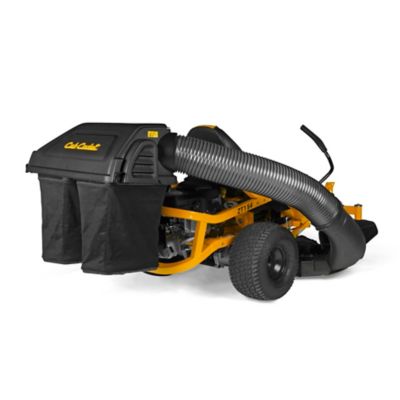
The right grass-handling setup depends on what happens after each pass. Side discharge returns clippings to the lawn, while a compatible mulching setup cuts them into smaller pieces and directs them back into the turf. A bagging attachment collects clippings for removal and can help keep paths and gathering spots tidier. Each option depends on mower compatibility, and attachments may require additional parts rather than fitting every deck straight out of the box. Some lawn tractors can also pull an approved utility cart or other lawn equipment, making them useful for light chores beyond mowing. Hitch compatibility, towing limits, and attachment requirements matter more than simply having a place to connect a cart. For another related category to compare, the
Yard Machines Riding Mower page provides a place to browse riding mower options. Whichever style fits the property, routine care helps keep the machine ready for the next round of chores. Grass packed beneath the deck can interfere with clipping flow, and a dull or damaged blade can leave ragged grass tips instead of a clean cut. Cleaning and blade service belong on the maintenance schedule, with the engine off and the mower secured according to its manual before any work begins. Engine oil, air filters, belts, tire pressure, and battery connections also need regular attention at the intervals specified by the manufacturer. Fuel type and storage practices should follow the engine instructions, and indoor storage needs enough room to park without crowding the chute or controls. Service access is worth considering, too: reachable filters, clear maintenance points, and room around the deck can make routine upkeep less of a chore. Before mowing, clearing sticks, stones, wire, and stray toys from the grass helps protect people, property, and the cutting equipment. With a sensible match between machine size, yard layout, operator fit, and attachment needs, a riding mower can become a practical part of keeping the home place in order.