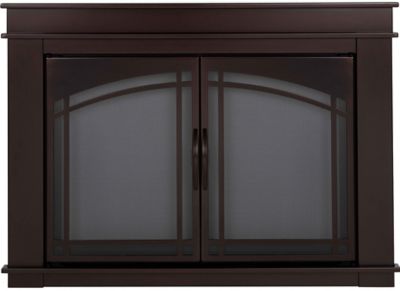
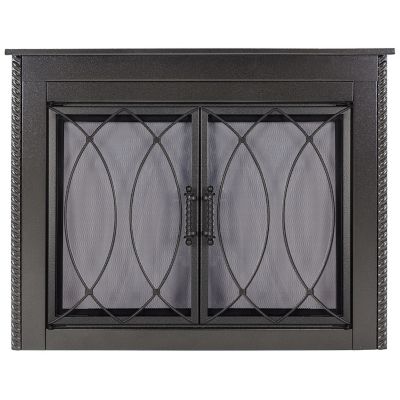
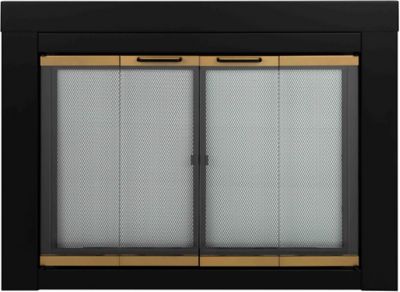
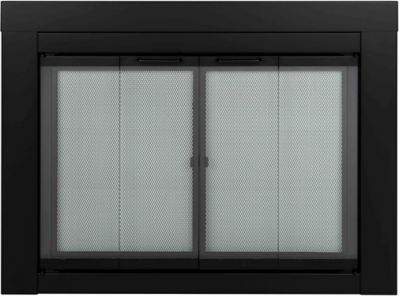
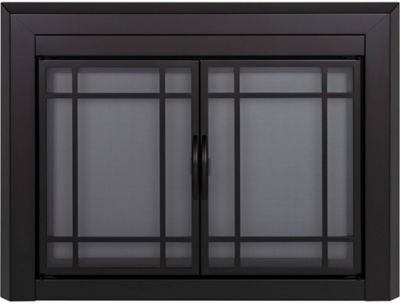
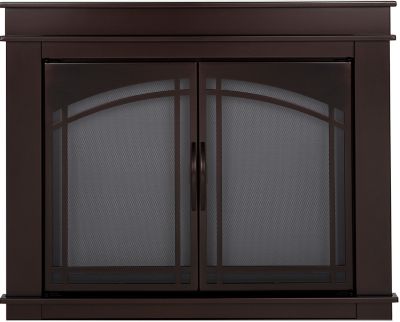
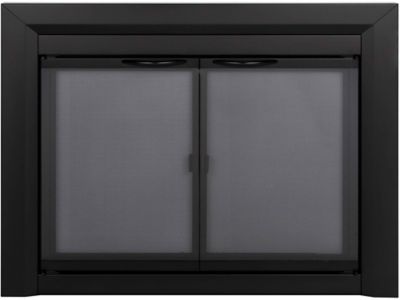
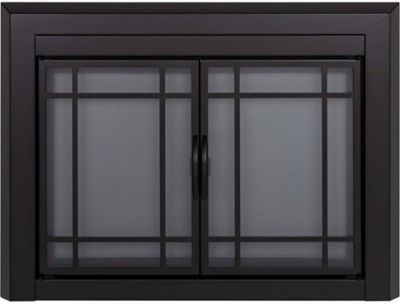
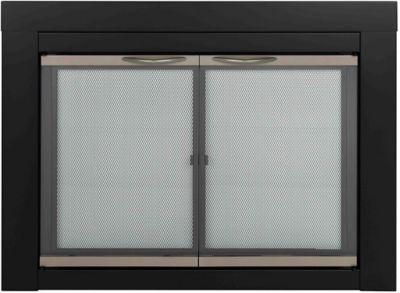
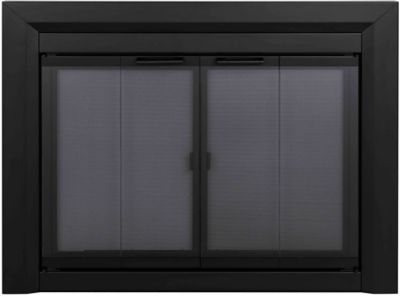
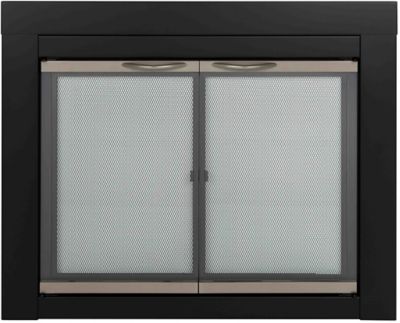
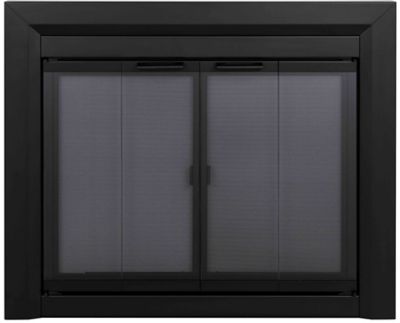
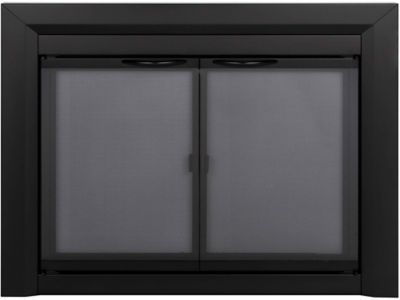
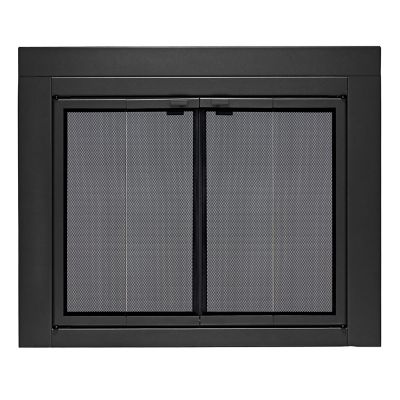
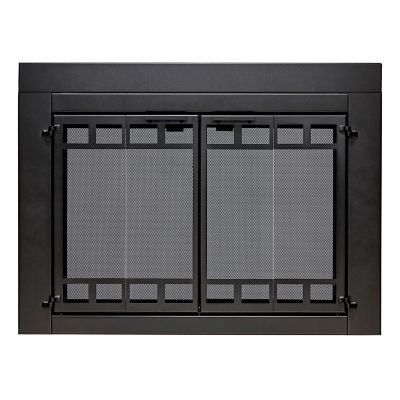
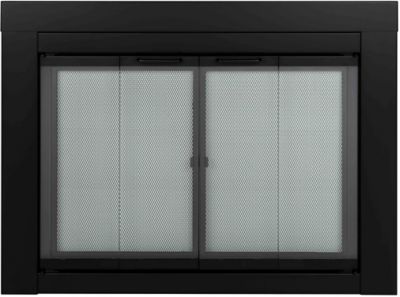
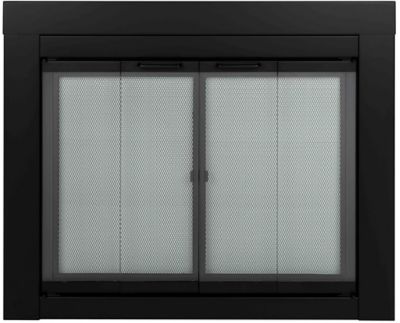
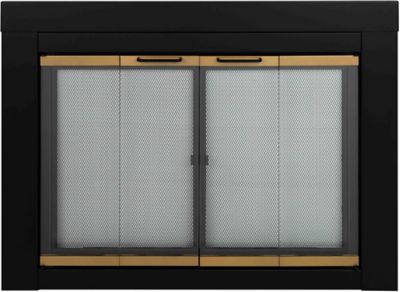
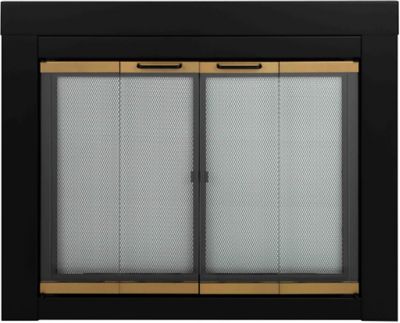
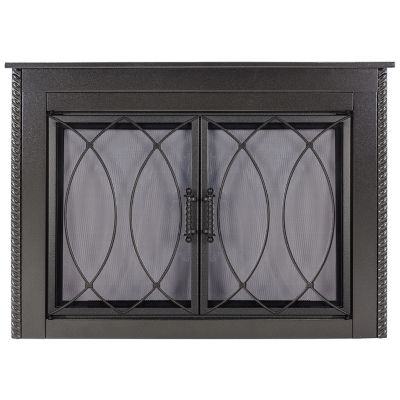
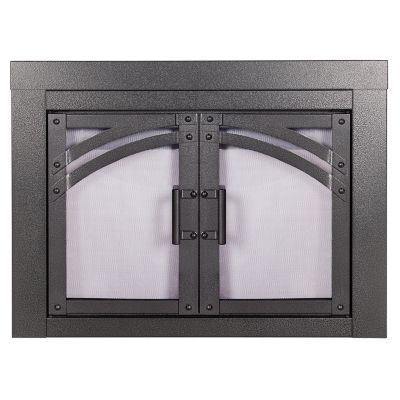
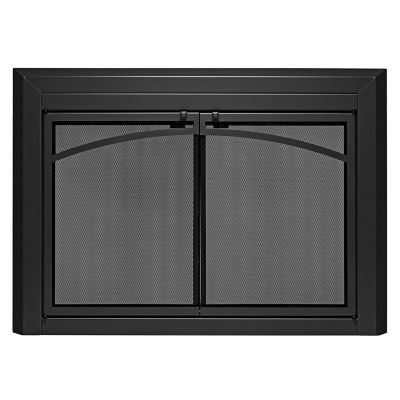
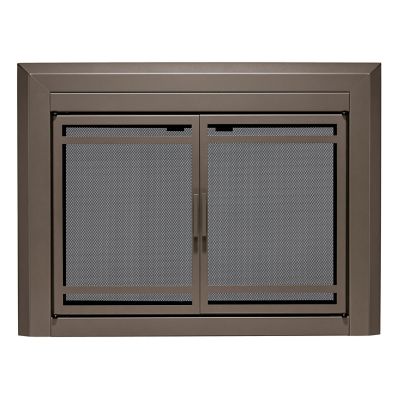
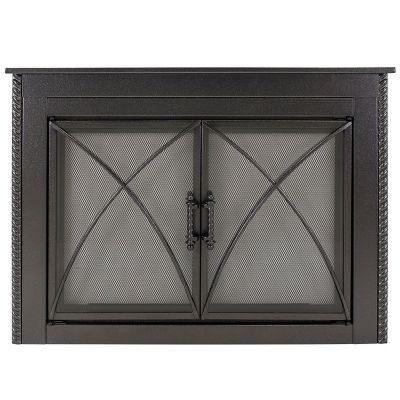
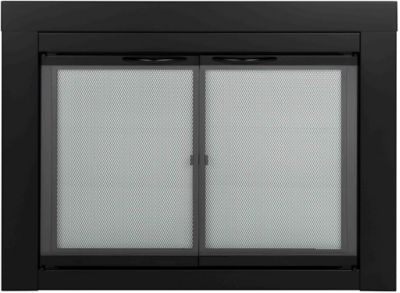
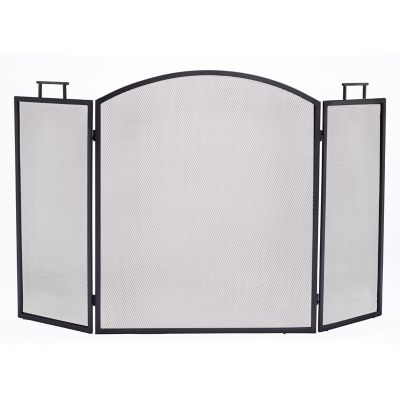
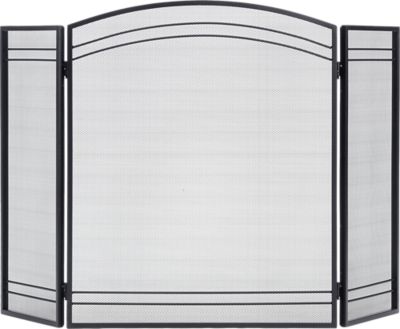
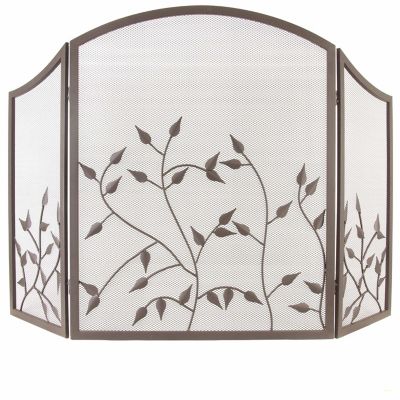
Tempered glass fireplace doors give a compatible hearth a framed front while keeping the firebox in view. They’re a practical addition to many open masonry fireplaces, where the door assembly sits across the opening rather than turning the fireplace into a sealed heating appliance. The glass goes through a heat-treatment process that makes it stronger than ordinary glass and changes how it breaks, but it still has limits around direct flame, concentrated heat, and sudden temperature changes. Tempered glass is not interchangeable with the ceramic viewing glass found in many wood stoves and fireplace inserts. That distinction matters more than appearance: an open fireplace, a sealed insert, and a direct-vent gas fireplace have different operating requirements. Factory-built fireplaces need doors specifically approved for that fireplace, while sealed gas units need the exact glass assembly specified by their manufacturer. General-purpose masonry fireplace doors are not replacements for either. For an open wood-burning fireplace fitted with tempered glass doors, the doors generally stay fully open while a fire burns and while coals remain hot, unless the fireplace and door manufacturers explicitly approve another operating position. A compatible mesh spark screen can stay closed across the opening to help contain popping sparks and embers without trapping heat behind the glass. Closing tempered glass doors over an active fire can expose the panels to excessive heat and cause breakage. There is no single temperature limit that applies to every door assembly; the glass, frame, mounting system, and fireplace all affect the approved use. Manufacturer instructions are the right reference for heat limits and door position, not a general temperature claim about tempered glass. Once the fire and embers are fully out and the fireplace has cooled, closed doors can help limit room air moving through an idle fireplace, depending on the assembly and chimney conditions. They do not replace the damper or make an open hearth airtight. For folks updating a farmhouse living room, cabin hearth, or brick fireplace in a family room, the best match starts with the fireplace type and its operating requirements.
Fit has a big say in how tempered glass fireplace doors look and function. Fireplace openings can vary in width, height, depth, and squareness, especially where brick joints, stone edges, or an older hearth create an uneven surface. Door assemblies may fit inside the opening or overlap its face, so the stated size needs to match the installation style rather than just the visible glass area. The mounting range, frame overlap, bottom support, and clearance above the opening all matter. A raised hearth can present a different fit than a fireplace opening that sits flush with the floor, and a projecting lintel or rough stone surround may affect where the frame rests. These details help determine whether an assembly can sit securely without interfering with the firebox or airflow passages. Steel frames are common, while aluminum frames appear in some designs; the appropriate construction depends on the fireplace application and the door manufacturer’s specifications. Frame finishes also change the overall look. A dark finish can blend into the opening and let the brick or stone stand out, while a lighter metal finish draws a stronger outline around the hearth. Cabinet-style doors swing outward on side hinges, making clearance in front of and beside the fireplace important. Bifold doors fold into smaller sections, which can suit a hearth where broad swinging panels would get in the way. Either arrangement needs enough room to reach its approved open position without contacting nearby furniture, a mantel support, or a wall. Handles, hinges, panel alignment, and screen access affect everyday operation, particularly when gloves are part of tending the fire. Clear glass keeps the firebox visible when the doors are closed, while tinted glass changes its appearance; neither option changes the need to follow operating limits. For a fireplace that sees regular activity, smooth-moving hardware and a properly supported frame matter just as much as the finish.
Care is mostly about keeping the glass clear, the hardware moving freely, and the installation in good shape. Ash, soot, and fingerprints can collect on the panels, especially around handles and lower edges. Cleaning belongs on completely cool glass, with a cleaner approved for that glass and finish and a soft cloth that will not scratch the surface. Abrasive pads, scraping tools, and spraying liquid onto hot panels can damage the glass or expose it to a sudden temperature change. Frame finishes may need a different cleaning approach than the panels, so one cleaner is not automatically suitable for the whole assembly. Edges deserve attention, too: chips, cracks, loose hardware, or panels that bind are reasons to stop operating the doors until the problem is assessed. Tightening a frame or adjusting a hinge should not put pressure on the glass or force a panel out of alignment. Mesh screens also need to move freely and close as intended, since the screen and glass serve different purposes during a wood fire. In a busy household, that difference is worth keeping clear: a spark screen helps contain embers, but neither a screen nor glass doors make the hearth safe to touch. Children, pets, firewood baskets, rugs, and upholstered furniture still need appropriate separation from the fireplace. Tempered glass fireplace doors suit homeowners who want a more finished opening and a practical way to close off a compatible, cooled firebox between fires. They are not a way to convert an open fireplace into a wood stove or increase its permitted heat output. For enclosed wood-burning appliances,
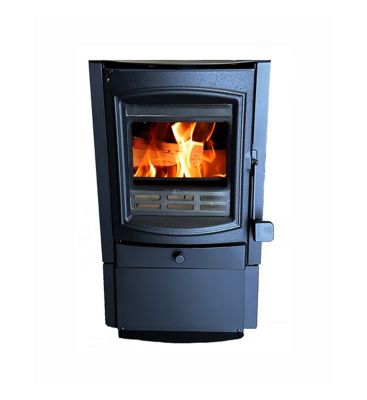
Wood Stoves With Glass Doors are a separate category, generally built around heat-resistant ceramic viewing glass and closed-door combustion. Keeping those applications separate makes it easier to choose for the hearth already in place, whether it anchors a gathering room or sits beside a well-worn chair. The right doors bring together a suitable glass type, a sound fit, easy operation, and a finish that feels at home against the surrounding masonry.