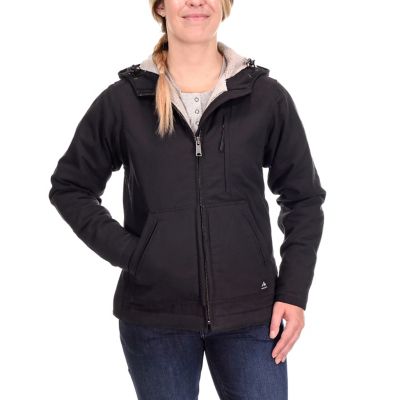
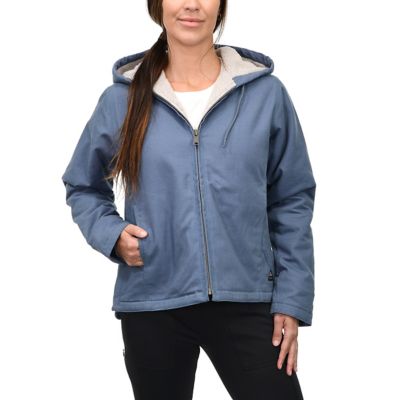
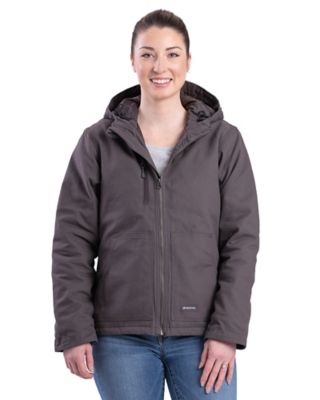
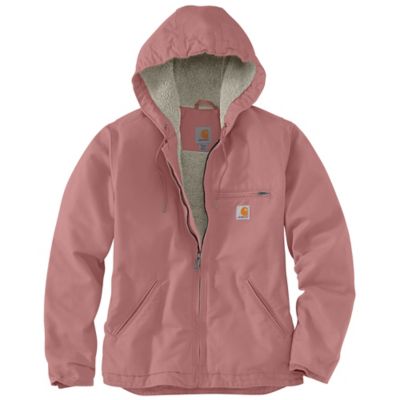
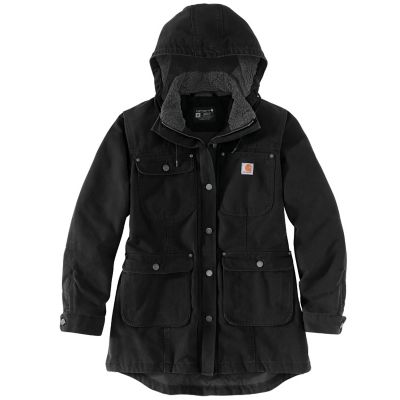
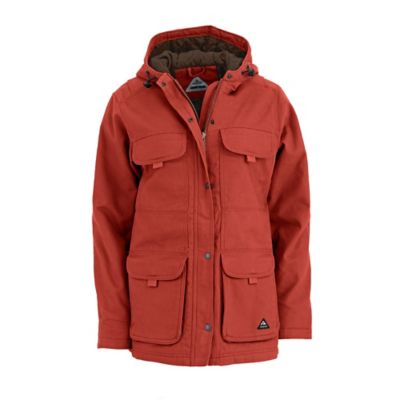
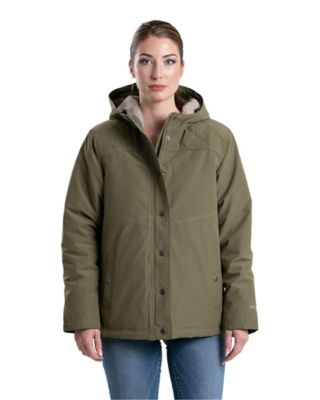
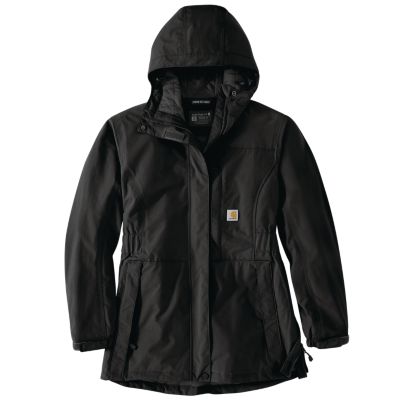
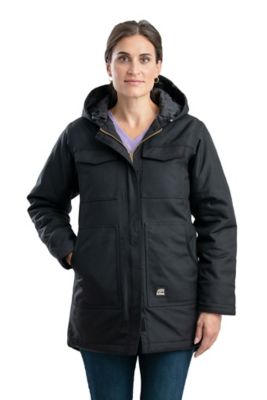
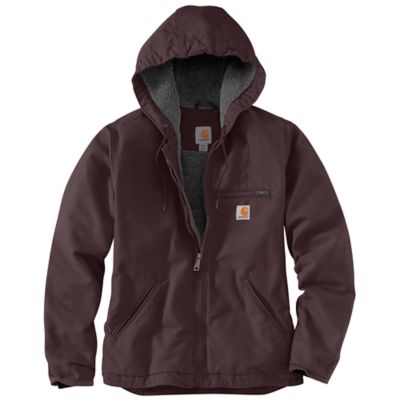
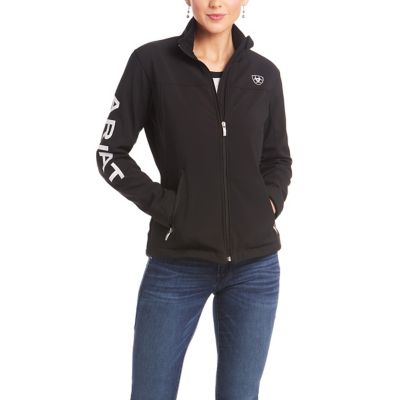
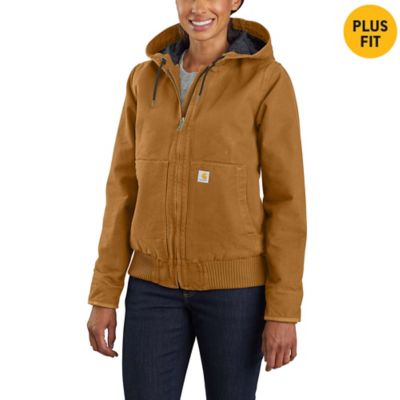
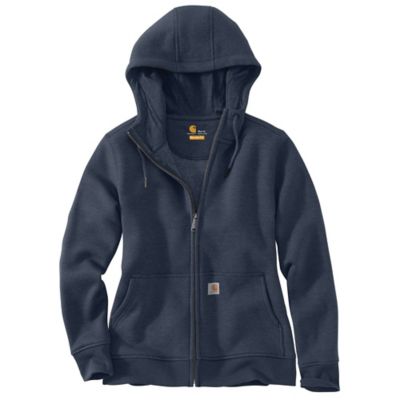
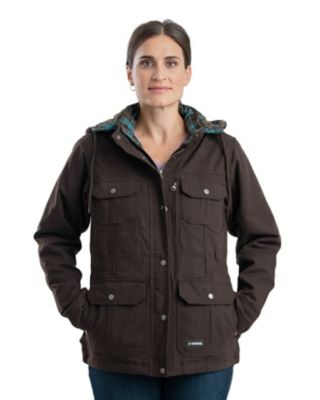
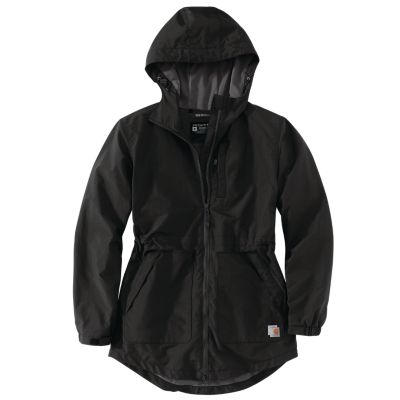
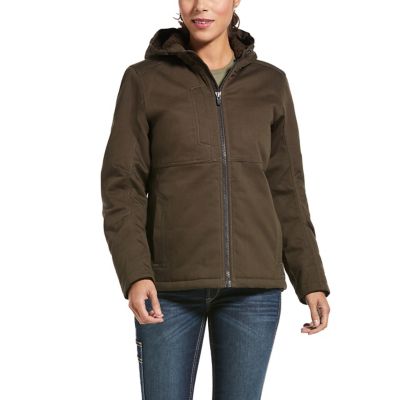
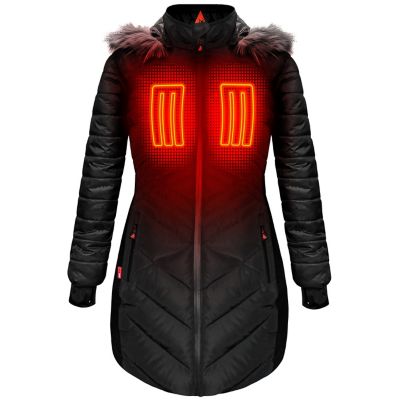
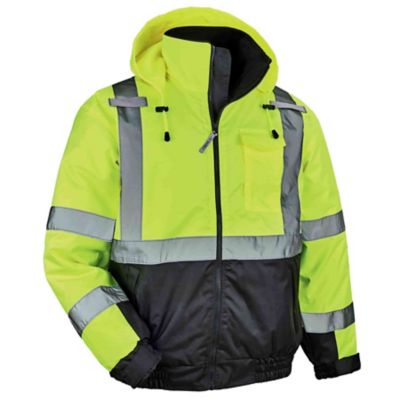
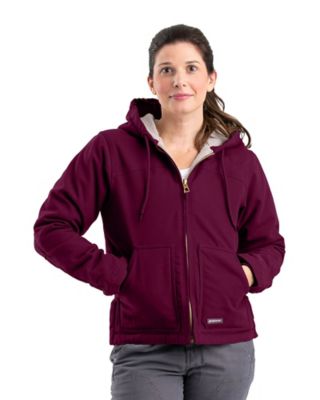
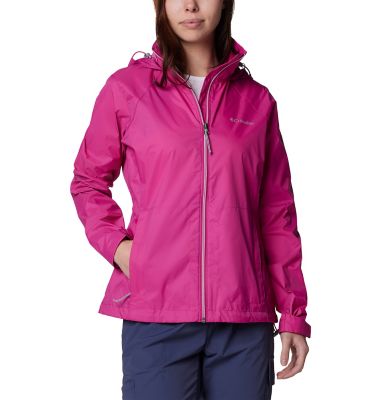
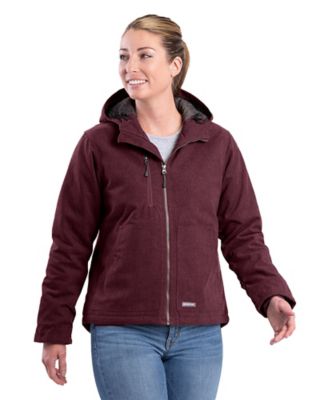
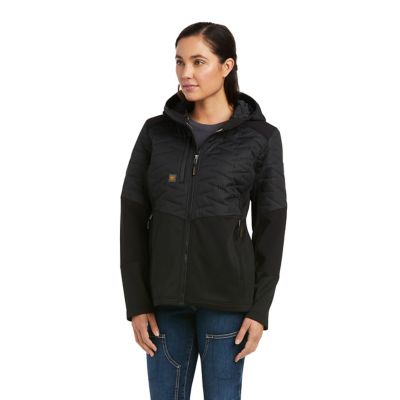
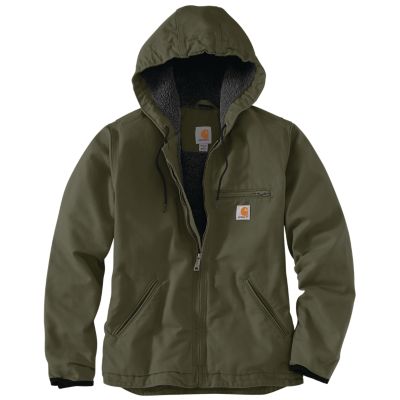
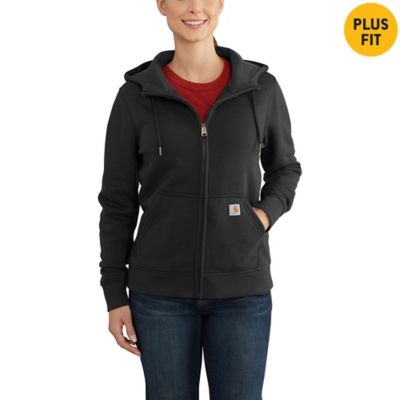
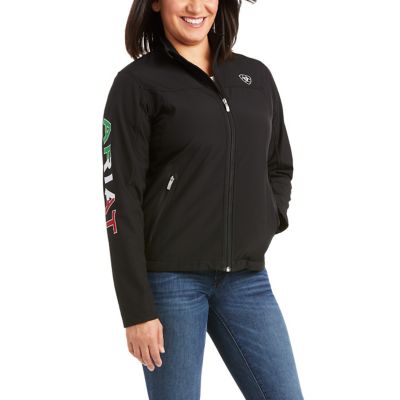
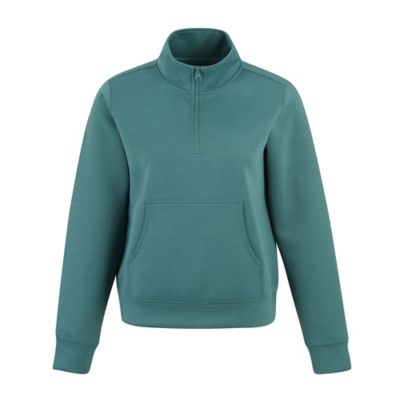
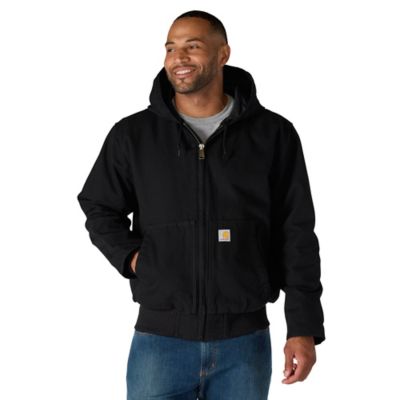
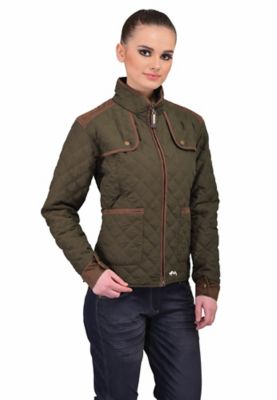
Women's winter coats and jackets with hoods bring insulation, head coverage, and protection from cold air together in one outer layer. Whether the day calls for feeding livestock before daylight, walking the fence line, or heading into town, the right coat balances warmth with room to move. Insulated puffers, fleece-lined jackets, and longer parkas suit different routines, with shell construction, fill, and coverage all affecting how a coat feels outdoors. Down insulation traps warmth in its loft and offers a light feel, though it needs protection from moisture to perform well. Synthetic insulation generally handles damp conditions better and can be a practical choice for chores that involve light snow, mist, or plenty of movement. Fleece and sherpa linings add a soft feel against the neck and head, while smooth sleeve linings help a jacket slide over sweaters without catching. Insulation alone does not tell the whole story: wind protection, the layers underneath, and how much moving around the day involves also matter. A water-resistant shell can shed light precipitation, but it is not the same as waterproof construction with sealed seams. For longer stretches in wet snow or rain, that distinction deserves attention. An adjustable hood lets the opening draw closer around the face, while enough depth leaves room for a knit cap without pulling at the collar. The hood should turn comfortably with the head and leave side vision clear when walking along a driveway or moving around livestock. Attached hoods keep coverage close at hand; removable hoods offer flexibility when a hat is enough or less fabric around the shoulders feels better. Fleece-lined hoods add comfort, and removable faux-fur trim can change the feel around the face without changing the coat's insulation. A tall collar, covered front zipper, and snug cuffs help limit drafts at the openings. Together, those details can make a noticeable difference when a gust hits between the barn and the house.
Fit matters just as much as fill when choosing a women's hooded winter jacket. A coat should leave enough space for the layers worn underneath without hanging so loosely that cold air moves freely around the body. Trying the fit over a sweatshirt or fleece gives a better sense of shoulder room than wearing only a thin shirt. Reaching forward, lifting both arms, and bending at the waist can reveal tight spots across the back, under the arms, or at the hips. Sleeves should still cover the wrists when reaching for a gate latch, and cuffs should work comfortably with gloves. Adjustable tabs and inner knit cuffs offer different ways to close that gap. Jacket length also changes how outerwear works through a full day. Hip-length styles allow easy movement and can feel less restrictive for climbing steps, getting into a truck, or carrying feed. Mid-thigh and longer coats cover more of the legs and seat, which is helpful for standing outside, walking through open areas, or watching a game from the sidelines. For that extra coverage,
Women's Long Hooded Jackets are worth a look when a shorter hem leaves too much exposed. A two-way front zipper can open from the bottom to make sitting and taking longer strides easier without opening the entire coat. Hem adjustments help manage the fit, though loose cords should stay tucked away around equipment. Pocket placement deserves a little thought, too: hand pockets should be easy to reach, and secure closures help keep keys from slipping out while bending or unloading the truck. An inside pocket can keep a phone close to the body, while a chest pocket may be easier to reach when wearing a longer coat. For a gift, a hooded winter coat makes sense for someone who spends time outside, but getting the size, preferred length, and usual layering habits right matters more than guessing from appearance alone.
Materials and construction shape how a hooded coat holds up to everyday wear, especially when winter routines include rough wood, fence hardware, and repeated trips in and out of the cab. Nylon and polyester shells are common in insulated outerwear, with tightly woven fabrics helping limit wind penetration. Canvas shells offer a more substantial feel for work around the property, though untreated cotton can absorb moisture and take longer to dry. Reinforced areas, secure pocket attachments, and firmly finished seams are useful details wherever a coat sees frequent rubbing or pulling. Quilting and internal chambers help keep insulation spread through the garment instead of collecting in one spot. The shell should feel suited to the job: a light puffer may be comfortable for walking and errands, while frequent contact with rough surfaces calls for closer attention to fabric weight and reinforcement. No everyday winter coat should be assumed to provide protection from sparks, open flames, or other work hazards unless it carries the appropriate rating. Care is another part of keeping outerwear ready for repeated wear. Follow the garment's care label, because shell treatments, insulation, linings, and trim can require different handling. When washing is permitted, closing fasteners and checking pockets first helps prevent snags and stray objects in the wash. Remove detachable trim only as directed, and avoid fabric softener when the care instructions advise against it. Down needs thorough drying to restore its loft; some garments allow low heat and dryer balls, but the label should settle that choice. Synthetic fill also needs to dry completely before storage. Between washes, brush away loose dirt and address small spots with a method suited to the fabric. Hang the coat where air can circulate after a damp outing, rather than leaving it crumpled in a truck or mudroom corner. A clean, fully dry coat stored without tight compression is better prepared for the next stretch of cold mornings, snowy walks, and outdoor work.