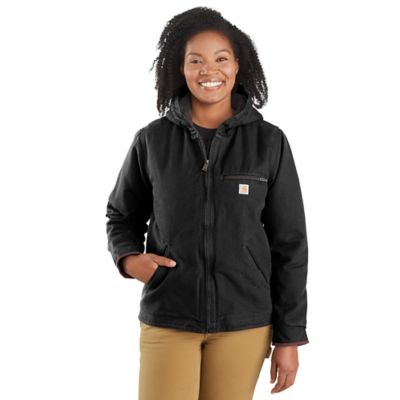
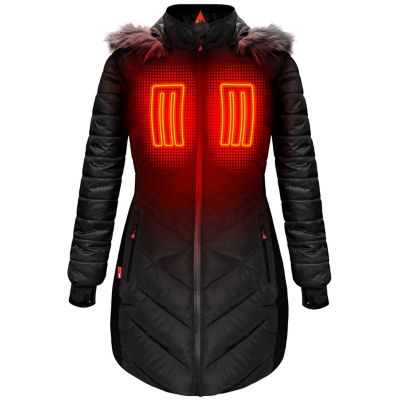
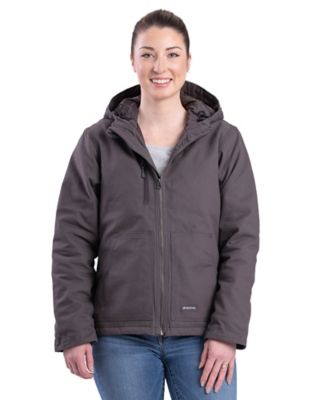
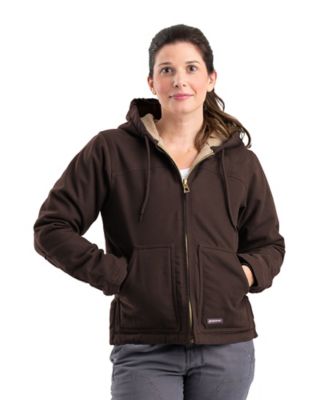
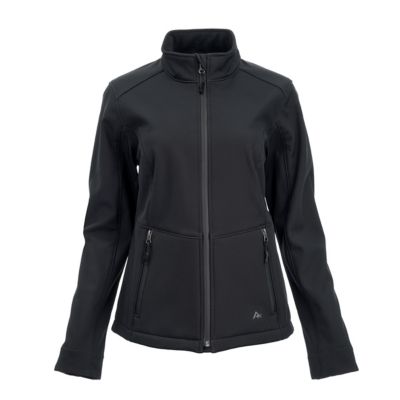
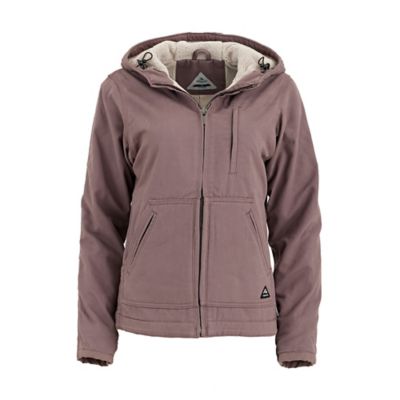
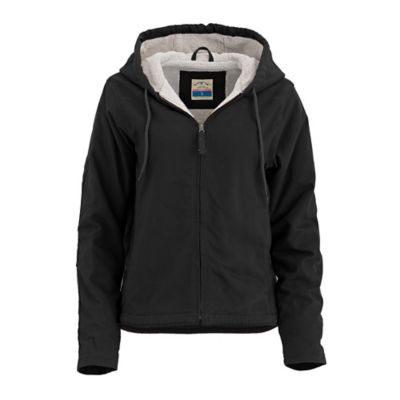
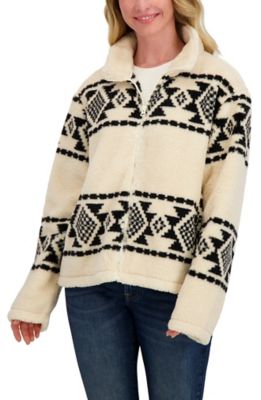
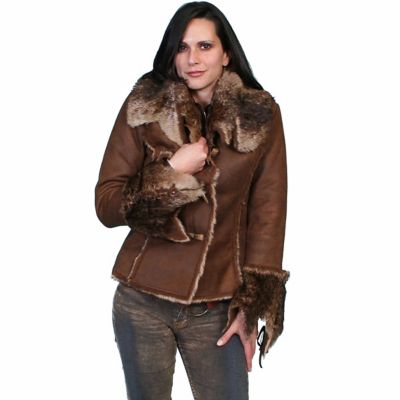
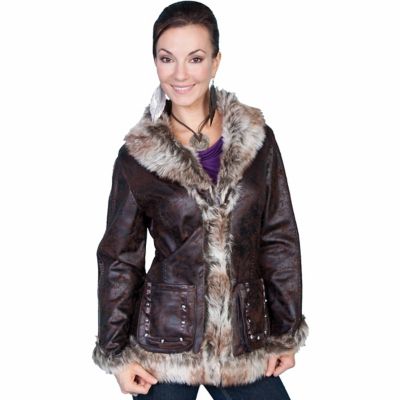
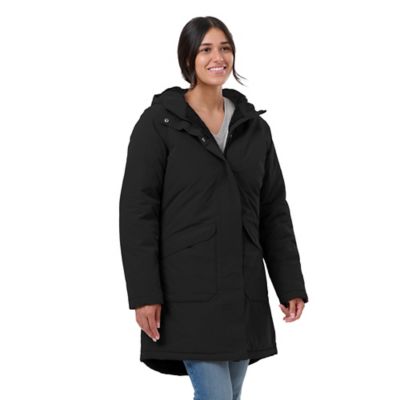
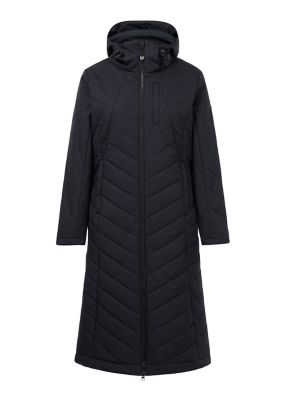
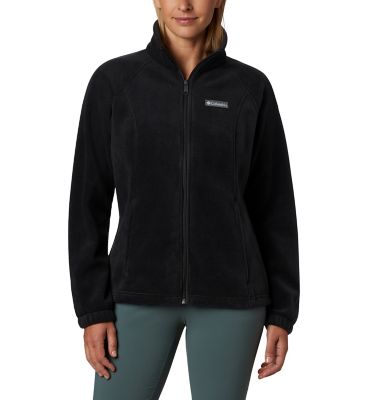
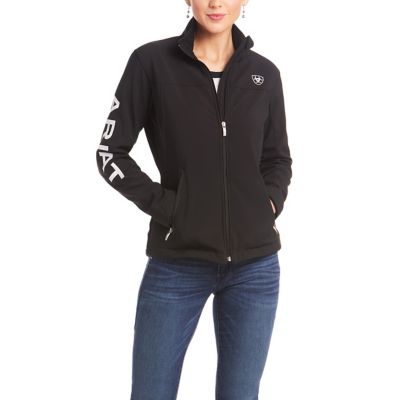
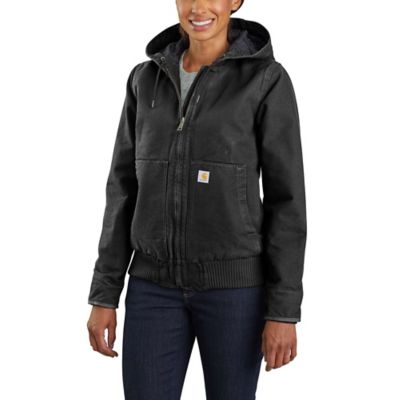
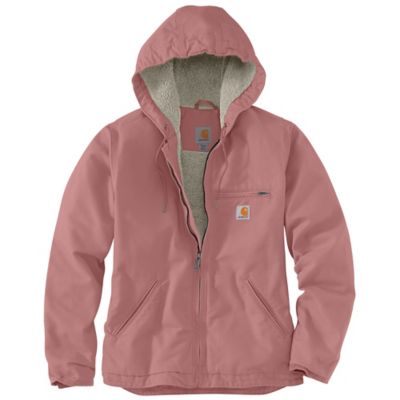
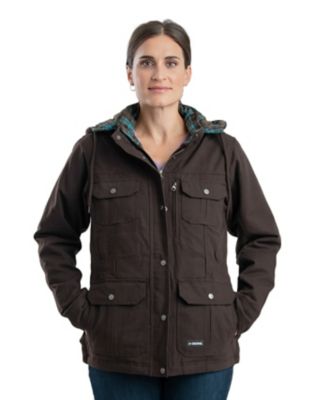
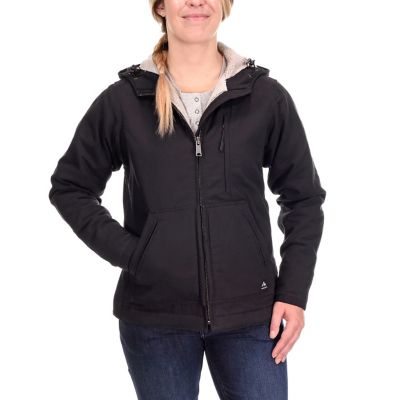
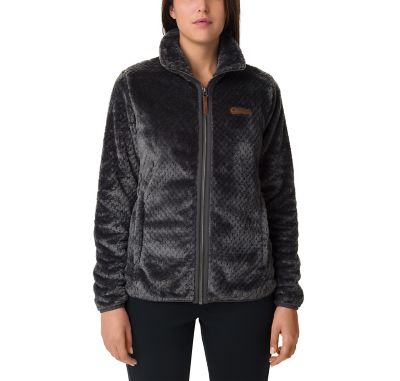
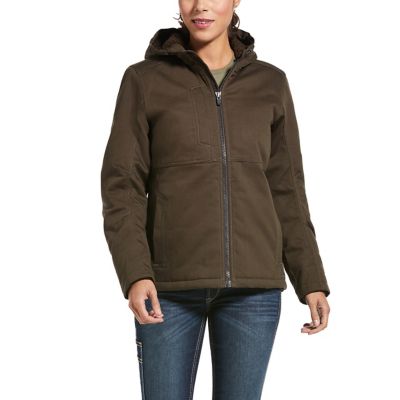
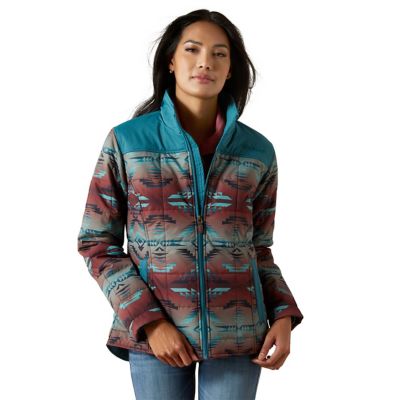
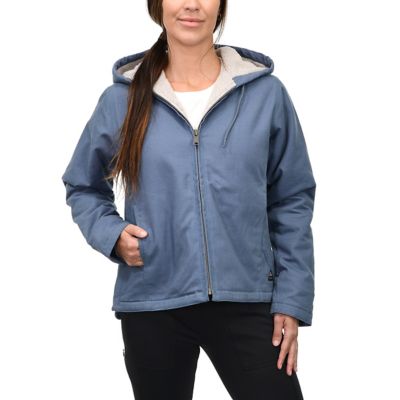
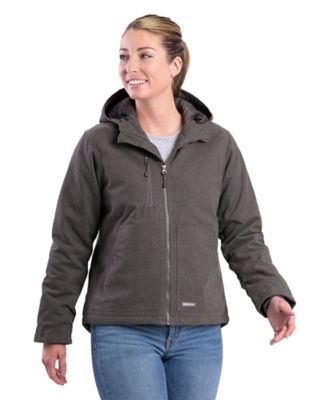
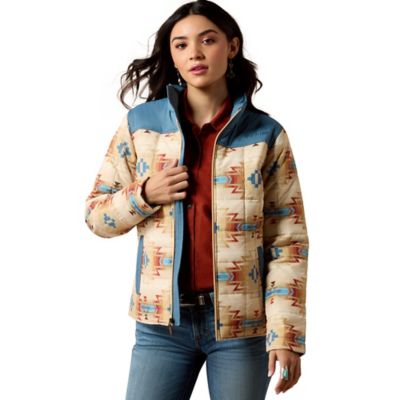
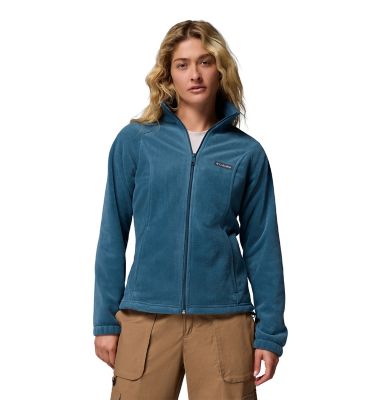
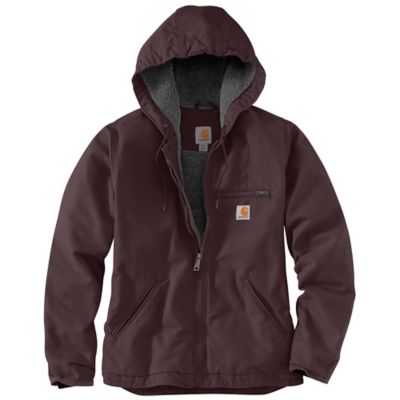
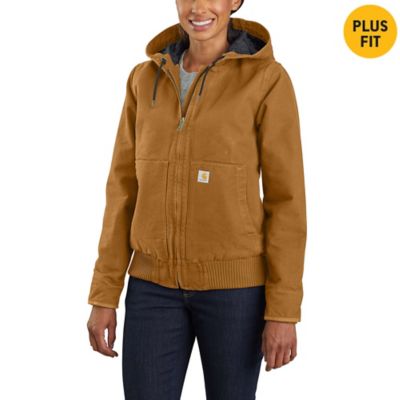
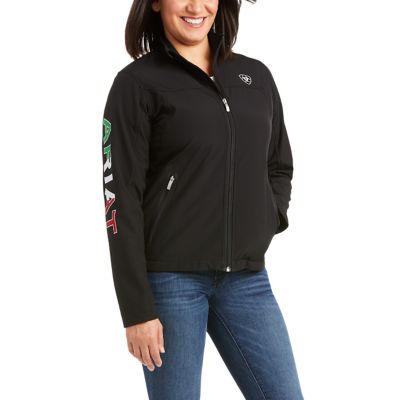
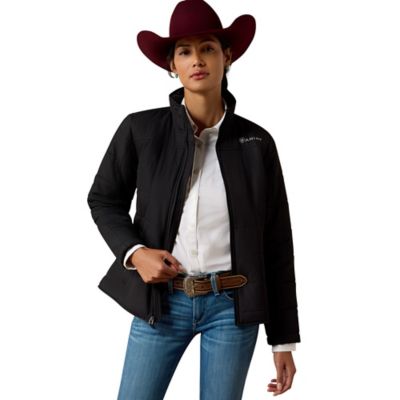
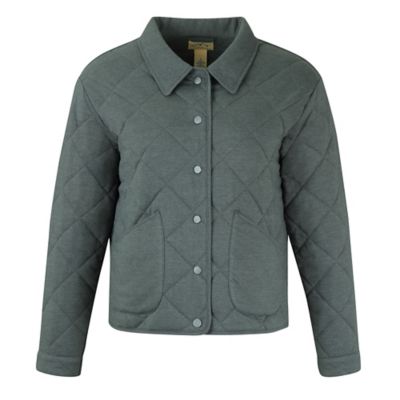
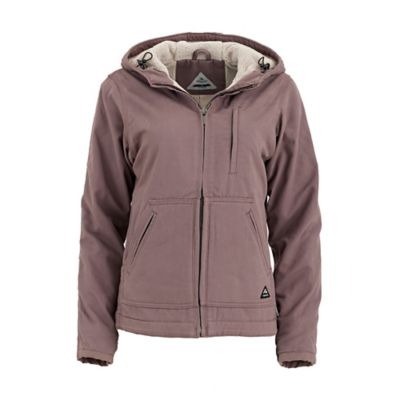
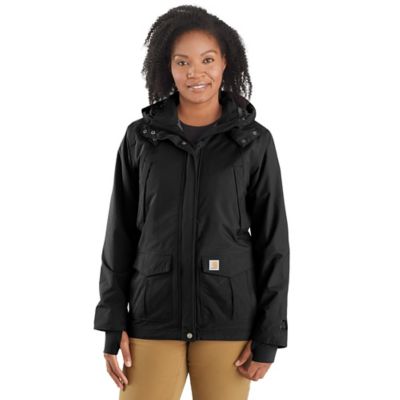
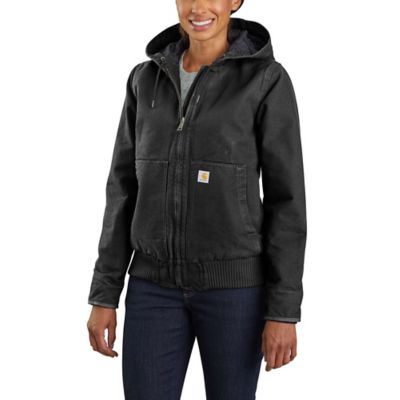
Women's long winter jackets offer coverage beyond the waist, with lengths that can fall at the mid-thigh, knee or farther down the leg. That extra length helps shield the hips and upper legs from cold air, whether the day calls for feeding animals before daylight, walking the dog down a gravel lane or standing beside a school bus stop. Long puffers, insulated parkas and wool-blend coats bring different combinations of warmth, weight and weather protection to those routines. Quilted styles hold insulation in separate sections, while a smoother outer shell may have insulation tucked beneath the lining. Down insulation provides substantial warmth for its weight and compresses easily, though its performance depends on staying dry or having suitable moisture protection. Synthetic insulation generally retains more insulating ability when damp, making it a practical option where snow turns wet or chores involve a little splashing. The outer fabric matters, too. Nylon and polyester shells can be lightweight and resist everyday abrasion, depending on their weave and construction. Cotton canvas has a substantial feel suited to demanding chores, but its response to rain and snow depends on the fabric treatment. Wool blends offer another option for everyday wear, with fiber content and lining affecting warmth, weight and care. A water-resistant finish can help light snow or brief drizzle bead on the surface, but it is not the same as waterproof construction. A waterproof jacket typically pairs a protective fabric or membrane with features such as sealed seams to limit water entry. Wind protection makes a noticeable difference across an open pasture or parking lot, especially when cold air would otherwise slip through the fabric. Jacket length alone does not determine warmth; insulation, shell construction, coverage at the openings and the layers underneath all play a part. A brisk walk to the barn creates more body heat than standing still at a gate, so the same coat can feel different from one task to the next. Breathable construction and adjustable openings can help manage that difference without giving up the coverage of a longer hem.
A comfortable fit leaves enough room for a sweater, fleece or insulated vest without making the shoulders feel tight or the sleeves pull when reaching forward. Women's long winter coats may have a straight, relaxed or shaped cut, and each sits differently over layers. The fit through the hips deserves particular attention because a longer jacket needs to move with the wearer when stepping into a pickup, climbing porch stairs or bending to fill a feed pan. A two-way front zipper can open from the bottom to create more legroom while keeping the upper body covered. Side vents and snap-open hems serve a similar purpose, especially in knee-length and longer styles. A coat that feels roomy while standing may fit differently when seated, so comfort across the lap and through the back matters for anyone who spends time behind the wheel. Sleeve length also affects coverage: cuffs should meet gloves without leaving a bare strip at the wrist when arms reach outward. Knit inner cuffs help close that gap, while adjustable outer cuffs allow room for thicker gloves. An insulated hood adds coverage around the head and neck, and an adjustable opening helps keep it from slipping into the line of sight. A removable hood offers flexibility for days when a hat is enough. Tall collars, soft chin guards and storm flaps over the front closure can make a coat more comfortable when the wind picks up. Pockets are everyday workhorses, not just finishing touches. Deep hand pockets give cold fingers a place to warm up, secure closures help keep keys from bouncing out, and an inside pocket keeps small belongings close. Pocket placement matters when wearing gloves or sitting down, as does zipper hardware that is easy to grasp. Reinforced pocket corners, firmly attached snaps and even stitching support repeated wear at the spots that take the most tugging. Those details help a long jacket feel practical rather than cumbersome through a full day of coming and going.
Intended use helps narrow the differences among long winter jackets for women. A heavier shell may suit regular barn chores and contact with rough surfaces, while a lighter, less bulky coat can feel easier for driving, shopping and walking between buildings. Smooth linings slide over sweaters with less bunching, and a shaped waist can reduce excess fabric without requiring a close fit everywhere. Darker colors tend to make everyday marks less noticeable, while lighter shades can brighten a winter outfit; fabric care still matters with either choice. For a broader everyday look,
women's casual winter jackets offer another way to consider cold-weather layers alongside longer silhouettes. Keeping any winter jacket in good shape starts with its care label, since insulation, shell finishes and trims may need different treatment. Some insulated coats allow machine washing, while certain wool blends or structured styles call for professional cleaning. The recommended detergent, water temperature and drying method help protect the fabric and insulation. Fabric softener can interfere with some performance finishes, and excessive heat can damage certain shells or trims. Down needs thorough drying according to the label so the fill can separate and regain loft rather than remain in damp clumps. Small spills are often easier to address before they settle into cuffs, pocket edges and the front closure. Between wears, a wet coat needs room to dry before it goes into a closet, and long-term storage is generally better in a clean, dry space without tight compression. For gifting, familiar measurements and room for the recipient's usual layers matter more than guessing from appearance alone. A long winter jacket can be a thoughtful choice for someone who handles outdoor chores, takes daily walks or spends plenty of time on the sidelines. The right combination of coverage, freedom of movement and manageable care makes it a layer that fits naturally into everyday life.