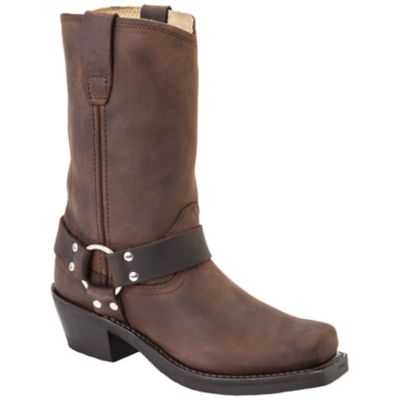
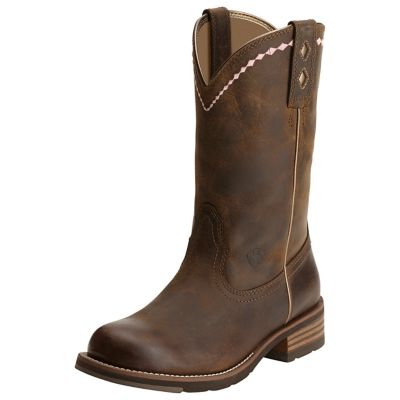
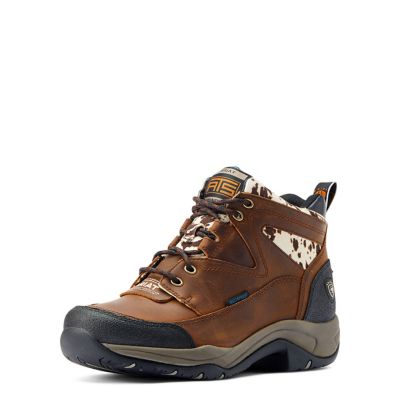
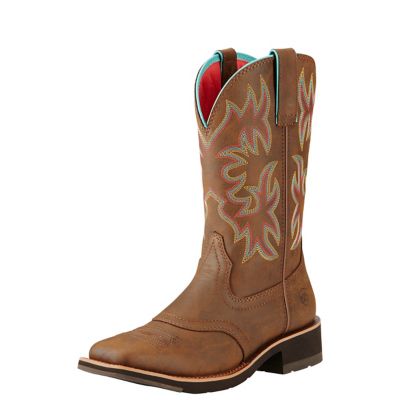
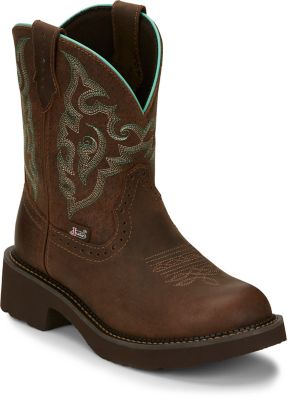
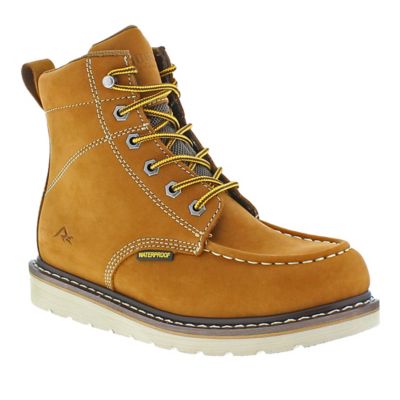
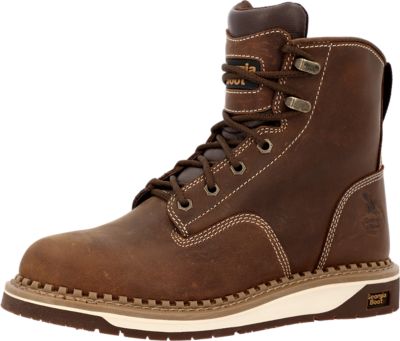
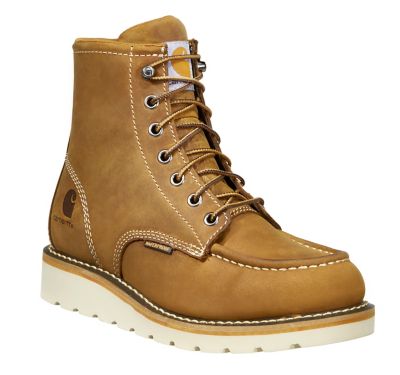
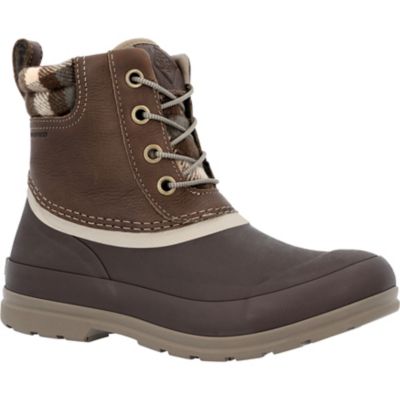
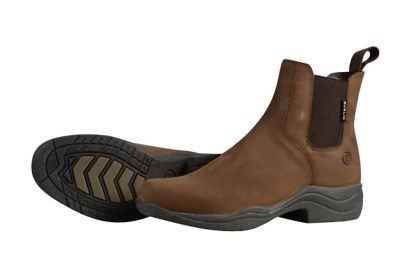
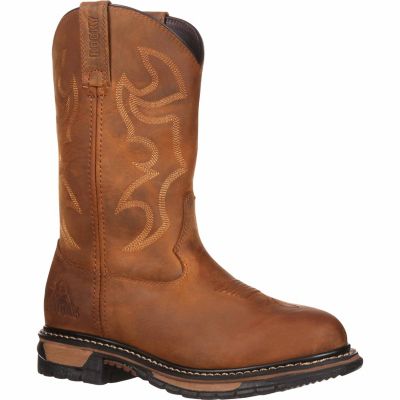
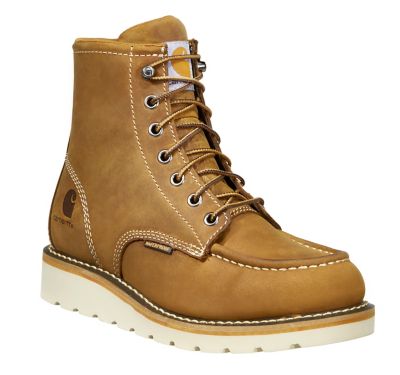
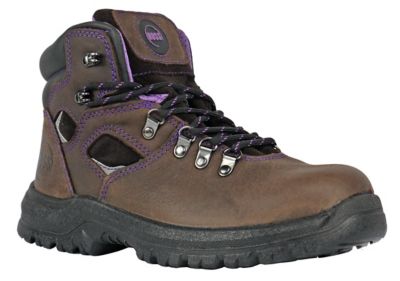
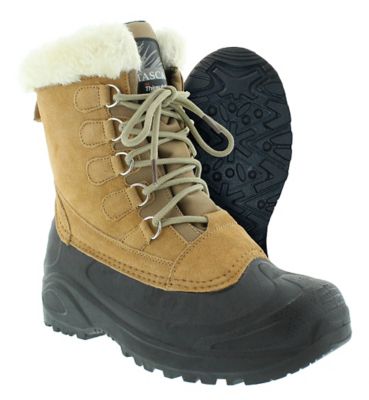
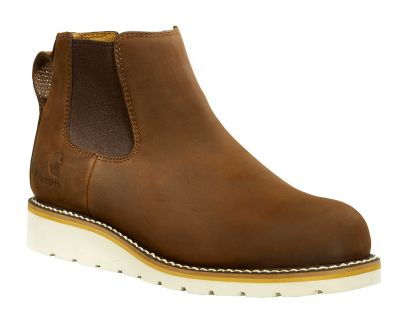
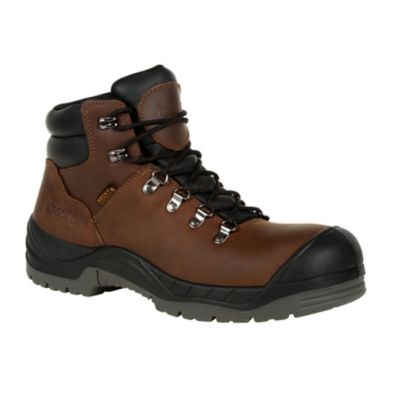
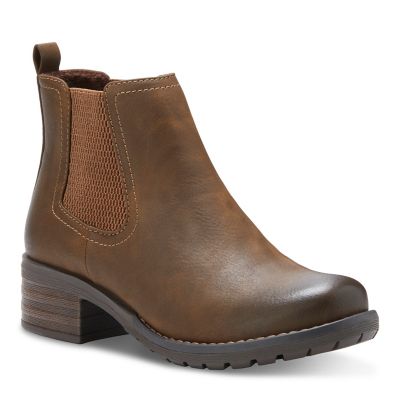
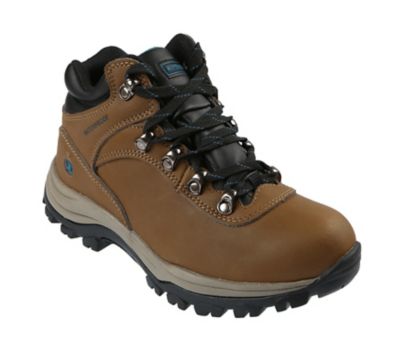
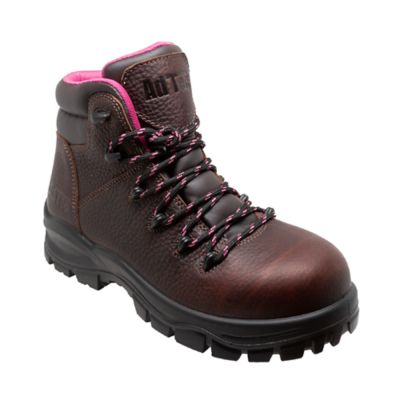
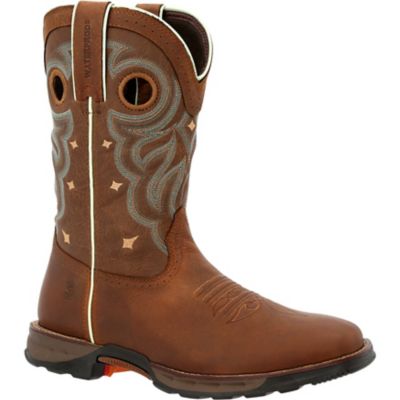
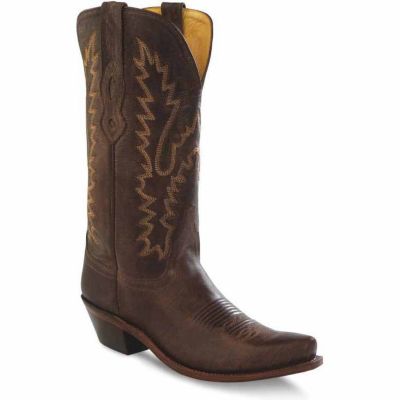
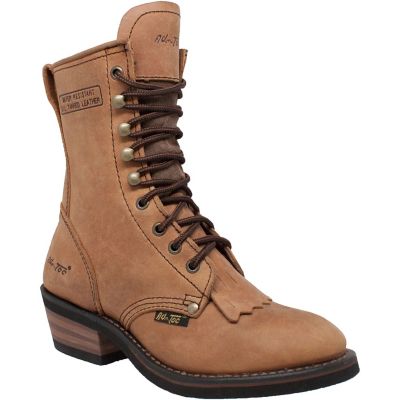
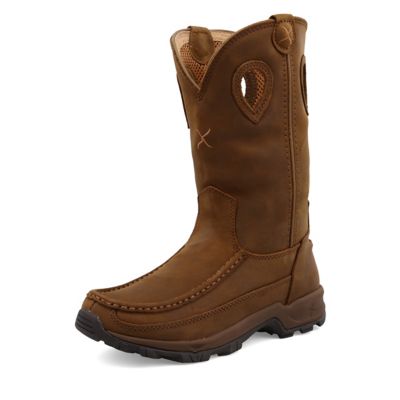
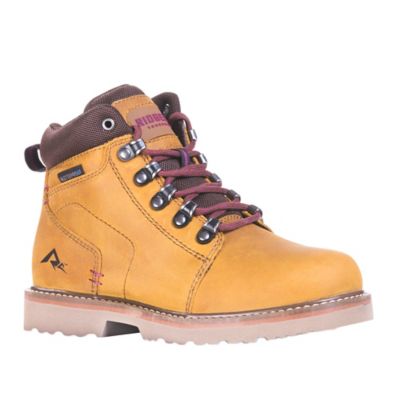
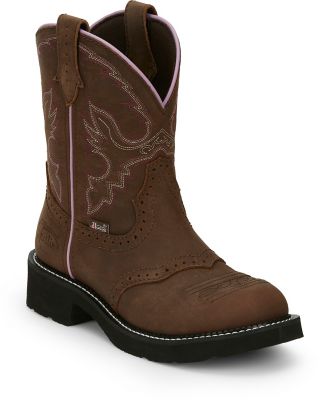
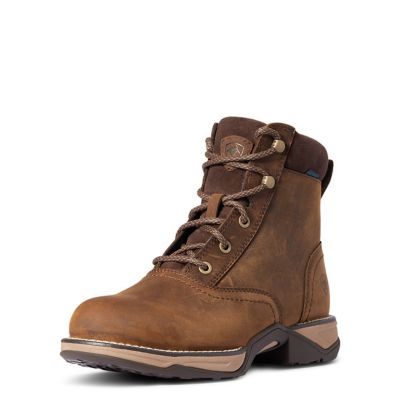
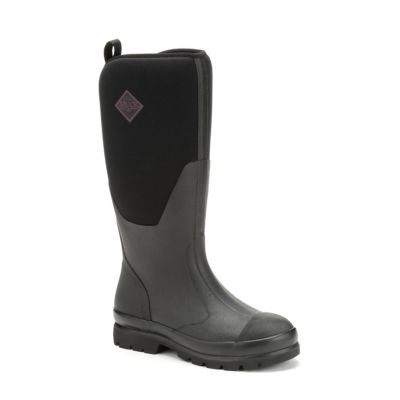
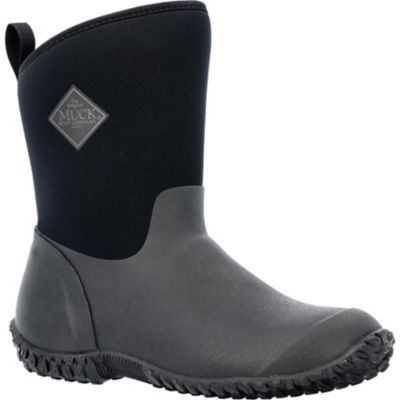
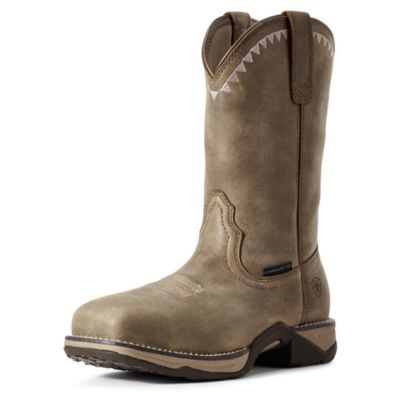
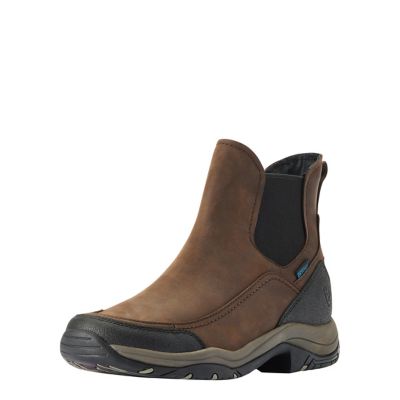
Women’s brown leather walking boots bring together the familiar feel of leather, underfoot cushioning, and practical coverage for days that cover a little ground. They suit everything from a stroll down a gravel lane to errands around town or an afternoon on a maintained trail, provided the sole and construction match the route. Brown shades range from light tan and chestnut to deep chocolate, pairing easily with denim, canvas pants, and everyday outdoor clothing. Beyond color, the leather finish makes a difference in how a boot feels and how it needs to be cared for. Full-grain leather retains its outer grain surface and can offer substantial resistance to abrasion, though its initial flexibility varies with thickness and treatment. Nubuck has a lightly buffed surface with a soft nap, while suede has a more textured feel and calls for care products suited to that finish. Smooth leather generally allows loose dirt to be wiped away more easily than a napped surface. Leather uppers may gradually conform to the foot, but they should not have to stretch significantly to make a tight boot wearable. Construction matters just as much as the material name: reinforced areas around the toe and heel can help handle scuffs, neatly finished seams reduce rough spots, and padded collars can soften contact around the ankle. An ankle-height shaft adds coverage without necessarily providing the support of a structured hiking boot. For someone who spends much of the day moving between sidewalks, a driveway, and packed paths, a moderately flexible walking boot may feel more natural than a stiff boot built for carrying a heavy pack. A more structured design may make sense for uneven ground, but extra weight can become noticeable over several miles. The most useful comparison is not simply which boot looks the toughest; it is how the upper, sole, weight, and shape work together for the walking actually planned.
Fit is where women’s leather walking boots earn their place by the door. Toes need enough room to spread without pressing against the sides, and the longest toe should not strike the front when stepping down an incline. The heel should feel secure rather than lift and rub with every stride. A roomy toe box is not the same as a wide fit throughout the boot, so both forefoot space and heel hold deserve attention. Trying boots with the socks intended for walking gives a better sense of the interior space, especially when socks have cushioning under the heel and ball of the foot. Feet often become a little fuller after time on them, making a later-in-the-day fitting helpful. Any orthotic or footbed intended for regular wear should be part of that fitting, too; stacking it over an existing insert can crowd the toes and raise the heel. Removable footbeds allow more flexibility, but replacement inserts still need to match the boot’s shape and depth. Laces offer adjustment across the instep and around the ankle, while a zipper can simplify getting a boot on and off without providing the same range of adjustment. Underfoot, foam midsoles help cushion repeated steps, though a very soft feel is not automatically the best match for a long walk. Some walkers prefer a firmer platform that feels steady under the heel. Rubber outsoles and defined tread can help with traction, but tread depth alone does not determine grip. Widely spaced lugs can release loose dirt more readily, while less aggressive patterns may feel smoother on pavement. No outsole eliminates the possibility of slipping, and walking tread should not be mistaken for a tested workplace slip-resistance rating. For a route that starts on a porch, crosses a gravel drive, and follows a hard-packed lane, a stable heel base and controlled flex through the forefoot are worth noticing. Check for pressure at the ankle bones, rubbing along seams, and pinching where the boot bends. Short initial walks let the leather and footbed settle in, but persistent pain or numbness points to a fit problem, not something to walk through.
Regular care helps brown leather walking boots keep their shape, appearance, and service life through everyday miles. After a dusty walk, a soft brush can clear dirt from seams, eyelets, and the edge where the upper meets the sole. Smooth leather can often be wiped with a lightly damp cloth, while nubuck and suede generally need brushes and cleaners made for their napped surfaces. Follow the footwear maker’s care directions rather than treating every brown leather finish alike. Conditioners can help maintain the suppleness of suitable smooth leathers, but too much product may leave residue, and some treatments darken the color. Testing a small, less noticeable area first helps avoid an unwanted change across the whole boot. Leather itself does not establish that footwear is waterproof; that claim depends on the boot’s materials and construction. Likewise, a surface treatment does not turn an ordinary walking boot into sealed protective footwear. If boots become damp during cleaning or wear, allow them to air-dry away from heaters and other direct heat sources. Loosening the laces and removing removable footbeds can help the interior dry more thoroughly. Store boots where air can circulate, and avoid leaving them compressed beneath other footwear. Occasional checks of the heel tread, lace wear, stitching, and sole attachment can catch small problems before the next long outing. Worn-smooth tread or a separating sole is a reason to reassess the pair, even when the leather still looks good. Women’s brown leather walking boots can also make a thoughtful gift for someone who enjoys country walks, sightseeing, or spending a day on her feet, especially when her preferred size, width, and walking habits are known. Everyday walking footwear is a different category from safety-toe work boots or technical backpacking footwear, so intended use should stay central to the choice. For outings that call for winter-specific features, explore
Women's Winter Walking Boots. Whatever the route, comfortable room through the toes, a secure heel, and a sole suited to the ground matter more than looks alone.