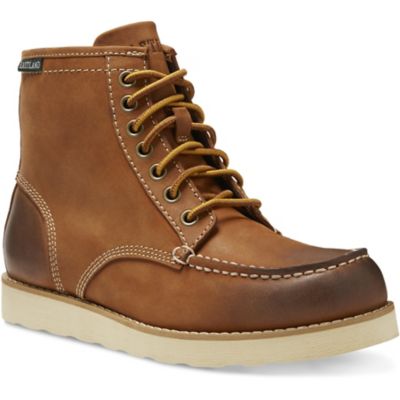
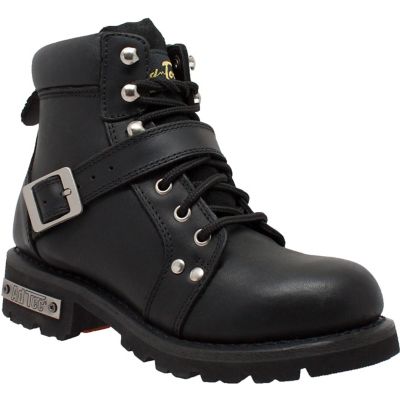
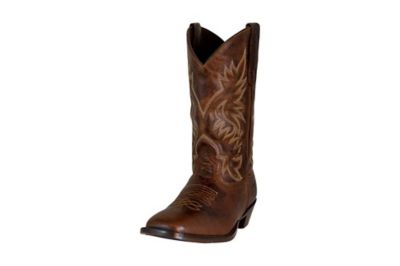
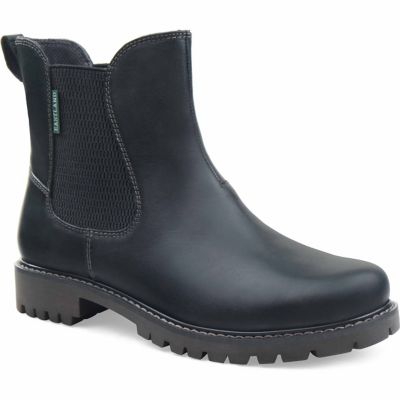
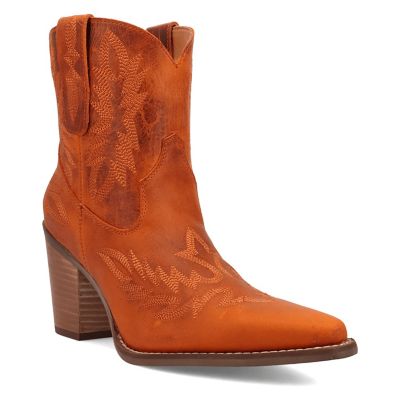
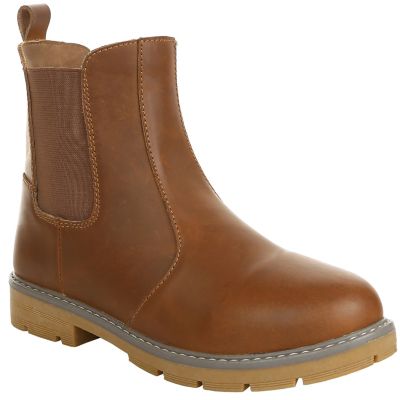
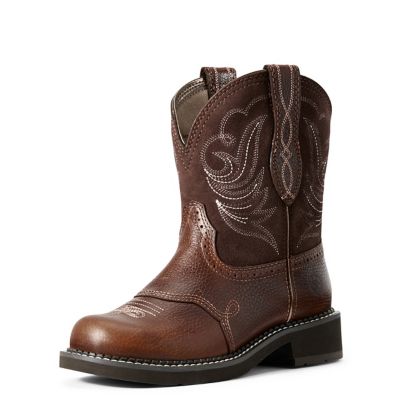
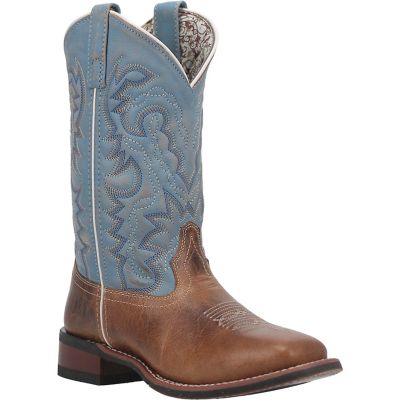
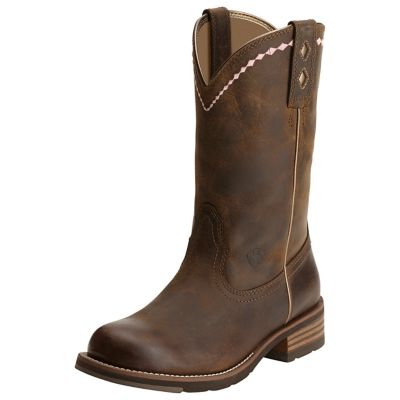
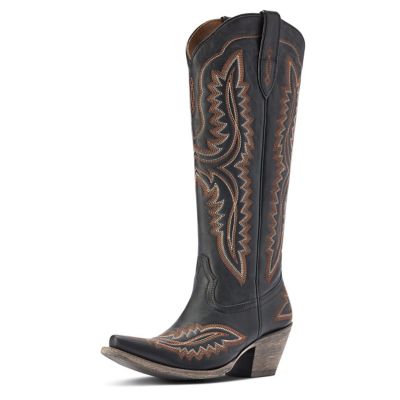
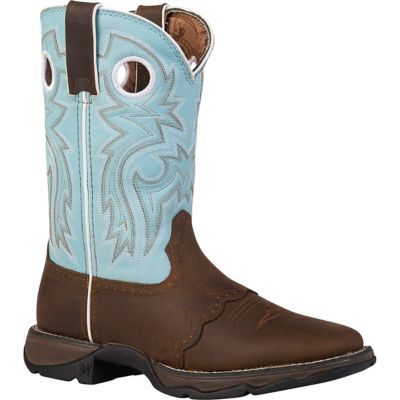
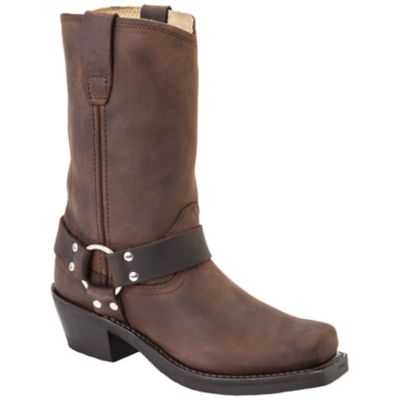
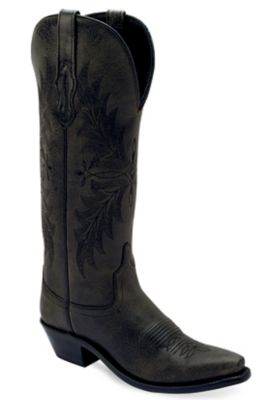
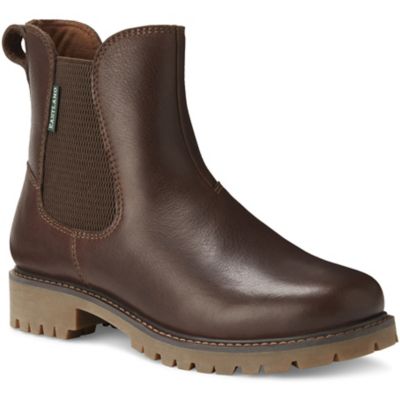
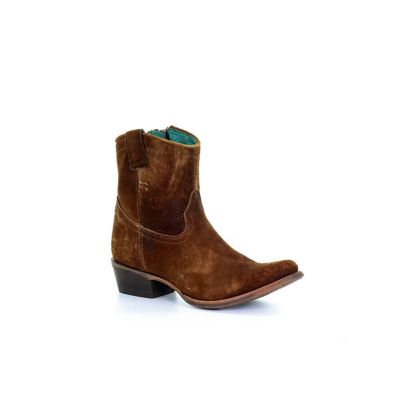
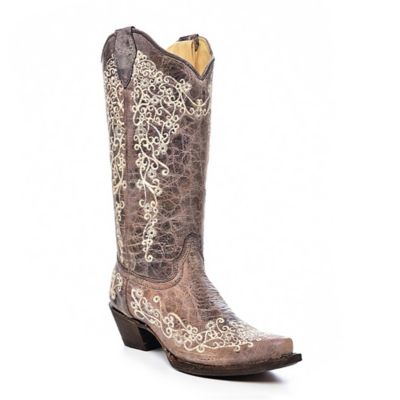
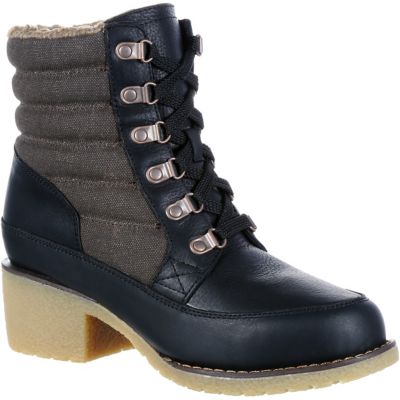
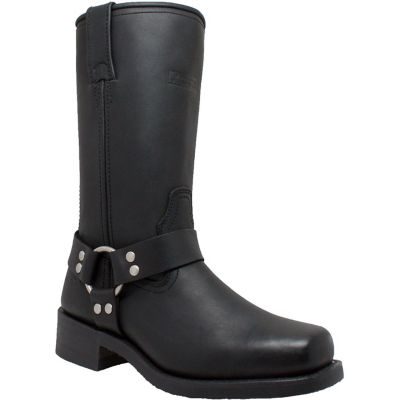
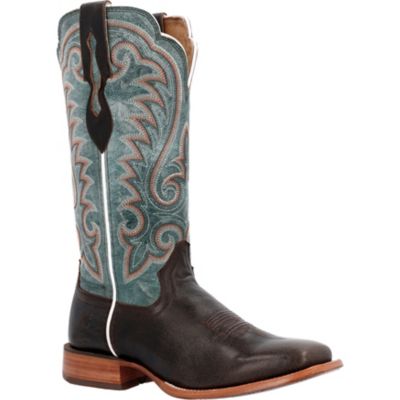
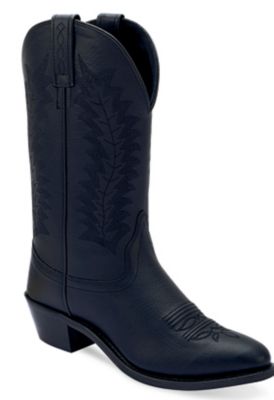
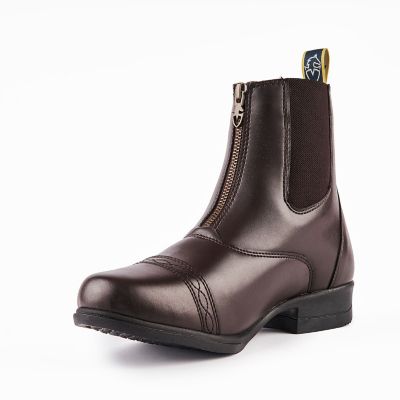
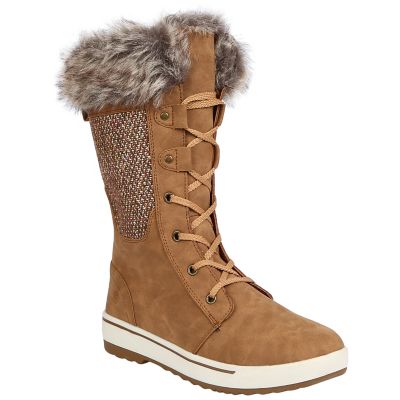
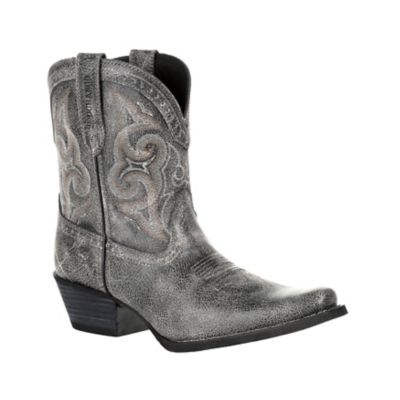
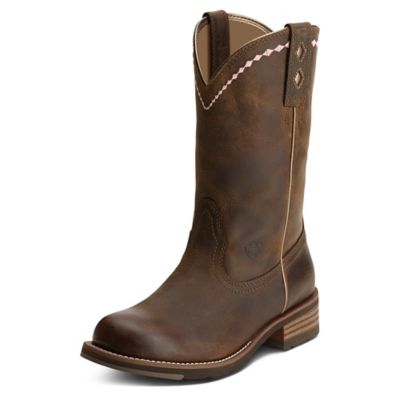
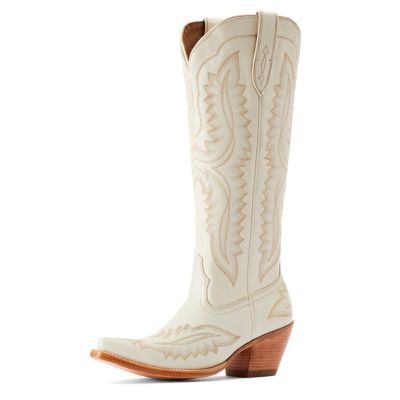
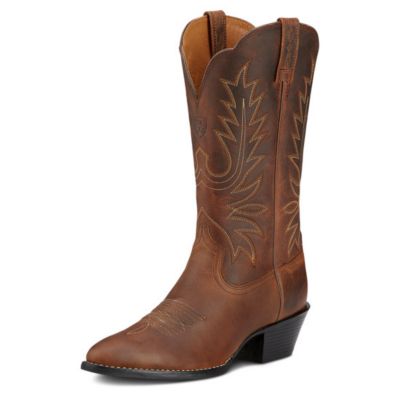
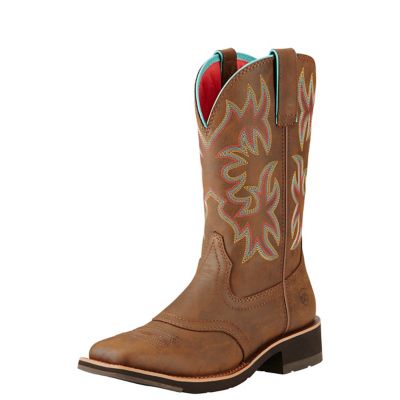
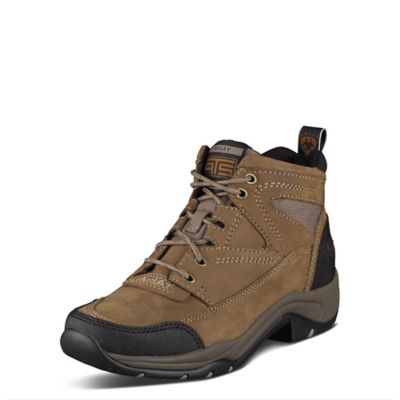
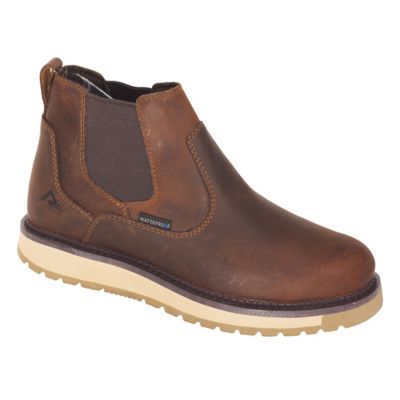
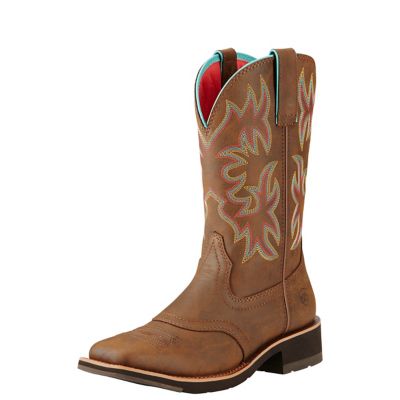
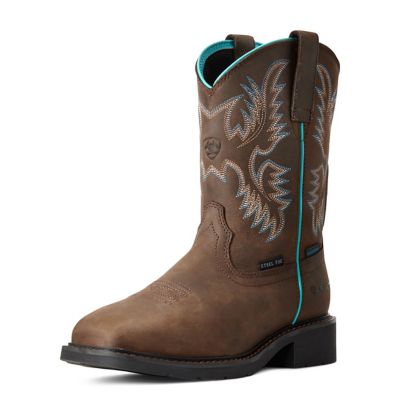
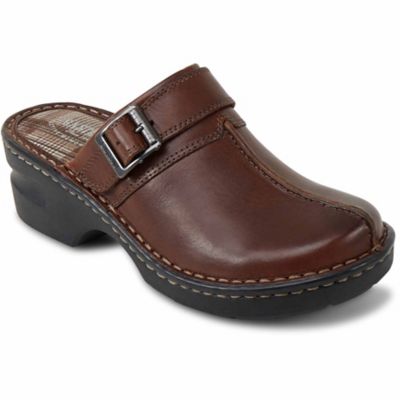
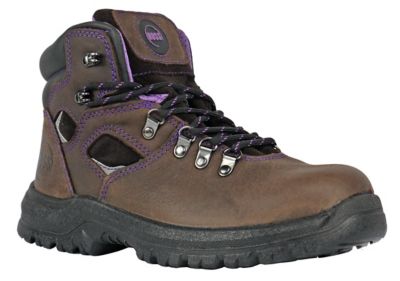
Women’s casual leather boots bring together everyday comfort, practical coverage and a look that feels at home with denim. They’re the boots that make sense for a trip into town, a lunch stop after errands or an evening at the county fair, without looking like footwear meant strictly for the jobsite. The category includes ankle boots, Chelsea boots, lace-up styles and taller pull-on shapes, with each offering a different balance of coverage and adjustability. Ankle boots sit neatly beneath straight-leg jeans, while a slightly taller shaft can show off stitching or leather texture when paired with a skirt. Chelsea styles have elastic side panels that stretch for entry and settle around the ankle. Lace-up boots allow more adjustment across the top of the foot, and side zippers make some close-fitting shapes easier to slip on. Western-inspired casual boots bring pointed or rounded toes, shaped shafts and low heels into the mix without needing a full dress-up occasion. Leather makes a difference in both appearance and feel. Full-grain leather retains the hide’s natural surface, often showing small variations in grain and developing character with wear. Nubuck has a lightly buffed outer surface with a soft nap, while suede has a more noticeably fuzzy texture and calls for a different cleaning routine than smooth leather. A smooth finish can look a little dressier with dark jeans or a simple dress; a textured finish lends itself to relaxed outfits and everyday outings. Tan, brown and black are easy colors to work into a regular rotation, though the shade is only part of the picture. Toe shape, shaft height and heel profile can change the feel of an outfit just as much. For a broader look at leather footwear beyond casual shapes,
Women's Leather Boots brings the larger category into view. The appeal of casual leather boots is straightforward: enough structure to feel put together, with an easygoing look that doesn’t require planning the whole day around an outfit.
Comfort in casual leather boots comes from how the entire boot fits, not just how soft the footbed feels at first. The forefoot needs room to spread naturally, the toes shouldn’t press against the front, and the instep should feel held rather than squeezed. A pointed toe may extend beyond the toes as part of its shape, but that extra length doesn’t make up for a narrow fit across the ball of the foot. Rounded and square toe shapes can feel different even in the same marked size, so width and interior shape matter alongside length. The socks worn with the boots also affect fit; a thicker pair takes up more space than a thin everyday sock. Leather may soften and ease slightly across flex points, but a boot that pinches sharply or crowds the toes shouldn’t depend on break-in to become comfortable. Pull-on designs can allow a little heel movement when new, although excessive slipping or rubbing suggests the fit needs another look. Laces give more control over instep tension, while elastic panels offer stretch without the same level of adjustment. For taller boots, shaft circumference matters as much as foot size, especially when jeans will be tucked inside. Underfoot, cushioning can take some of the edge off hard floors, and a stable heel helps the boot feel steady during a long afternoon on your feet. Low, broad heels tend to feel different from narrow, higher heels when walking across a gravel parking lot or standing through a community gathering. Outsole material and tread deserve attention, too. Rubber soles may offer flexibility and grip, but traction depends on the tread, surface and how much the sole has worn. A deeper tread can feel practical on uneven paths, while a lower-profile sole gives a cleaner outline for town wear. Removable footbeds can be helpful for someone who wears compatible inserts, provided there’s still enough room inside. Those details shape whether a pair feels suited to short outings, regular errands or days with more walking.
Leather boots can stay in regular rotation for a long time when their construction suits the way they’re worn and their care matches the finish. Flex points, heel edges, seams and outsole attachment all take repeated stress, particularly when the same pair goes from driving to walking to standing throughout the day. Neat, secure stitching and firmly attached soles are useful construction details to examine, while repair options depend on how the boots are built. Some stitched constructions allow a cobbler to replace worn soles or heels; others don’t, so repairability is worth confirming rather than assuming. Everyday upkeep starts with removing loose dirt before it works into creases and seams. Smooth leather generally benefits from a soft brush or cloth and a leather cleaner appropriate for its finish. Conditioner can help keep suitable leathers supple, but too much may darken the surface or leave residue. Testing any treatment on an inconspicuous spot helps prevent an unwelcome change in appearance. Suede and nubuck need brushes and care products intended for their nap, rather than a routine meant for smooth leather. If boots become damp during cleaning or wear, letting them dry naturally away from direct heat helps protect the leather and construction. Boot trees or a light filling of plain paper can help maintain shape, and storing boots without folding the shafts limits deep creases. Giving a pair time to air out between outings also helps the interior dry. Casual leather boots are made for everyday wear, not automatically for tasks that call for protective footwear. Leather uppers alone don’t establish toe protection, puncture resistance or any other safety rating needed around tools or equipment. For women who spend their off-hours at local gatherings, visiting friends or handling errands, a well-fitting casual pair can earn a steady place by the door. They can also make a thoughtful gift when the recipient’s size, preferred width and favorite boot shape are known. Familiar details—a comfortable heel height, an easy closure and leather that suits her usual clothes—matter more than choosing a pair on looks alone.