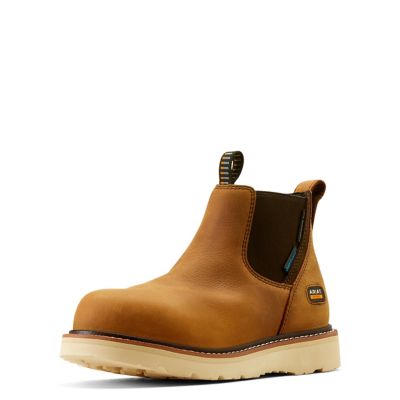
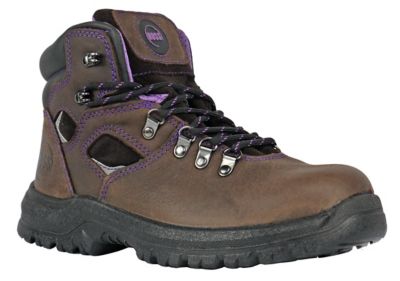
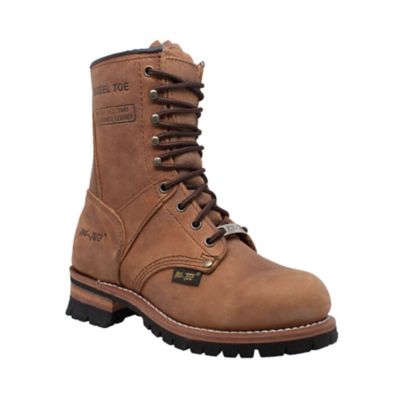
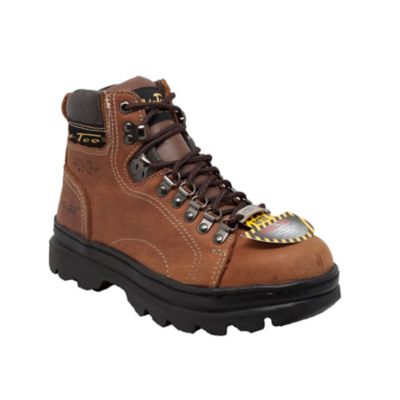
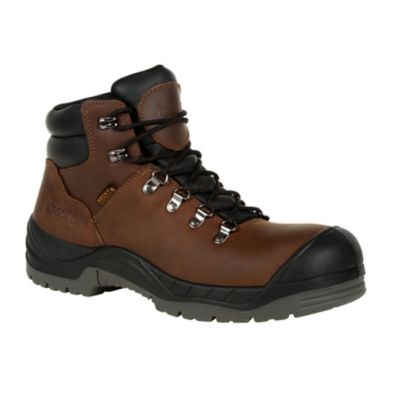
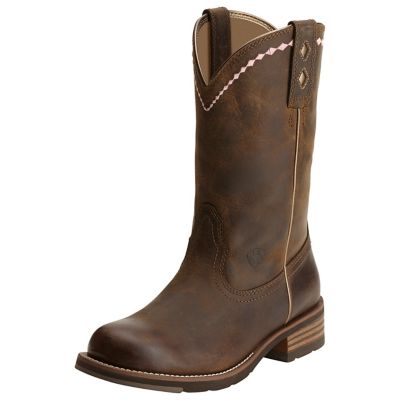
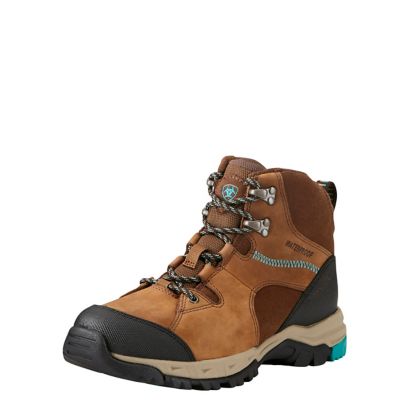
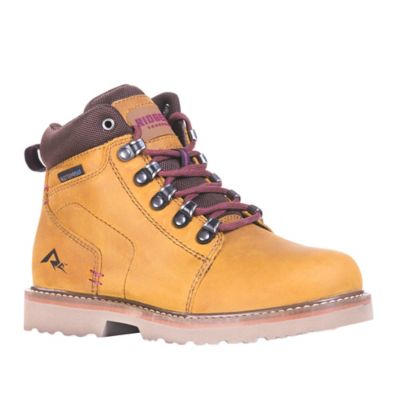
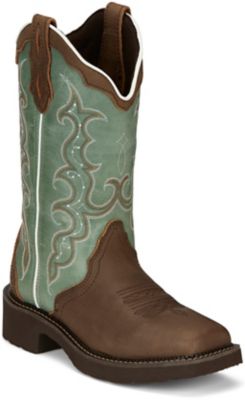
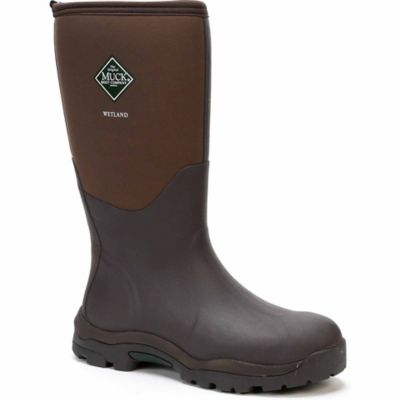
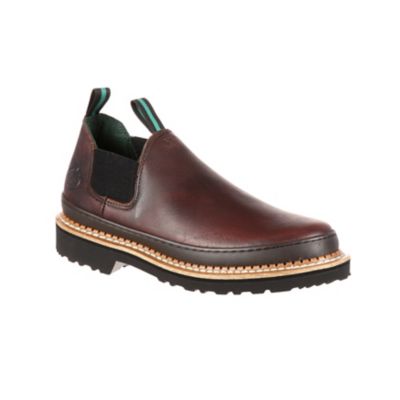
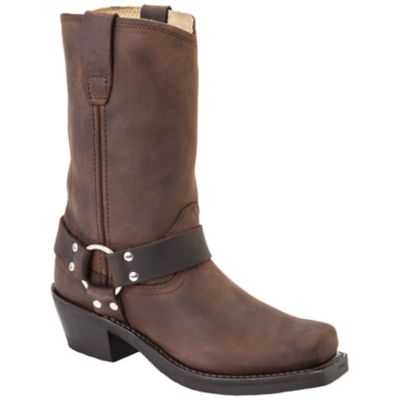
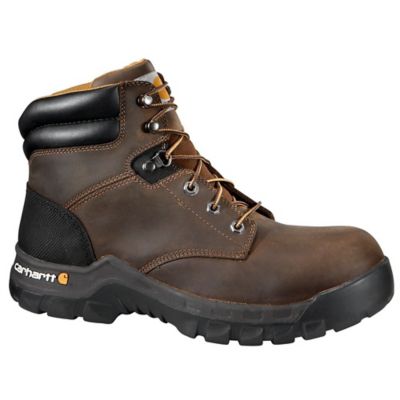
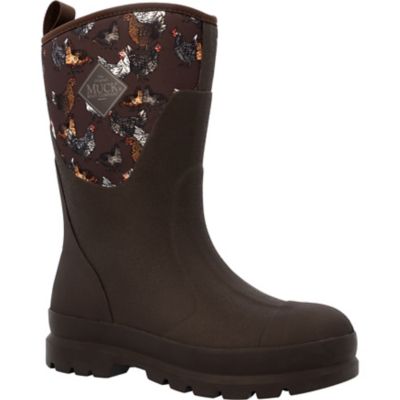
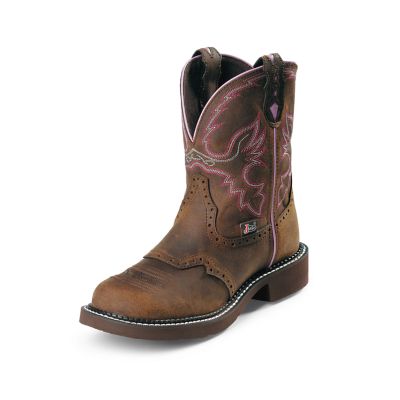
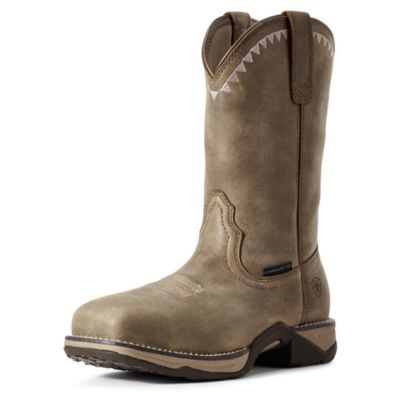
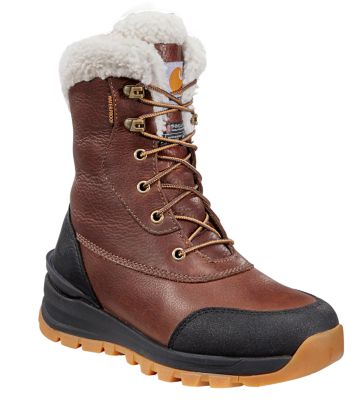
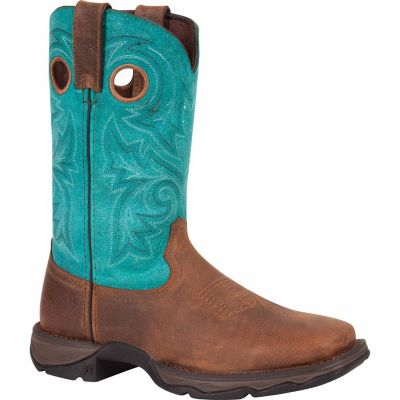
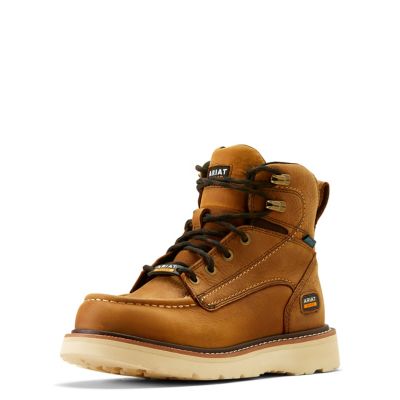
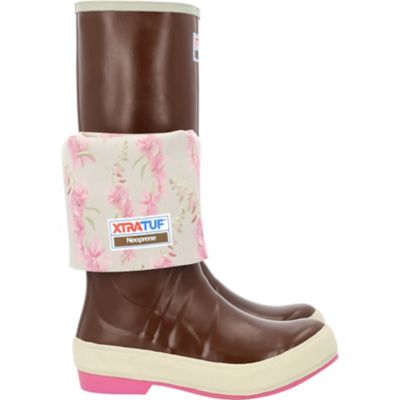
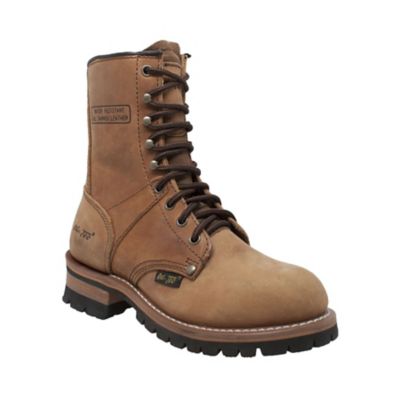
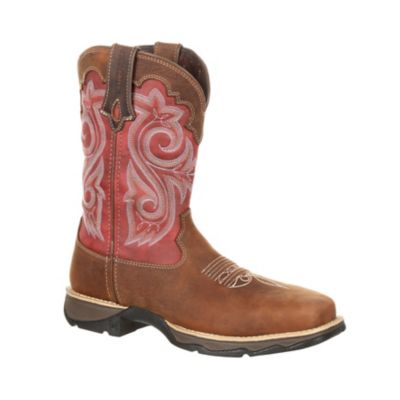
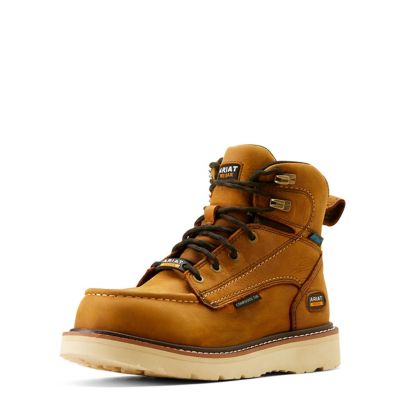
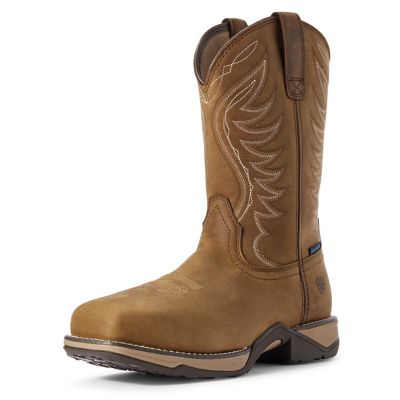
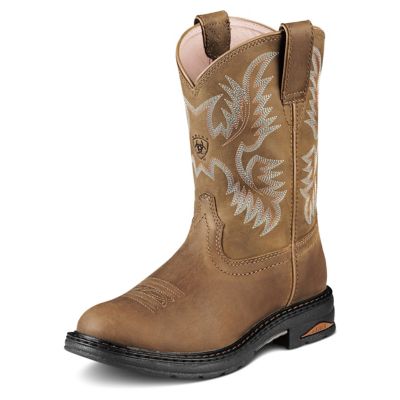
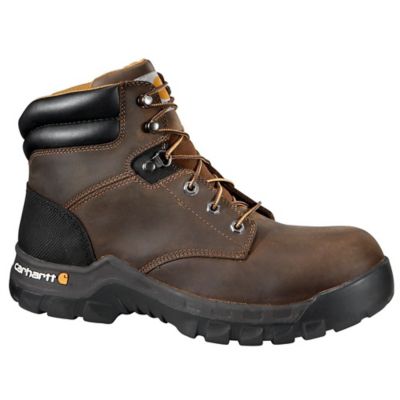
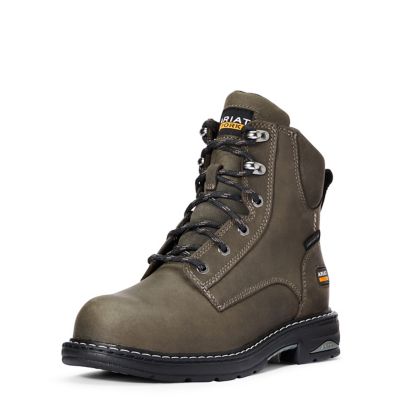
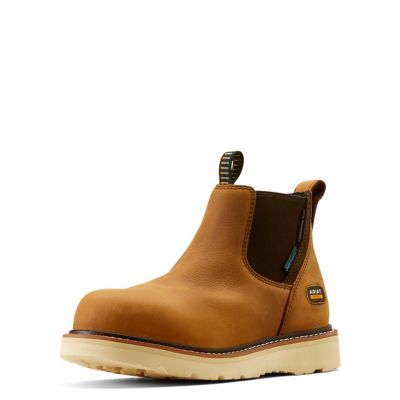
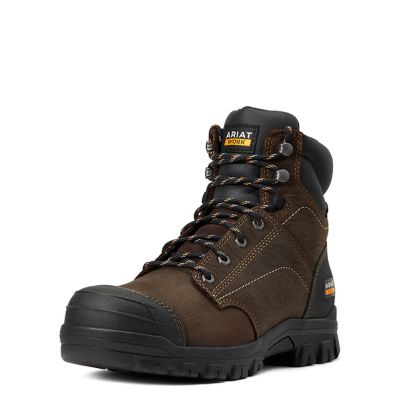
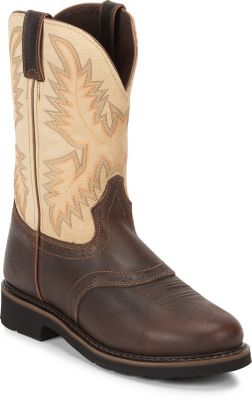
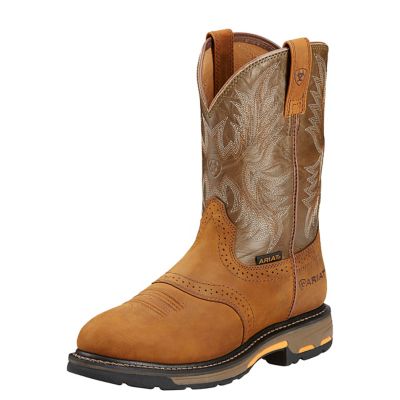
Women’s brown work boots bring a practical look to jobs around the farm, ranch, shop, yard and worksite, while giving you the support needed for long hours on your feet. Brown leather and leather-look finishes pair easily with work jeans, canvas pants and cold-weather layers, so these boots can move from feeding chores at first light to repairing a gate or hauling supplies before supper. Depending on the construction and safety features, prices commonly range from about $75 to $260, with many options near the middle of that range. The right pair comes down less to appearance alone and more to the conditions underfoot, the kind of work you do and how your feet feel after a full day. For a closer look at another material option, browse
Women's Leather Work Boots. When comparing pairs, check the boot’s intended work rating, sole design, toe protection, weather resistance and fit. A boot that feels supportive while standing in a store can feel very different after hours on concrete, packed gravel or uneven ground, so pay attention to arch support, heel hold, room across the toes and the way the ankle is supported. Leave enough space for your toes to move without letting your heel slide, and try boots with the socks you expect to wear on the job. Thick work socks can change the fit more than you might expect, especially during the cooler months.
Safety features deserve close attention when boots are headed into a busy barn, workshop, warehouse, construction area or equipment shed. A steel toe offers strong protection from falling or rolling objects and is a common choice for demanding work around tools, materials and machinery. A composite toe can provide similar protection while weighing less and staying less cold in chilly conditions; it also does not conduct metal-detecting signals in the same way steel does. Check the specific safety standard listed for the boot rather than assuming every safety toe offers the same protection. Electrical hazard, often marked EH, is intended to help protect against contact with open electrical circuits when the boot is part of a broader jobsite safety plan. It is not a substitute for proper electrical training or protective procedures, but it can be an important feature for work around wiring, outlets and powered equipment. Slip resistance matters anywhere floors may collect water, mud, oil or feed dust. Look for a sole with a tread pattern suited to the surfaces you cross most often, since a deep outdoor lug may grip dirt and gravel while a flatter tread may feel steadier on smooth indoor floors. Waterproof construction or a water-resistant upper can help keep feet drier through wet grass, muddy lots and slushy paths. Keep in mind that waterproofing can vary by boot design, and water may still enter through the opening if it rises above the boot or soaks through the tongue. In wet country, a gusseted tongue, sealed seams and a sole with well-spaced lugs can make a noticeable difference. After a muddy day, brush off the grit, let the boots dry away from direct heat and follow the care directions for the material. That simple routine helps the upper stay flexible and keeps the tread from packing with dirt.
Choose the shaft height and closure based on how you spend your day. Lace-up boots allow you to fine-tune the fit around the ankle and instep, which can help when walking over uneven ground or carrying a load. They take a little longer to put on, but a snug, even lace pattern can help prevent your foot from shifting inside the boot. Slip-on styles, including pull-on and side-zip designs, make sense for quick trips outdoors, early-morning chores and jobs where you are stepping in and out of boots often. They should still hold the heel securely; easy entry should not mean a loose fit. A cushioned insole can soften the feel of concrete and barn floors, while a firm midsole may offer better support when you spend the day on ladders, gravel or packed soil. Consider the boot’s weight, too. A lighter composite-toe pair may suit someone who walks several miles across a property, while a more substantial boot may feel right for heavy work around equipment and materials. Brown work boots can make a thoughtful gift for a wife, daughter, sister, ranch hand or friend who spends weekends outdoors or takes pride in having the right gear for the job. If the boots are a gift, check the recipient’s size, preferred closure and workplace safety requirements before buying, and keep the receipt when possible. As the weather shifts from mild mornings to colder, wetter days, look for room for thicker socks without squeezing the toes. With the right fit and features, women’s brown work boots can help make daily chores, long shifts and outdoor projects feel more comfortable from the first step to the last.