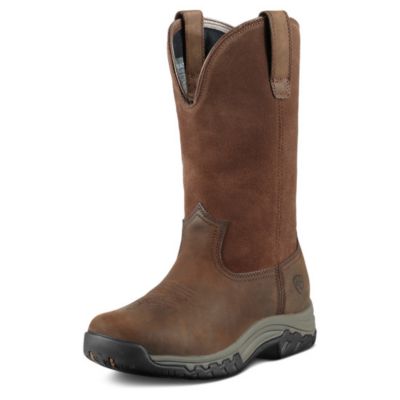
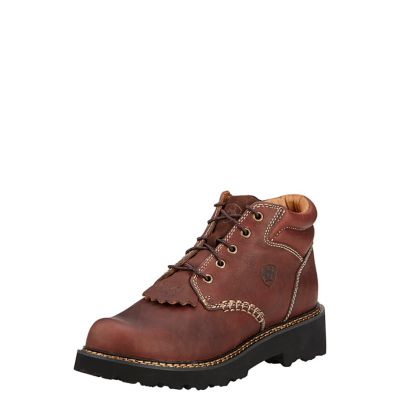
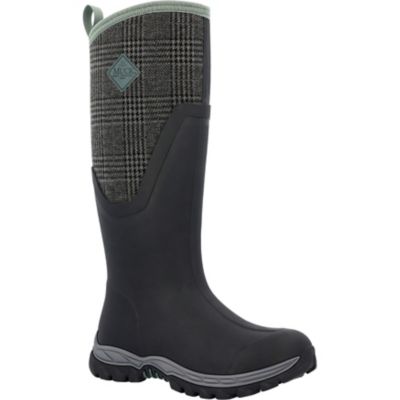
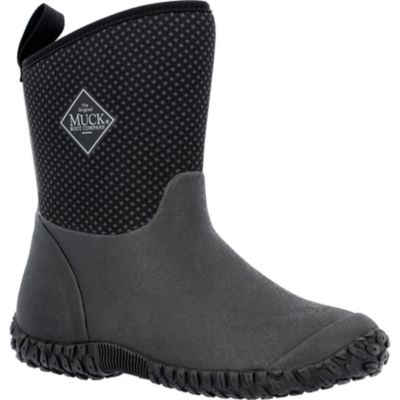
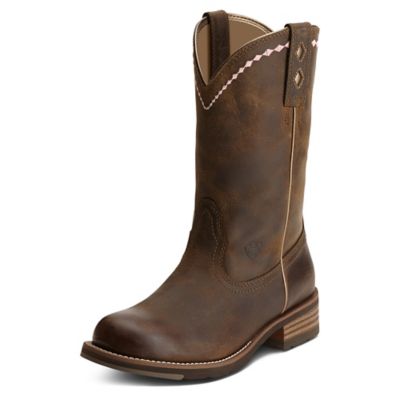
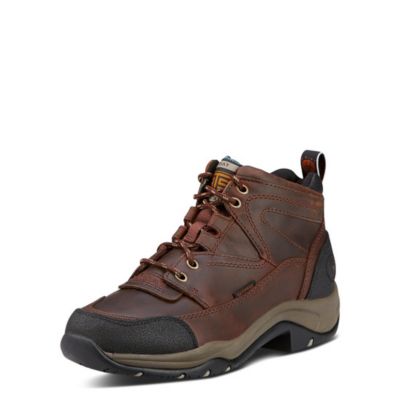
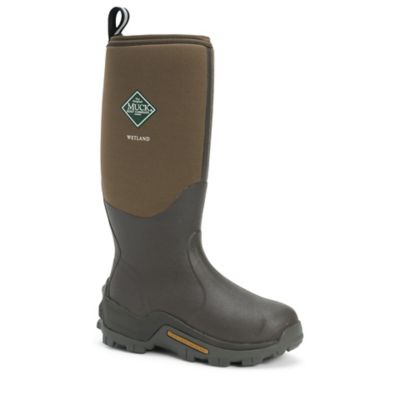
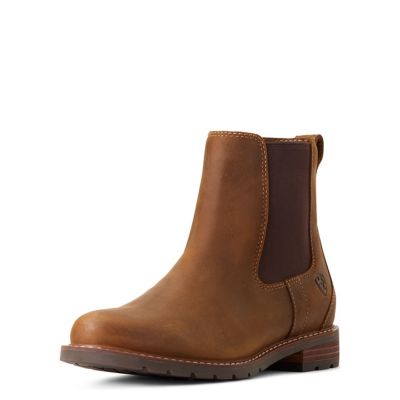
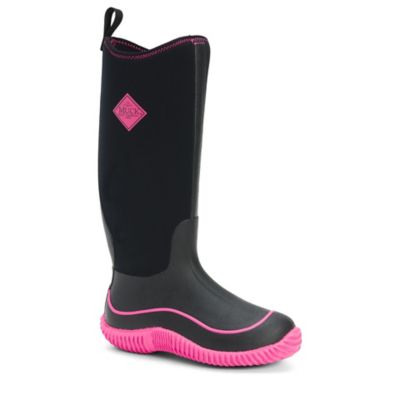
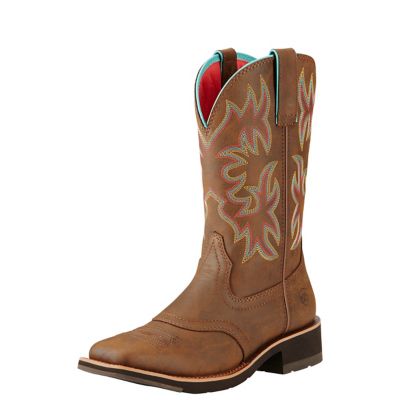
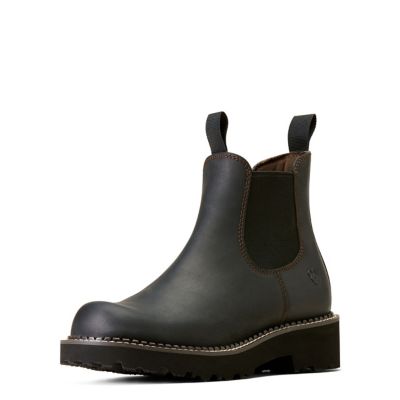
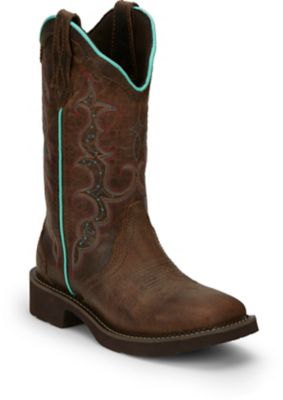
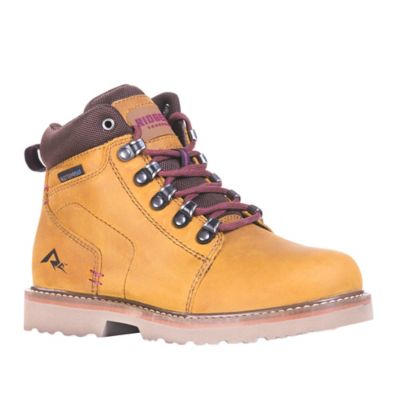
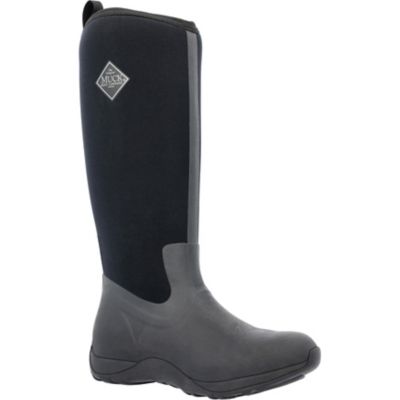
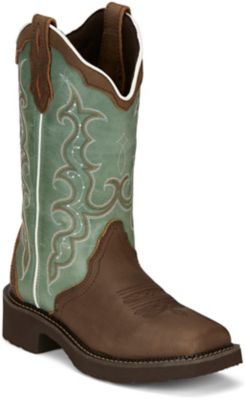
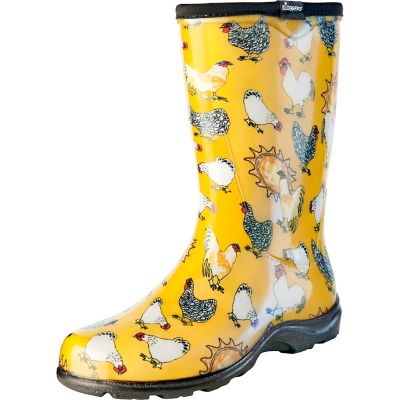
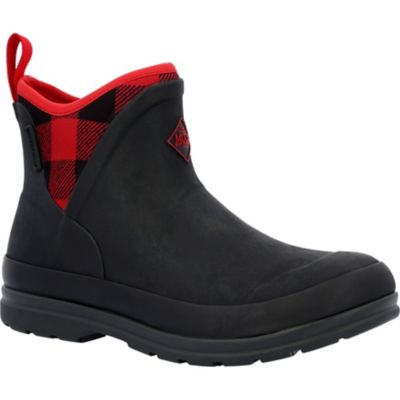
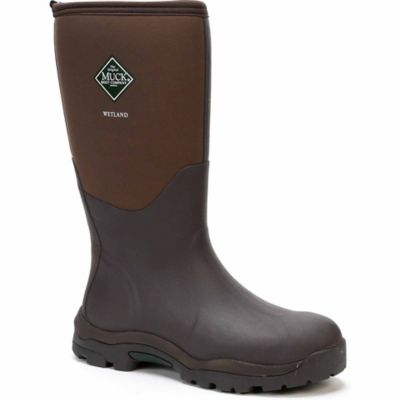
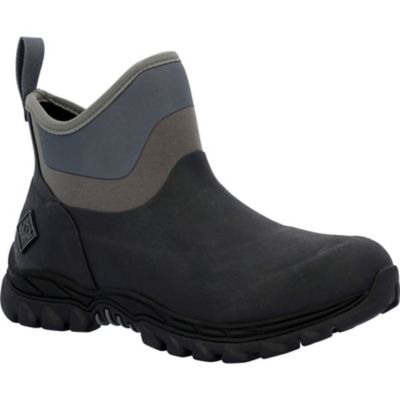
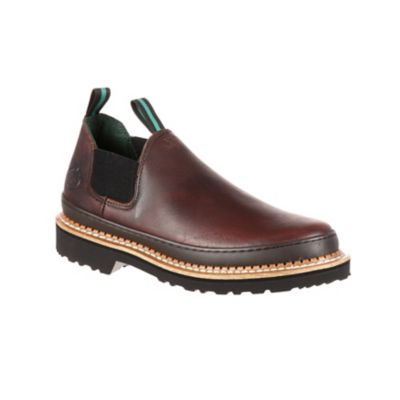
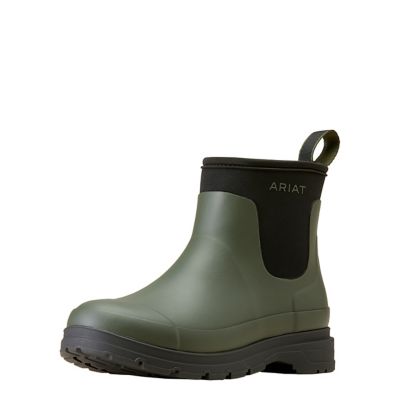
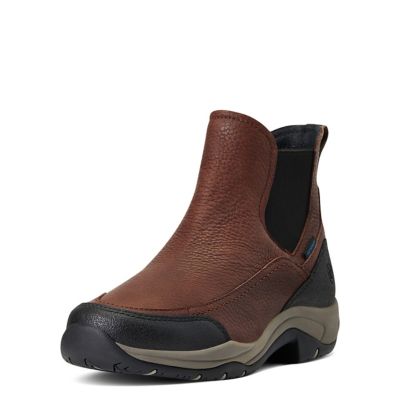
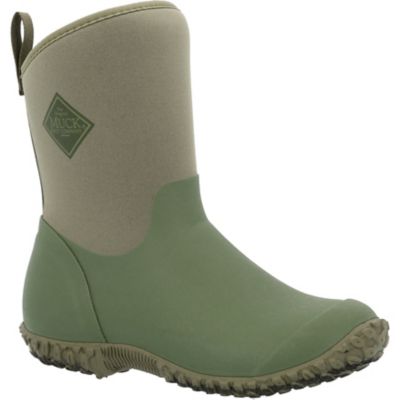
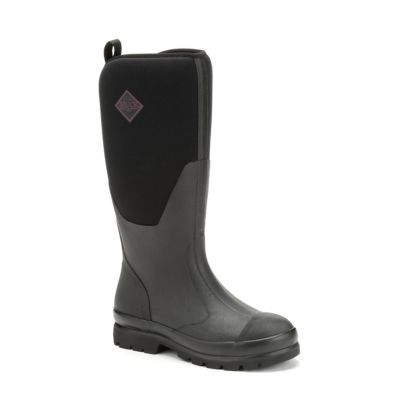
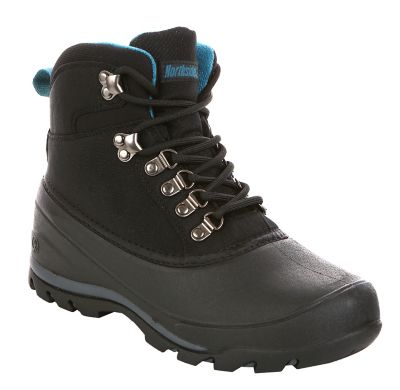
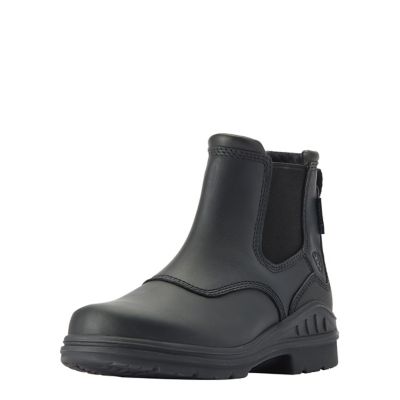
Women’s walking boots are built for time on foot, with coverage, cushioning, and traction suited to everything from gravel roads and town sidewalks to wooded paths. The right pair depends on the ground underfoot, the distance ahead, and the weather along the way. For a stroll down the lane or an afternoon of errands, a lighter boot with a flexible forefoot can feel less tiring than stiff footwear meant for rough country. Uneven trails call for a different balance: a more structured sole can help spread pressure from rocks and roots, while a secure heel fit helps limit movement inside the boot. Rubber outsoles with spaced tread patterns can shed loose dirt and offer grip on mixed surfaces, though no tread makes wet leaves, smooth rock, or ice risk-free. Deep lugs make more sense on soft ground than on long stretches of pavement, where a less aggressive tread may feel smoother. Ankle-height and mid-height designs add coverage against brush, grit, and cool air, but a taller collar alone does not prevent an ankle from turning. Underfoot cushioning, sole flexibility, and how firmly the boot holds the foot all matter during a long walk. Walking boots also overlap with light hiking footwear, though easy paths and rugged mountain routes place different demands on construction. A boot that feels comfortable walking the dog around the property may not have the stiffness or protection needed for carrying a loaded pack over rocky slopes. For everyday wear, a modest heel, a steady base, and enough flexibility for a natural stride are often more useful than heavy construction. During the cooler months, room for suitable socks and protection from damp ground can make a bigger difference than extra weight. These are practical boots for women who spend part of the day outdoors and want footwear that feels at home on a country path without becoming a chore to wear into town.
Materials influence how women’s walking boots feel, how much weather they can handle, and how they settle around the foot over time. Leather uppers generally offer a substantial feel and can soften with wear, while textile panels and synthetic uppers can reduce weight and help moisture escape. Suede and nubuck have a softer-looking surface but need care suited to their finish. Reinforced toe and heel areas can help resist scuffs from stones, steps, and the occasional scrape along a fence line. Waterproof construction may combine treated uppers, sealed seams, and an internal membrane; water-resistant materials alone are not the same as a fully waterproof design. For dewy grass, puddled paths, and stretches of wet weather,
women’s waterproof walking boots offer a related option worth considering. Water can still enter over the collar, and even breathable waterproof footwear can feel warm during brisk walking. Insulated boots serve a different purpose from waterproof boots: insulation helps retain warmth, while waterproofing helps keep outside moisture from reaching the foot. Too much insulation can feel stuffy when the pace picks up. Fit brings all those features together. Toes need space to spread and move without pressing against the front on a downhill stretch, while the heel should stay reasonably secure rather than sliding with every step. A snug midfoot should not mean squeezing across the widest part of the foot. Trying boots with the socks intended for walking gives a better sense of everyday fit, especially later in the day when feet may be slightly fuller. Lace-up designs allow tension to vary across the foot and around the ankle, and a padded tongue can soften pressure beneath the laces. Removable footbeds may leave room for a preferred insert, provided the change does not crowd the toes or lift the heel too high. Break-in time can soften some materials, but it will not fix a boot that is too short or too narrow.
Comfort over repeated wear also depends on small construction details that are easy to overlook at first glance. A smooth lining can reduce rubbing, a gusseted tongue can help keep out loose grit, and firmly attached lace hooks or eyelets help maintain an even fit. Flex points should bend with the foot rather than dig into it. Seams around the toe, heel, and sides take regular strain, particularly when a route switches between dry gravel and damp grass. For women walking several miles at a time, boot weight matters because every step lifts it again; for shorter outings over rougher ground, a little extra structure may be a worthwhile trade-off. Socks matter, too. Wool blends and moisture-managing synthetic fabrics can help move perspiration away from the skin, and a sock that stays in place is less likely to bunch beneath the arch. Walking boots are useful for daily dog walks, campground paths, outdoor gatherings, and unhurried laps around the property, but they are not substitutes for task-specific work footwear where safety toes, puncture protection, or other rated features are required. Keeping boots in good shape starts with removing mud and grit before they harden around seams and tread. A soft brush and the cleaning method recommended for the upper material are usually a better match than harsh cleaners or a trip through the washing machine. Damp boots should dry with gentle airflow away from a stove, radiator, or other strong heat source that can affect leather and adhesives. Taking out removable footbeds and loosening the laces helps the inside air out. Leather conditioners and water-repellent treatments should match the material and the manufacturer’s care directions. Worn tread, separating soles, and persistent rubbing are signs that a pair deserves closer attention. As a gift for someone who enjoys a morning walk or time outdoors, walking boots make the most sense when her size, width, and preferred fit are known. A well-fitting pair earns its place by making the ordinary miles feel easier, whether the route ends at the mailbox, the trailhead, or the back porch.