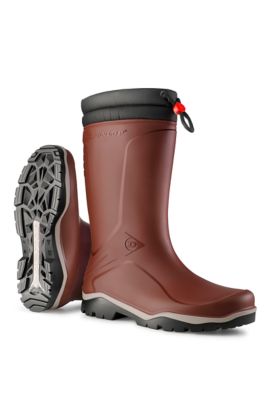
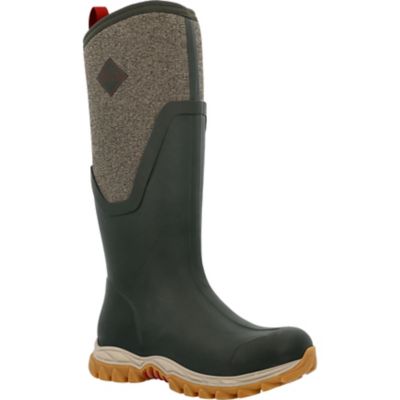
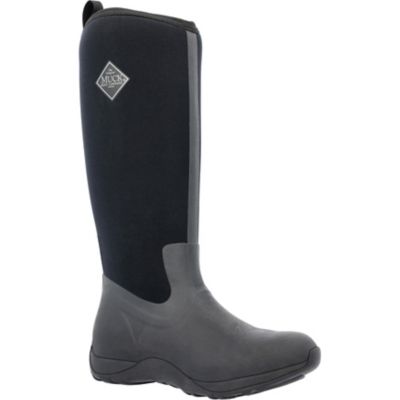
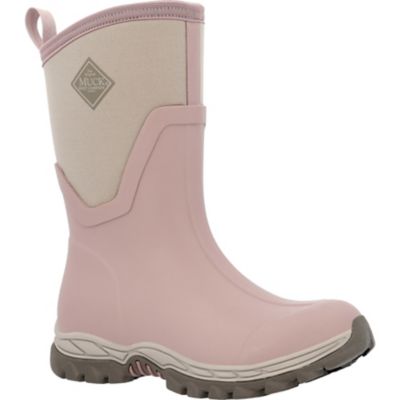
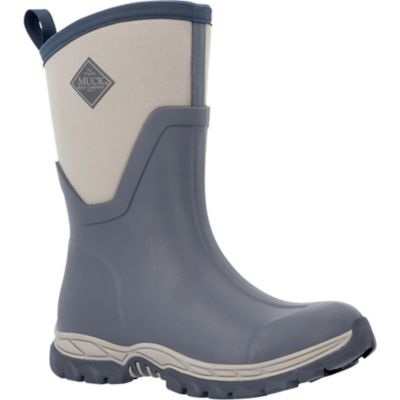
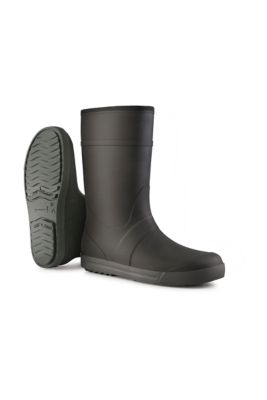
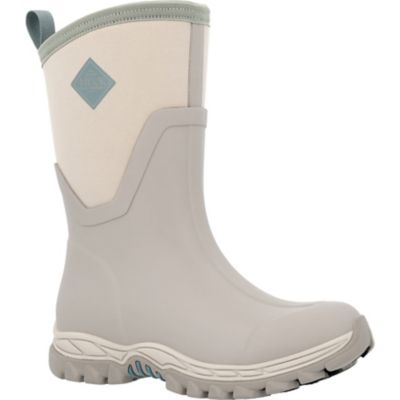
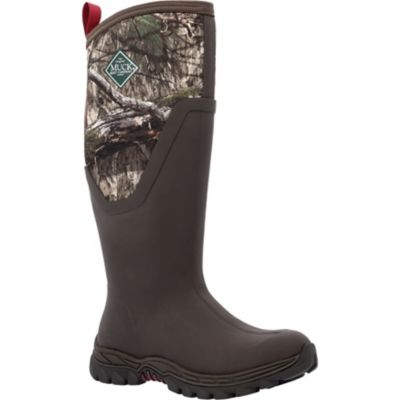
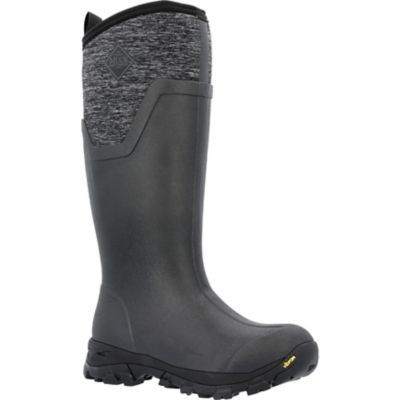
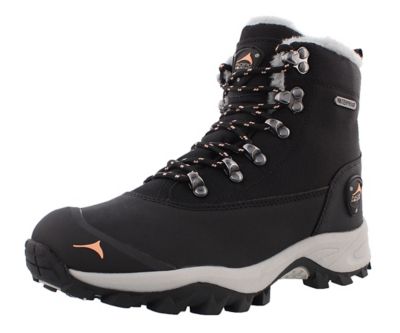
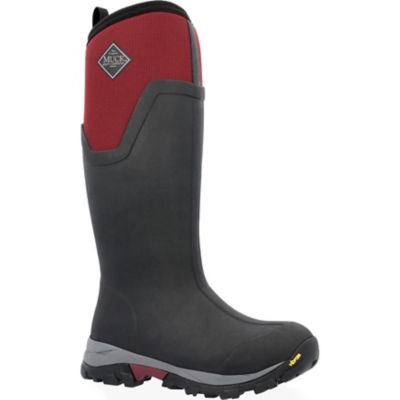
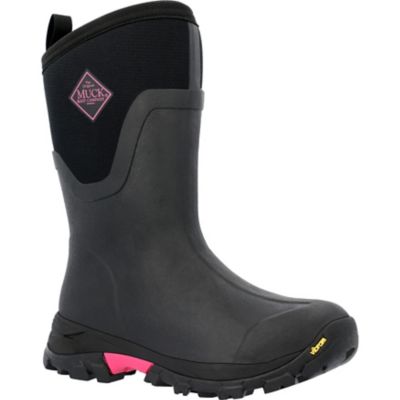
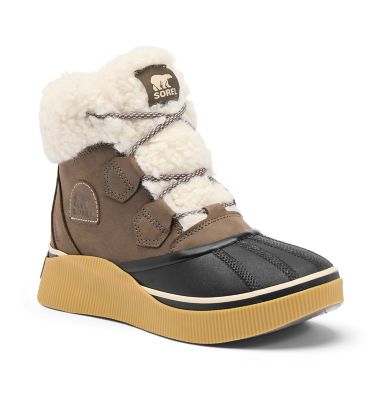
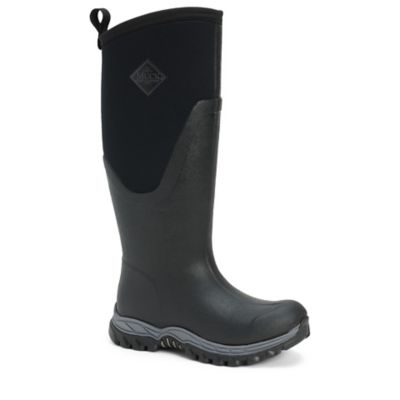
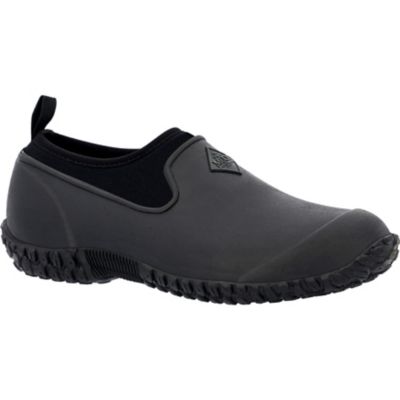
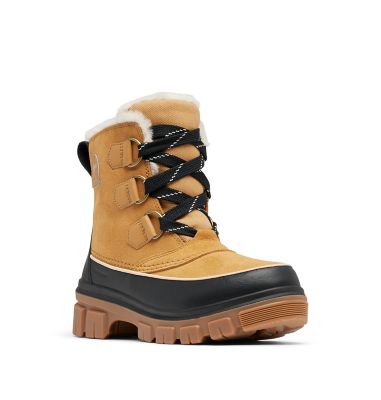
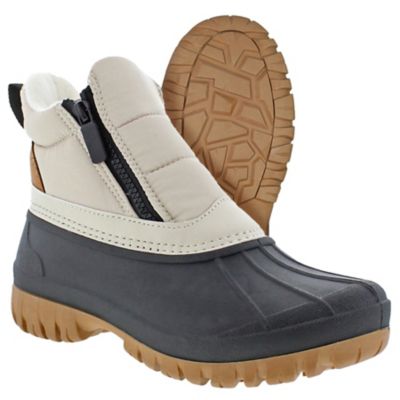
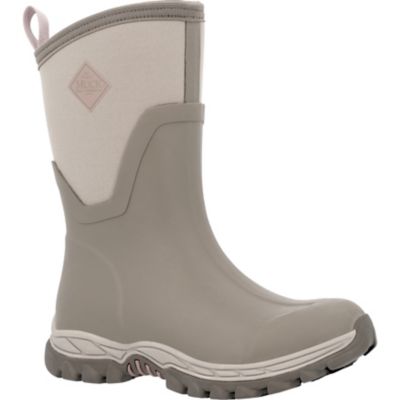
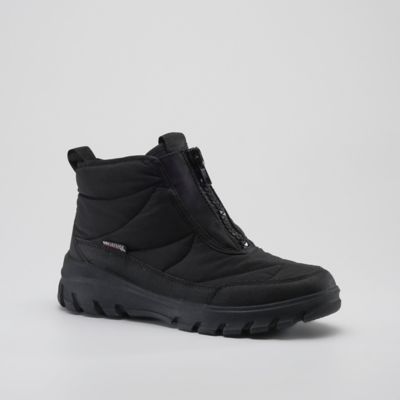
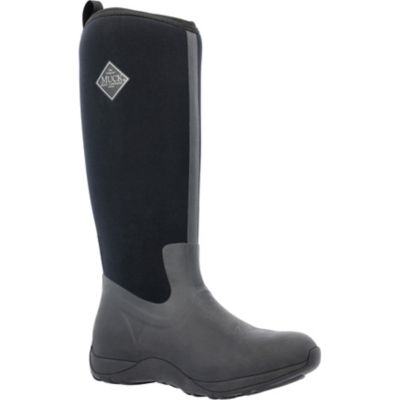
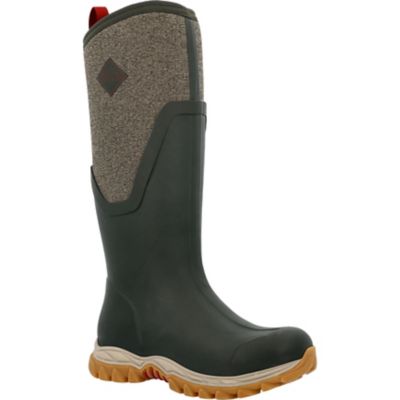
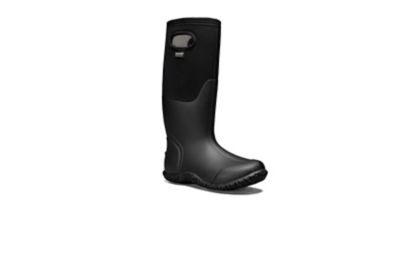
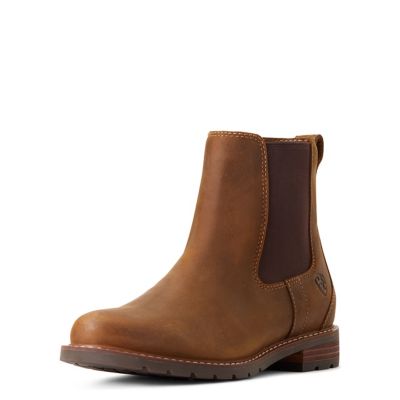
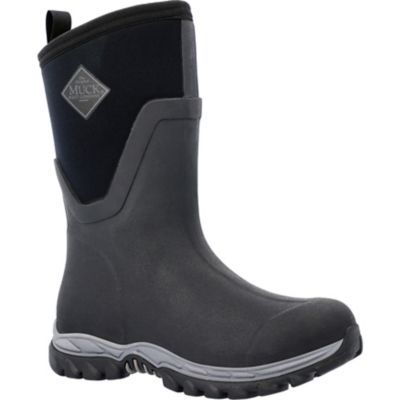
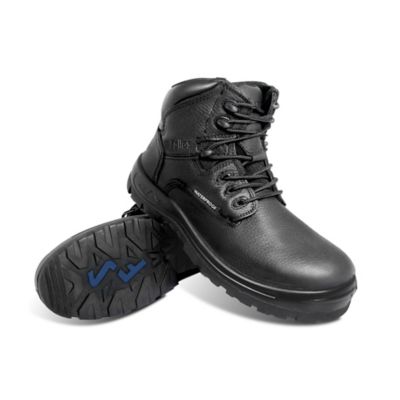
Women’s winter walking boots bring together cold-weather coverage, underfoot support, and traction for everyday routes that don’t stop at the pavement. A walk down a gravel lane, a trip across a snowy parking lot, or an afternoon on a packed trail can call for different features, but waterproof protection, suitable insulation, and a grippy outsole are good starting points. Waterproof construction helps keep melted snow and slush from reaching socks, while insulation helps hold warmth around the foot. The right balance depends on how far and how briskly someone walks, along with the conditions underfoot. A heavily insulated boot that feels comfortable while standing around may feel too warm on a steady uphill walk. Water-resistant uppers can handle light moisture, but they aren’t the same as a waterproof design with sealed seams or a waterproof membrane. Water can also enter over the collar, making shaft height worth considering around deeper snow. Leather uppers offer a substantial feel and can soften with wear, while synthetic fabrics often provide lighter weight and flexibility. Rubber around the lower foot helps shed wet slush and makes muddy splashes easier to wipe away. Fleece, fabric, and other insulating linings each have a different feel against the sock, and moisture-managing materials help move perspiration away from the foot. Breathability matters even when the ground is frozen, since damp socks can leave feet feeling chilled once the walking pace slows. An ankle-height boot allows easy movement for errands and shorter outings, while a taller shaft offers more coverage along snowy paths. Walking styles generally favor a balance of protection and flexibility rather than the stiffness needed for technical climbing or specialized work. For women who head out with the dog, walk between outbuildings, or take the long way around the neighborhood, that balance can make the distance feel more comfortable without weighing down every step.
Underfoot construction makes a difference on routes where surfaces change from one stretch to the next. Rubber outsoles formulated to stay flexible in low temperatures can help the tread maintain contact with the ground, while well-spaced lugs give loose snow and mud room to clear. Deeper tread can bite into softer ground, but lug depth alone doesn’t tell the whole story on a smooth, frozen surface. The rubber compound, tread pattern, and surface conditions all matter, and no walking boot can guarantee a steady grip on ice. Wet entryway floors and polished concrete can be slick, too, especially when snow is still clinging to the sole. Inside the boot, cushioning helps soften repeated steps on hard surfaces, while a supportive footbed and stable heel can make longer walks more comfortable. Flex through the forefoot allows a natural stride; a boot that feels stiff or catches at the ankle may be less pleasant over a mile than it seems during a quick try-on. Fit deserves just as much attention as tread. Toes need room to move without the foot sliding forward, and the heel should feel held without rubbing. The socks intended for winter walks belong in the fitting process, since a thicker pair changes the space inside the boot. Squeezing extra socks into a close fit can create pressure and crowd the insulation rather than add comfort. A roomy toe box, a secure midfoot, and enough depth for a preferred footbed can help different foot shapes settle in comfortably. Laces allow tension to change across the foot and ankle, while pull-on openings and zippers offer different ways to get boots on and off. Collar padding and tongue construction also affect comfort, particularly where a boot meets the shin. For routes that mix walking with brief stops at a gate, mailbox, or trail overlook, manageable weight matters as well. A substantial-looking boot isn’t automatically the better walking boot if it makes every step feel like extra work.
Everyday details often decide which pair gets pulled on before heading out the door. A collar that works with straight-leg jeans, an opening that accommodates winter socks, and a sole that bends comfortably on porch steps all have a place alongside weather protection. Smooth leather, textured suede, woven panels, and rubber lower sections bring different looks and upkeep needs, so the best match fits both the walking routine and the care someone is willing to give. Leather benefits from cleaning and a compatible conditioner when recommended, while suede generally calls for a suitable brush and treatment that won’t change its finish. Salt and grit should come off before they sit on the upper, seams, or hardware for long. A soft brush or damp cloth can handle much of that everyday cleanup, with the boot maker’s directions guiding any deeper cleaning or waterproofing treatment. After a wet walk, opening the tongue and removing removable footbeds helps trapped moisture escape. Room-temperature drying is gentler than setting boots against a stove, heater, or other strong heat source, which can affect leather, adhesives, and linings. Letting the inside dry fully between outings also helps keep the next walk comfortable. Checking tread wear, loose stitching, and cracked material makes it easier to spot when protection or footing may be changing. Women’s winter walking boots can make a thoughtful gift for someone who enjoys neighborhood walks, outdoor errands, or time on country paths, especially when their size, preferred sock weight, and usual routes are known. For a walking partner who needs a different fit,
Men's Winter Walking Boots offers a related place to browse. Whether the regular route follows a fence line or loops past town sidewalks, boots matched to the distance, footing, and pace help keep attention on the walk instead of cold toes, rubbing heels, or wet socks.