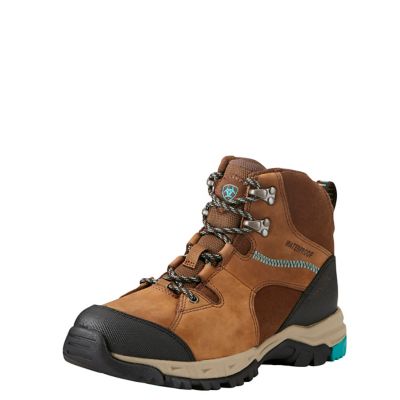
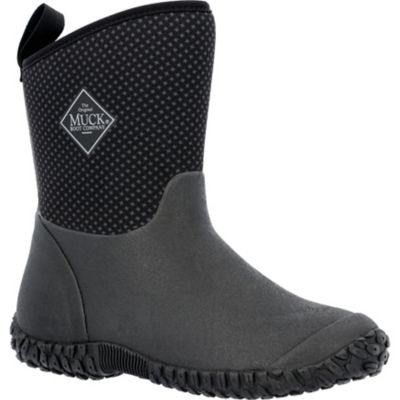
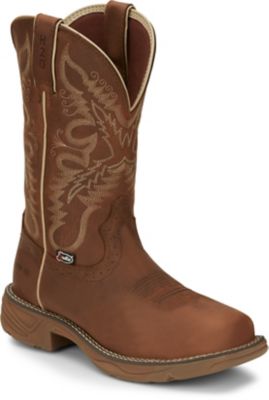
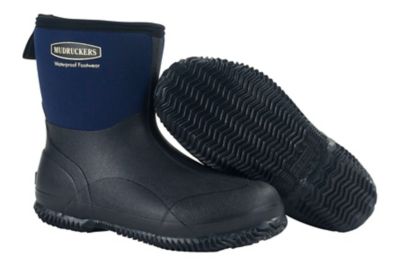
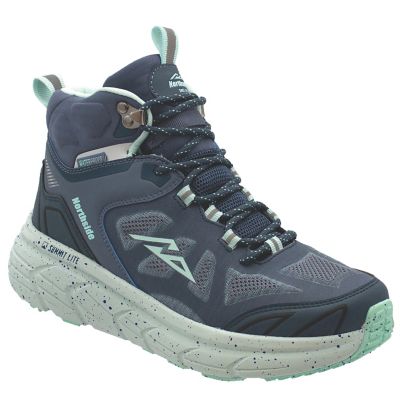
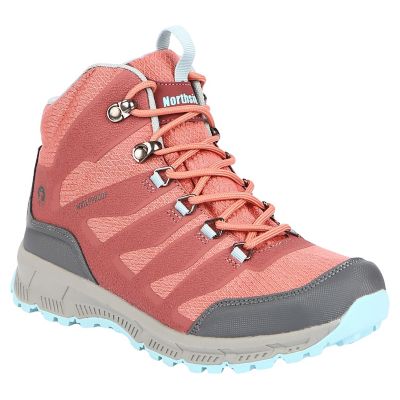
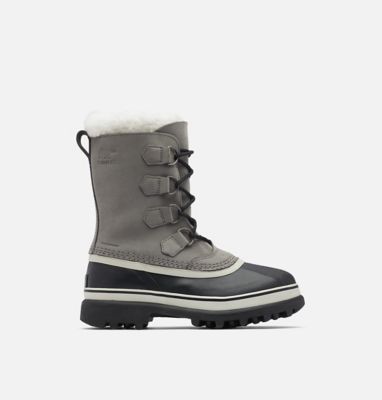
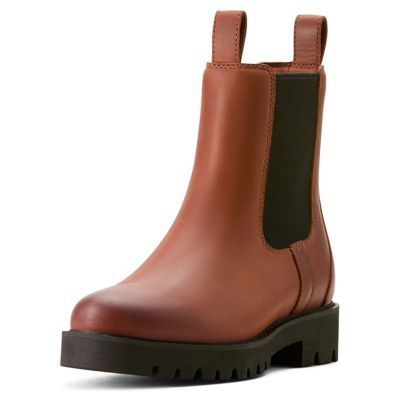
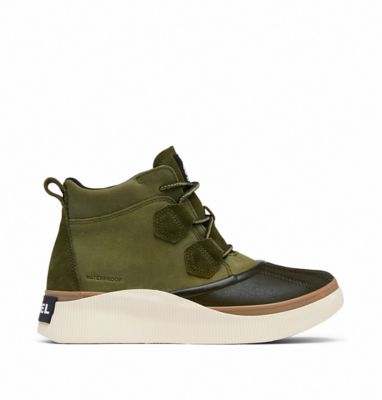
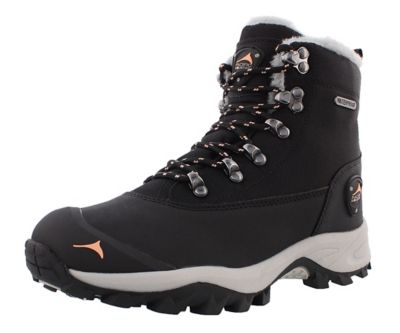
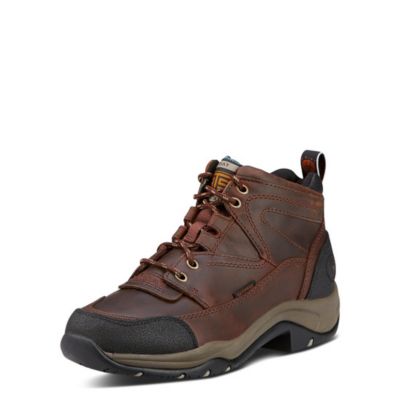
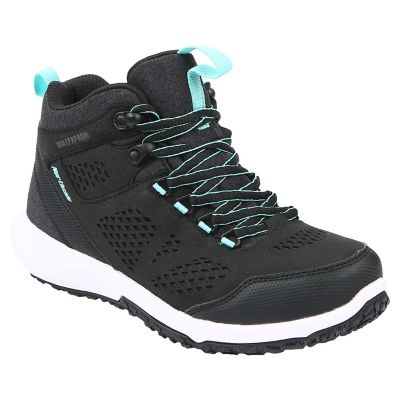
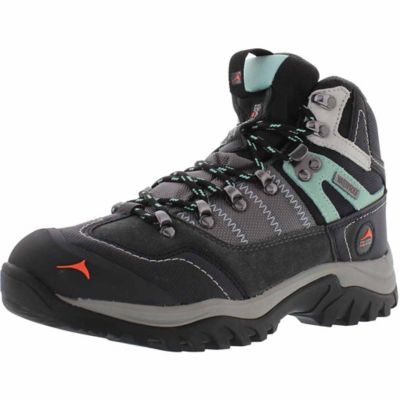
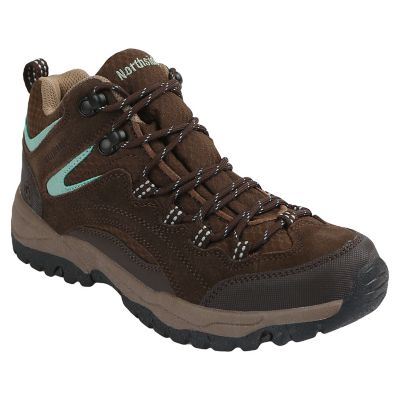
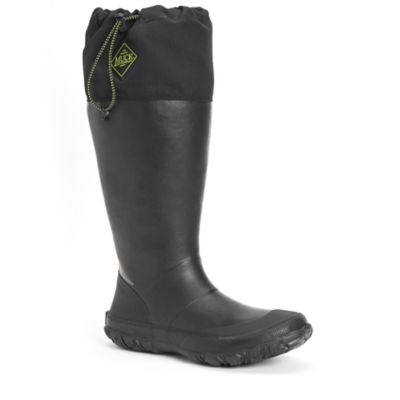
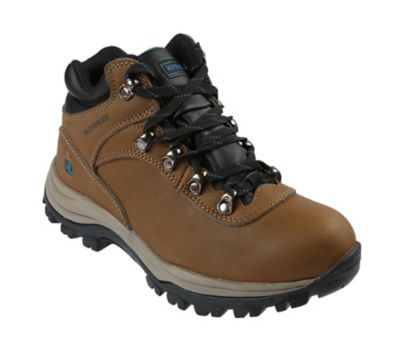
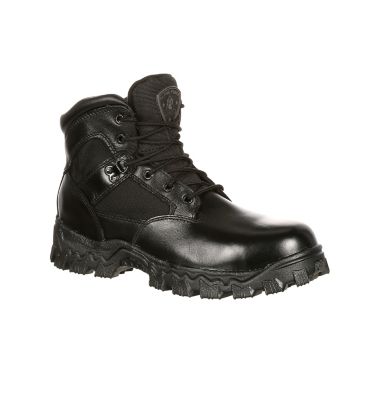
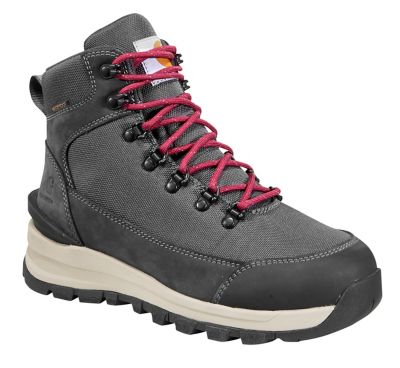
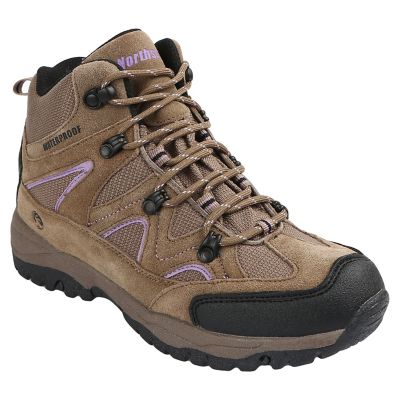
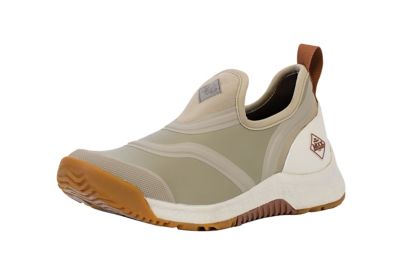
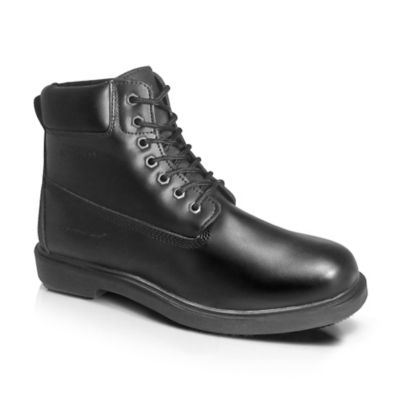
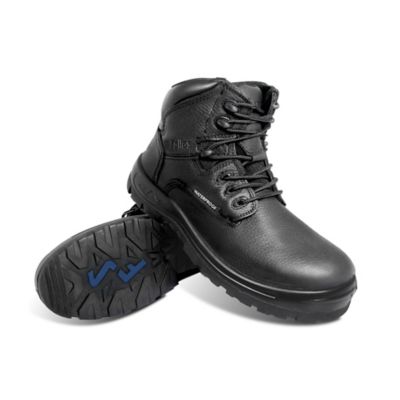
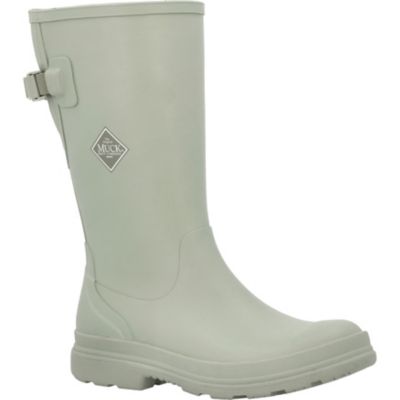
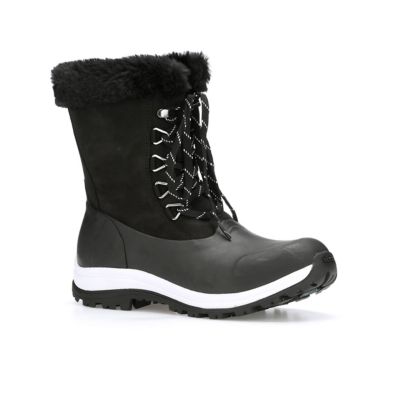
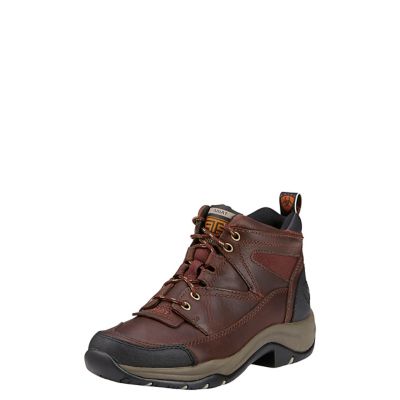
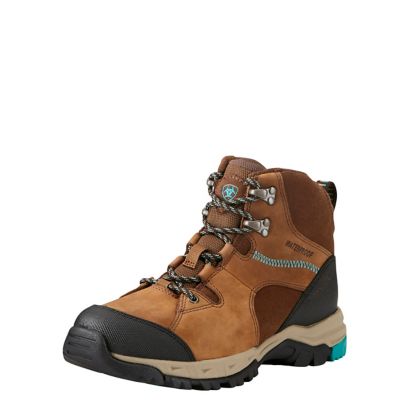
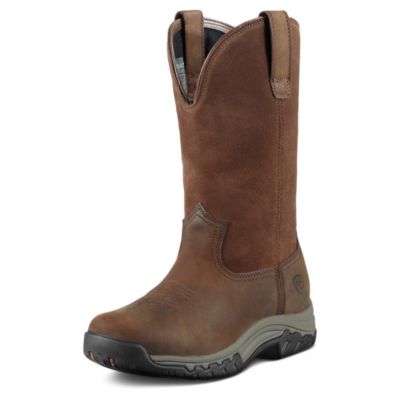
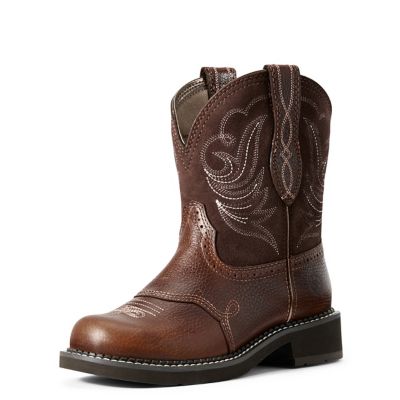
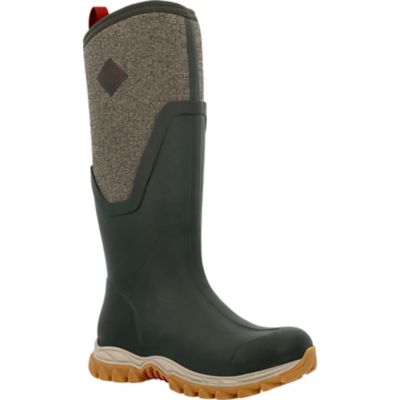
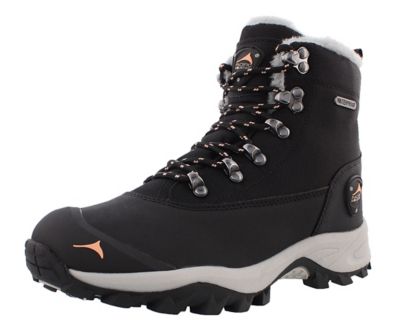
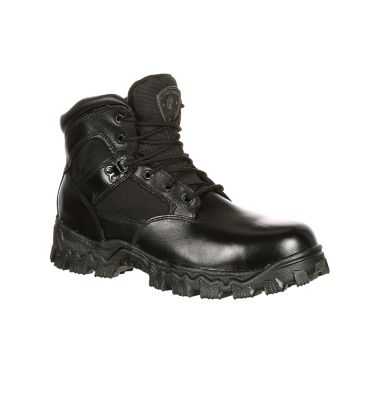
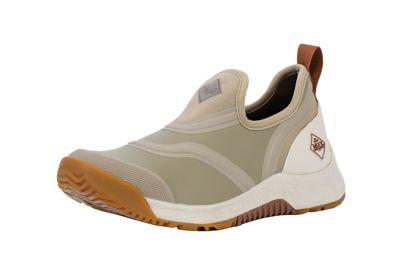
Women’s waterproof walking boots help keep feet dry and comfortable when the day takes you across dew-soaked grass, down a gravel lane or along a trail still damp from an overnight rain. This footwear brings together protection from outside moisture, underfoot cushioning and tread suited to outdoor walking, with designs ranging from lighter, flexible boots to more structured options for uneven ground. The right balance depends on where those miles happen. A morning walk along a maintained path calls for a different feel than a long loop over roots, loose stones and muddy creek banks. Waterproof construction may include a membrane beneath the outer material, sealed seams or a waterproof shell, depending on the design. A water-repellent finish alone does not provide the same protection as a complete waterproof barrier, so construction details matter more than how rugged a boot looks. Leather uppers can offer structure and resistance to scuffs, while textile panels can reduce weight and help the boot flex with each step. Mixed-material uppers often balance those traits, and reinforced toes and heels add protection in areas that brush against rocks, steps and rough ground. A gusseted tongue, attached along its sides, helps limit openings where water and grit can enter, though its height varies between designs. Even waterproof boots have limits: water can enter over the collar, and a shallow-looking puddle may be deeper than expected. Breathable waterproof membranes allow some moisture vapor to escape, but feet can still feel warm during a brisk walk or a long climb. For women who walk the back roads, take the dog around the property or enjoy a wooded trail on the weekend, these details make waterproof walking footwear practical beyond a single setting. During the cooler months, protection from wet ground is especially welcome when damp leaves collect along the fence line and grassy shortcuts stay wet well into the day.
Comfort in women’s waterproof walking boots starts with a fit that leaves room for the foot to move without letting it slide around inside. Toes need space to spread and enough clearance that they do not bump the front on a downhill stretch, while the heel should stay reasonably steady rather than lifting and rubbing with every stride. Width matters just as much as length; going up a size to escape pressure across the forefoot can leave too much movement elsewhere. Trying boots with the socks intended for regular walks gives a better sense of fit, especially when cooler weather brings thicker wool-blend pairs into the rotation. Feet often swell somewhat through the day, so a comfortable afternoon fit can be more telling than a quick try-on first thing in the morning. Cushioned midsoles soften repeated steps on packed dirt and gravel, while firmer platforms can feel steadier underfoot on rougher paths. More cushioning is not automatically better for every walker, and a boot that feels soft while standing may feel different after a mile. Removable footbeds can make room for compatible inserts, provided the added volume does not crowd the toes or raise the heel too high. Lacing allows adjustment through the forefoot and around the ankle, which helps when feet differ slightly in shape. A padded mid-height collar can offer coverage and a secure feel, but collar height alone does not guarantee ankle stability. The sole’s shape, the boot’s overall structure and the way it holds the foot all play a part. Rubber outsoles with spaced lugs can shed mud more readily than tightly packed tread, while a defined heel edge can help with footing on slopes. No tread makes wet wood, slick rock or ice slip-proof. On mixed routes that include pavement, open fields and a muddy stretch near the gate, a balance of flexibility, tread depth and manageable weight often feels more natural than a stiff boot built for heavier work.
Everyday wear also brings attention to the small construction details that help waterproof walking boots hold up over time. Secure stitching, protected seams and reinforcement around high-contact areas are worth considering for routes with brush, gravel and frequent toe scuffs. Leather may need an initial period of gentle wear to soften, while some fabric-based designs feel flexible sooner; neither should require putting up with pinching or numbness. Intended use matters here, too. Walking boots suit recreational miles and many everyday outdoor errands, but waterproof construction does not mean a pair has a protective safety toe, electrical hazard protection or the chemical resistance needed for certain jobs. Around a working property, footwear should match the task as well as the weather. Routine care helps preserve both comfort and water protection after wet outings. Brushing away loose dirt, rinsing off mud as the care instructions allow and clearing stones from the tread keep debris from building up around seams and underfoot. After a soaking, loosening the laces and removing removable footbeds helps the inside dry more evenly. Air-drying away from direct heat is gentler on leather, adhesives and waterproof components than setting boots against a stove or radiator. Cleaning products, leather conditioners and water-repellent treatments should match the upper material and the manufacturer’s directions, since not every treatment suits every waterproof design. Storing boots clean and dry also makes the next early walk a little easier, with no stiff layer of yesterday’s mud waiting by the door. For colder routes,
Women's Winter Walking Boots offer a related category to consider when insulation and cold-weather features become part of the decision. Waterproofing and warmth are separate traits, and uninsulated boots may be a better match for active walks in milder conditions. A pair can also make a thoughtful gift for a regular walker when her size, width and preferred fit are known. From the first damp stretch of the lane to the last muddy step back onto the porch, well-fitting waterproof walking boots help make outdoor time more comfortable.