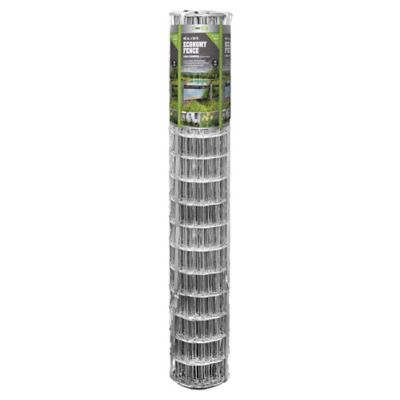
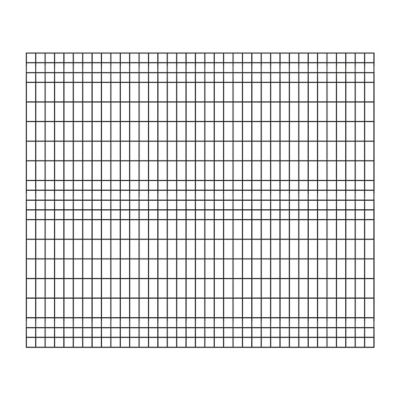
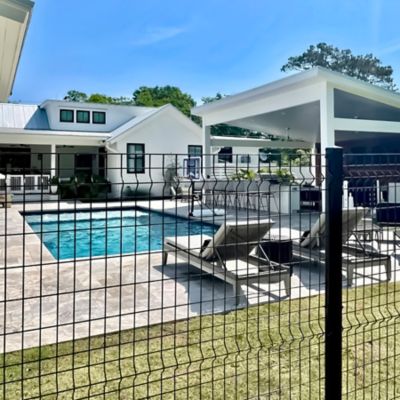
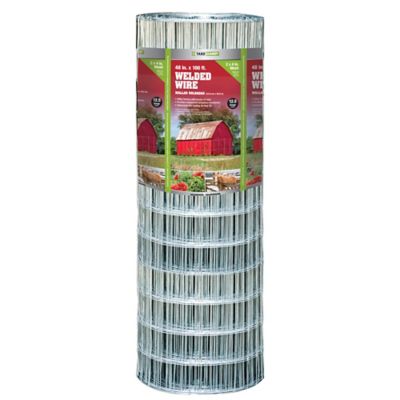
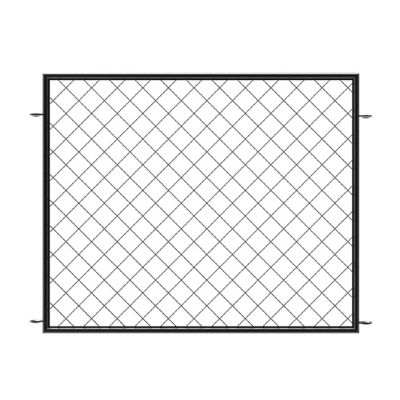
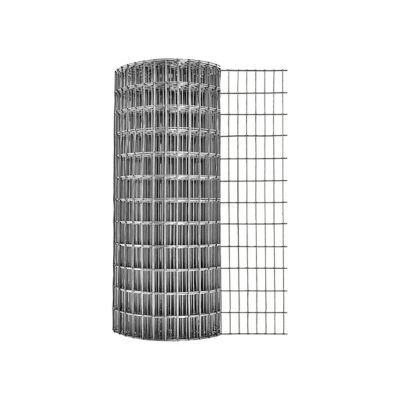
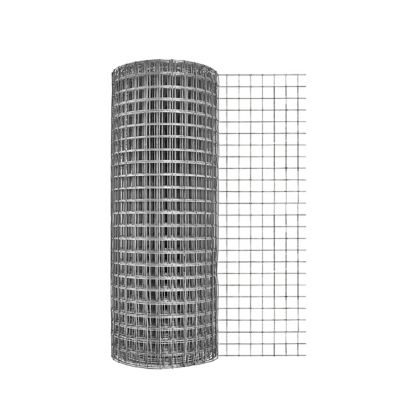
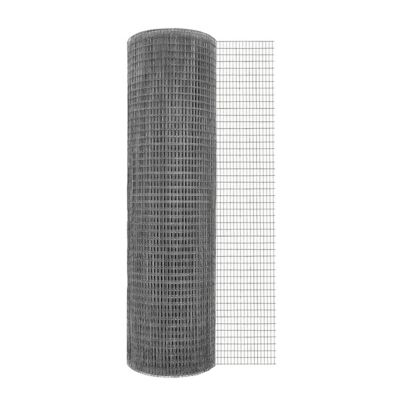
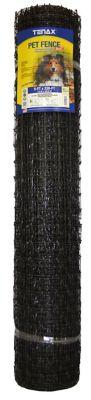
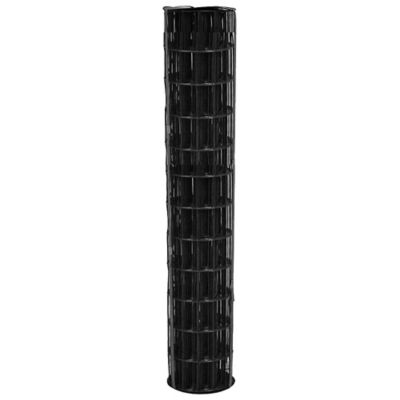
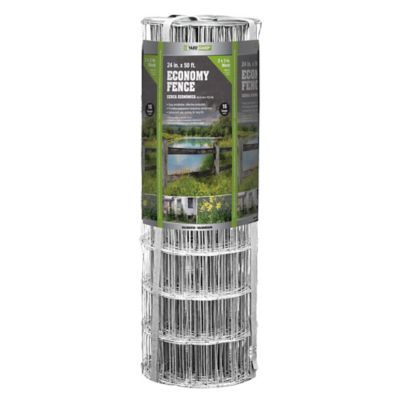
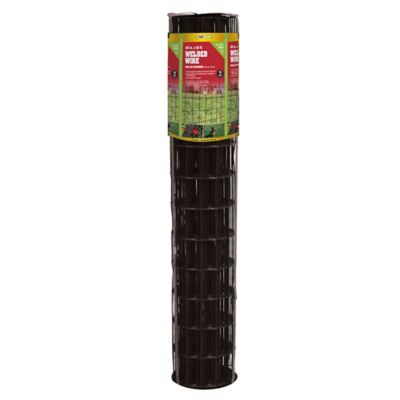
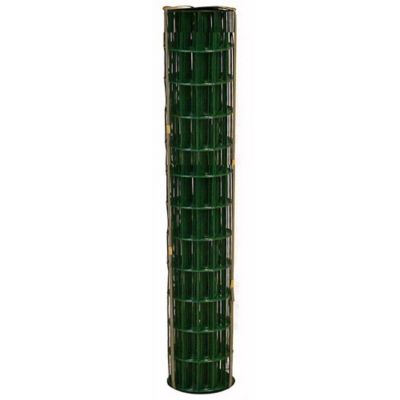
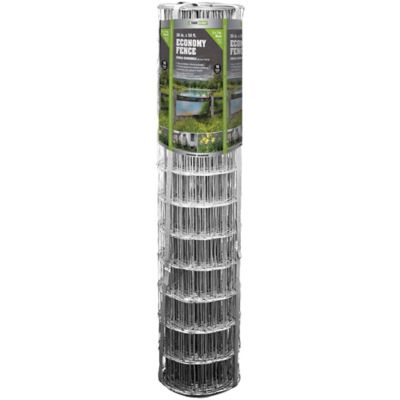
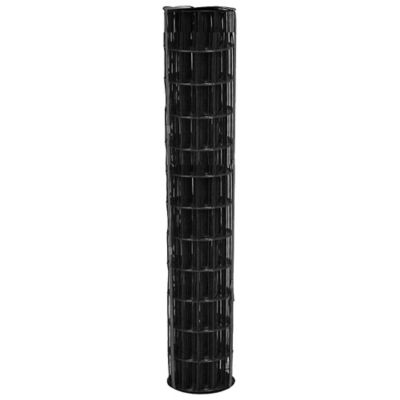
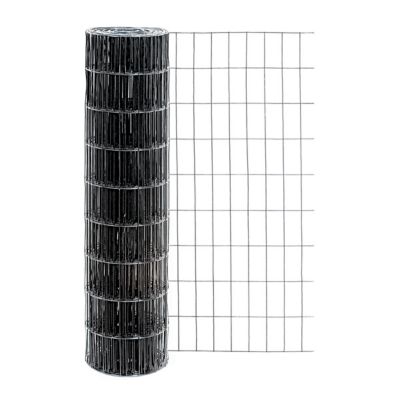
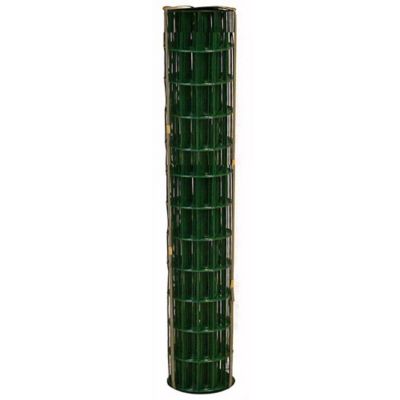
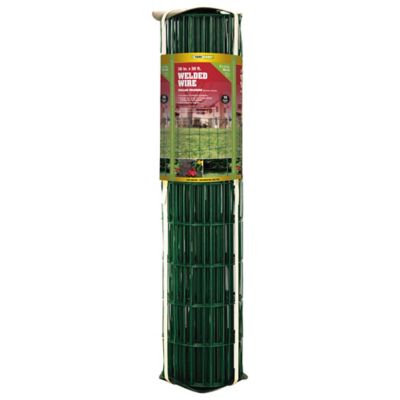
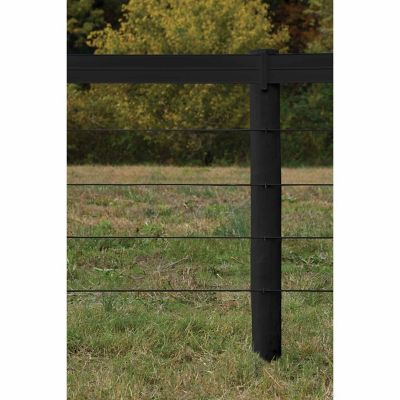
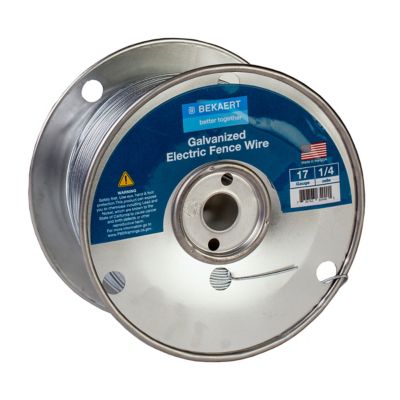
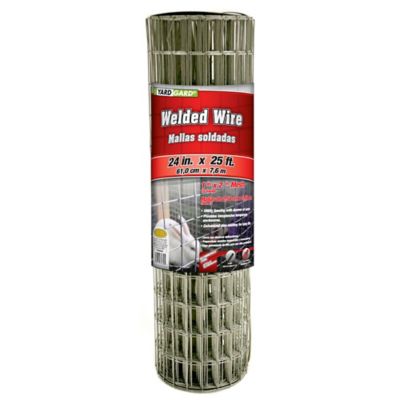
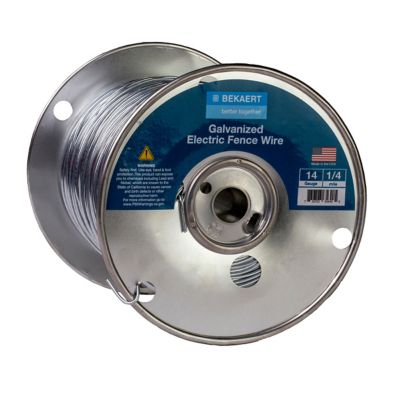
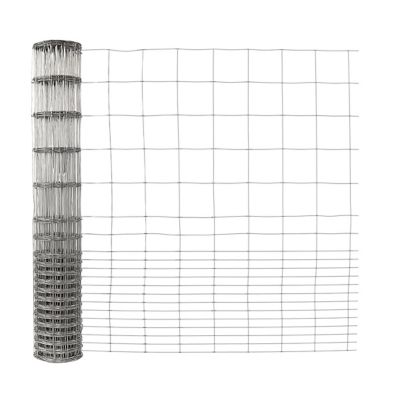
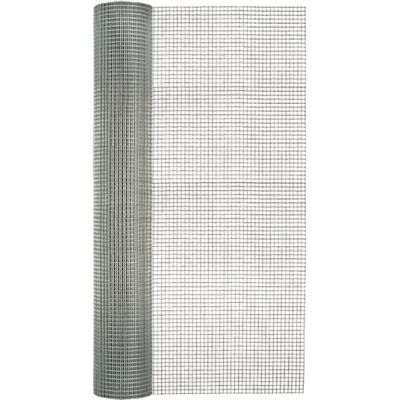
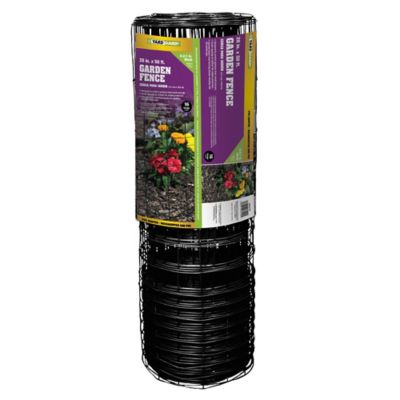
When you’re looking for the most affordable fencing, start with the job the fence needs to do rather than the look you have in mind. A low-cost boundary for a large rural property has different needs than a small enclosure for a dog, garden, chickens or backyard play area. Wire fencing is often a practical place to begin because it uses fewer materials than a solid privacy barrier, covers a lot of ground and can be paired with posts suited to your soil and layout. Galvanized chain-link is a familiar choice for long-lasting perimeter fencing and everyday pet containment, while welded wire and field wire are useful for gardens, livestock areas, pasture edges and larger spaces where visibility and airflow matter. Split-rail styles can give a property a relaxed country look and clearly mark a boundary, but they generally need mesh or another layer when the goal is to contain small pets or keep critters out. Traditional wood picket fencing can add charm around a home, garden or driveway, though it may require more upkeep over time, including staining or sealing to help protect it from moisture, sun and changing temperatures. For a closer look at practical options suited to country properties, browse
Fencing Supply For Rural Homes. Comparing the intended use, total length and amount of privacy needed can help narrow the field before you buy, and it can keep a budget-friendly project from becoming a costly one.
The fence material is only part of the total cost. Posts, connectors, gates, hinges, latches, corner supports and installation tools can add up quickly, especially on uneven ground or at corners where extra bracing is needed. Measure the full run before shopping, then account for gates, turns, slopes and openings along the way. A shorter fence may be all that’s needed to define a flower bed, keep a pet near the house or make a visible line along a driveway, while a taller barrier may be necessary for privacy, livestock control or keeping determined animals from climbing or jumping over it. Choosing a modest height when a tall fence is not required can reduce the amount of material and labor involved. No-dig anchoring systems can also make sense for lighter-duty projects, temporary runs and areas where digging is difficult, although permanent installations and heavy-use enclosures may call for firmly set posts and additional support. Soil conditions matter, too. Rocky ground, loose sand, wet areas and hard-packed clay each affect how posts should be installed and how well the finished fence will hold up. Before setting anything, check property lines, buried utilities, drainage paths and local rules that may apply to fence height or placement. In rural areas, it is also worth thinking about tractor access, mower clearance and the path used for moving feed, firewood or equipment. Leaving enough room around gates and corners can save a lot of frustration when the ground is muddy or a loaded trailer needs to pass through.
Affordable fencing works best when it matches the animals, weather and daily routine of the property. A garden enclosure may need openings small enough to discourage rabbits and other nibbling visitors, while a livestock boundary needs strength, visibility and secure fastening at every post. For dogs, look closely at the fence height, mesh spacing and gate latch, since a determined dog may squeeze through a wide opening, dig beneath the bottom edge or test a loose gate. If privacy is the main goal, an open wire fence can serve as a sturdy frame for natural screening, climbing plants or other outdoor coverings, giving you a softer look without the upfront cost of a fully solid wall. Keep in mind that plants grow at their own pace and need room, water and regular trimming. During the warmer part of the year, vegetation can press against the fence and hold moisture, while cooler, wetter weather may reveal loose posts, sagging sections or spots where water pools near the base. A quick walk of the fence line, tightening hardware and clearing brush can help extend its useful life. Galvanized materials generally need less attention than untreated metal, and treated wood can last longer when water is allowed to drain away and damaged areas are addressed early. Whether you’re marking a property line, protecting a garden, creating a safe run for pets or organizing a working farmyard, the most affordable fencing is the option that handles the task without adding unnecessary material, labor or maintenance.