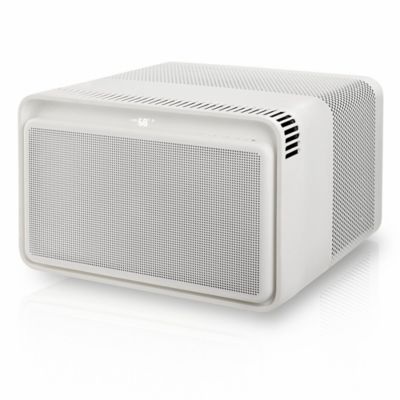
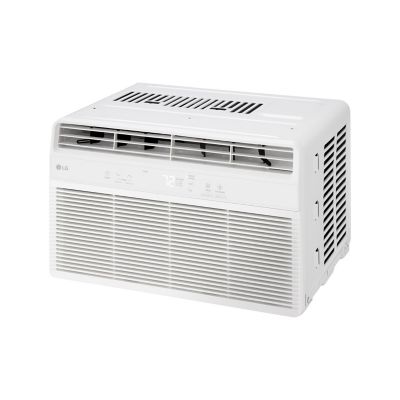
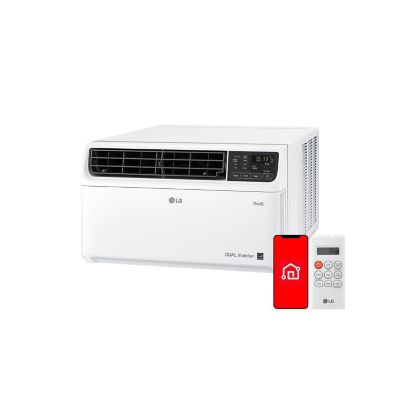
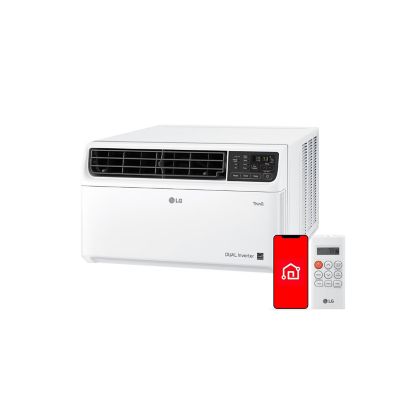
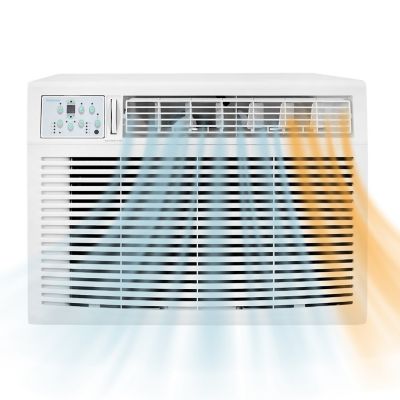
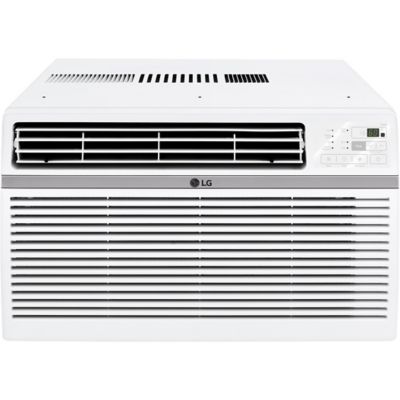
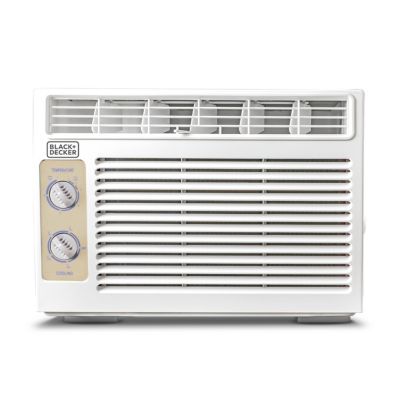
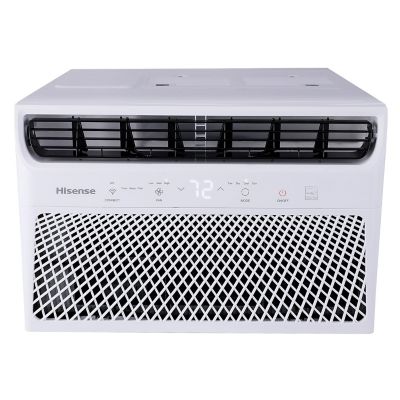
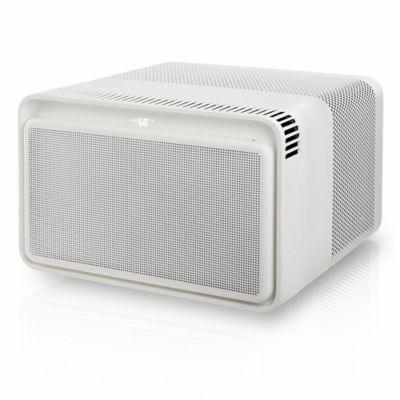
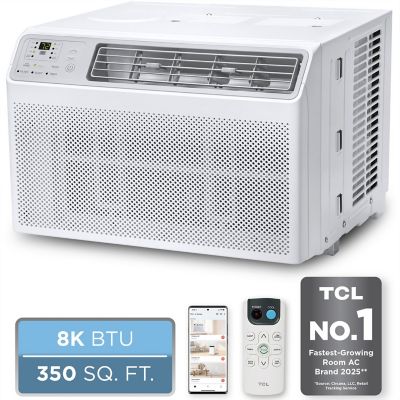
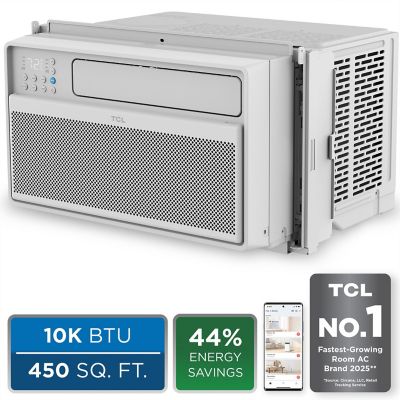
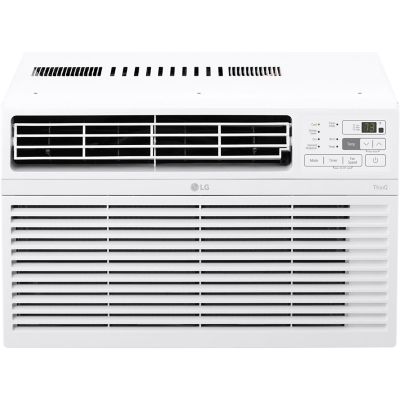
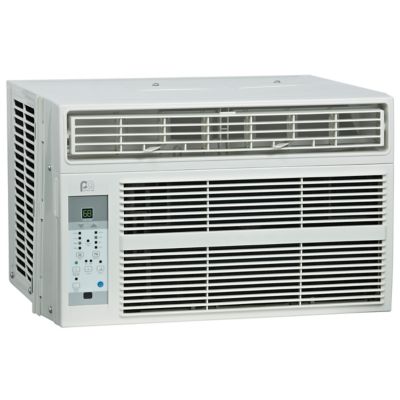
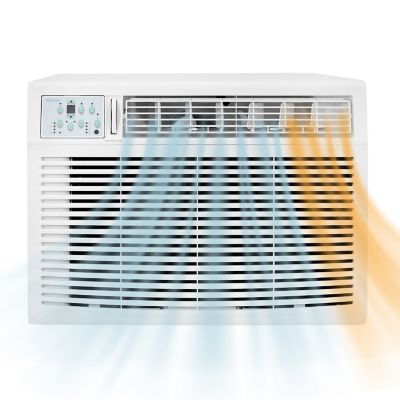
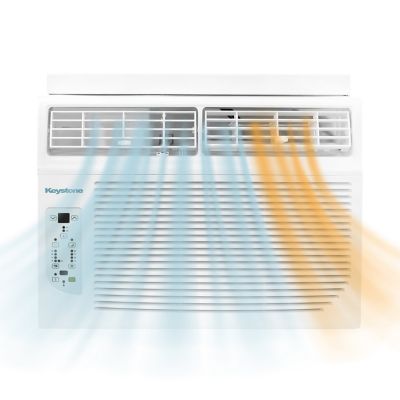
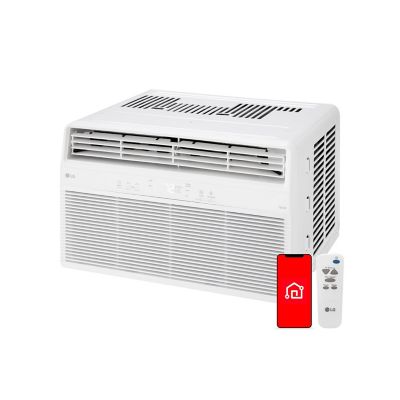
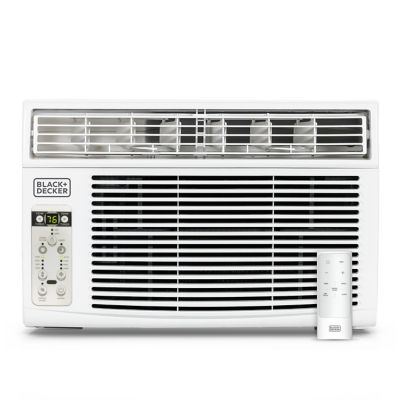
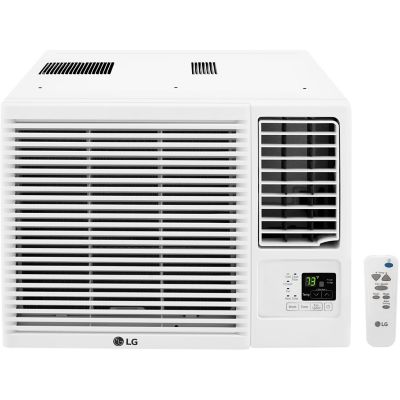
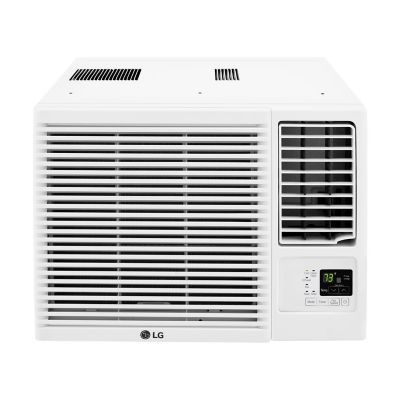
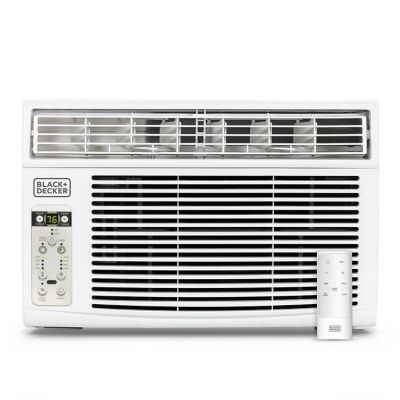
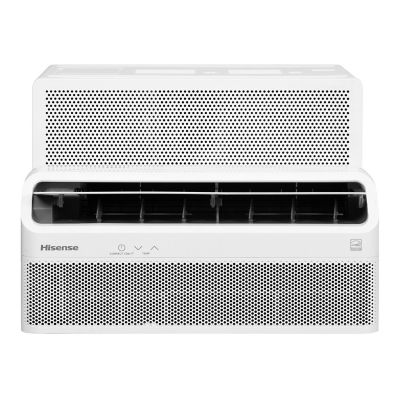
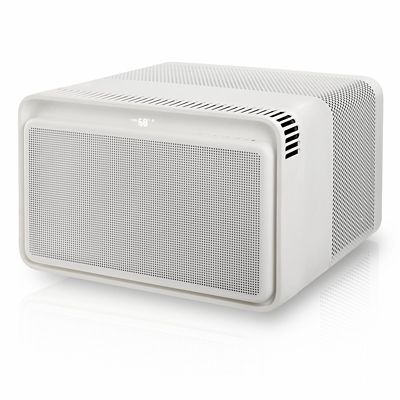
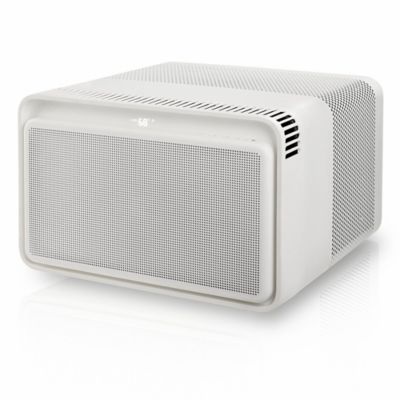
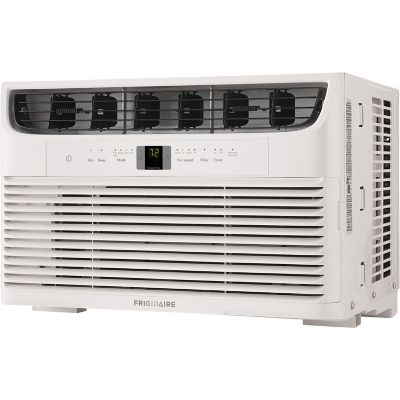
Window air conditioners for mobile homes bring cooling to the rooms where daily life happens, from a sunlit living room to a bedroom that holds onto heat after sundown. These self-contained appliances sit in a compatible window opening, with the indoor side circulating cooled air and the outdoor side releasing heat. For single-room cooling, units in the 5,000 to 10,000 BTU range are common starting points: a 5,000 BTU model may serve about 150 square feet, while a 10,000 BTU model may cover roughly 450 square feet, depending on its rated coverage and room conditions. Those figures are not a promise for every mobile home. Ceiling height, insulation, afternoon sun, air leaks and heat from cooking all affect how much cooling a room needs. A shaded bedroom and a west-facing kitchen can feel very different even when their floor space is about the same. Matching capacity to the space matters more than simply choosing the highest BTU number. An undersized unit may run for long stretches without making the room comfortable, while an oversized conventional unit may cycle off before removing enough moisture. Window AC units generally work best as room-cooling appliances rather than as a way to cool an entire mobile home through narrow hallways and closed doors. They can make sense for a home without central air or for a room that stays warmer than the rest of the house. After tending a garden, checking fence lines or finishing chores outside, a comfortable place to sit down can make a real difference. Adjustable louvers help direct airflow toward the occupied part of a room, while multiple fan speeds let cooling feel less forceful near a bed or favorite chair. In warmer regions, that room-by-room comfort can still matter during sunny stretches of the cooler months, especially where broad windows let in plenty of afternoon heat.
Fit is one of the biggest considerations for a mobile home window air conditioner, because window styles and opening sizes vary from home to home. Standard window units typically require a compatible vertically opening, double-hung window; horizontal sliding windows and crank-out casement windows may call for a purpose-built configuration. The appliance’s stated minimum and maximum opening dimensions, window requirements and mounting directions matter more than the outside dimensions alone. Enough room must remain for the sash, mounting hardware and any approved side panels, with unobstructed clearance around the outdoor portion. A narrow opening beside the kitchen sink presents a different fit than a broad bedroom window, and neither should be assumed suitable without checking. Support is just as important as size. Window air conditioners can be heavy, and lightweight trim, screens or siding are not substitutes for a sound mounting surface. The window assembly and any manufacturer-required support bracket must be suitable for the appliance’s weight and installation method. Where the frame is weathered or the wall construction is uncertain, an installer familiar with manufactured homes can assess the mounting location. Properly fitted weather seals help keep hot air, insects and windblown dust outside, while the specified drainage arrangement lets condensation leave as intended. Metal cabinets, coated exterior surfaces and washable filter components are worth considering alongside the mounting hardware, especially where equipment faces rain, strong sun or dust from a nearby gravel drive. Electrical fit also deserves attention: many smaller window AC units operate on a grounded 115- or 120-volt household outlet, but voltage, amperage and circuit requirements vary. A matching outlet alone does not establish that a circuit can handle the load, particularly if other appliances share it. Manufacturer directions govern the connection, and window units should not run through a power strip or an ordinary extension cord. For renters and mobile home park residents, installation rules may also affect placement. Keeping required emergency escape windows clear remains essential, even when a particular opening looks convenient for cooling.
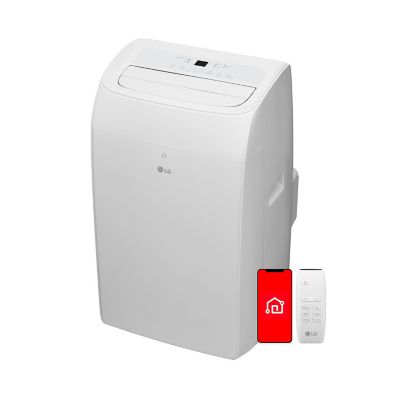
Everyday comfort comes down to more than cooling capacity. In a compact mobile home, the distance between an air conditioner, the couch and the dining table may be only a few steps, so operating sound and airflow deserve a close look. Published sound ratings can help with comparisons when the measurements reflect similar operating conditions. Inverter window air conditioners can vary compressor speed to match cooling demand, which may reduce temperature swings and avoid some of the repeated starts and stops associated with conventional compressors. Actual sound and energy use still depend on the model, settings, installation and room. Energy-efficiency ratings and EnergyGuide information offer useful context for appliances with comparable capacity. Straightforward controls suit a room where the temperature only needs an occasional adjustment, while a remote control can be handy when the unit sits across the bedroom. Timers, sleep settings and electronic thermostats may help keep the space comfortable around household routines; connected controls require the compatible network and setup specified by the manufacturer. Easy filter access matters, too. Pet hair, lint and dust carried in on work clothes can collect quickly, so a removable filter that is simple to reach makes routine care less of a chore. Cleaning intervals should follow the appliance instructions, with more frequent checks in dusty conditions. Clear indoor vents, open outdoor airflow paths and periodic checks of seals and mounting hardware help support performance over time. Spraying electrical components or covering drainage openings can cause trouble, so cleaning and weather protection should follow the unit’s directions. When cooling season winds down, removal or an approved protective cover may be appropriate, depending on the appliance and installation. Homes without a suitable window opening may be better suited to a different arrangement;
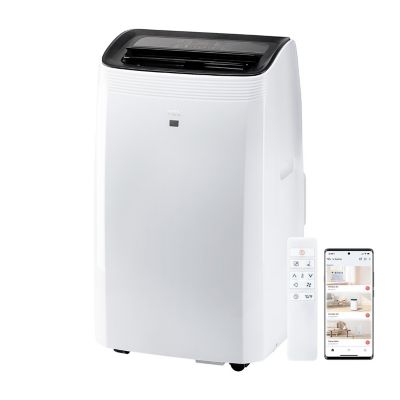
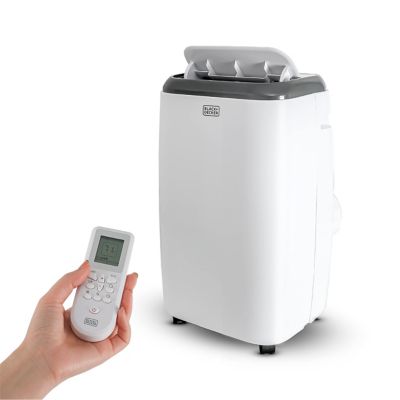
Floor Air Conditioners offer another category to consider, though portable refrigerated units still need an approved way to vent heat outdoors and enough floor space for their hoses and clearances. The right room-cooling setup fits the home’s structure, electrical supply and daily routines, leaving space to move around and settle in comfortably.