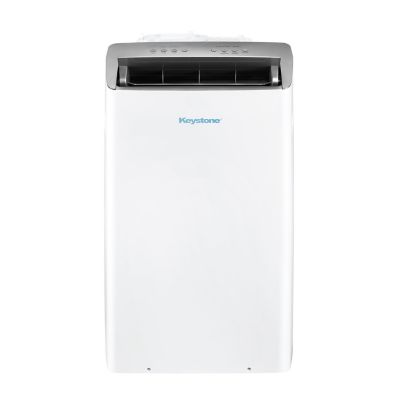
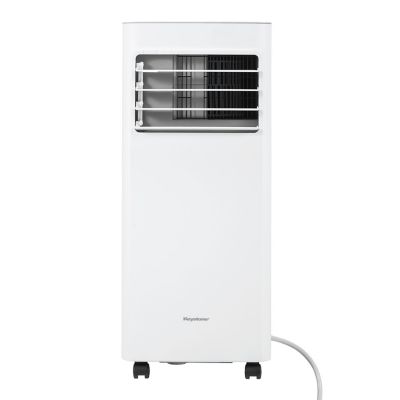
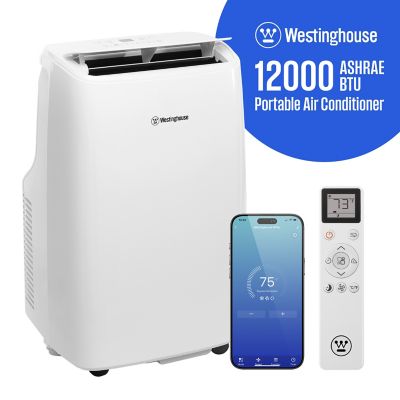
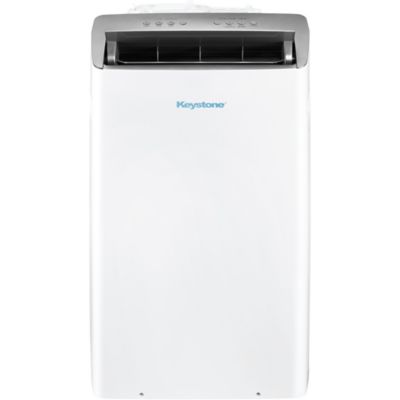
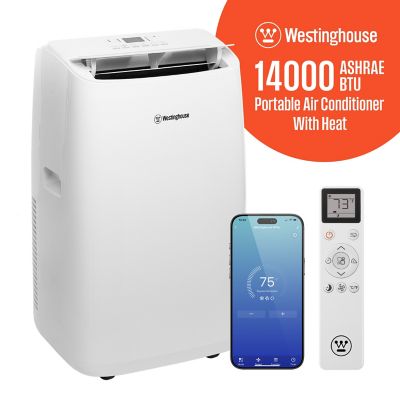
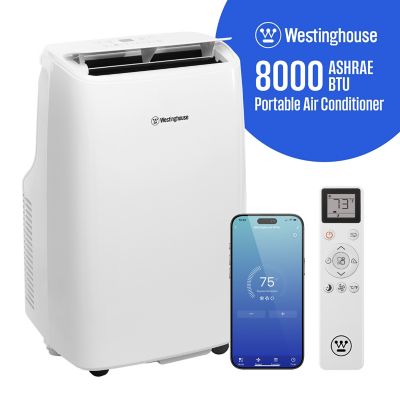
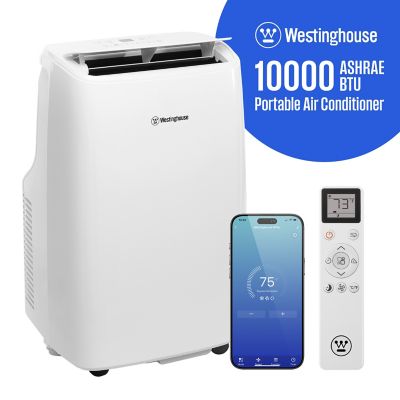
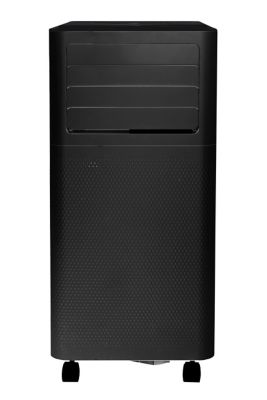
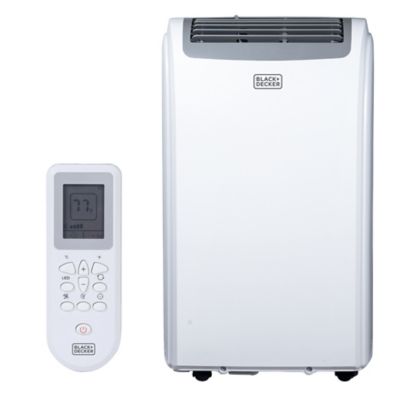
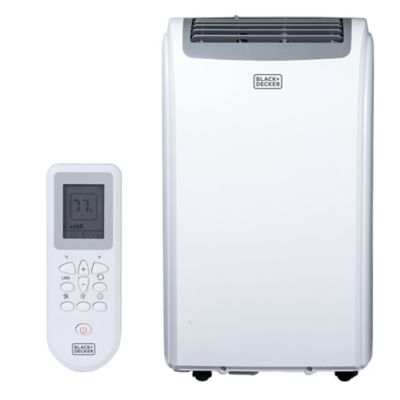
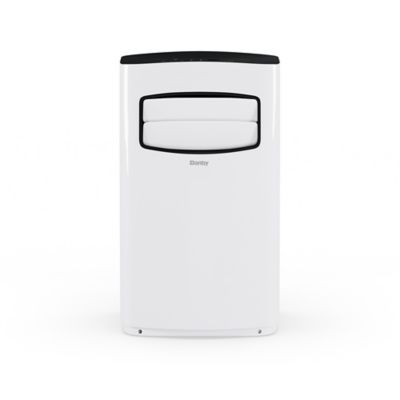
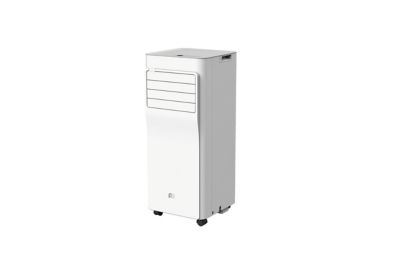
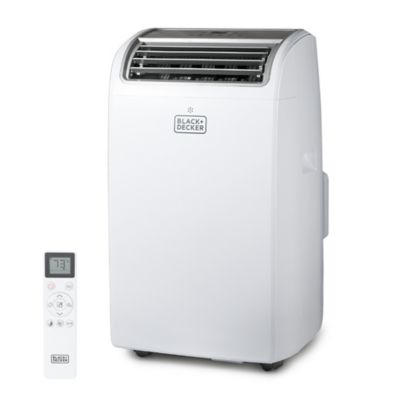
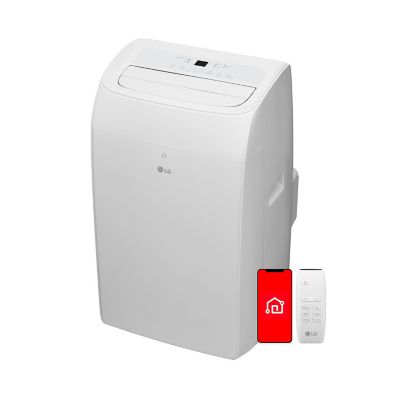
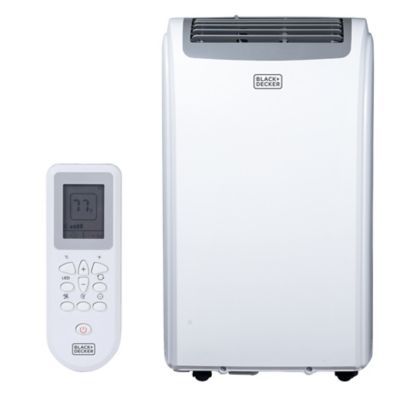
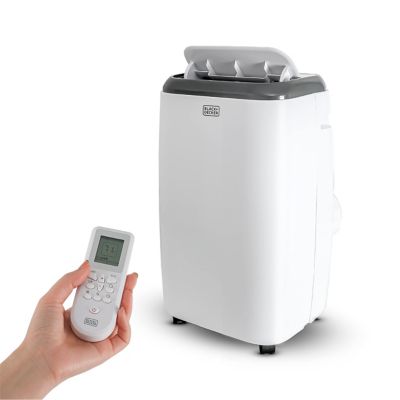
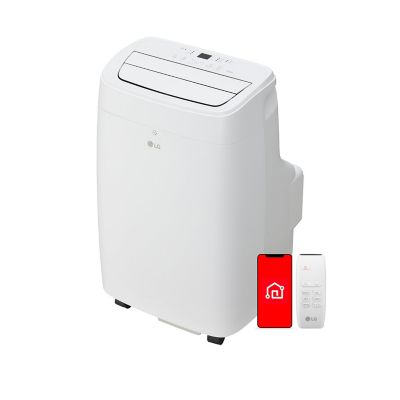
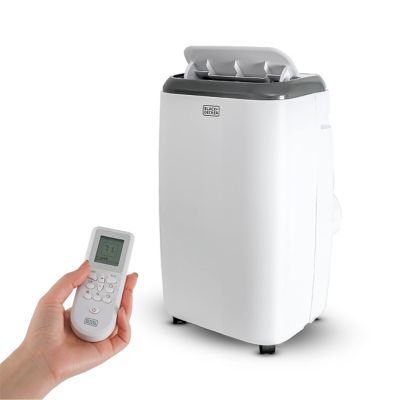
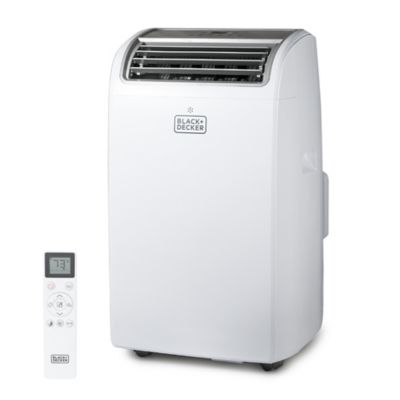
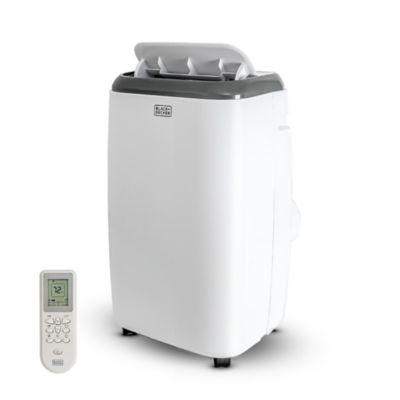
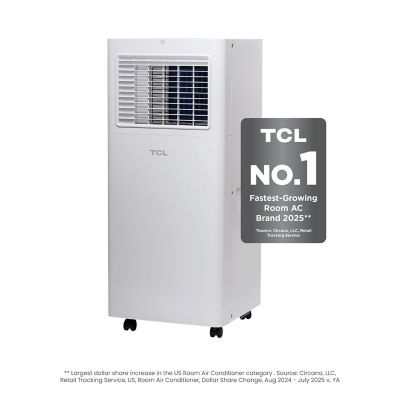
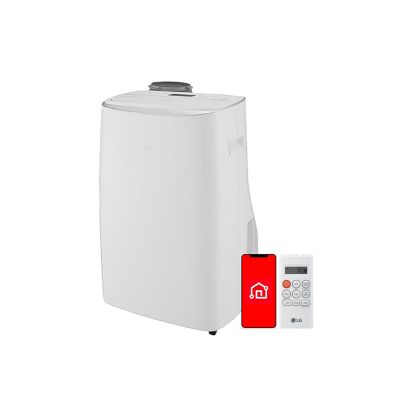
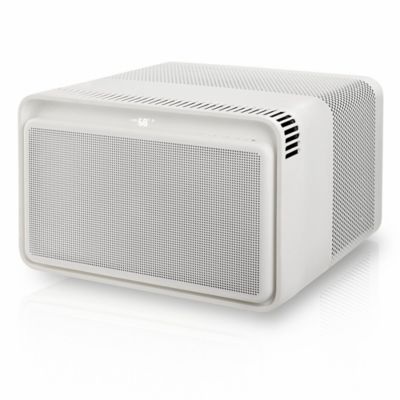
Portable air conditioners can make apartment living a whole lot more comfortable when the building’s central system falls short, a window unit is not allowed, or one room gets warmer than the rest of the place. They are handy in a sunny upstairs bedroom, a stuffy home office, a living room with broad west-facing windows, or a rental where permanent installation is not an option. Since these units roll from room to room, you can cool the space where you spend the most time instead of trying to chill the entire apartment. A portable AC may also suit college students, renters, older adults, new apartment dwellers, and anyone who wants a practical housewarming gift that gets plenty of use as the weather warms. Before choosing one, measure the room and check the available window space, then compare the unit’s cooling capacity using the DOE/SACC rating when it is listed. As a general starting point, a unit rated around 5,000 BTUs may suit a room up to about 150 square feet, while roughly 8,000 BTUs can work for a space near 250 square feet, and 12,000 BTUs or more may be appropriate for larger rooms approaching 450 square feet. These are useful guidelines, not hard rules. A room with tall ceilings, heavy afternoon sun, poor insulation, several people, or heat-producing appliances may need more cooling power, while a shaded, well-insulated room may need less. Matching the size to the space helps prevent the machine from running constantly without removing enough heat or cycling too often before it properly lowers humidity.
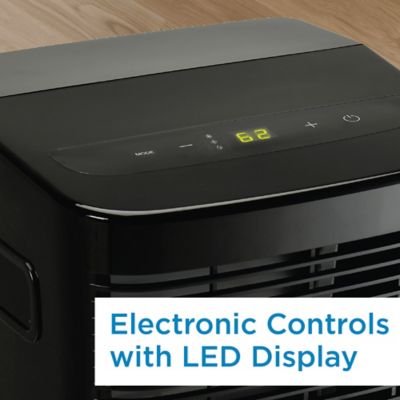
Window setup is one of the biggest apartment considerations. Most portable air conditioners use an exhaust hose and an adjustable window kit to send hot air outside. Check whether the kit fits your window style and opening before bringing a unit home, especially if the apartment has sliding windows, casement windows, unusually narrow frames, or screens that cannot be removed. A single-hose design is often straightforward to install and works well for bedrooms, offices, and other smaller spaces. A dual-hose design uses separate intake and exhaust hoses, which can improve efficiency in larger or especially warm rooms because it brings in outside air to cool the condenser rather than pulling as much already-cooled room air outdoors. In either case, seal gaps around the window panel as snugly as possible so warm air and humidity do not sneak back inside. Portable ACs also collect condensation as they cool and dehumidify. Self-evaporating models can reduce how often the tank needs attention, but drainage still depends on room humidity, temperature, and how long the unit runs. Some apartments make it easy to place a drain hose near a floor drain or shower, while others call for manually emptying the reservoir. Look for clear drain access and follow the manufacturer’s instructions. Sound level matters, too, particularly in a bedroom or small apartment where the hum can carry from one room to another. Portable units commonly operate around 50 to 65 decibels, so features such as sleep mode, adjustable fan speeds, timers, and remote controls can make everyday use easier. A unit with wheels and sturdy handles is convenient when cooling needs move from the living room during the day to the bedroom at night.
Good apartment cooling also depends on safe, sensible placement. Leave room around the air conditioner for airflow, keep the exhaust hose as straight and short as practical, and plug the unit directly into an appropriate wall outlet rather than relying on an extension cord or overloaded power strip. Keep filters clean according to the care instructions, since a dusty filter can restrict airflow and make the machine work harder. It is also smart to review lease rules, window requirements, and building policies before installation. When the unit is not needed during cooler weather, clean and dry it, drain any remaining water, and store the hose and window parts together so they are ready for the next warm stretch. For apartments that need comfort across changing conditions, you can also browse
Portable Heat Cool Units for options that provide both cooling and supplemental heat in one movable appliance. Whether the goal is a cooler nursery, a more comfortable work corner, or a restful bedroom after a long day, the right portable air conditioner should fit the room, the window, the noise level, and the routines of the people using it. During the warmer part of the year, it can take the edge off a muggy evening; during cooler months, it can be cleaned, stored, and kept ready for the next spell of warm weather without taking up permanent space.