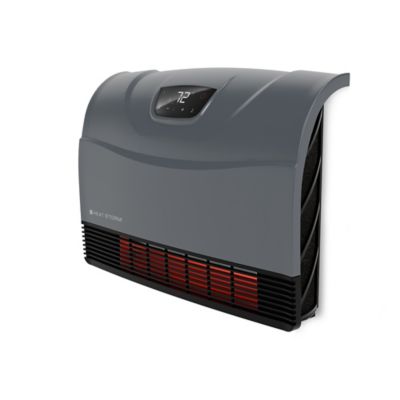
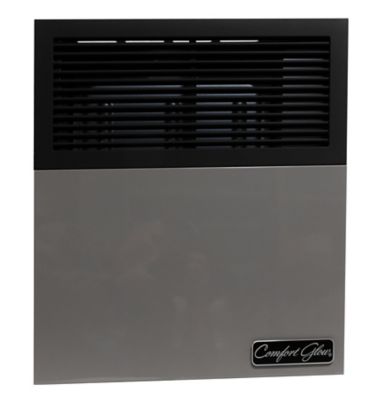
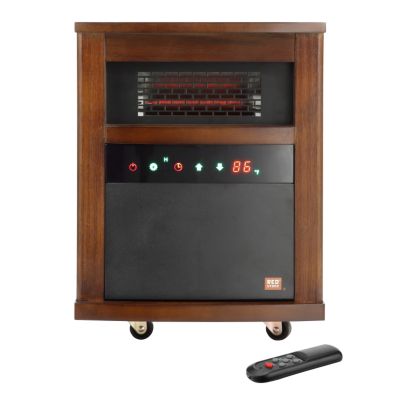
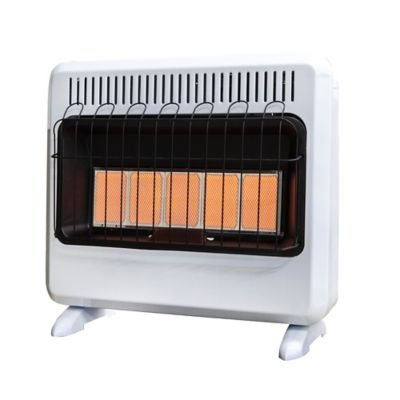
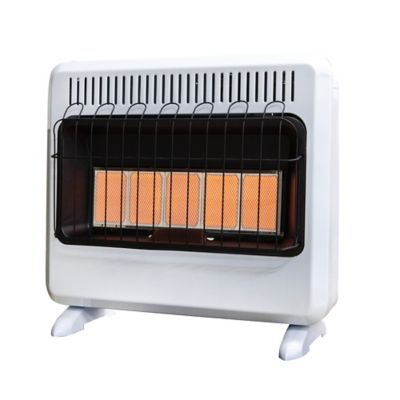
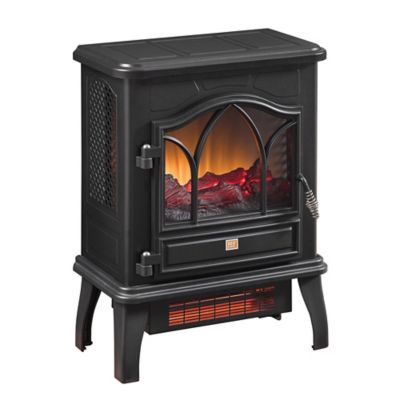
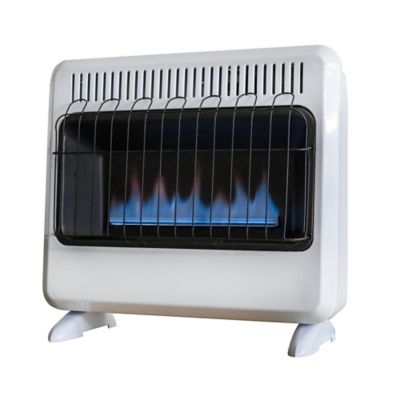
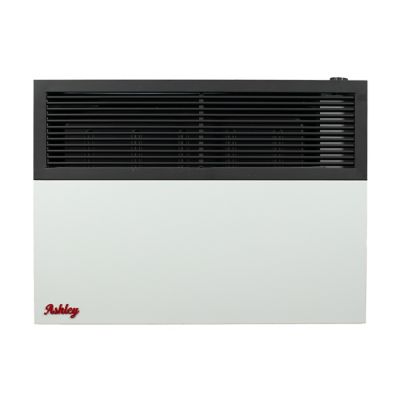
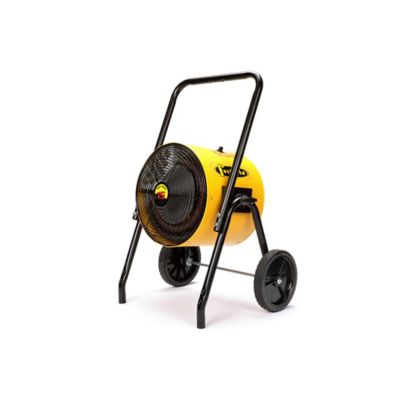
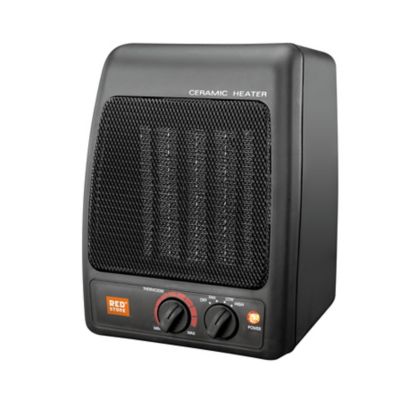
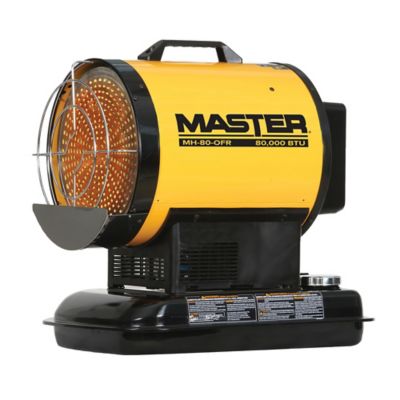
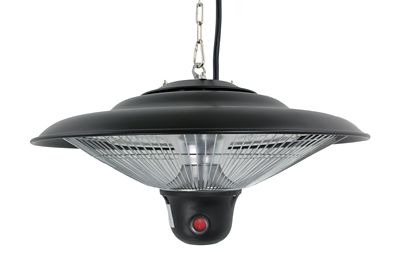
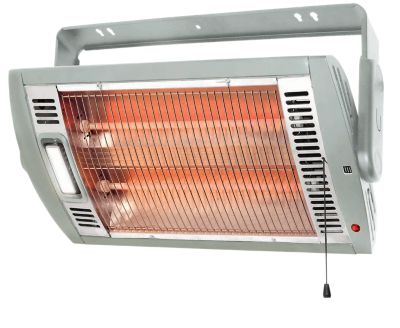
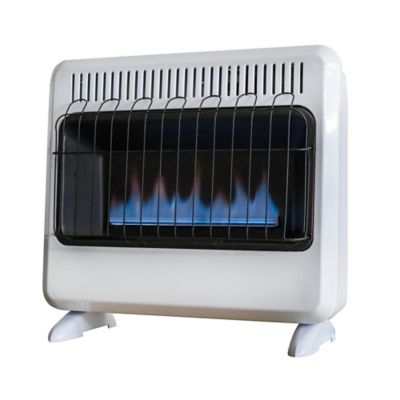
Mobile home heaters are made to fit the way manufactured homes are built, from compact furnace closets to narrow floor ducts and crawlspace plenums. When the weather turns cooler, the right heating system can make a home feel comfortable from the bedroom down the hall to the mudroom where muddy boots and work jackets pile up. These homes commonly use downflow furnaces, which move heated air downward into the ductwork beneath the living space, rather than the upflow or horizontal designs often found in site-built houses. That difference matters when choosing a replacement or upgrading an older system. Look for equipment intended and approved for manufactured or mobile home use, with the blower capacity, cabinet size, safety features, and airflow rating needed for the home’s duct design. A standard residential furnace may not fit the closet, connect properly to the floor plenum, or provide the higher static pressure required to push warm air through narrow ducts. Checking the existing furnace label, measuring the available space, and confirming the home’s fuel type are good places to start. It also helps to consider the home’s layout, insulation, window condition, ceiling height, and local winter weather instead of choosing based on square footage alone. A smaller single-wide with tight construction may need a different capacity than an older, drafty home of the same size, while a larger double-wide may call for more heating output or a zoned approach. For dependable comfort, have a qualified heating professional verify sizing, duct connections, electrical service, venting, and installation requirements before putting a new unit into service.
Electric furnaces are a straightforward choice for many mobile homes because they do not require a fuel tank, gas line, or combustion vent. They are often compact and simple to operate, making them useful when electric service is readily available and a homeowner wants a familiar thermostat-controlled system. Electric heat is commonly rated by kilowatts, with smaller homes often using around 10 kW and larger homes needing 15 kW to 20 kW, though the proper size depends on the home and local conditions. Gas and propane furnaces can deliver strong, steady heat and may be a practical fit for rural properties where propane is already used for cooking, water heating, or farm equipment. Sealed-combustion designs draw combustion air from outdoors and send exhaust outside, which is an important safety feature for a tight living space. Fuel availability, tank size, delivery access, operating cost, and regular maintenance all deserve a close look before choosing this route. Heat pumps and package systems can provide both heating and cooling through one connected system, which may be appealing when replacing an aging air conditioner at the same time. In moderate winter climates, a heat pump can offer efficient everyday heat, with backup heat available for colder stretches. Ductless mini-splits are another option for homes with damaged, limited, or nonexistent floor ducts, and they can help warm a specific room or create separate temperature zones. They may work well in an addition, a bedroom that stays chilly, or an older mobile home where a full duct replacement would be difficult. Whether selecting a furnace, heat pump, or ductless system, match the equipment to the home’s electrical capacity, ductwork, fuel supply, and heating load. A unit that is too small may run constantly without keeping up, while one that is too large can cycle on and off often, leaving uneven temperatures and unnecessary wear.
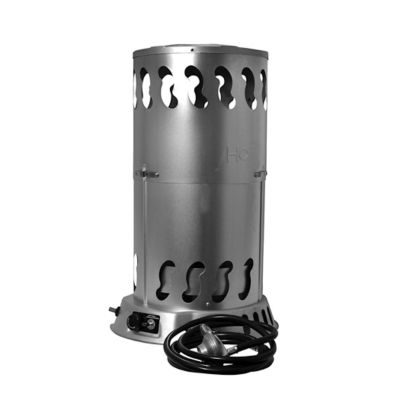
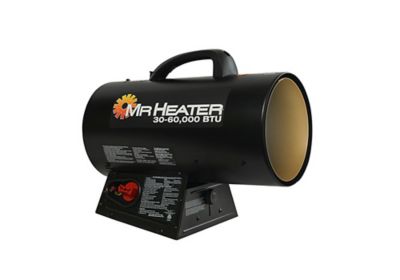
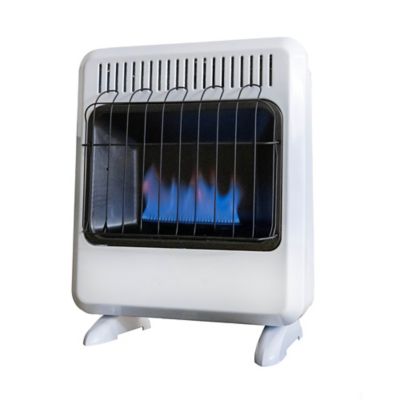
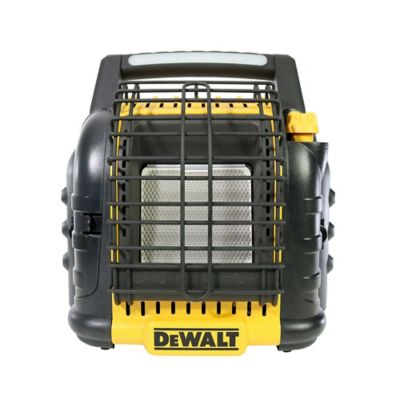
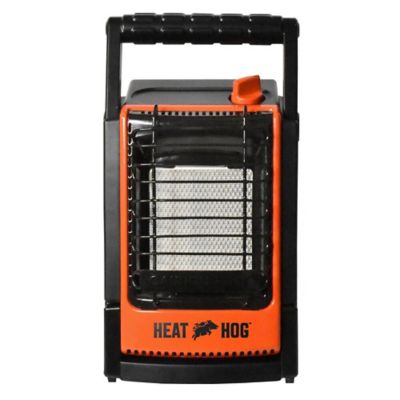
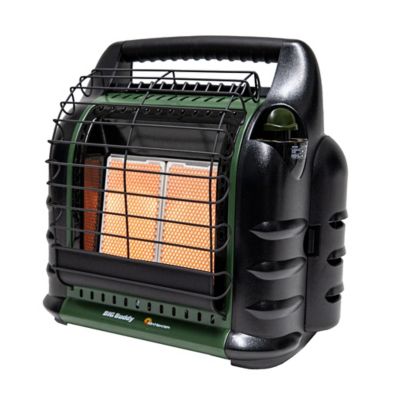
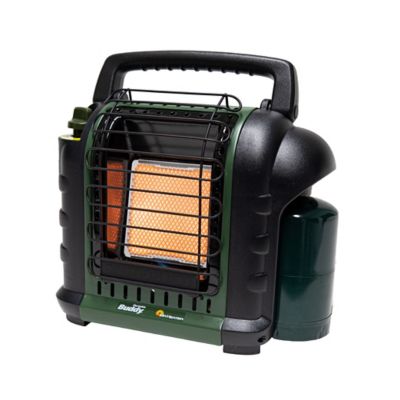
A good mobile home heating setup is about more than the heater itself. Clean filters support airflow, clear return-air openings help the blower do its job, and unobstructed registers allow warmth to reach each room. Before the cooler season settles in, inspect the furnace closet and surrounding area for stored boxes, clothing, pet bedding, or other materials that could block airflow or create a fire hazard. Check carbon monoxide alarms where fuel-burning equipment is used, keep smoke alarms working, and arrange professional service for burners, electrical connections, heat exchangers, thermostats, and venting. Never use an oven, grill, camp stove, or outdoor heater as a substitute for home heating. Portable propane equipment can be useful for approved emergency or temporary situations, but it must be rated for the intended space and operated exactly as directed, with proper ventilation and carbon monoxide protection; browse
Emergency Propane Heaters for options suited to emergency heating needs. Portable units should sit on a stable, level surface away from curtains, furniture, bedding, hay, paper, and pet areas, and they should be turned off before sleeping or leaving the home. Families with children, older adults, livestock, or indoor pets may also value quiet operation, sturdy controls, tip-over protection, and a thermostat that keeps rooms from becoming uncomfortably hot or cold. For someone moving into a manufactured home, replacing an unreliable furnace can be a practical housewarming gift when coordinated with a licensed installer, while a filter assortment, carbon monoxide alarm, or basic maintenance supplies can make a thoughtful addition for a homeowner preparing for cooler months. With the right size, approved design, safe installation, and regular upkeep, a mobile home heater can provide steady warmth through chilly mornings, frosty nights, and the long stretches of cool weather when a dependable system matters most.