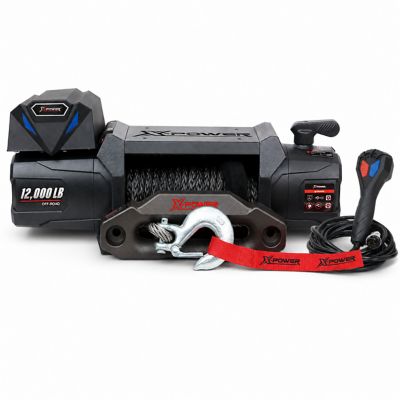
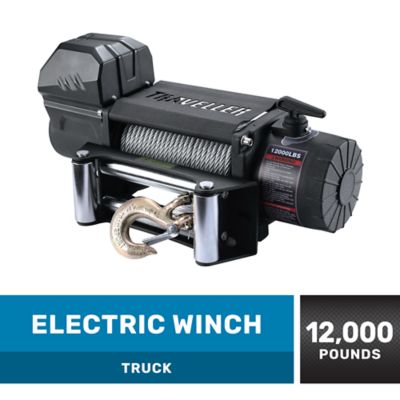
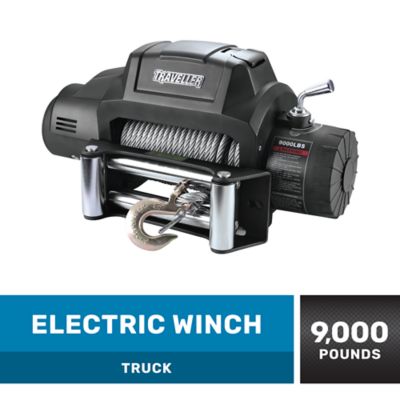
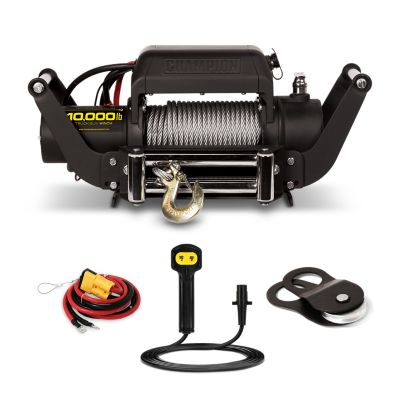
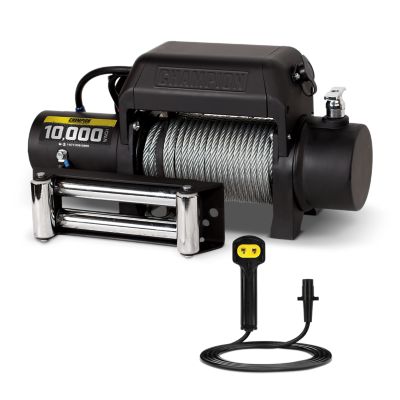
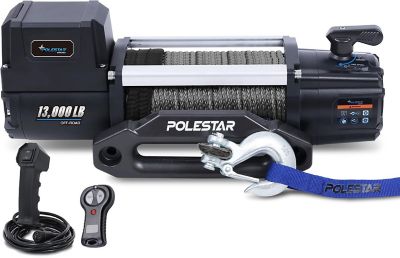
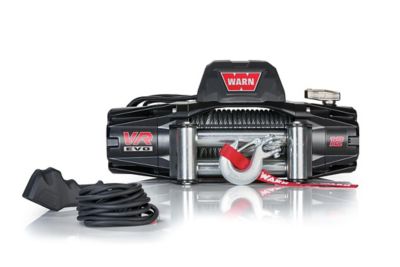
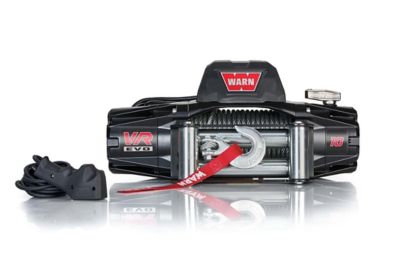
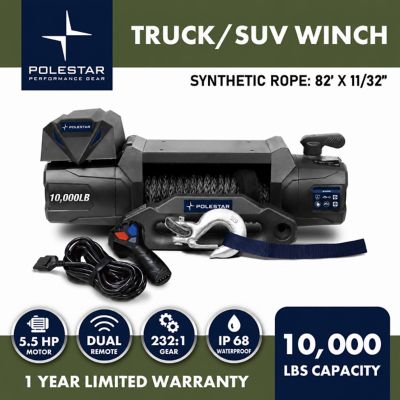
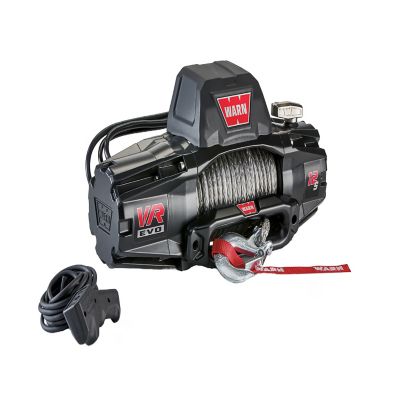
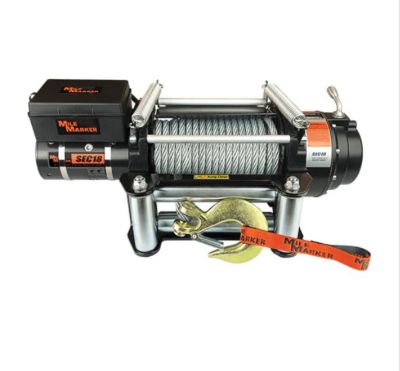
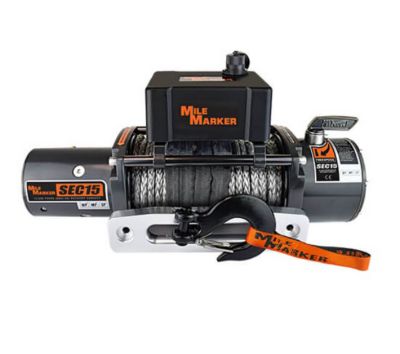
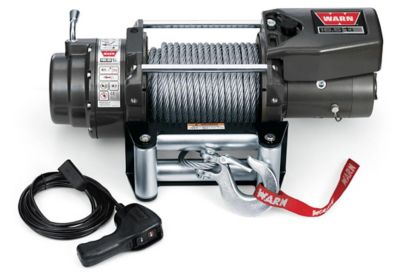
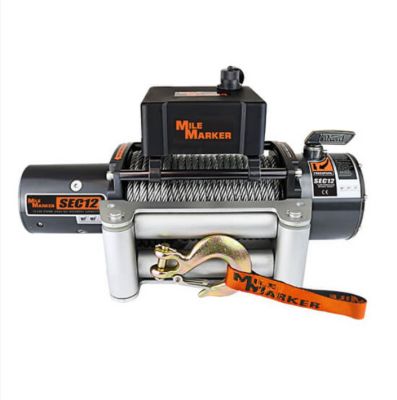
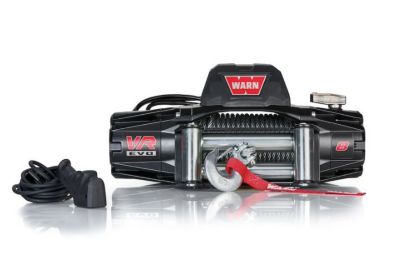
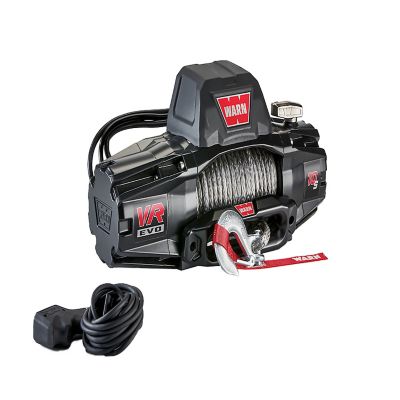
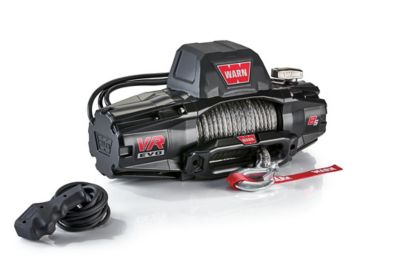
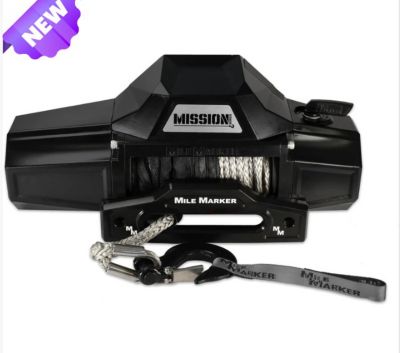
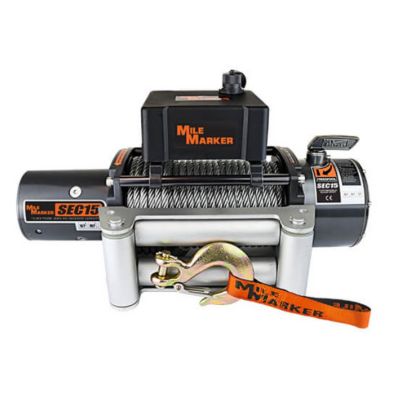
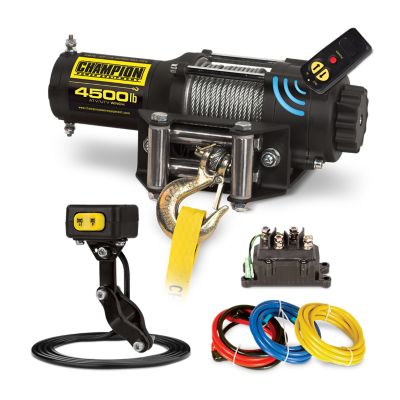
Truck winches bring controlled pulling power to pickups that travel farm lanes, cross rough ground, or head down trails where a tow vehicle may not be close by. A truck settled into deep ruts beside a pasture gate needs a different kind of help than a vehicle rolling freely on level gravel, and that difference matters when comparing winch capacity. Rated line pull describes the winch’s pulling force under specified conditions, not a promise that it can recover any vehicle weighing that amount. A common starting point is a rating of at least 1.5 times the truck’s gross vehicle weight rating, or GVWR—the maximum loaded vehicle weight established by its manufacturer. For a truck with an 8,000-pound GVWR, that calculation points toward
12000 Lb Winches, with the final choice also depending on mounting limits, recovery conditions, and the winch manufacturer’s recommendations. Ratings around 9,500 to 12,000 pounds are common considerations for full-size pickups, but the truck’s own numbers matter more than a general size category. Cargo, tools, livestock equipment, and other gear can add substantial weight, while a steep slope or wheels buried in soft ground increase resistance beyond vehicle weight alone. Maximum pulling capacity generally applies at the first layer of line on the drum; additional layers reduce available pulling force. That makes capacity, line length, and drum design worth considering together rather than treating the largest number as the whole story. Fit matters just as much. A truck winch needs a mounting system rated for its loads and compatible with the truck’s frame and attachment points. Bolt pattern, winch dimensions, bumper clearance, and access to the clutch all affect installation. The assembly also needs room for the line to feed correctly without interfering with cooling airflow, lights, cameras, or other vehicle equipment. A well-matched setup keeps that pulling power connected to the truck through the proper structure, not simply through whatever bumper happens to be there.
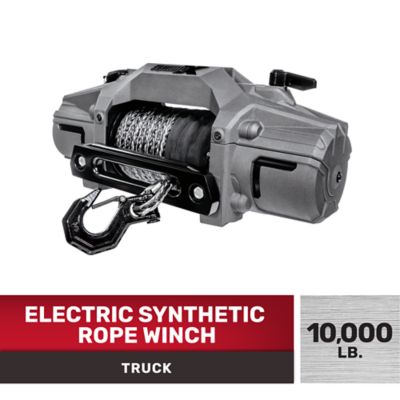
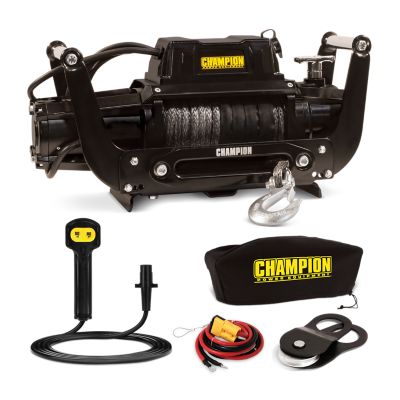
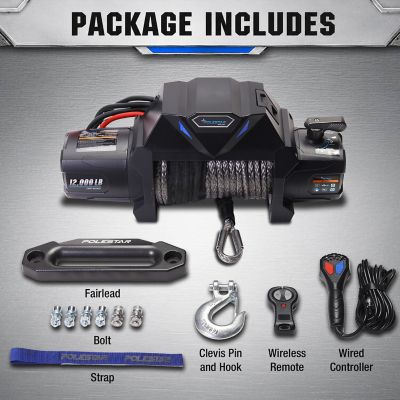
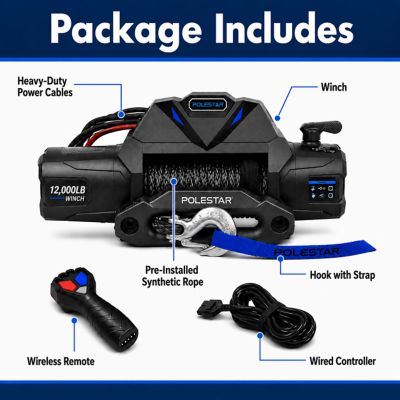
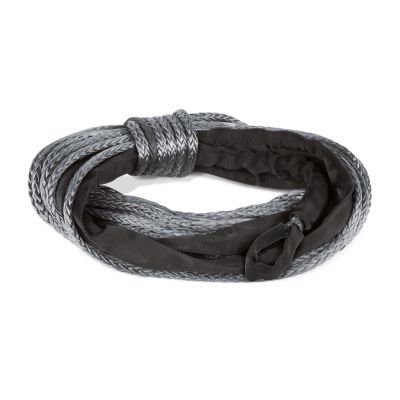
Steel cable and synthetic rope give truck winches different handling and care needs, especially around gravel, brush, and rough work areas. Steel cable stands up well to abrasion, but it adds weight and can develop broken wires, kinks, or flattened sections that call for inspection and replacement. Gloves help protect hands during handling, though they do not make a damaged cable safe. Synthetic rope weighs less, is easier to carry out toward an anchor, and avoids the sharp wire strands associated with steel cable. It still needs protection from abrasive edges, excessive heat, sunlight exposure, and contamination that can work into its fibers. Neither line type removes the hazards of a hard pull: tensioned lines and attachment hardware can cause serious injury if something fails. Line material should suit the work, and the fairlead must be compatible with that material according to the manufacturer’s instructions. Smooth contact surfaces matter because a rough edge can damage rope even when the rest of the winch looks fine. Line length is another practical consideration for a pickup traveling wide farm properties, where a suitable anchor might sit well beyond the nearest fence corner. More reach can help, but adequate wraps must remain on the drum as specified by the manufacturer, and piling on extra line is not a substitute for suitable recovery rigging. Rated attachment points, connectors, anchor straps, and compatible pulley equipment all contribute to the complete setup. A hitch ball is not a recovery attachment point, and a convenient-looking tree or post is not automatically a sound anchor. Controls also affect everyday handling. Wired remotes provide a physical connection, while wireless controls reduce the need to manage a cord; either arrangement still calls for a clear view of the pull and careful attention to the manufacturer’s operating limits. An accessible clutch helps with free-spooling the line, and clear control markings make operation less confusing when several people are helping. Everyone nearby needs to stay clear of the tensioned line, attachment points, and the path a vehicle could take if it moves unexpectedly.
Most electric truck winches draw power from the vehicle’s electrical system, so the battery, cables, connections, and charging system are part of the buying decision. High pulling loads can demand substantial current, and a battery’s cold-cranking-amp rating alone does not establish whether the setup can support a particular winch. Manufacturer-specified battery requirements, reserve capacity, cable size, and charging-system guidance provide a better basis for matching the equipment. Wiring needs secure connections and a route that avoids sharp edges, moving components, and excessive heat. Motor design, gearing, and line speed also shape how a winch feels in service: pulling speed often drops as load increases, and a fast no-load speed does not mean the same pace under strain. Duty-cycle limits matter for anyone facing repeated pulls along a rough access road or helping recover more than one vehicle. These winches are not built to pull continuously without regard to motor temperature, and the required rest periods belong in any realistic expectation of performance. Housing materials, corrosion-resistant finishes, sealed components, and stated protection against dust and water intrusion can help determine how well the equipment suits its working environment, but those features do not eliminate routine care. After a recovery, grit and debris should come off the line and accessible surfaces using methods appropriate for the line material. Inspection should cover mounting hardware, electrical connections, controls, fairlead surfaces, and signs of wear throughout the line. Neat rewinding under the tension specified by the manufacturer helps prevent loose wraps from digging into lower layers during the next pull. Farmers, ranchers, trail riders, and landowners often value a winch because it adds another option when a truck cannot move under its own traction. That usefulness depends on sound mounting, suitable recovery equipment, and a realistic understanding of what the setup can handle. Truck recovery winches are for pulling, not lifting suspended loads or people, and they do not replace proper vehicle support, brakes, or secure rigging. With those limits in mind, a matched winch setup can earn its place on a working pickup.