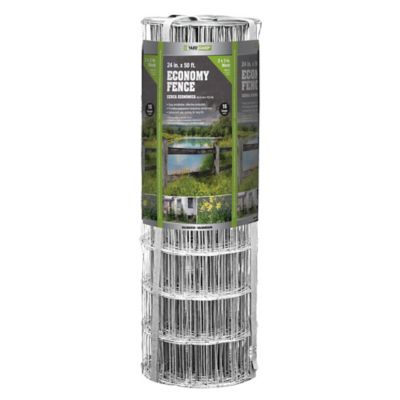
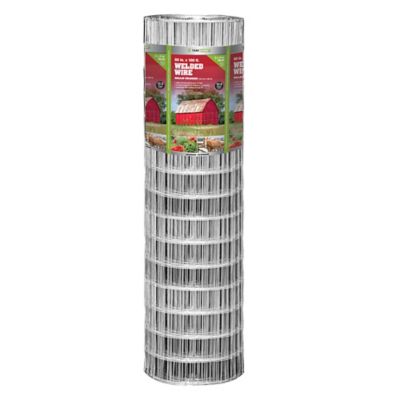
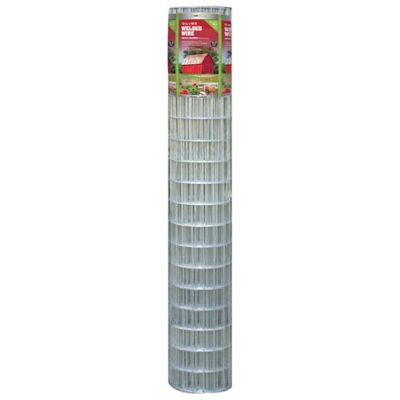
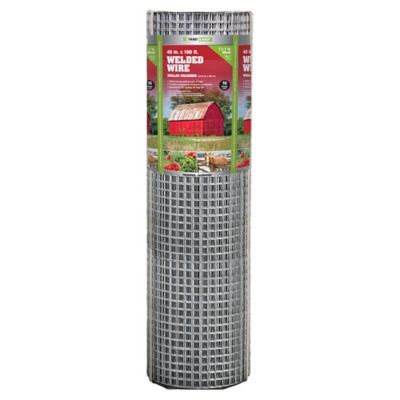
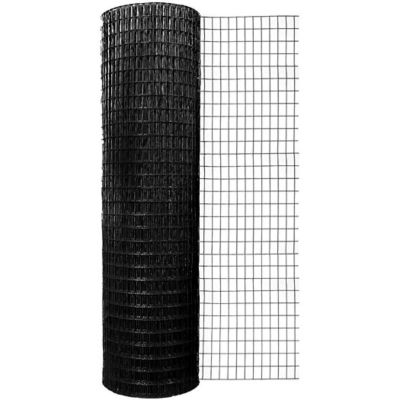
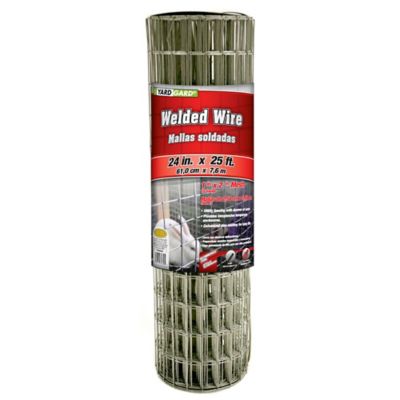
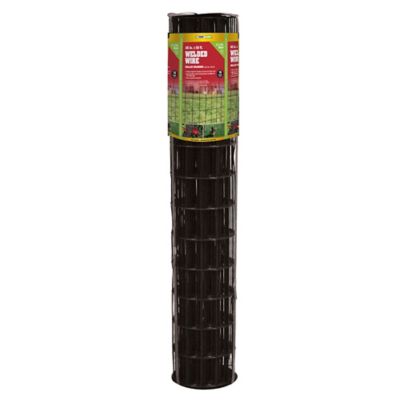
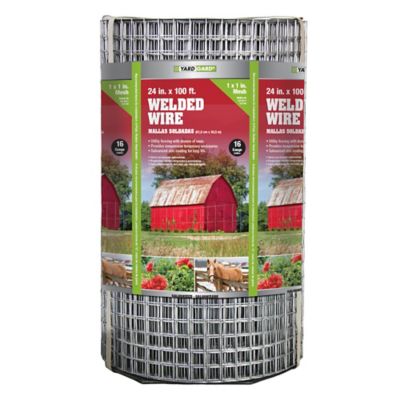
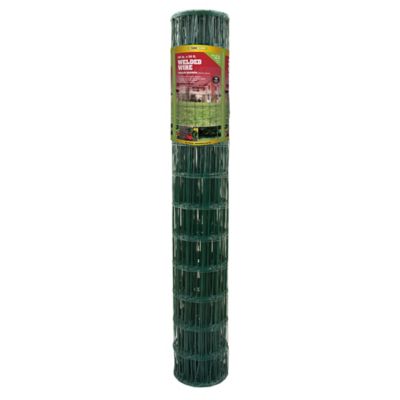
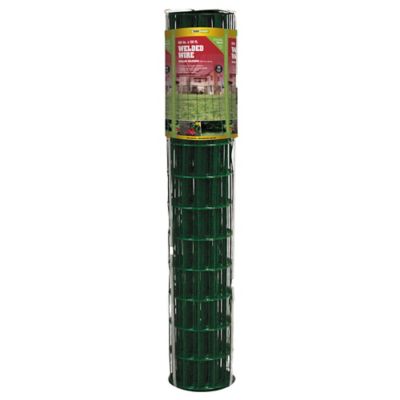
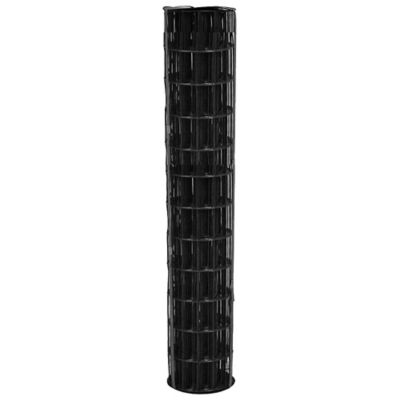
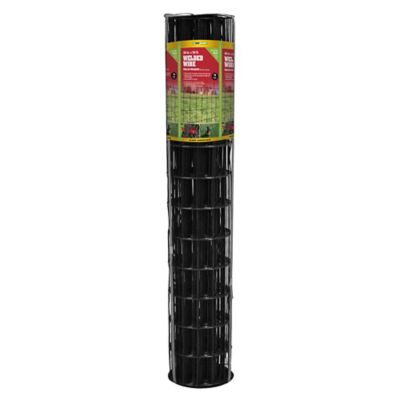
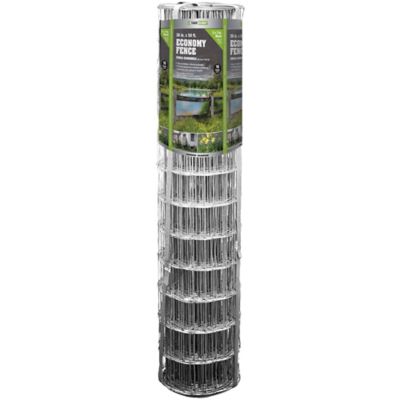
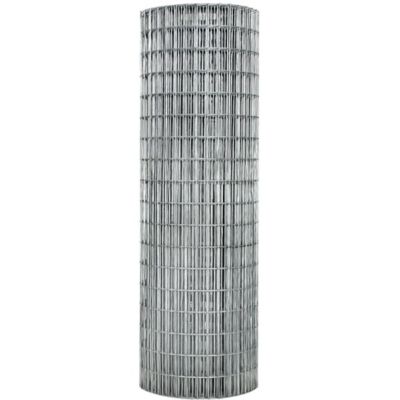
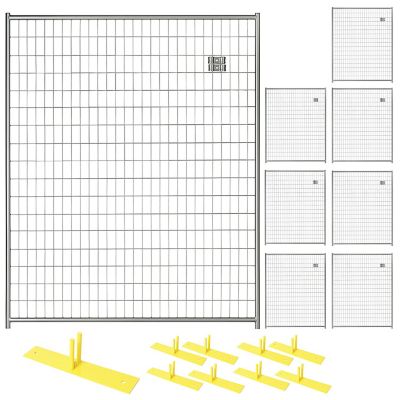
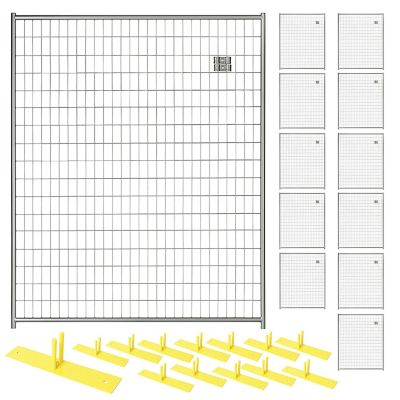
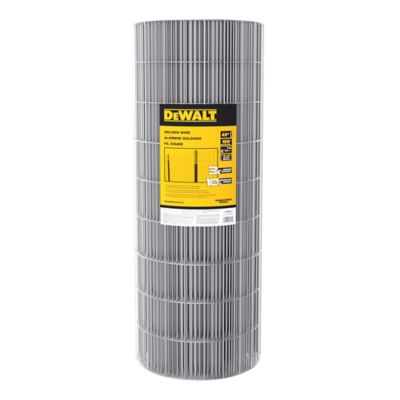
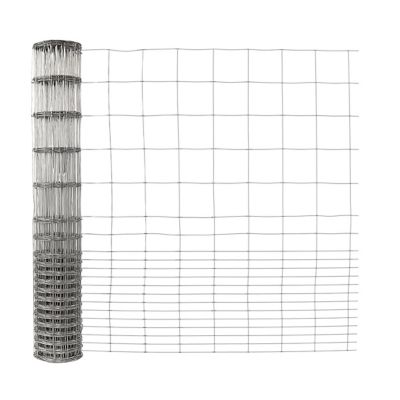
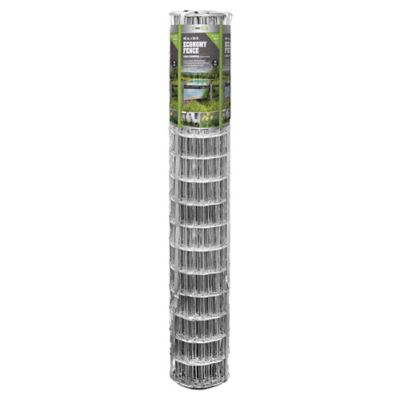
Welded wire mesh panels are rigid metal grids made by resistance-welding intersecting wires at each crossing point. Those welded joints hold the wires in a set pattern, creating a panel with consistent openings and a shape that is easier to handle as a flat section than a length of rolled fencing. Around a farm, backyard, or homestead, that open grid can serve as garden fencing, an enclosure component, a divider, or support for climbing plants when the panel and its mounting system suit the job. It lets light pass through and keeps the view open, whether the goal is keeping an eye on a vegetable patch or separating a planting area from a busy path. Unlike woven wire, which has connections that allow some movement between wires, welded mesh holds its intersections in place. That makes it well suited to straight sections and framed installations, though the way a finished fence handles pressure depends on much more than the mesh alone. Wire thickness, weld strength, panel size, post spacing, and attachment hardware all play a part. Flat panels also behave differently from flexible fencing on uneven ground: a rigid section does not readily follow every rise and dip along a fence line. A neat run beside raised beds may have different needs than a divider across sloping ground near a barn. For gardeners, landowners, and folks maintaining small animal areas, the appeal is a defined barrier without a solid wall blocking the view. Smaller mesh openings can address different containment needs than a wide grid, while heavier wire generally offers more resistance to bending than thinner wire of the same material. No single combination fits every setting. Welded wire mesh panels make the most sense when their dimensions, opening pattern, finish, and intended application line up with the space and the demands placed on them.
Steel is a common material for welded wire panels, with finishes that help protect the underlying metal from corrosion. Galvanized steel has a zinc coating, while some panels have an additional polymer coating; stainless steel is another material found in this category. These options have different care needs and resistance to the substances they may contact around a property. For galvanized mesh, the manufacturing description matters: galvanizing before welding and galvanizing after welding are different processes, and coverage at the welded intersections can differ. A coated surface is not a promise that exposed edges, scratches, or damaged weld areas will stay free of rust. Stainless steel also varies by grade, so the material description matters more than appearance alone. Wire gauge deserves the same attention. Within the same gauge system, a lower number generally indicates thicker wire, but the stated wire diameter provides a clearer comparison when measurement systems or coating descriptions differ. Mesh size describes the opening pattern, and listings may specify clear openings or spacing measured from wire centers. Those measurements are not interchangeable, particularly when a small gap makes a big difference for the intended application. Panel height and width affect both coverage and handling, while the overall weight can influence the support and hardware needed. A tall, narrow section beside a gate presents different mounting needs than a broad panel across the back of a garden. The finished fit also includes posts, rails, brackets, and clearance for gates or access points, rather than panel dimensions alone. A sturdy mesh section cannot make up for a loose post or an attachment that does not match its support. Edges are another practical detail: some panels have projecting wire ends, and cutting a panel can leave sharp points and bare metal. Edge treatment, protective handling, and compatibility with the surrounding frame all matter, especially beside a walkway or anywhere hands and animals can reach the perimeter.
Intended use is especially important when welded wire mesh panels form part of an animal enclosure. A panel suitable for protecting a garden is not automatically suitable for livestock, and a wide opening that looks convenient can create a head, horn, leg, or hoof entrapment risk for certain animals. Animal size, age, behavior, and the manufacturer’s stated application all belong in that decision. Goats may climb or lean, pigs may push and root, and smaller animals may find gaps beneath an otherwise well-built barrier. Panel height alone does not address digging, climbing, or escape through openings. For poultry and other small animals, the opening size must also account for predators that can reach through or enter a gap; an open top or loose lower edge can leave an enclosure incomplete. In garden settings, mesh can separate vegetable beds from paths or support climbing crops, provided the frame and attachments can carry the expected plant weight. Access matters there, too: a panel arrangement that leaves room for a wheelbarrow, a gate swing, and regular tending is easier to live with than one that blocks everyday chores. For projects centered on a complete perimeter,
Welded Mesh Fences connects the panel itself with the broader fencing application. Long service life depends on keeping the whole assembly in sound condition. Soil packed against the bottom edge, manure caught at intersections, and contact with fertilizers can contribute to deterioration, depending on the metal and finish. Removing buildup and checking the coating, welds, fasteners, and supports helps reveal trouble before a loose section becomes a bigger chore. Bent wires, broken intersections, and exposed sharp ends deserve attention, particularly after equipment or an animal has pressed against the fence. Any finish repair should match the manufacturer’s recommendations. With the right fit and ongoing care, welded mesh can serve a practical role around the place, from keeping a garden boundary tidy to forming part of a properly planned enclosure.