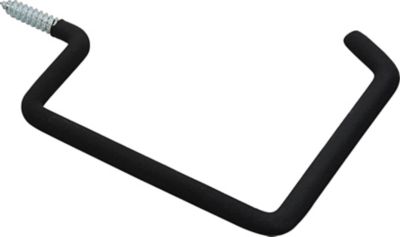
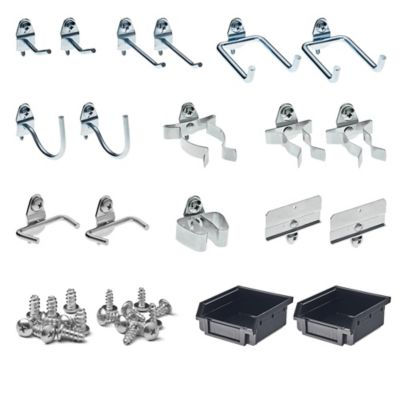
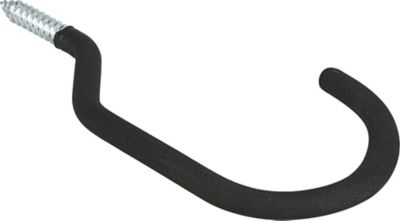
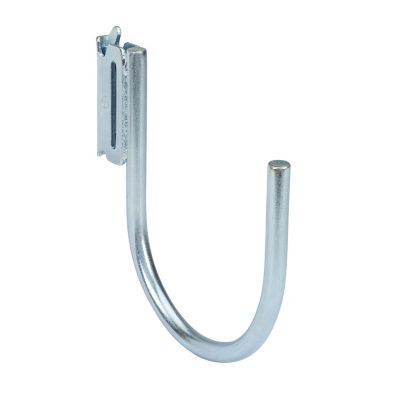
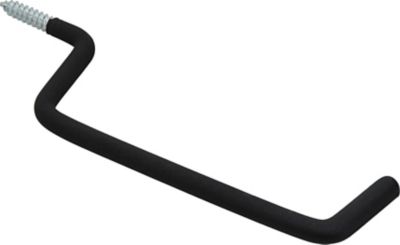
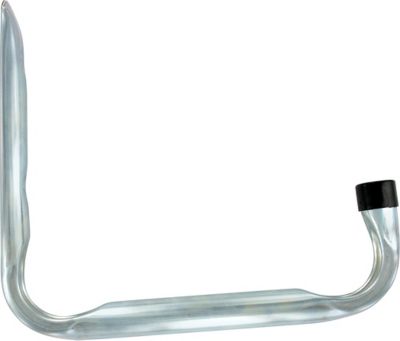
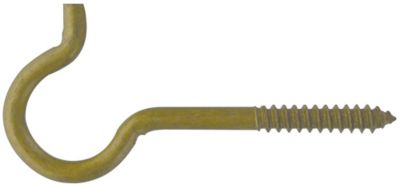
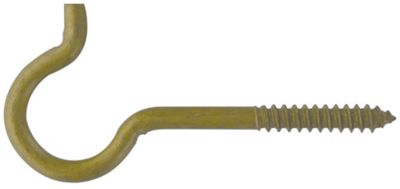
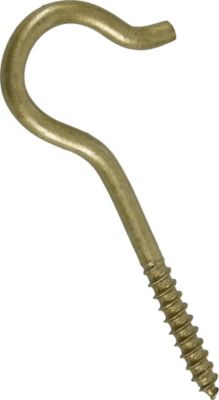
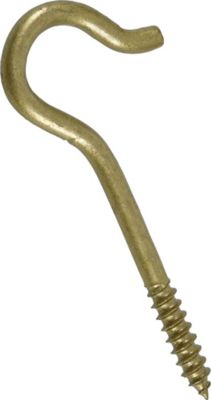
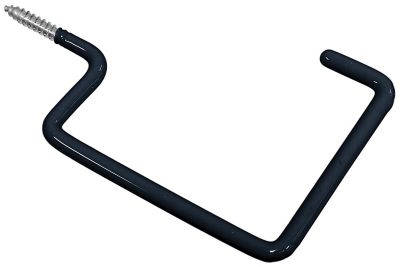
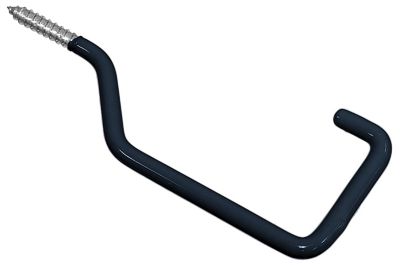
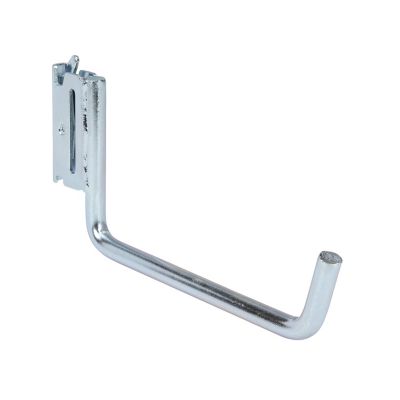
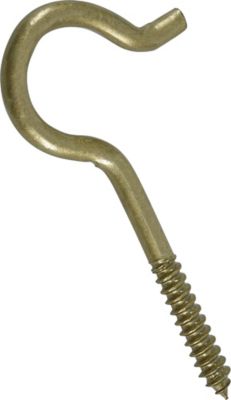
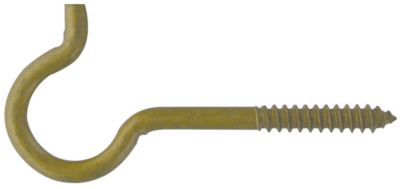
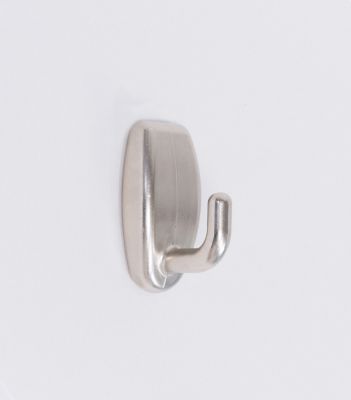
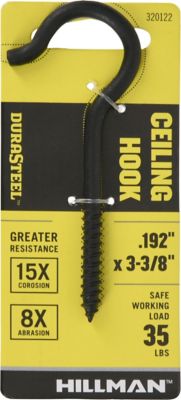
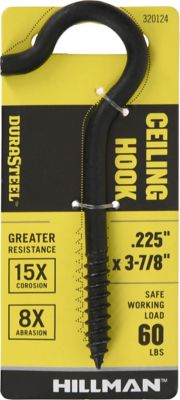
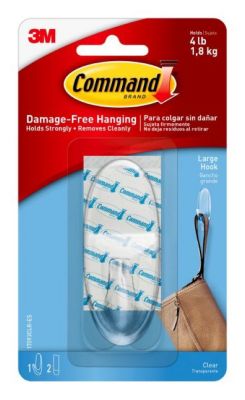
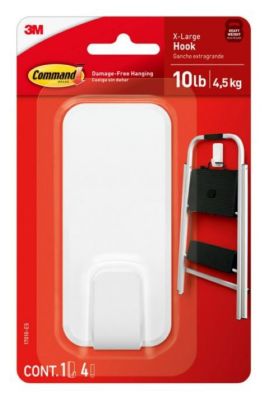
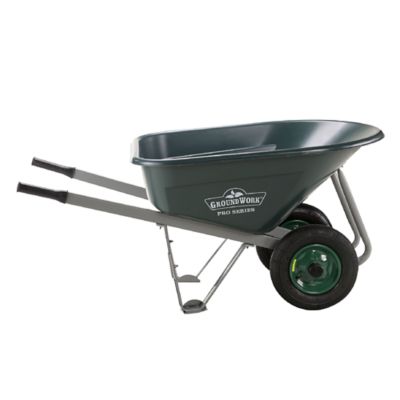
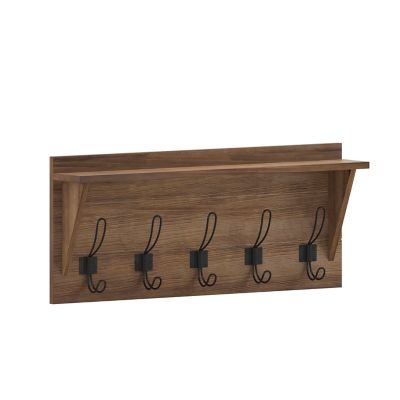
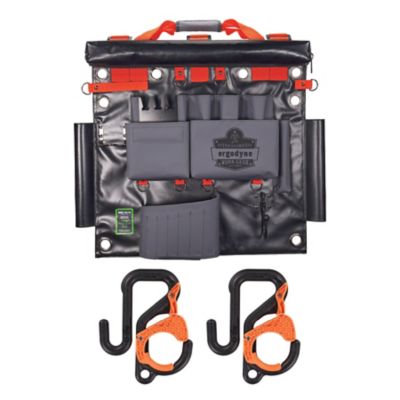
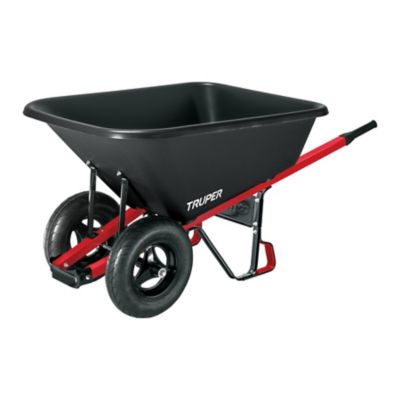
A wheelbarrow earns its place around a property, whether it’s hauling bedding to the barn, moving mulch along a fence line, or carrying branches out of the yard. Finding a good spot for it between chores can be another matter. Leaned against a shed wall, the tray can slide, the handles can stick out into a walkway, and the whole setup can get in the way of the next job. A wheelbarrow hook gives that hardworking piece of equipment a designated parking place, helping free up floor space in a garage, barn, or equipment shed. Depending on the design, a hook or hanger supports the wheelbarrow at an approved contact point, while some storage systems have separate upper and lower supports to hold it upright against a wall. That difference matters when there’s a mower parked nearby, feed sacks along the wall, or a narrow path that needs to stay clear. The best arrangement for a small garden shed may look different from one in a roomy workshop, but the purpose stays the same: keeping the wheelbarrow out of the way without making it a nuisance to get down again. Wall storage can also make sweeping out leaves, loose hay, and tracked-in dirt a little simpler. For gardeners, livestock owners, groundskeepers, and folks tending a few acres, that small improvement can make a crowded work area easier to manage. During the cooler months, when hauling chores may come less often, a dedicated hanger helps keep equipment from becoming part of a pile behind the snow shovel or bags of bedding. It’s still important to leave room for the tray, wheel, legs, and handles, since hanging a wheelbarrow changes its footprint rather than making it disappear. A well-placed hook keeps those projecting parts away from doorways and everyday traffic, with enough open space to lift the wheelbarrow into position and bring it back down without bumping nearby tools.
Fit starts with the wheelbarrow itself, not just the open patch of wall. Tray shape, rim construction, handle spacing, overall length, and empty weight all affect which wheelbarrow hook makes sense. A shallow steel tray and a deep molded tray may meet a hanger at different angles, and a rolled rim is not necessarily suited to the same support as a frame or handle. Single-wheel and two-wheel designs can also sit differently against a wall, especially where a wider wheel assembly adds depth. Compatibility information should identify the intended contact points and any size limits, rather than leaving the rim or handles to carry weight in a way they weren’t built for. The stated load rating matters, too, but it is only one part of the setup; the supporting wall and mounting hardware have to suit the application as well. Wheelbarrow storage is generally intended for empty equipment, so leftover gravel, wet soil, or tools in the tray should not become part of the hanging load. For shoppers also comparing hauling equipment,
Construction Wheelbarrows provide a related category where tray size and frame layout are worth considering alongside the space set aside for storage. Hook materials and finishes deserve a close look for the same practical reasons. Steel provides a rigid structure, while the thickness, shape, welds, and mounting plate all contribute to how a particular hanger supports its load. Powder-coated or plated finishes can help limit corrosion, though their suitability depends on the setting and the manufacturer’s specifications. Covered contact surfaces, where included, may help reduce rubbing against a painted frame or tray edge. A broad support can spread contact across a larger area, while a retaining feature may help keep a compatible wheelbarrow seated. Neither feature takes the place of proper fit. In a damp barn or an open-sided shed, moisture exposure is a different concern than it is in a dry, enclosed garage, making the intended installation environment another useful point of comparison.
The mounting location has just as much bearing on everyday use as the hanger’s shape. Bare wallboard, a timber post, and a masonry wall call for different fastening arrangements, and hardware packed with a hanger may not suit every surface. Sound structural support and fasteners specified for both the wall material and the storage system are essential; an anchor rating alone does not establish what the complete installation can hold. Height deserves some thought as well. Hanging a wheelbarrow high enough to clear a floor obstruction can look tidy, but lifting a large tray above a comfortable reach may turn a simple chore into a struggle. For someone who moves compost most mornings or cleans stalls every evening, an easy lifting motion and an unobstructed approach matter more than squeezing equipment into the highest possible spot. A lower mounting position may be more manageable where the design allows it, provided the wheelbarrow stays clear of feet and passing equipment. Care is mostly about keeping both the hanger and its load ready for the next round of work. Mud packed around the frame adds mess and weight, while moisture left on metal surfaces can encourage rust. Letting a cleaned wheelbarrow drain and dry before storage helps keep the wall area cleaner, too. Periodic checks for loose fasteners, bent supports, worn contact coverings, cracked welds, or corrosion are sensible, particularly in spaces with changing temperatures and damp air. Any movement at the mounting points deserves attention before the wheelbarrow goes back up. Storage near fertilizer, deicing salt, or other corrosive materials also calls for care, since exposure can shorten the service life of metal parts. For a gardener or property owner setting up a more orderly shed, a wheelbarrow hanger can make a practical gift when the equipment dimensions and mounting space are known. Whether the setting is a backyard garage or a busy farm outbuilding, a suitable hook gives a bulky tool a place to rest between loads, leaving more room for the work that still needs doing.