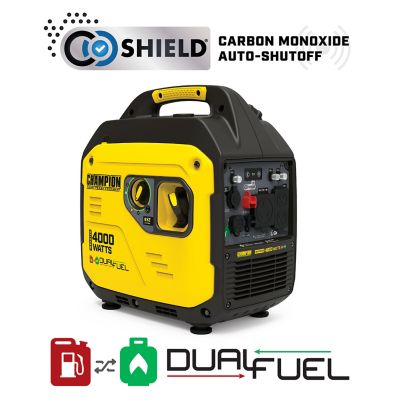
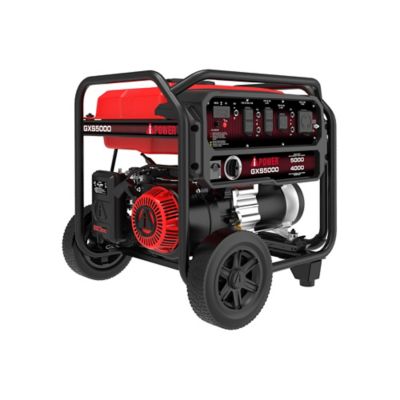
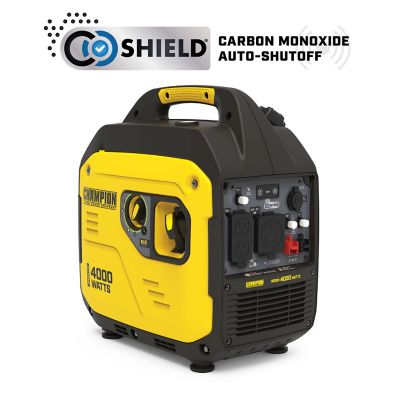
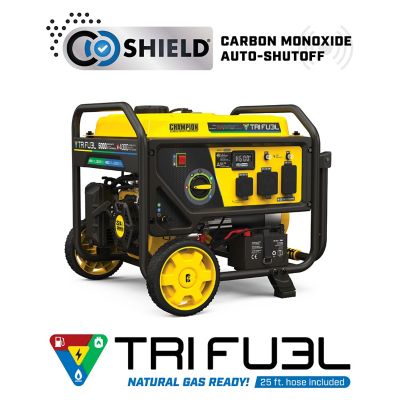
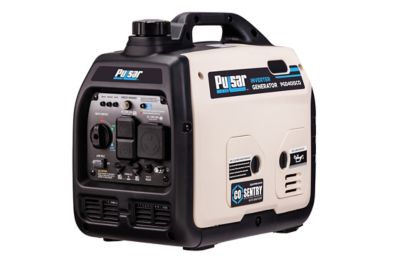
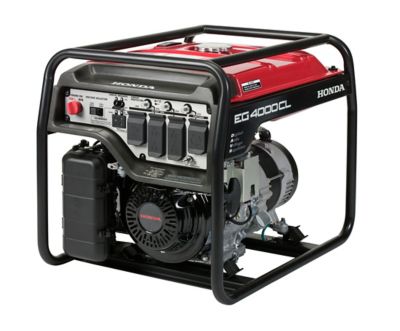
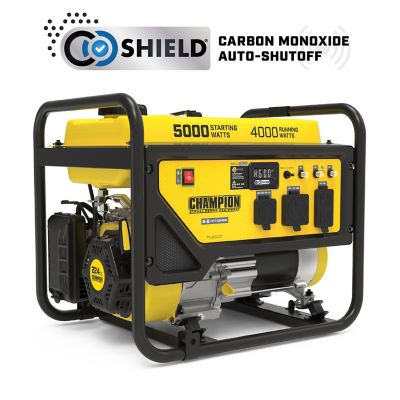
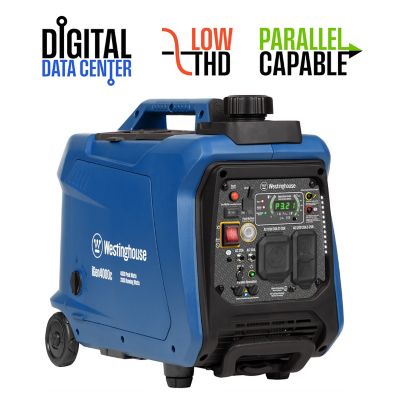
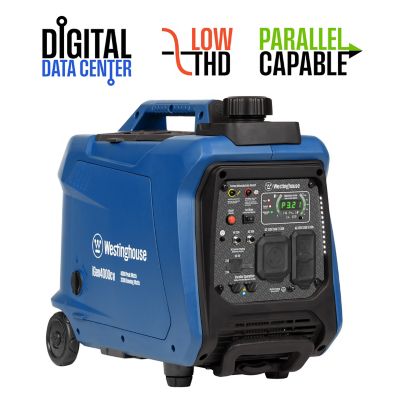
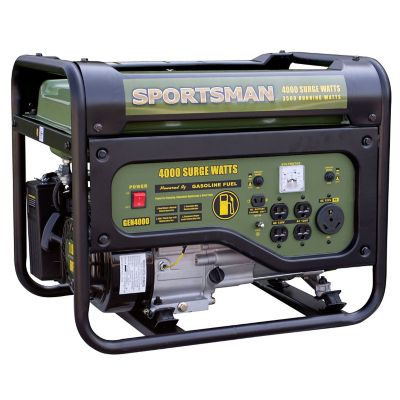
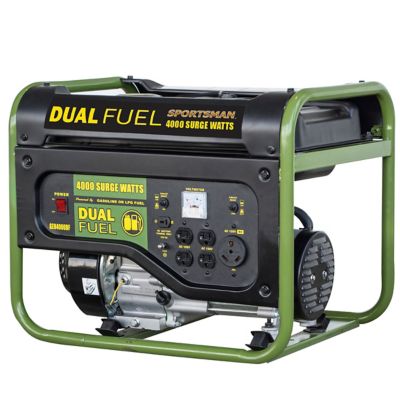
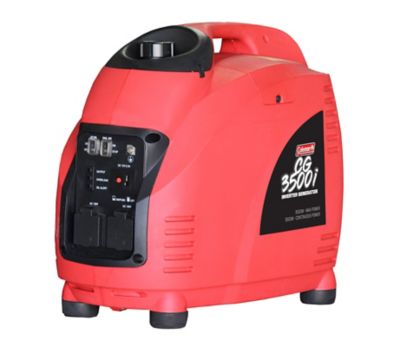
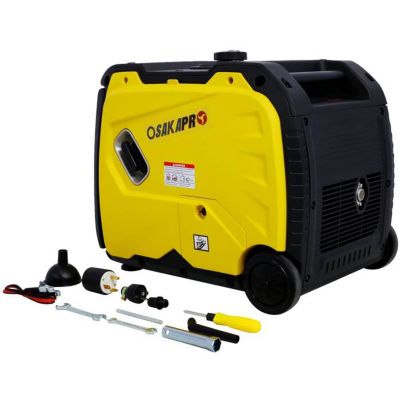
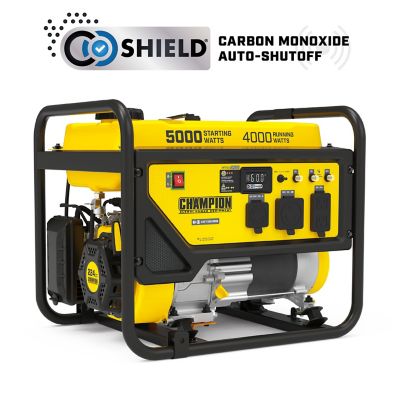
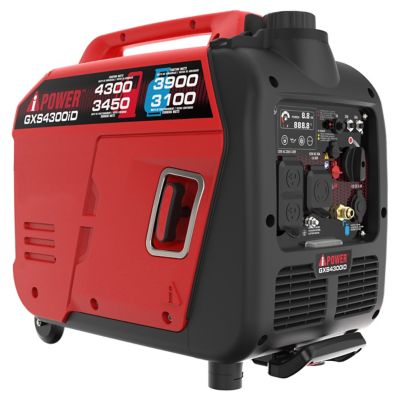
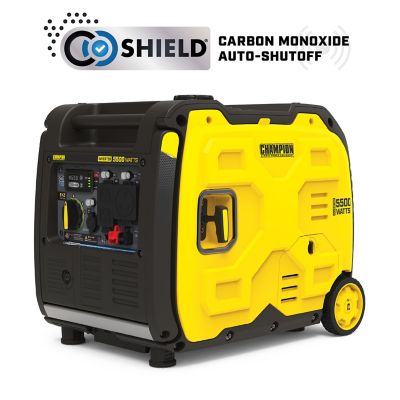
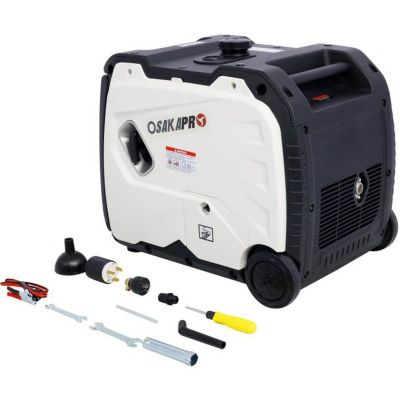
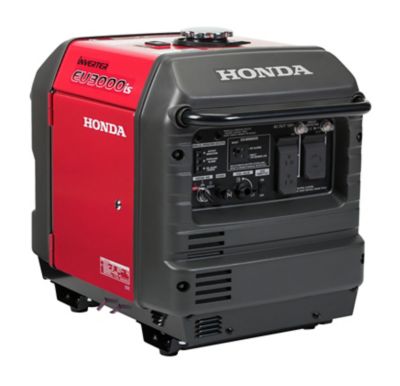
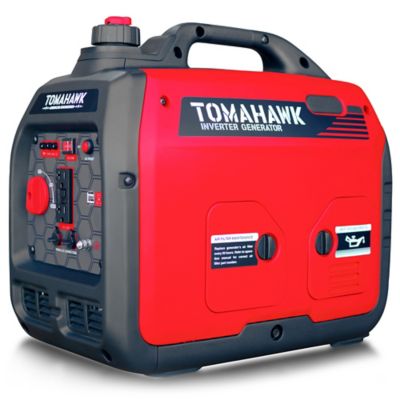
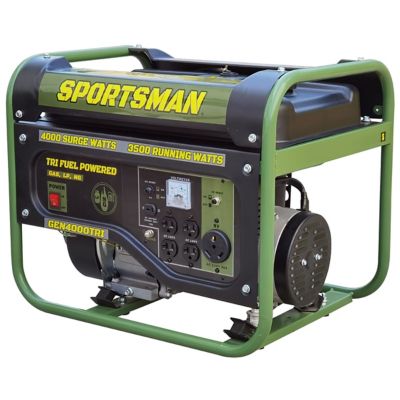
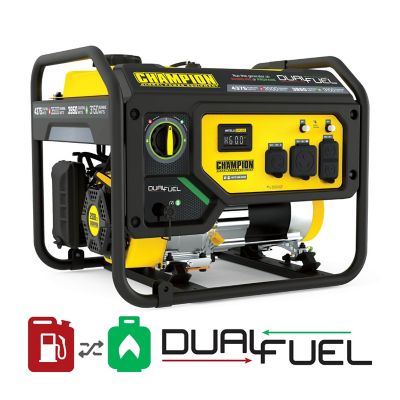
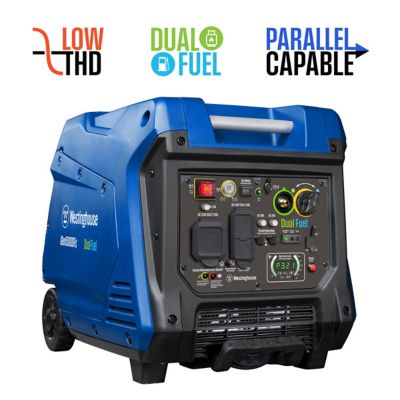
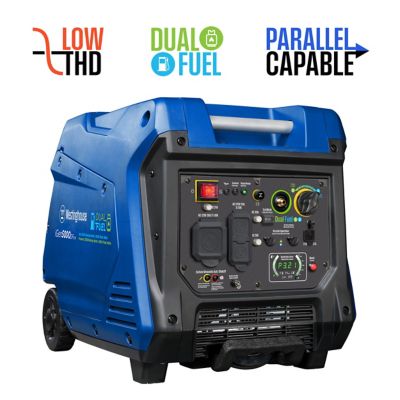
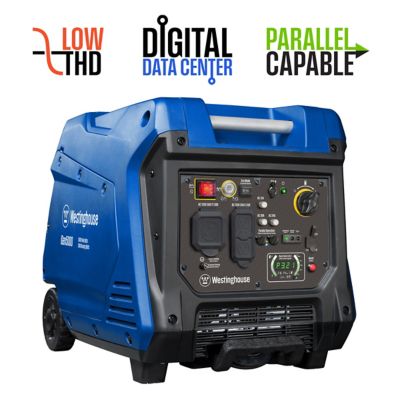
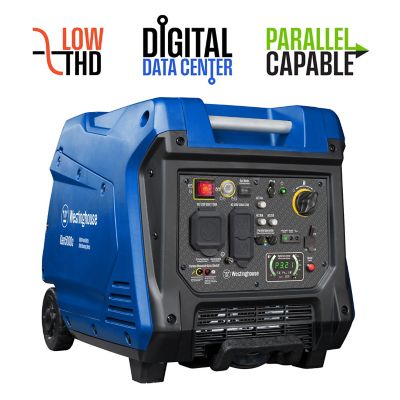
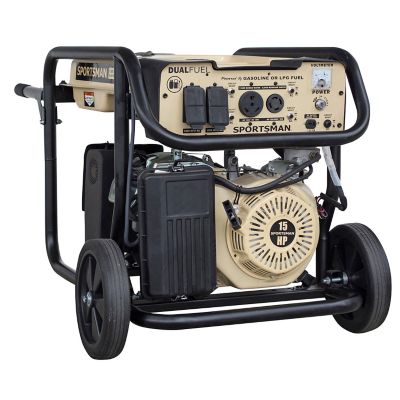
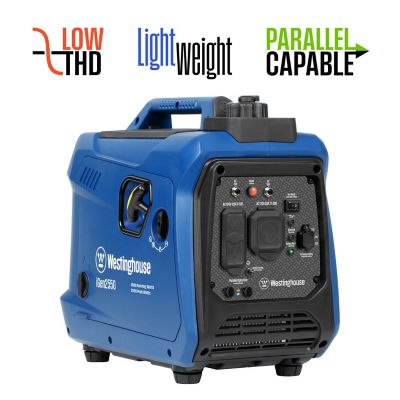
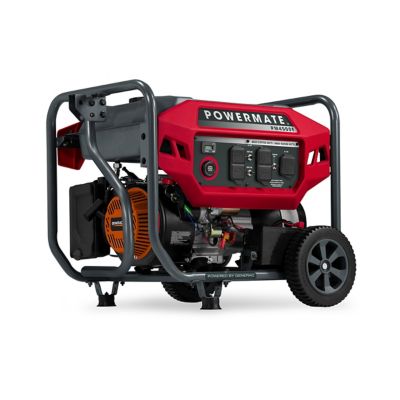
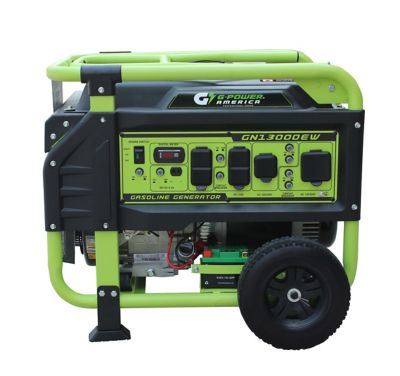
A 4,000-watt generator brings portable power to places where an outlet isn’t close by, from a fence repair beyond the barn to a campsite or a home with the power out. This size can be a practical fit for folks who need electricity for selected essentials without stepping up to a much larger machine. The important distinction is between starting watts and running watts. Some 4000W generators reach that output briefly to handle startup demand, while their continuous output is lower; others carry a different combination of ratings. Motors in refrigerators, freezers, pumps, and power tools can draw extra electricity when they kick on, so their startup requirements matter just as much as their steady draw. A refrigerator and a few lights make a different load than a saw starting while another motor is already running. Adding the nameplate requirements of the equipment that will operate together gives a clearer picture of the capacity needed, with room left for startup surges. Voltage matters, too: a 120-volt generator won’t power equipment that requires 240 volts, regardless of its wattage rating. For farm chores, workshop projects, recreational trips, and limited home backup, the right match depends on the actual loads rather than the wattage number alone. Gasoline-powered designs are common in this category, while some generators also accept propane. Fuel flexibility can be handy where propane cylinders already serve other equipment, though output and runtime may differ by fuel type. A larger fuel tank may stretch the time between stops, but runtime figures usually reflect a stated load rather than full-capacity operation. Comparing those conditions helps make sense of the numbers. For an acreage owner running a tool away from the shop, or a camper supplying a few electrical comforts, a generator in this range can fill a useful middle ground. It is portable power for a planned set of tasks, not a substitute for checking what each appliance, motor, or circuit actually needs.
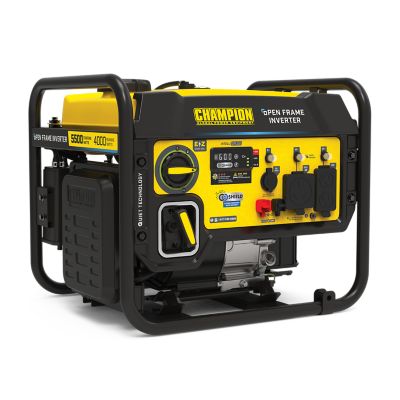
The way a generator is built can make as much difference to everyday handling as its electrical output. Open-frame designs often surround the engine and alternator with a steel frame, while enclosed models place more components behind a housing. Inverter designs regulate electrical output electronically and may vary engine speed with demand, which can help reduce fuel consumption and sound at lighter loads. For laptops, televisions, battery chargers, and other electronics, the equipment maker’s power requirements and the generator’s published output specifications deserve a close look. Sound ratings also need context, including the operating load and measurement distance, especially when the generator will be near a campsite or a neighbor’s property. Carrying handles, folding handles, wheel kits, and overall dimensions affect how easily the machine moves from storage to its operating spot. A weight figure may not include fuel, and wheels suited to a smooth driveway may take more effort across gravel or uneven ground. Loading a generator into a truck calls for suitable lifting equipment or enough help, not just a convenient handhold. At the control panel, outlet style and circuit ratings determine what can connect directly. A receptacle that fits a plug does not, by itself, confirm that the generator can support everything attached to it. RV connections deserve particular attention to voltage, amperage, grounding requirements, and the RV manufacturer’s instructions; an adapter changes the connection, not the generator’s capacity. Electric start can take some effort out of getting going, while a recoil starter offers a different setup with fewer starting-battery needs. Fuel gauges, hour meters, low-oil shutdown, and carbon monoxide shutoff systems are features worth comparing where included. For smaller electrical demands,
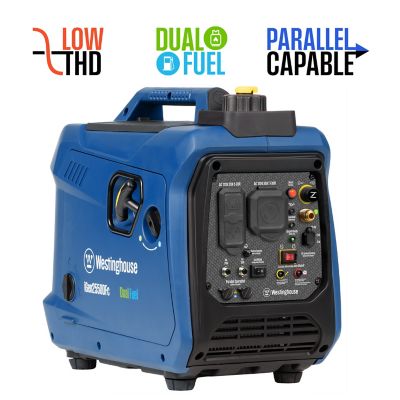
1800w Generators offer another size range to consider alongside the equipment that needs power. Choosing enough capacity without hauling more machine than the job calls for can make packing, transport, and storage easier.
Safe placement and routine care belong in the picture with any portable generator. A fuel-burning generator must run outdoors, at least 20 feet from buildings, with exhaust pointed away from doors, windows, vents, and people. A garage, barn, shed, enclosed trailer, or porch is not a safe operating location, even with doors open. Carbon monoxide has no smell or color, and an automatic shutoff system does not replace proper placement or working carbon monoxide alarms in occupied buildings. The operating spot should be level and dry, with the clearances required by the manufacturer and without enclosing the machine to block sound. Outdoor-rated extension cords need the correct amperage rating, grounding, and condition for the load and cord length. Keeping connections dry and following ground-fault protection requirements helps reduce electrical hazards around tools and work areas. Supplying home circuits requires properly installed transfer equipment and a qualified electrician; plugging a generator into a household wall outlet can send electricity onto utility lines and put other people in danger. Day-to-day care starts with the owner’s manual, including any break-in procedure, oil checks, oil-change intervals, air-filter service, and spark-plug maintenance. An hour meter can make those intervals easier to track when a generator runs for several short jobs instead of one long stretch. Dust and chaff around a work area can also make regular inspection of cooling openings and filters especially worthwhile. Before refueling, shut the engine down and let it cool, then handle fuel away from flames, sparks, and other ignition sources. Approved fuel containers belong outside living areas in a suitable storage location. For longer breaks between jobs, follow the manufacturer’s directions for fuel treatment or draining, battery care where applicable, and storage. A cover belongs on a cool, stopped machine, never over a running generator. With the right electrical match, a manageable frame, and attention to those upkeep needs, a 4,000-watt generator can earn its place among the equipment kept ready for work away from an outlet and essential backup tasks.