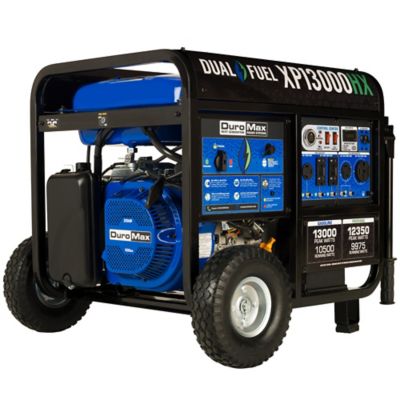
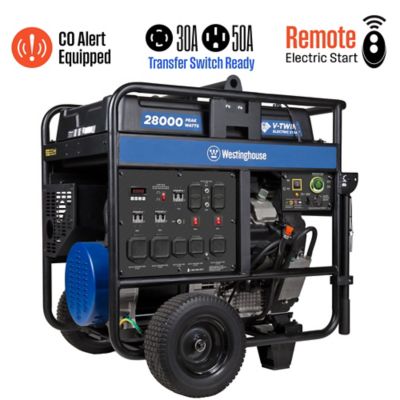
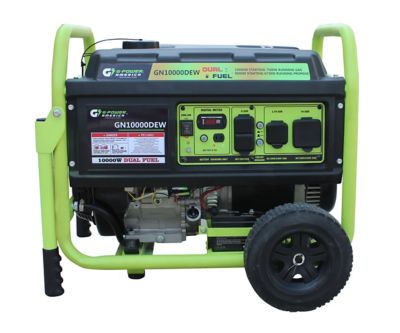
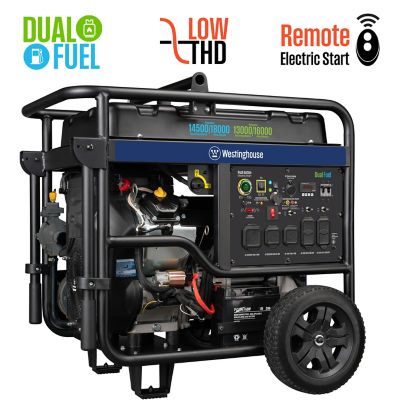
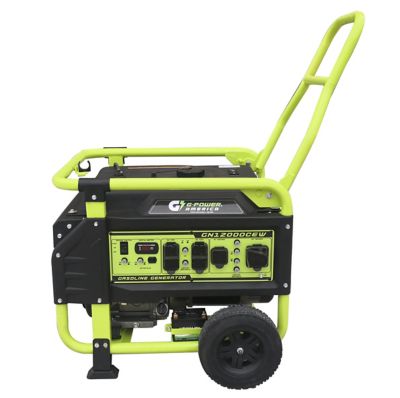
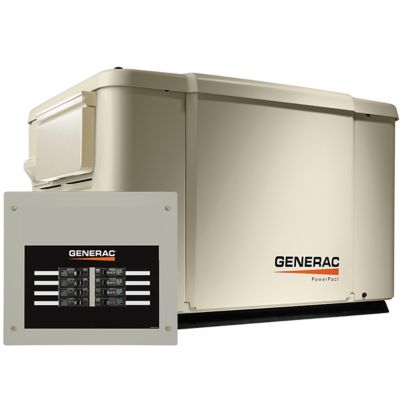
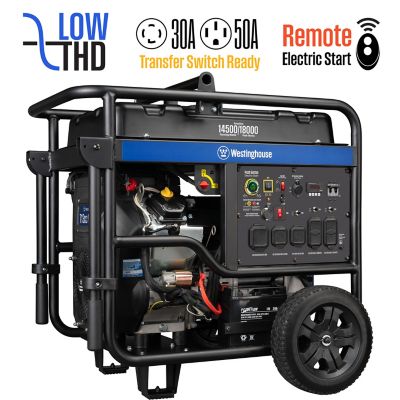
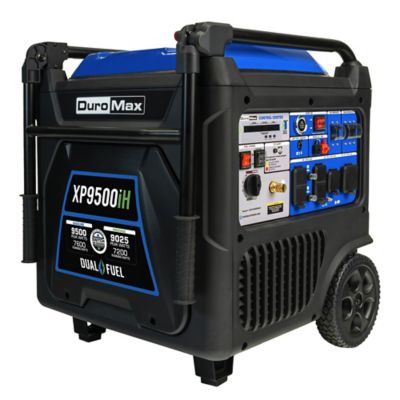
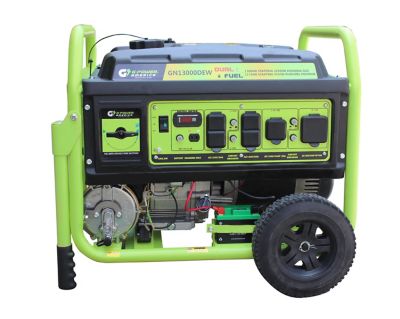
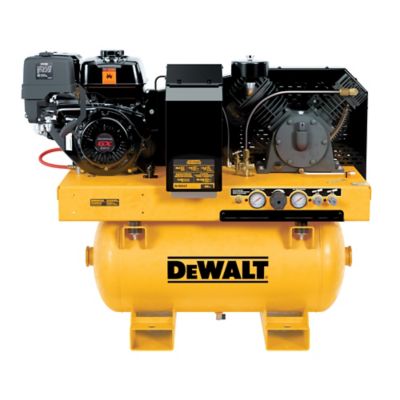
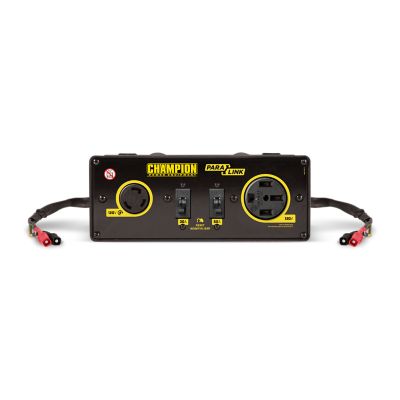
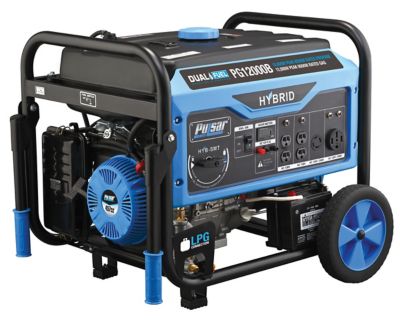
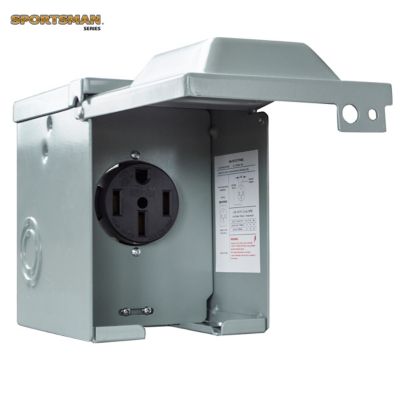
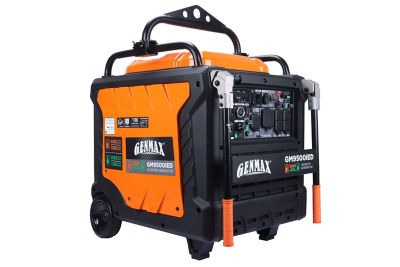
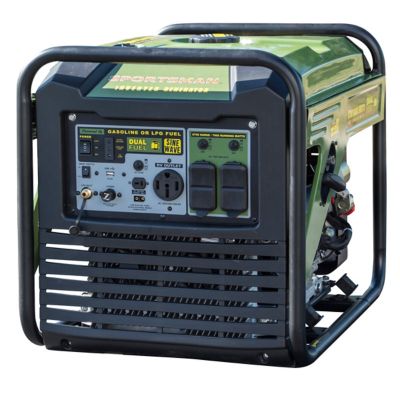
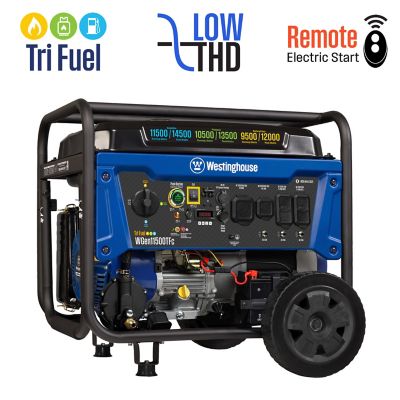
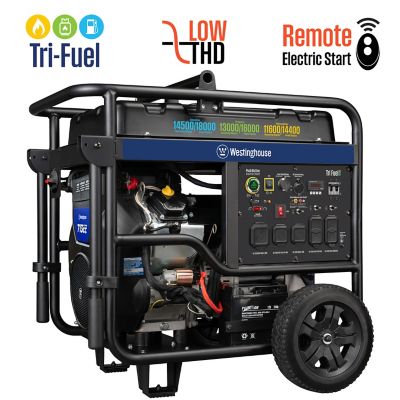
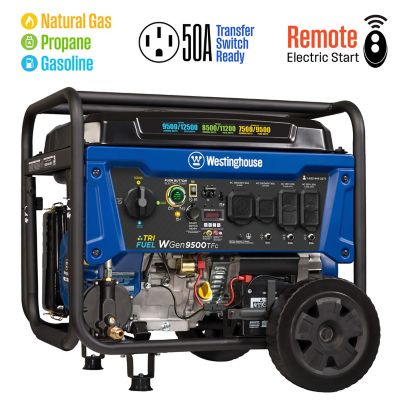
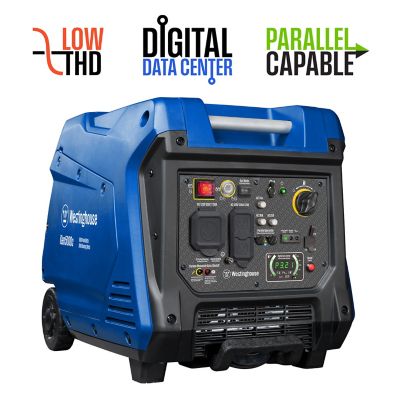
When the lights go out down a country road, keeping the freezer cold and the well pump running can matter a whole lot more than keeping every room lit. Generators with 50-amp outlets offer a connection for higher-demand equipment, large RVs and properly equipped household backup systems. Many fall around 9,000 to 12,000 watts, but the outlet rating alone does not tell you how much electricity a generator can deliver. A 50-amp, 120/240-volt connection can carry up to 12,000 watts when supported by the generator’s continuous output, with up to 6,000 watts on each 120-volt leg. Actual capacity depends on the generator’s running-watt rating, fuel source and operating conditions. Starting watts describe the extra power available briefly to get motors moving, not the amount you can draw all afternoon. That distinction counts when a refrigerator, sump pump or air compressor starts while other equipment is already running. A common connection on 50-amp generators is a NEMA 14-50R receptacle, a four-prong outlet with two hot connections, a neutral and a ground. Check the listed receptacle configuration rather than assuming every generator in this category has the same hookup. For a household, this class of generator may support selected essential circuits rather than the entire property. For an RV owner, it may supply several appliances, provided their combined demand and starting loads stay within the generator’s limits. Two rooftop air conditioners can be a substantial load, especially at startup, so their individual requirements matter more than the size of the plug. Around a farm or workshop, the same principle applies to pumps, saws and other motor-driven equipment. A setup that handles lights and a battery charger comfortably may respond very differently when a large motor kicks on. Matching output to the work helps keep a routine chore from turning into repeated trips to reset a breaker.
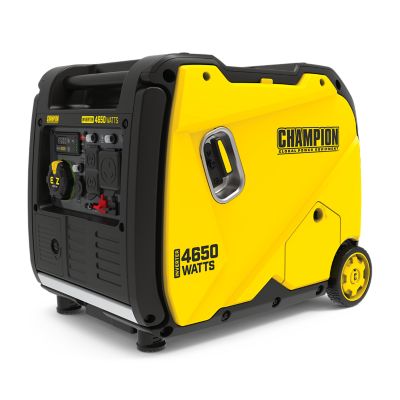
Fuel choice, power delivery and physical fit all shape how a 50-amp generator fits into daily life. Gasoline models can make sense where fresh fuel is already part of the equipment routine. Dual-fuel generators typically run on gasoline or propane, while tri-fuel models add natural gas capability. Compare the running and starting ratings for each fuel, since output often drops when switching from gasoline to propane or natural gas. Propane stores well in properly maintained cylinders, but cylinder size and cold temperatures can affect fuel delivery under a heavy load. Natural gas operation requires a compatible supply with the specified pressure and flow; a nearby gas connection does not automatically meet those requirements. Runtime deserves the same close look. A runtime figure measured at one-quarter load does not describe how long a tank will last while powering several large appliances. For electronics, inverter technology and a stated low total harmonic distortion rating are useful considerations, particularly with computers and electronically controlled appliances. Follow the appliance manufacturer’s power requirements rather than treating every generator as interchangeable. Noise ratings also need context, including the distance and load at which they were measured. A generator beside an RV camping area has a different audience than one serving a remote work site, though safe placement matters in both settings. Steel frames, protected outlets and sturdy handles can help equipment stand up to transport and regular outdoor work. Enclosures may reduce operating noise, but they do not make a generator safe to run inside or expose to rain. Check overall weight, wheel design, lifting points and storage dimensions, especially if getting the generator out means crossing gravel or rolling it over a shed threshold. Electric start can take some effort out of getting going, although the starting battery needs attention between outings. For smaller jobs where a 50-amp connection is unnecessary,
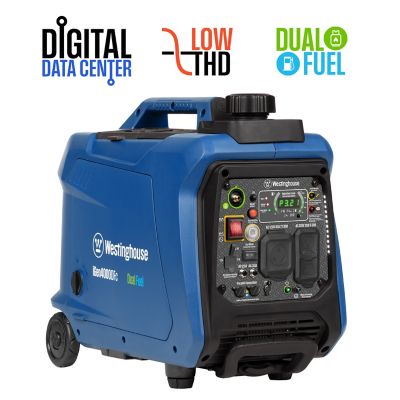
1800w Generators offer a smaller-output category to consider for modest loads such as lights, chargers or limited campsite needs, subject to each appliance’s startup requirements.
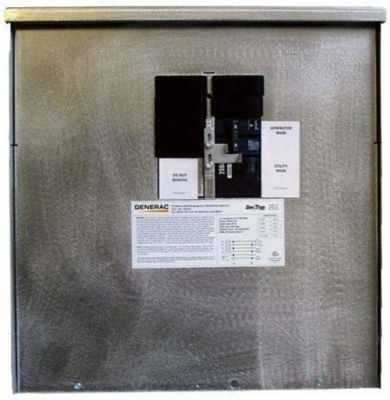
The connection equipment and upkeep deserve as much attention as the generator itself. A 50-amp RV cord needs to match the generator outlet and the RV’s electrical requirements; an adapter changes the connection, not the generator’s available wattage. For household backup, have a qualified electrician install a compatible power inlet and transfer equipment, such as a transfer switch or a code-compliant panel interlock arrangement. Never connect a generator to a wall outlet or feed household wiring through a cord with exposed male plugs. Proper transfer equipment prevents electricity from flowing back onto utility lines and allows the connected circuits to operate within the system’s limits. An electrician can also address neutral bonding, grounding requirements and the balance of loads across the two 120-volt legs. Cord length and conductor size affect voltage drop, so choose outdoor-rated generator cords sized for the amperage, distance and conditions, with connections protected from moisture. Operate a portable generator outdoors at least 20 feet from the home, with exhaust directed away from windows, doors and vents, and keep it well away from other occupied buildings and RVs. Never run it in a garage, barn, shed or other enclosed or partly enclosed space, even with doors open. Carbon monoxide shutoff features provide another layer of protection, not permission to bring the machine closer; working carbon monoxide alarms inside occupied spaces remain essential. Keep the generator dry with a manufacturer-approved arrangement that preserves ventilation and exhaust clearance. Once the job is done, let the engine cool before refueling, and follow the manual for oil checks, filter service, spark plug care and storage. Gasoline storage may call for stabilizer or draining, depending on the manufacturer’s directions and how long the machine will sit. During the cooler months, checking the battery and completing scheduled maintenance before a storm can spare a frustrating start in the dark. A generator matched to its loads, connections and care routine can support the practical essentials, from water at the kitchen sink to a freezer full of food.