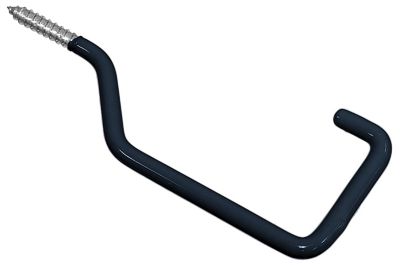
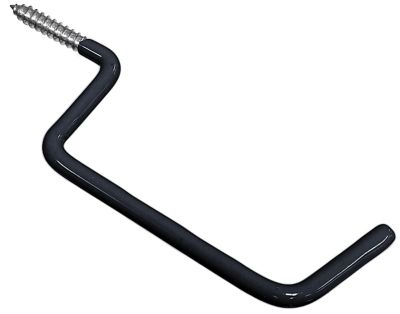
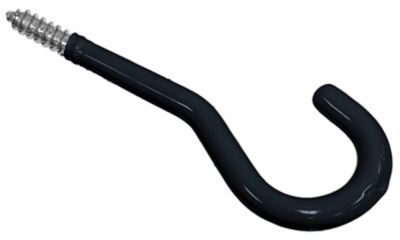
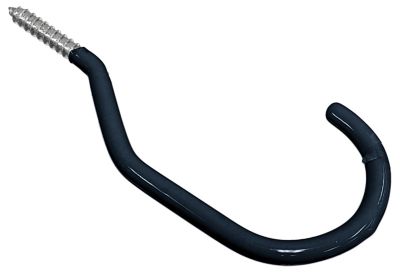
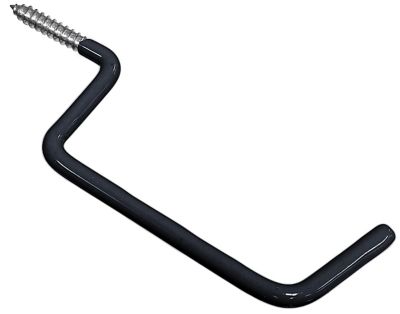
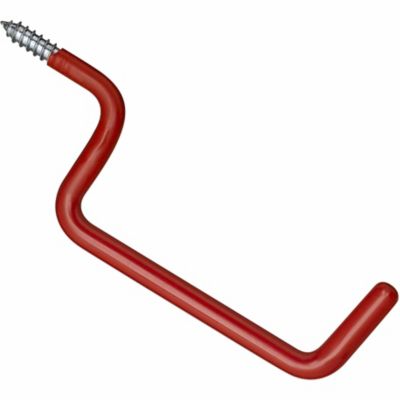
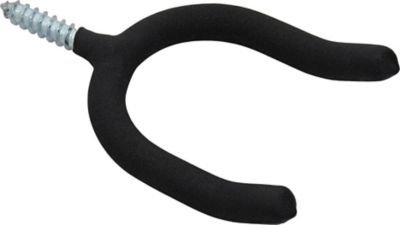
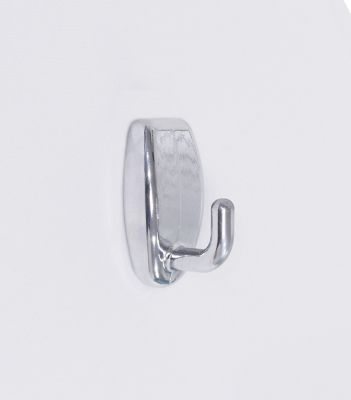
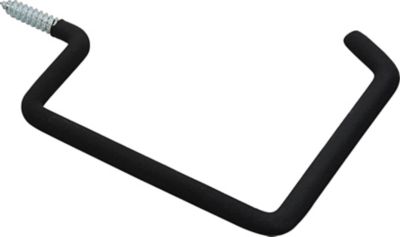
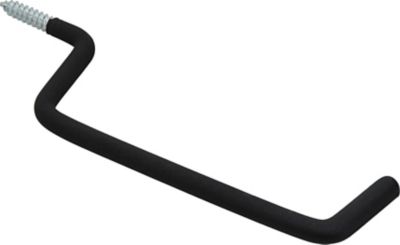
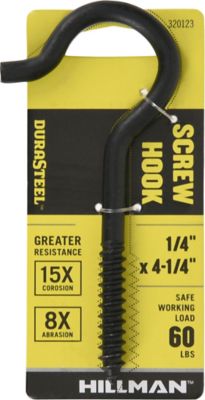
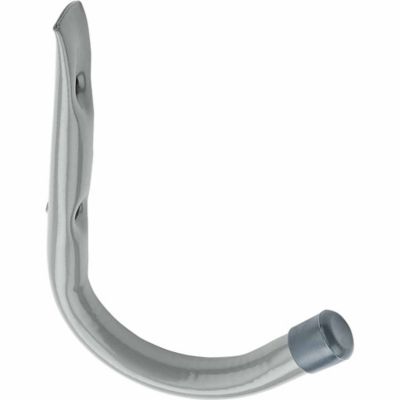
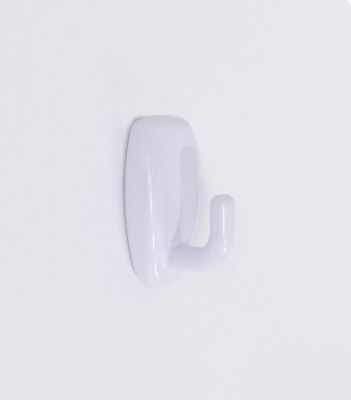
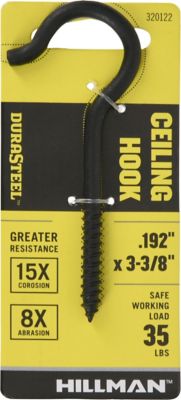
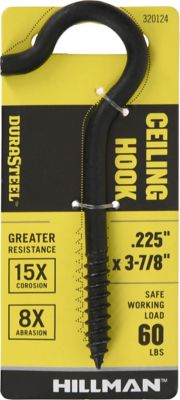
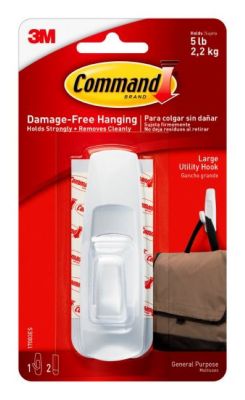
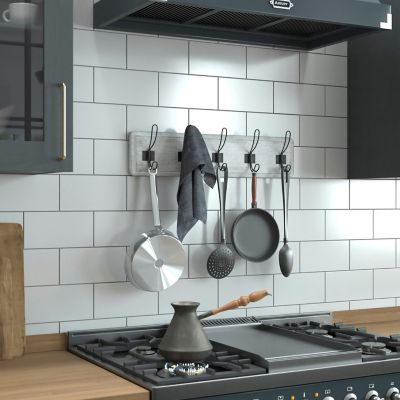
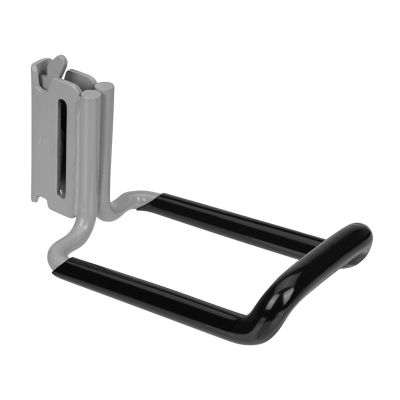
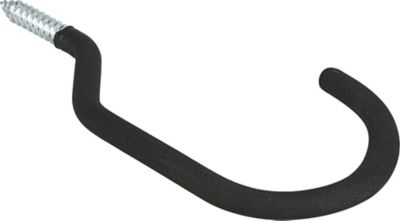
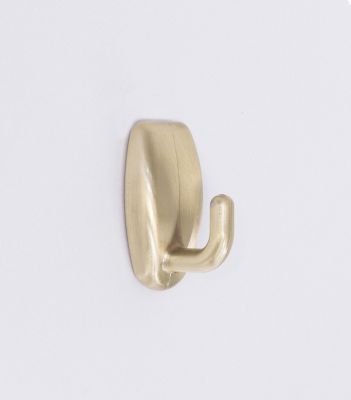
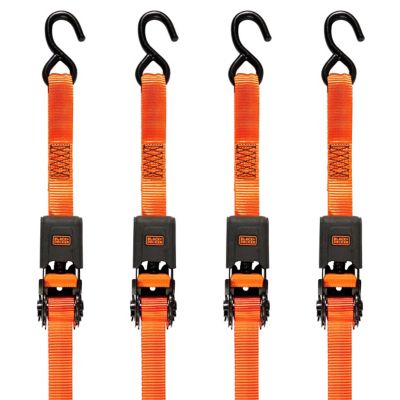
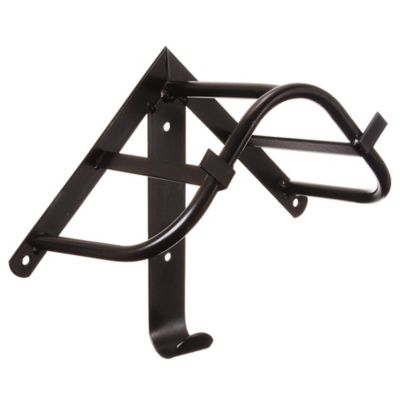
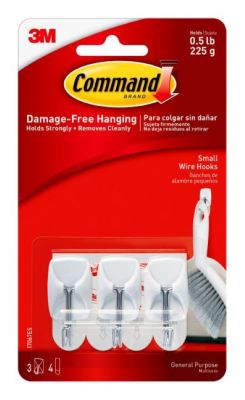
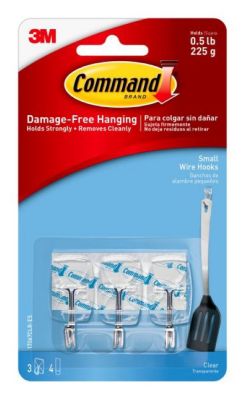
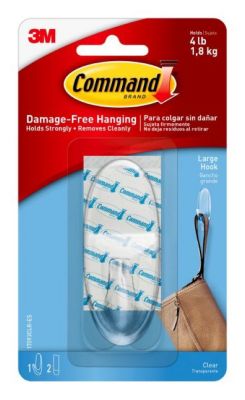
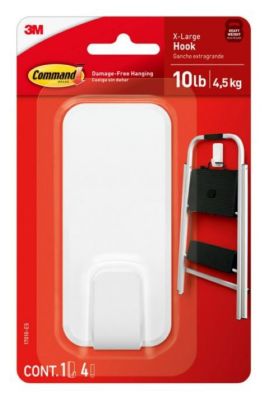
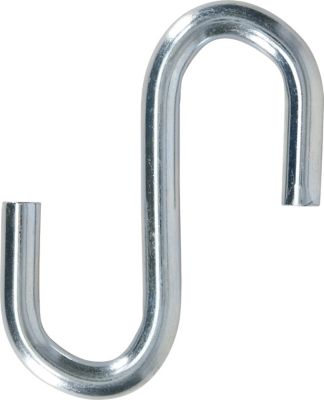
Vinyl coated hooks offer a handy way to organize tools, gear, household items, and outdoor supplies while helping protect the surfaces that rest against them. These hooks are made with a steel core and covered in a soft vinyl layer that helps reduce scratches, scuffs, and slipping. The coating also helps shield the metal from moisture, making many styles suitable for garages, barns, sheds, utility rooms, workshops, closets, kitchens, and covered outdoor areas. A small cup or ceiling hook can hold a lightweight plant, kitchen utensil, mug, lantern, or strand of lights, while a larger utility hook can help lift hoses, extension cords, hand tools, ladders, and other bulky items off the floor. S-hooks bring added flexibility because they can hang from a rack, closet rod, rail, or sturdy loop without permanent installation. They work well when storage needs change from season to season, such as moving garden tools aside to make room for winter equipment or keeping rain gear close to an entryway during wet weather. The vinyl covering gives items a softer place to rest than bare steel, which can be especially helpful for bicycle rims, painted tools, ceramic pieces, wire baskets, and other surfaces that may show marks when placed against uncoated metal.
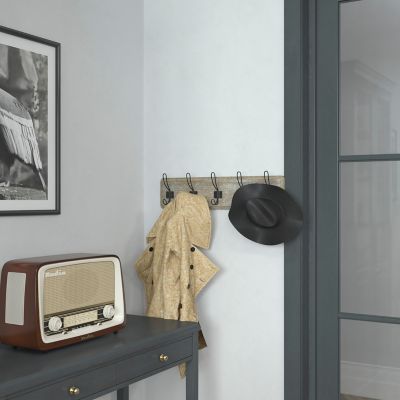
Before choosing a hook, consider what will hang from it, where the hook will go, and how often the item will be handled. Weight is only one part of the decision. A garden hose may not be especially heavy, but its shape can pull outward from the wall, while a ladder or long-handled tool may place uneven pressure on the hook as it is lifted on and off. Measure the width and depth of the item, then compare those dimensions with the hook opening and reach. A hook that is too narrow may pinch or scrape an item, while one that is too shallow may let it slide away. For wall storage, locate a wood stud whenever possible, especially when hanging bicycles, ladders, loaded tool bags, or other sizable items. If a stud is not available, choose mounting hardware suited to the wall material and follow the hardware directions. Drywall, masonry, plywood, and metal panels each call for different fasteners and support methods. Ceiling hooks also need careful placement, since overhead items should be secure, easy to reach, and clear of doors, lights, fans, and walking paths. On a porch, shed, or barn wall, place hooks where rain and runoff will not collect around the mounting point. During the cooler months, a well-planned row of hooks can keep coats, work gloves, cords, and small equipment from piling up near the door or getting buried beneath other gear.
For larger storage jobs, explore
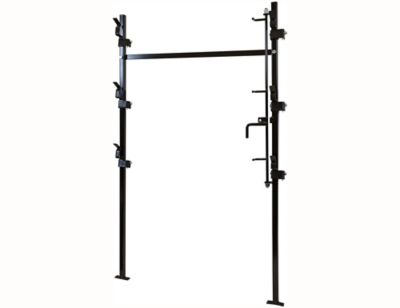
Heavy Duty Storage Hooks when the plan includes ladders, hoses, bikes, carts, long tools, or other items that need more support and room to sit securely. Keep frequently handled items between shoulder and waist height, and reserve higher hooks for seasonal gear that comes down only a few times each year. A vinyl coated surface can provide a better grip than smooth bare metal, but it should not replace sound mounting or thoughtful weight management. Inspect the hook, fasteners, and wall area from time to time for looseness, bending, cracking, or signs of moisture. Wipe away dirt and dust before they build up, and allow wet equipment to drain rather than trapping water against the wall. In a farm shop, these hooks can bring order to fence tools, lead ropes, buckets, and coiled lines; in a garage, they can clear floor space for vehicles and equipment; in a mudroom, they can give each family member a simple place for jackets and bags. They can also make a practical housewarming gift for someone settling into a new workshop, shed, or rural home. With the right size, mounting location, and weight rating, vinyl coated hooks help turn open wall space into useful storage while keeping everyday gear easier to find and gentler on the surfaces it touches.