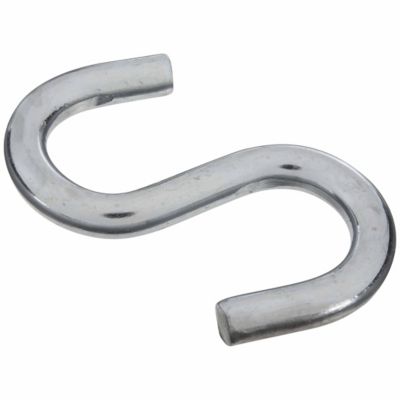
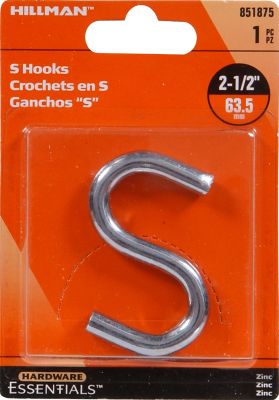
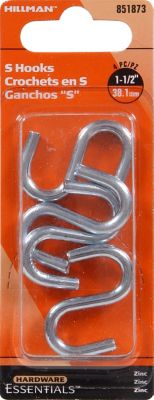
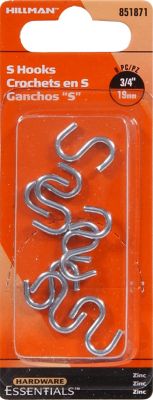
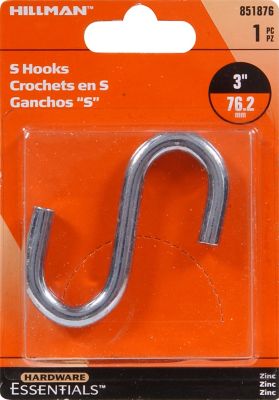
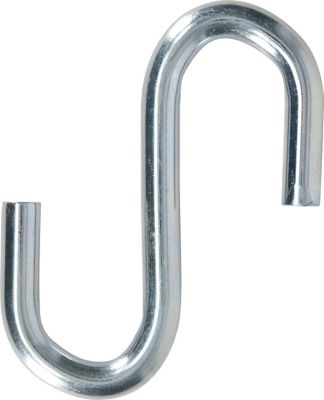
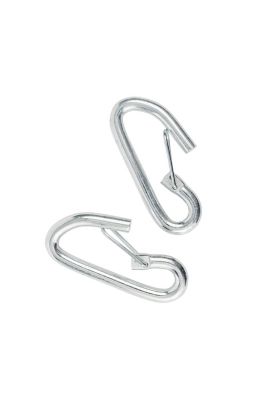
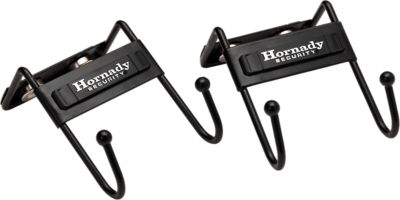
Heavy-duty S-hooks are metal connectors with two opposing curved ends that hang equipment from a suitable rail, bar, rack or other support. Their simple shape makes them handy for organizing garages, workshops, barns and tack rooms without tying knots or adding a permanent fastener to every piece of gear. Many open styles slip into place without tools, although the structure supporting them still needs proper installation. One end rests over the support while the other holds the load, keeping everyday equipment within reach and off the floor. For farmers, mechanics and anyone with a busy workbench, that can mean less time untangling straps or moving things aside before a job can start. A coil of hose, a bucket with a sound handle or a set of storage straps each presents a different hanging task, so the best match depends on more than the hook’s overall length. Load capacity, opening width, metal thickness and the shape of both ends all matter. The words “heavy duty” describe a category, not a universal weight rating; the stated working load limit and intended application provide the useful details. A hook’s capacity also does not increase the capacity of the rail, bracket or handle attached to it. The whole setup is limited by its weakest component, including the mounting hardware and the material behind it. For storage, a load should sit securely in the curve rather than balance on the tip or pull sideways across the opening. Equipment that gets bumped, swung or pulled can put different forces on a connection than an object hanging still. Heavy-duty S-hooks make the most sense where their shape suits the job, their rating covers the full load and the surrounding space allows equipment to hang without becoming a snag or a trip hazard.
Material and finish play a big part in how an S-hook holds up around a working property. Steel offers strength for many shop and farm storage applications, while zinc plating and galvanized finishes help protect steel against corrosion. Those finishes are protective layers, not a promise that exposed metal cannot rust, especially where repeated rubbing wears through the surface. Stainless steel can be a good fit for damp spaces or equipment that receives frequent cleaning, but its resistance depends on the alloy and the conditions around it. Contact with cleaning chemicals, fertilizer residue or other corrosive substances deserves attention when comparing materials. A coated hook can help cushion contact with a painted rack or keep a metal handle from scraping directly against bare steel. That coating does not automatically increase the weight rating, prevent slipping or provide electrical insulation. Fit matters just as much as finish. The opening needs enough clearance to pass over the support, while the inside curve needs room to seat against it without forcing the hook sideways. A thick hook may offer substantial strength yet still be a poor match for a narrow handle opening. Likewise, a long hook can provide useful clearance beneath a rail but leave hanging equipment farther out into a walkway. Overall length, inside opening dimensions and rod diameter tell different parts of that story. Hooks with different-size ends can suit a broad support on one side and a smaller attachment point on the other, provided that arrangement matches the stated application. Smooth, rounded contact surfaces are helpful around straps and handles because rough edges can rub against them each time equipment moves. For a hose or cord, a narrow contact point can concentrate pressure, making a broader hanging support a better choice in some setups. Choosing by the actual connection points keeps a substantial-looking hook from becoming an awkward fit once it reaches the barn or shop.
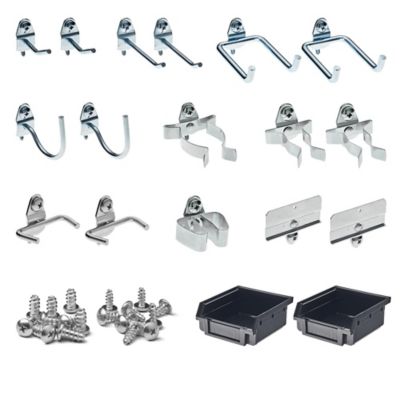
A practical storage layout gives each hook a clear purpose and enough room for the equipment beneath it. Along a utility rail, S-hooks can separate handled gear so it does not pile up in a corner; near a work area, they can keep frequently reached-for supplies out of the way without hiding them behind a cabinet door. A loaded bucket needs clearance for its handle to settle naturally, and its total weight includes everything inside it. Long straps need room to hang without dragging, while coiled equipment should stay clear of door tracks, moving machinery and sharp edges. Where a wall panel handles the smaller tools,
Heavy Duty Pegboard Hooks offer another storage approach, while S-hooks serve compatible rails and hanging connections elsewhere in the workspace. Keeping those arrangements suited to their mounting systems helps make the whole area easier to work in. Open S-hooks are convenient for removable storage, but that open shape also means a load can come free if it lifts, twists or loses tension. Situations that require positive retention call for hardware designed for that purpose rather than an improvised closure. Ordinary storage S-hooks should not stand in for rated lifting, climbing, towing or load-securement hardware. Any such application requires equipment specifically rated and approved for the task. Bending an opening shut, spreading it wider or applying heat can change a hook’s strength and finish, so alterations should not replace choosing the right size and design. Routine care is straightforward: remove buildup as appropriate for the material, keep the connection points visible and check for rust, cracks, sharp wear marks or a changed shape. A bent or damaged hook belongs out of service rather than back under a load. With the proper rating, a sound support and a fit that lets both curves seat correctly, heavy-duty S-hooks provide a simple way to keep working spaces orderly and everyday gear easy to reach.