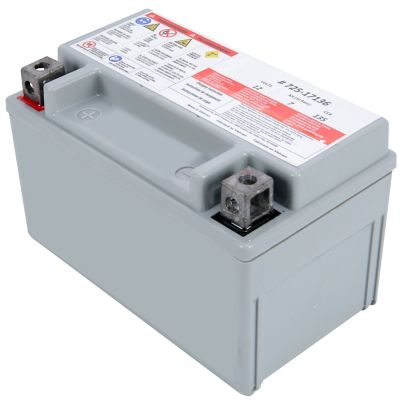
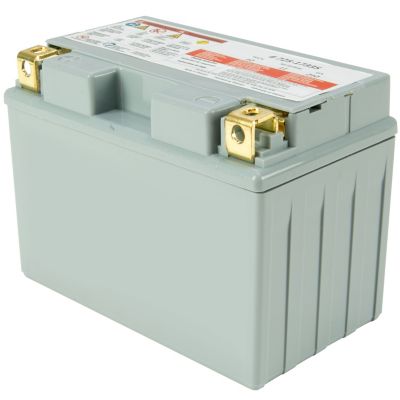
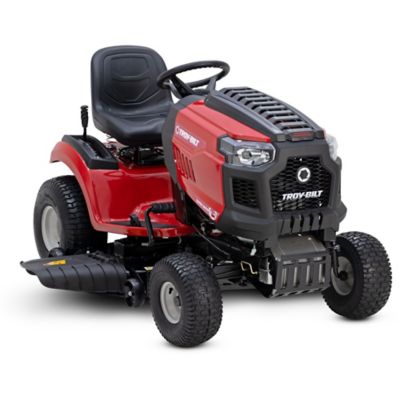
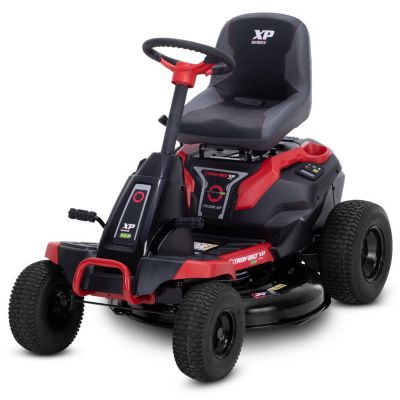
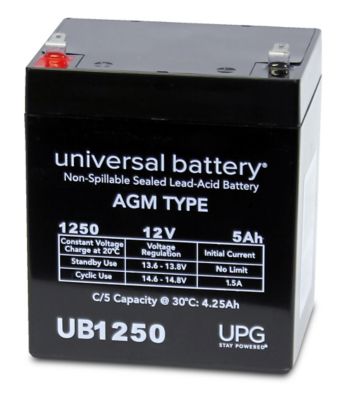
A dependable lawn mower battery helps keep a riding mower ready for the jobs that make a yard look its best, from trimming a few rows around the barn to cutting a wide stretch of grass behind the house. Many riding mowers and lawn tractors use a 12-volt sealed lead-acid battery, often in a U1 or U1R group size. These batteries are built for the short, strong burst of power needed to turn over an engine, rather than the long, steady discharge used by a deep-cycle battery. Sealed AGM designs are popular for mower use because they are maintenance-free, resist spills, and can handle the vibration that comes with rough ground, gravel drives, and uneven pasture edges. Before choosing a replacement, check the mower’s model and engine information, along with the battery already installed. The model number is commonly found under the seat, on the rear deck, or near the frame. Match the voltage, group size, terminal layout, and physical dimensions, since two batteries may look similar while placing the positive and negative posts in different locations. A battery that fits the tray but has the terminals reversed can make installation difficult or create a serious safety concern. Taking a quick picture of the old battery and measuring the tray can save a trip back to the store.
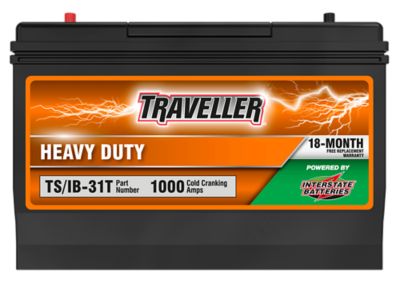
Cold cranking amps, or CCA, are another useful detail when comparing lawn mower batteries. This rating indicates how much starting power a battery can provide under cold conditions, and a higher rating can be helpful when the mower has been sitting in an unheated shed during cooler weather. It does not mean the battery will run the mower longer, but it can give the starter more support when the engine oil is thick and the air is chilly. Always use the mower manufacturer’s recommended specifications as the starting point rather than choosing only by the highest number. Inspect the battery cables and terminals while replacing the battery, too. Loose connections, white or green corrosion, frayed cables, and a damaged hold-down bracket can cause hard starting even with a new battery. Clean corrosion with a battery terminal brush, wear eye protection and gloves, and make sure the connections are snug without overtightening them. Follow the battery and mower instructions for charging, and use a charger designed for the battery type. A maintenance charger can help preserve a mower battery while the equipment sits during the cooler months, but the battery should be stored and charged in a dry, well-ventilated area away from sparks and open flames. Proper recycling matters as well; lead-acid batteries should not be placed in household trash, and many retailers or local recycling centers accept used batteries.
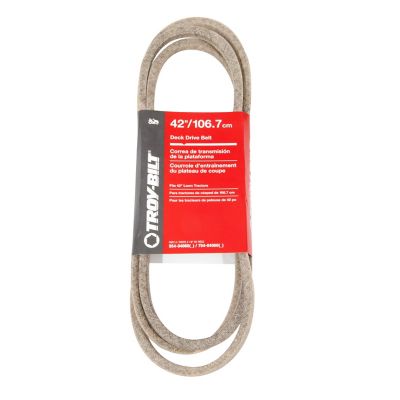
Replacement mower batteries are useful for homeowners, landlords, groundskeepers, small acreage owners, and anyone who depends on a riding mower to keep up with open lawn space. They also make a practical gift for a parent, neighbor, or family member who spends spring and summer keeping a rural property in shape, especially when paired with other routine maintenance supplies. A fresh battery can be part of getting equipment ready after a long period of storage, whether the mower is parked in a garage, shed, or covered equipment bay. If the engine cranks slowly, the starter clicks without turning over, the lights dim, or the battery repeatedly loses its charge, testing the battery and charging system can help identify the problem. Poor storage, a loose connection, an aging battery, or a faulty alternator may each produce similar symptoms. Keep in mind that a riding mower battery is only one part of a reliable starting system. Fresh fuel, a clean air filter, a properly gapped spark plug, and a clear mower deck all help the engine run smoothly once it starts. While checking the equipment, inspect the cutting deck and drive components, including the
Troy Bilt Riding Mower Belt, for wear, cracking, fraying, or looseness. Choosing the right battery group and terminal orientation, installing it securely, and caring for it through periods of storage can make the first start after sitting much less of a chore.