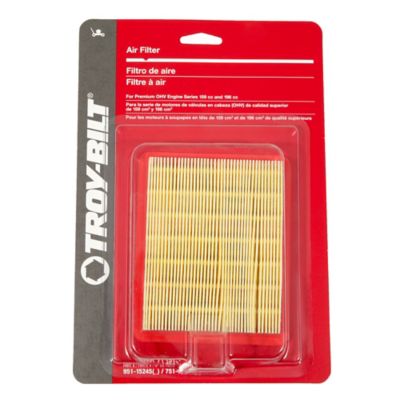
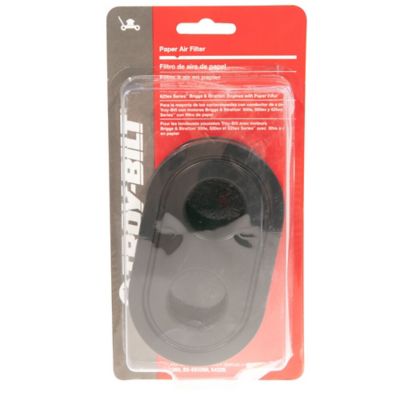
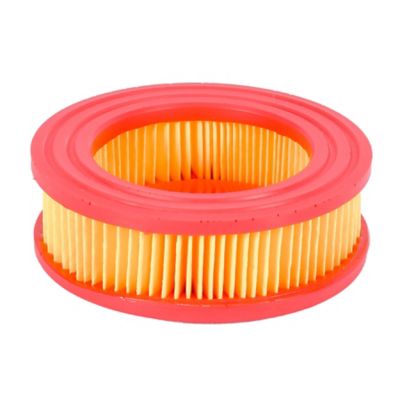
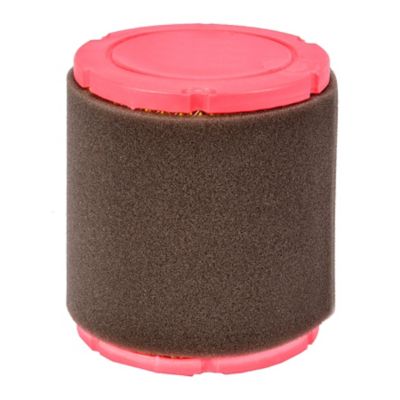
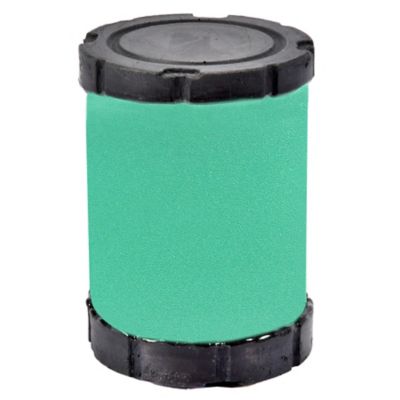
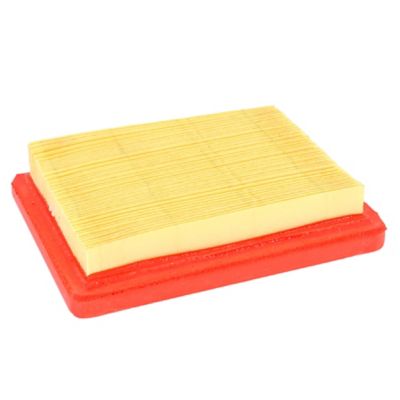
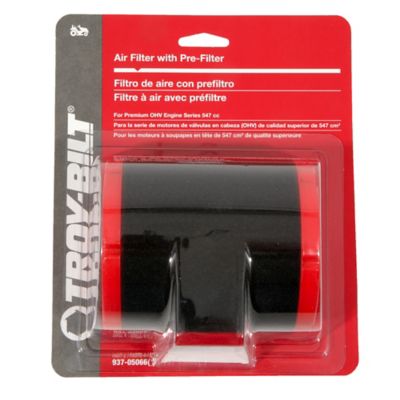
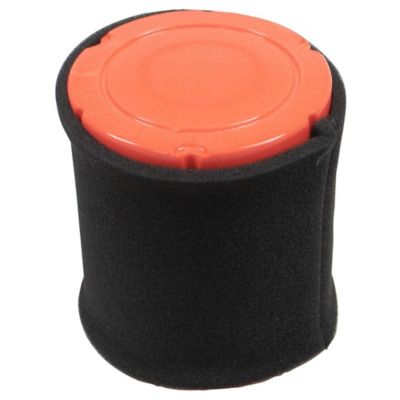
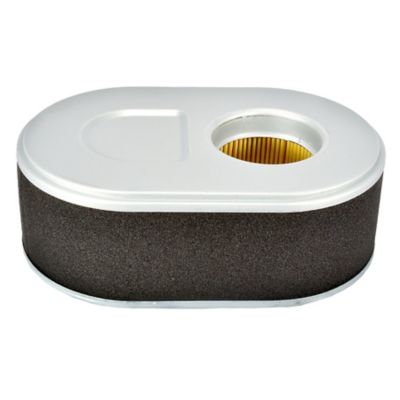
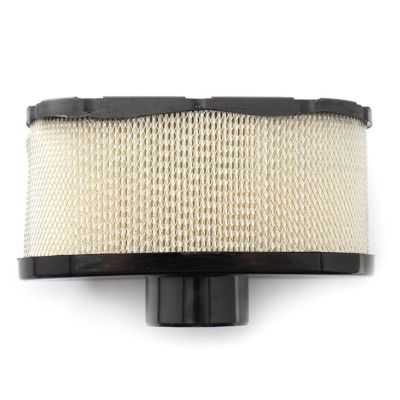
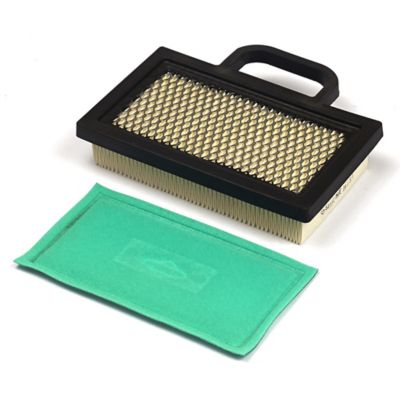
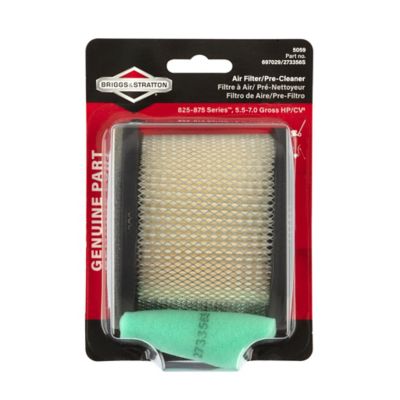
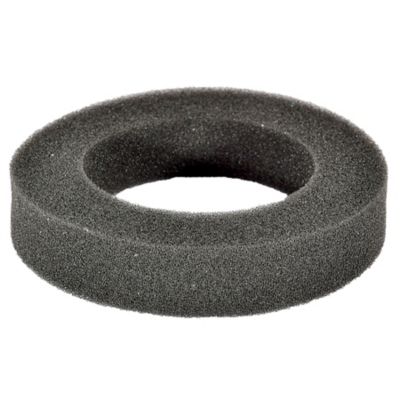
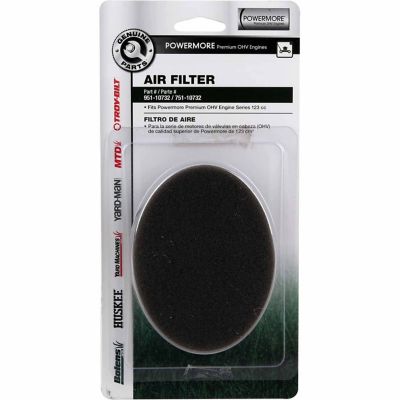
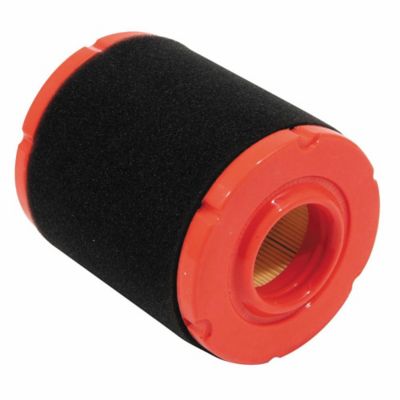
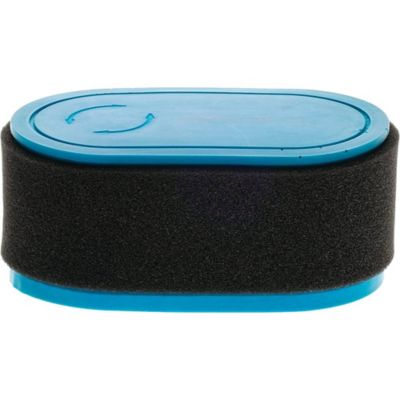
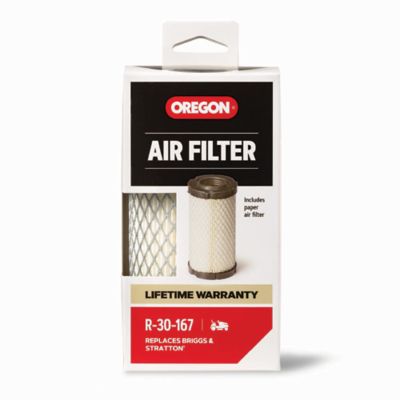
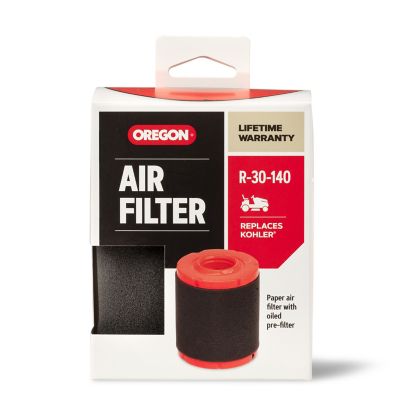
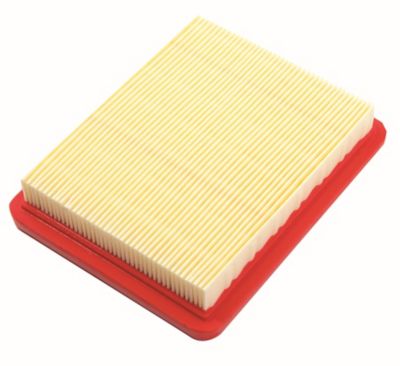
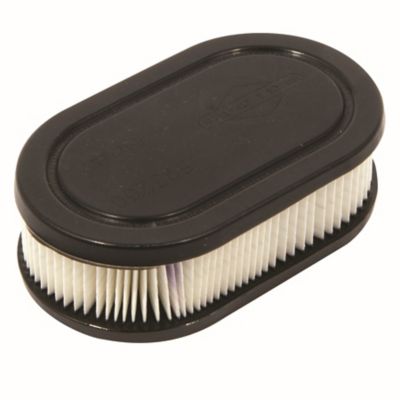
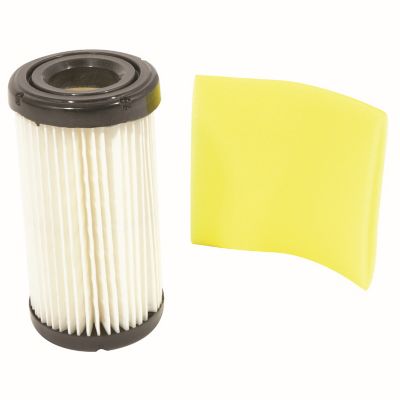
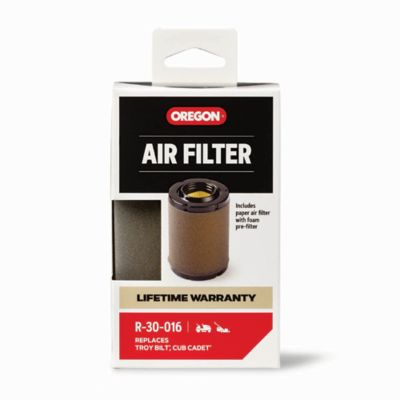
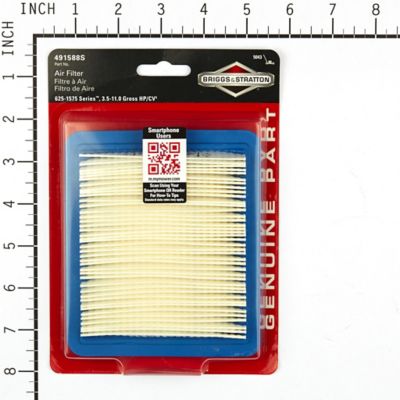
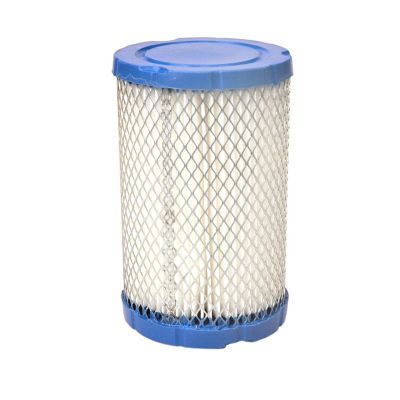
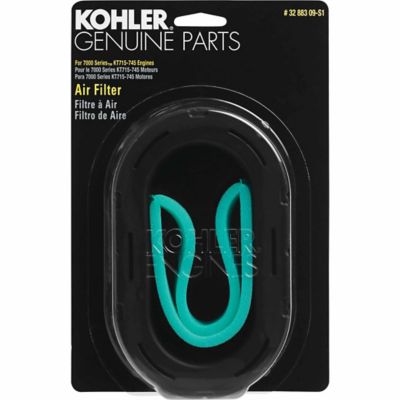
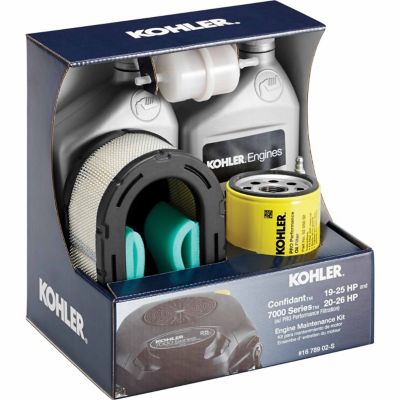
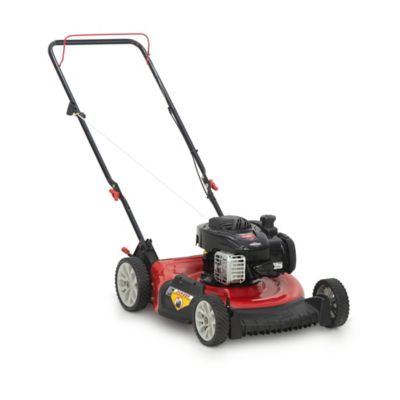
A lawn mower air filter helps keep airborne dirt, dust and grass particles out of the engine while allowing the airflow it needs to run. That small part has a big job when the yard is dry, leaves are scattered across the grass or a mower makes regular passes along a gravel lane. Without proper filtration, grit can reach internal engine surfaces and contribute to wear. A heavily clogged filter can restrict airflow, which may lead to rough running, reduced power or increased fuel consumption, depending on the engine. Replacement lawn mower air filters come in several shapes and materials, and the right choice depends on the engine rather than the mower’s appearance alone. Walk-behind mowers may have flat, pleated paper cartridges or serviceable foam elements, while some riding mower engines take cylindrical cartridges, sometimes paired with a foam pre-cleaner. Those are general patterns, not rules for matching a part. Two mowers with similar cutting widths can have entirely different air cleaner assemblies, and even machines from the same model family may have different engines. The mower model number, engine identification and replacement part number listed in the operator’s manual provide a stronger starting point than a photo. Length, width, height, opening size and seal shape all matter, but matching measurements alone does not establish compatibility. A filter needs to fit the specified housing, seat evenly and let the cover close as intended. For someone maintaining a small backyard, that means finding the right element for a familiar push mower. For a household cutting around outbuildings, fence lines and a larger stretch of lawn, it may mean matching a cartridge and pre-cleaner to a riding mower’s engine. In either setting, proper fit helps the filter do its job without leaving gaps where dusty air can slip past.
Filter materials affect both how an element catches debris and how it needs to be cared for. Pleated paper elements provide a broad filtering surface within a compact space, with folds that trap particles as air passes through. Their frames and sealing edges help hold the element in position inside the air cleaner housing. Depending on the design, those edges may include molded rubber or another flexible sealing material. Tears in the paper, crushed folds or a distorted edge can compromise the filter even when much of its surface still looks clean. Foam elements work differently, and some require a specified amount of oil to capture particles effectively. Others serve as pre-cleaners around or ahead of a main cartridge, catching larger debris before it reaches the finer filtering material. Foam should only be washed, dried or oiled according to the engine manufacturer’s directions; not every element calls for the same treatment. Paper cartridges generally need replacement when their service limit is reached and should not be washed or oiled unless the manufacturer explicitly directs otherwise. Blasting a filter with compressed air can damage the media, so cleaning methods should come from the manual rather than habit. Service life also depends on where the mower works. A lawn bordered by bare ground can load a filter faster than thick turf with little exposed soil. Mowing through dry leaf fragments or beside a dusty driveway adds another challenge, even during cooler weather. Engine-hour schedules are helpful, but operating conditions may call for more frequent inspection. A sound housing and a snug cover matter, too: a fresh filter cannot make up for a cracked enclosure or a missing seal. For routine replacement, the engine should be off and cool, with the spark plug lead disconnected as directed in the manual to prevent accidental starting. Keeping loose dirt out of the intake during service is just as important as selecting the correct replacement element.
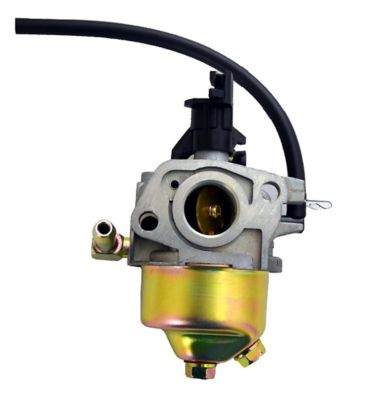
Shopping for a replacement mower air filter is easier when the intended use and maintenance routine stay in view. A mower that trims a level yard for a short stretch each week faces a different workload from one that spends hours circling trees, skirting a pasture fence and cutting the open ground around a barn. Neither situation changes the required fit, but longer run times and dustier conditions can change how often attention is needed. Filters with a separate pre-cleaner involve another component to inspect, and replacement descriptions should make clear whether that component is included or must be matched separately. A cartridge, a foam sleeve and a complete air cleaner assembly are not interchangeable terms. Checking what the engine actually requires helps prevent a repair from stalling with the housing open and the wrong part on the bench. It also helps to distinguish air filtration from fuel-system work. The air filter cleans incoming air; the carburetor meters fuel and mixes it with that air on engines equipped with one. An engine that starts poorly or stumbles under load does not automatically need a carburetor replacement, since stale fuel, ignition trouble and other conditions can produce similar symptoms. For mower owners comparing related fuel-system parts, the
Troy Bilt Push Mower Carburetor page covers a separate component that also requires an exact engine match. Air filter selection still comes back to the correct element, intact filtering material and a proper seal. Between mowing sessions, replacement filters belong in a clean, dry spot where moisture, spilled fluids and heavy tools cannot damage them. Keeping the packaging and part number with a spare can make the next service less of a guessing game. As mowing slows during cooler weather, an inspection can reveal packed-in dust, brittle foam or damage worth addressing before the machine goes back to work. With the right filter matched to the engine and cared for as specified, a mower is better prepared for ordinary yard work, from a tidy strip along the porch to the long pass back from the shed.