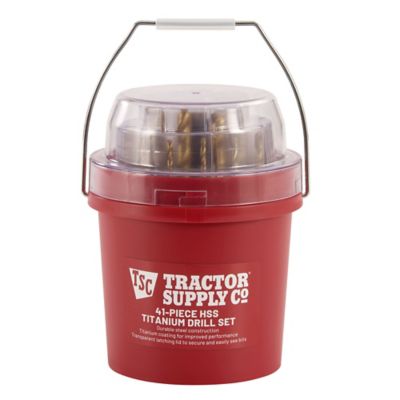
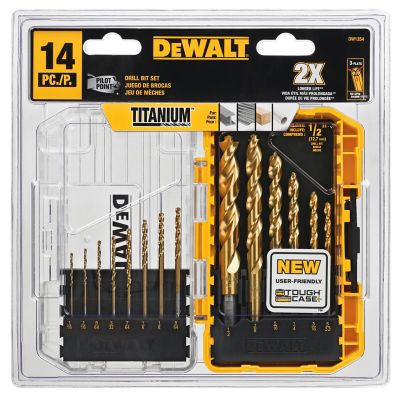
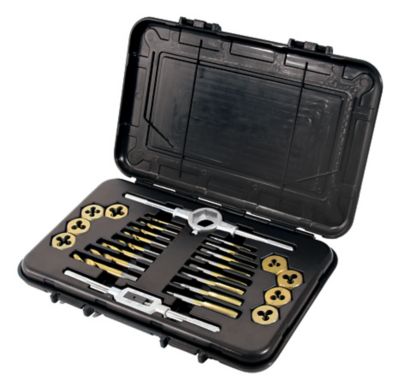
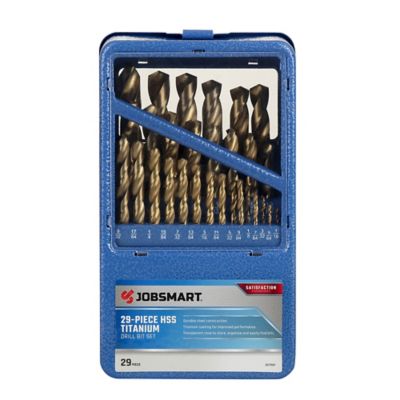
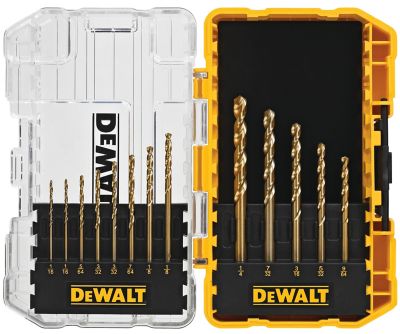
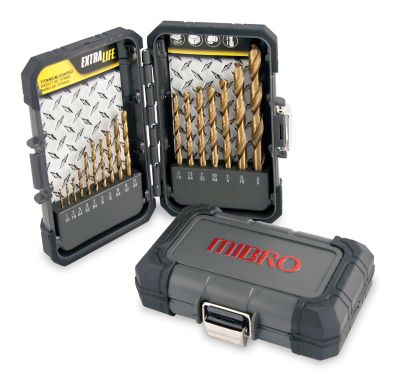
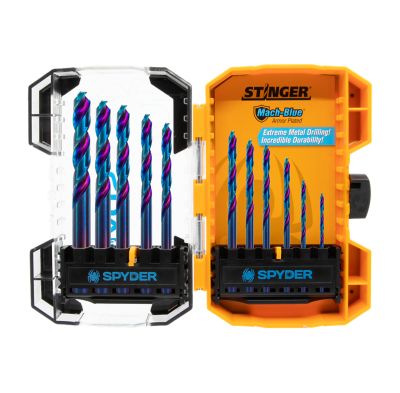
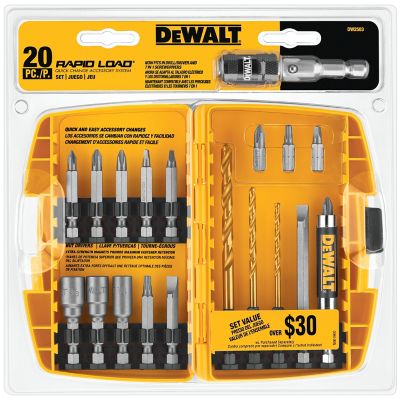
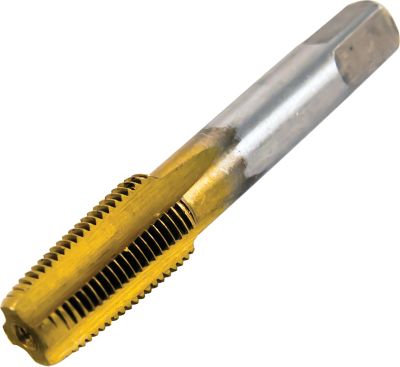
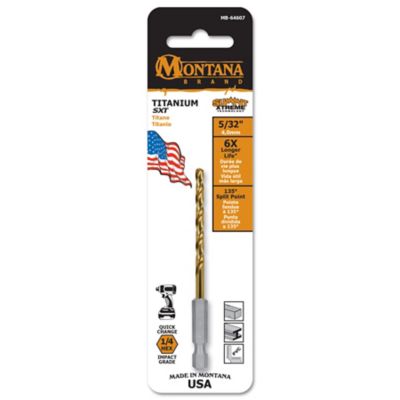
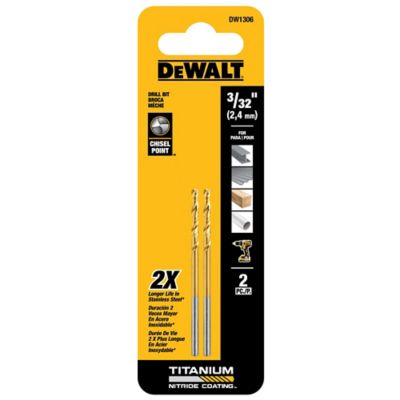
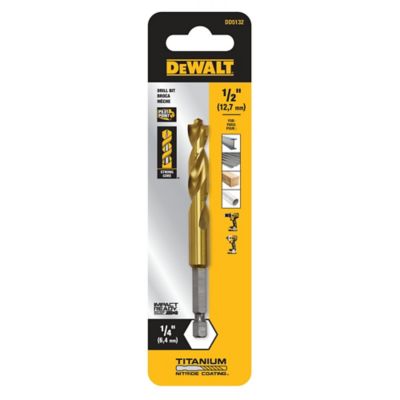
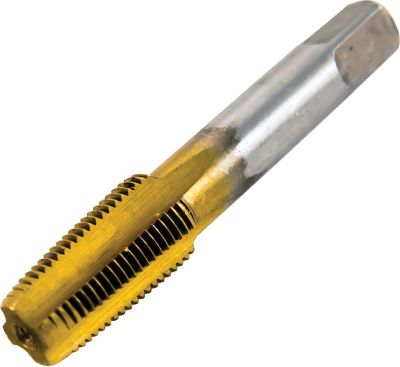
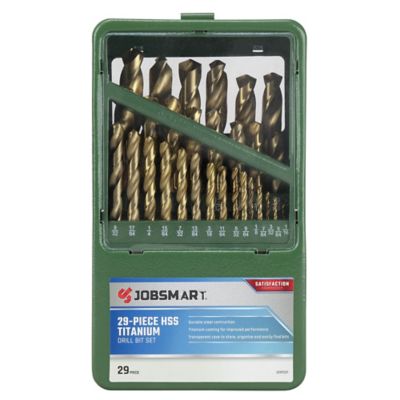
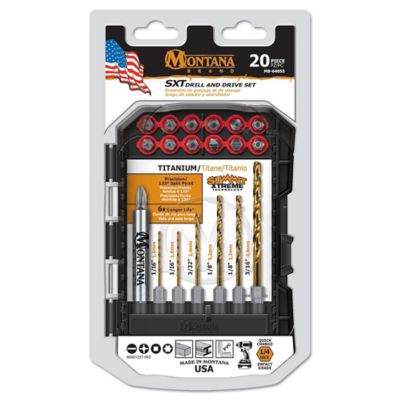
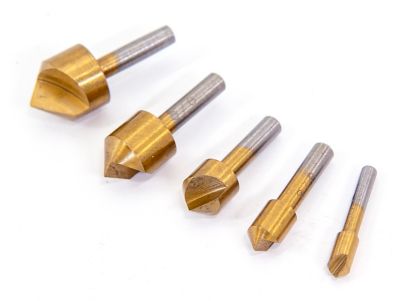
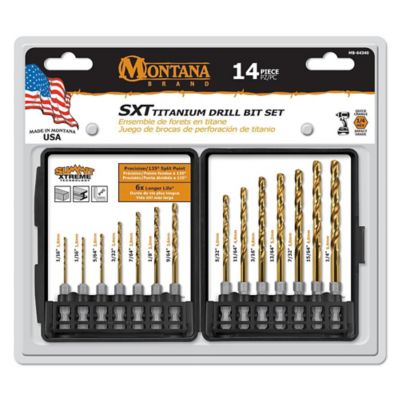
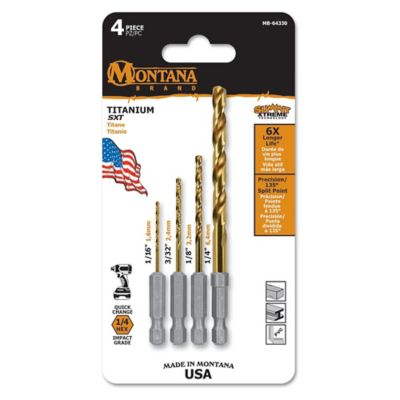
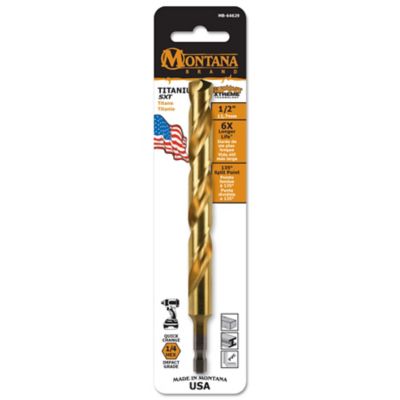
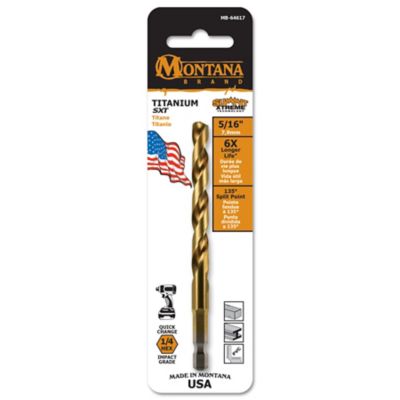
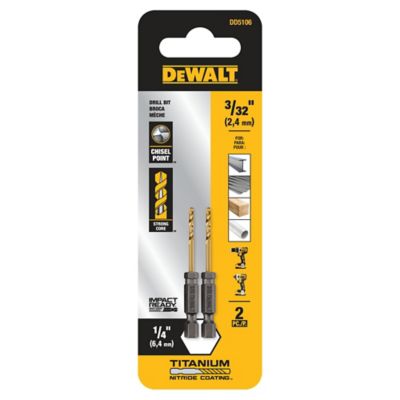
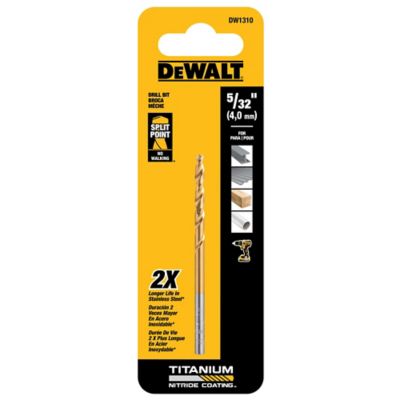
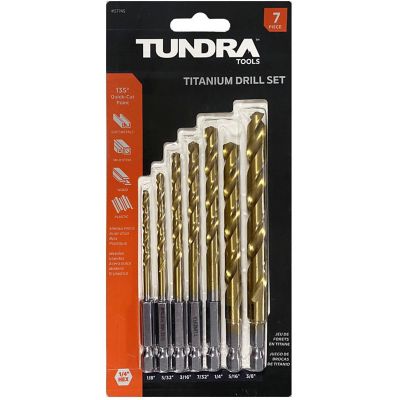
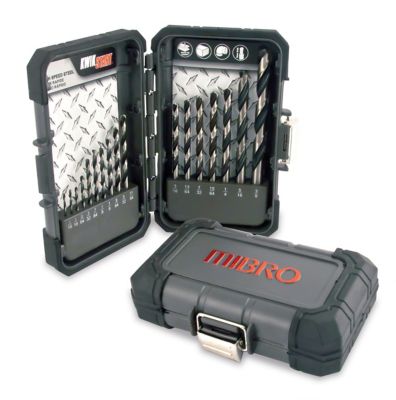
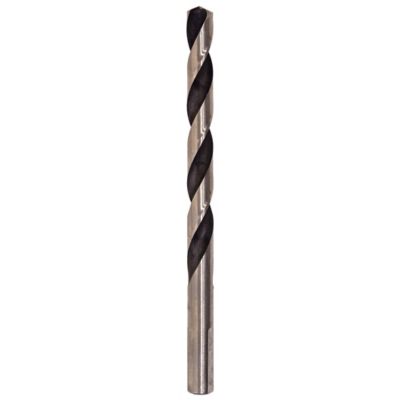
Titanium coated drill bits are a handy choice for general drilling around the farm, shop, garage, and home. Despite the name, these bits are not made from solid titanium. Most have a high-speed steel core with a thin titanium nitride coating that gives the bit its familiar gold-colored finish. That coating adds surface hardness and helps reduce friction as the bit turns, which can mean less heat buildup, smoother drilling, and a longer working life during everyday projects. They are well suited to many jobs involving wood, plastic, drywall, and non-ferrous metals such as aluminum, brass, and copper. A set can earn its keep quickly when you are hanging shelves in the mudroom, repairing a gate latch, installing hardware on a livestock trailer, or making clean holes for a wiring or plumbing project. They are also useful for maintenance work that pops up without much warning, such as replacing a hinge on a shed door or drilling pilot holes for screws in a new workbench. The gold coating is useful, but it does not make a bit indestructible, and it does not mean the bit can handle every material. Titanium coated drill bits are generally not the first choice for hardened steel, cast iron, masonry, concrete, or other especially tough materials. Those jobs may call for a different bit style made for high heat and heavy cutting. Matching the bit to the material helps prevent a frustrating afternoon of dull edges, overheated metal, and holes that wander off center.
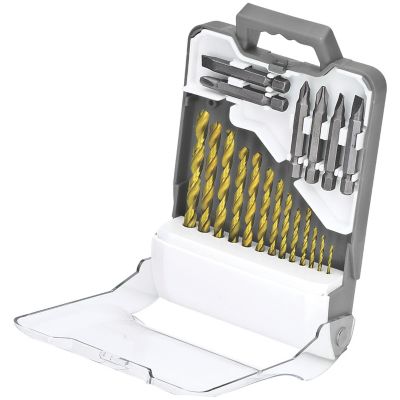
When choosing titanium coated drill bits, start with the work you expect to do most often. A mixed-size set is a practical option for a tool drawer because it gives you small bits for pilot holes and hardware, medium sizes for general repairs, and larger bits for running wire, installing bolts, or fitting pipe and tubing. Look for clearly marked sizes and a storage case that keeps the bits organized; a bit that is easy to find is more likely to be used correctly instead of grabbed in a hurry. Pay attention to the shank design as well. A standard round shank works with many regular drills, while a hex shank can be convenient for compatible drivers and quick-change chucks. If you plan to use an impact driver, confirm that the bits are rated for that type of tool rather than assuming every drill bit will hold up to repeated impact. A sturdy shank, a well-formed point, and a consistent flute shape can help with control and chip removal. Split-point or similar self-centering designs may reduce wandering when starting on metal, while a conventional point can work well for wood and general-purpose tasks. For the cleanest results, mark the location, secure the workpiece, and begin at a slower speed so the bit can establish a neat starting point. Use steady pressure instead of leaning your full weight into the drill. On metal, a little cutting oil can help manage heat and extend bit life, while wood and plastic typically benefit from a controlled speed and backing material to reduce splintering or breakout. Let the bit do the cutting, clear the flutes when chips build up, and wear eye protection whenever you drill. A clamp or vise is especially important for small metal pieces that could catch on the bit and spin.
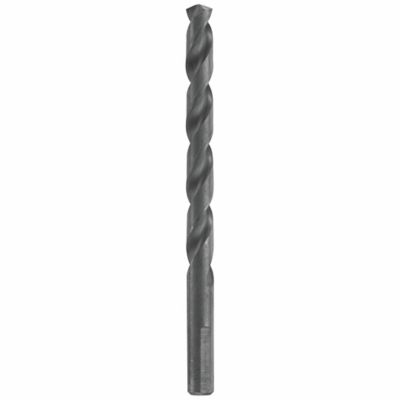
Titanium coated drill bits make a thoughtful gift for a homeowner, new property owner, DIYer, mechanic, or anyone setting up a first workshop. They fit easily in a tool chest and offer the kind of everyday usefulness that comes in handy during the cooler months, when indoor repairs, furniture projects, equipment upkeep, and shop work often move to the front of the list. They can also be a welcome addition to a college student’s basic tool kit or a practical housewarming gift for someone learning to handle small repairs on their own. Keep in mind that the coating is on the outside of the steel bit, so sharpening can remove some or all of that coating and reduce the original friction-resistant benefit. For occasional use, replacing a worn bit may be more sensible than trying to restore it. Store bits dry and brushed clean, and avoid leaving them loose in a drawer where the cutting edges can knock against one another. If a bit begins to squeal, smoke, discolor, or require excessive pressure, stop and inspect it; those signs usually point to too much speed, too little lubrication, a dull edge, or the wrong bit for the material. For shoppers comparing coatings,
Black Oxide Drill Bits can be another general-purpose option to consider, depending on the materials and drilling conditions. With the right match between bit, drill, speed, and workpiece, a titanium coated set can handle a wide range of routine projects and help keep small repairs from turning into a trip across the county for a single missing tool.