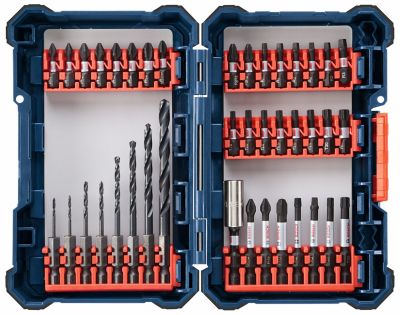
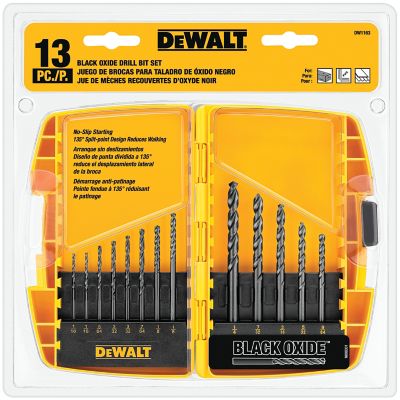
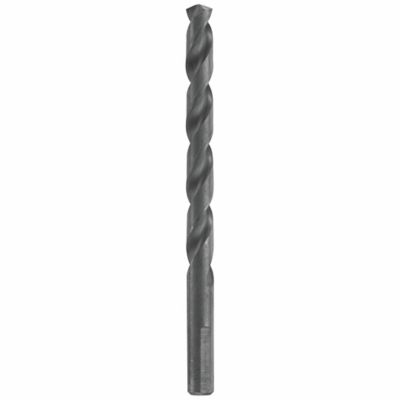
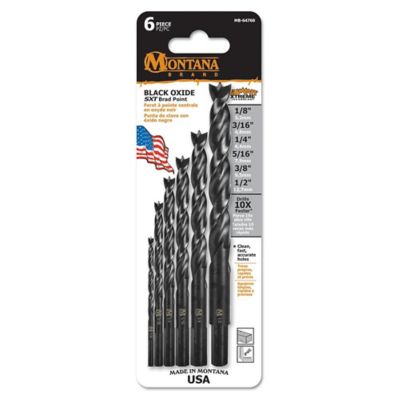
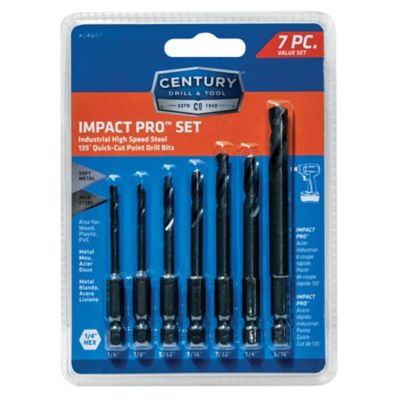
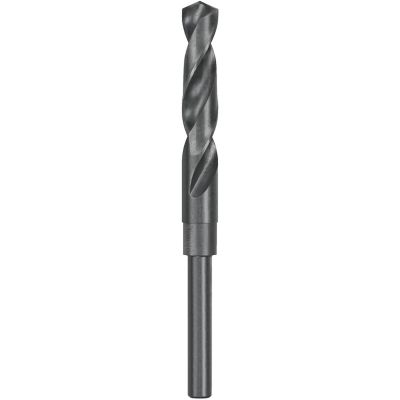
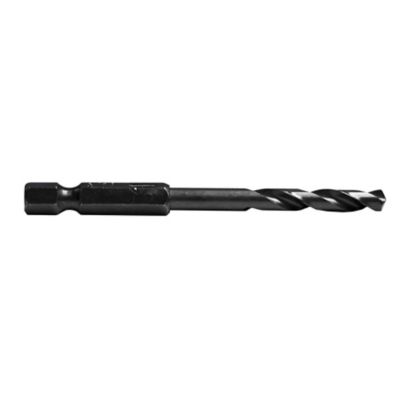
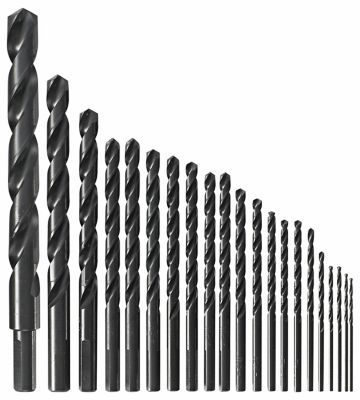
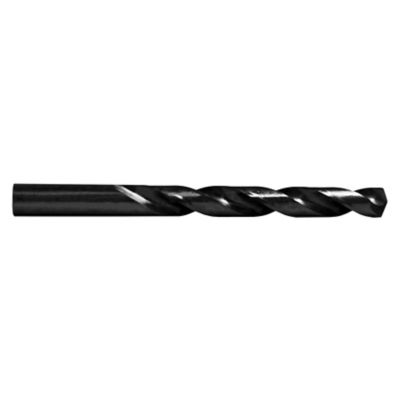
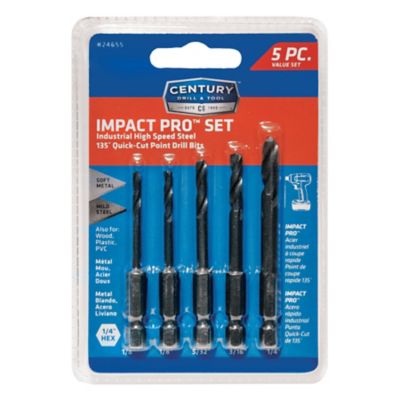
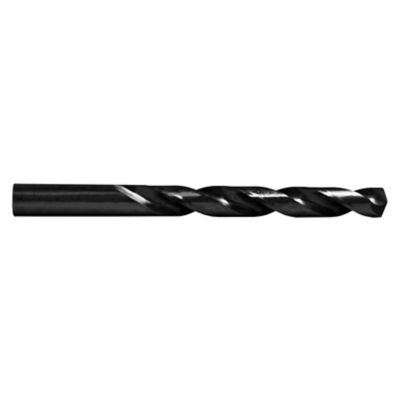
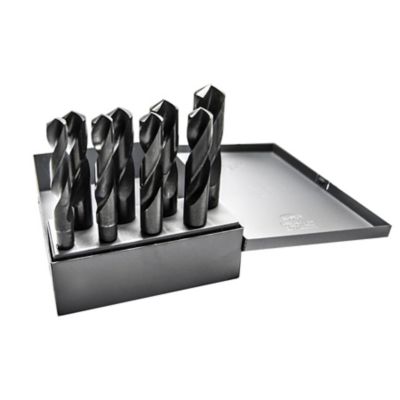
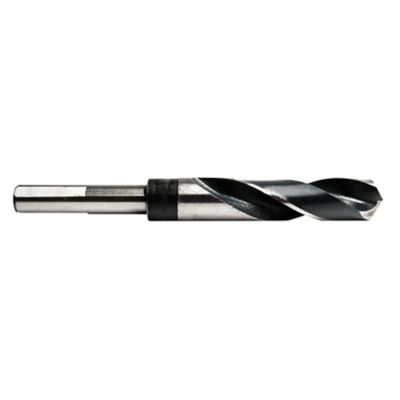
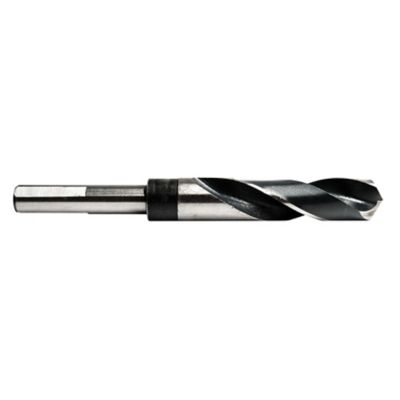
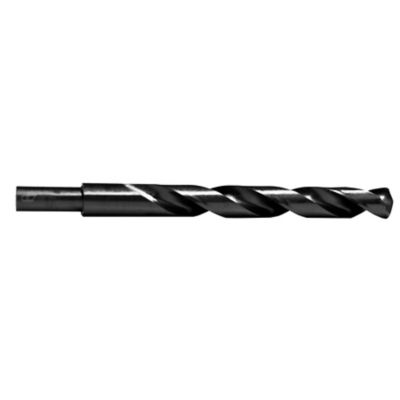
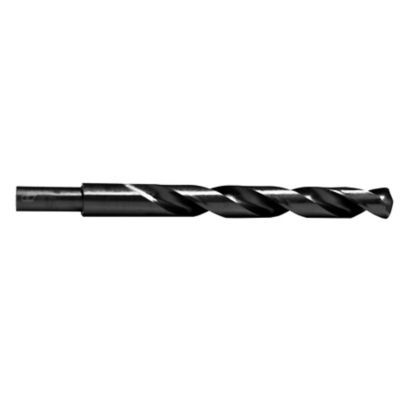
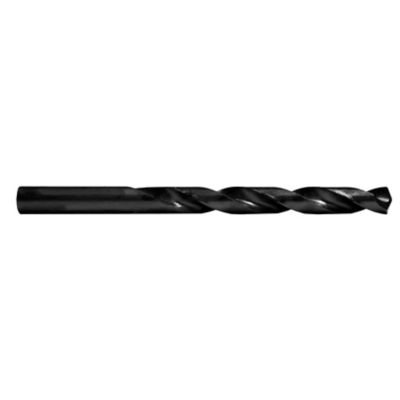
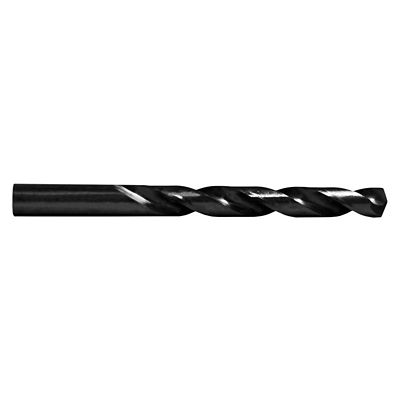
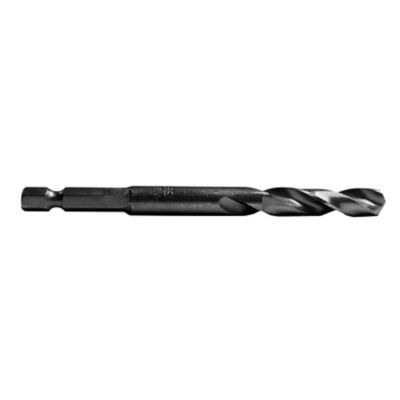
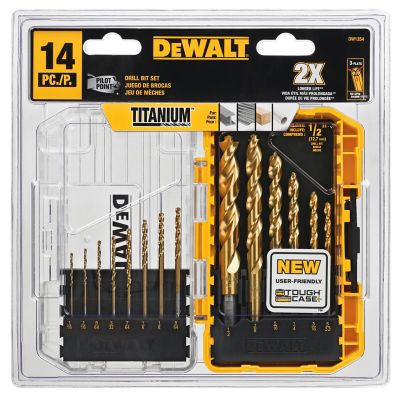
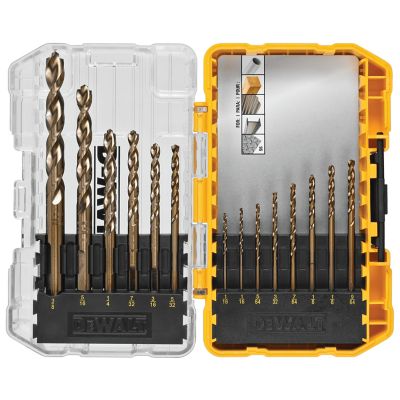
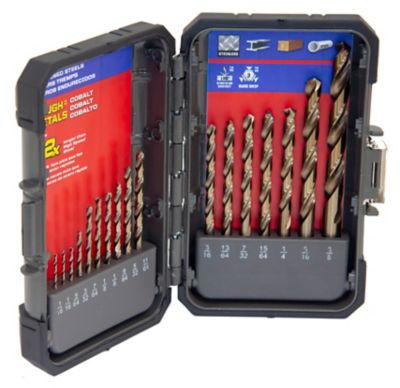
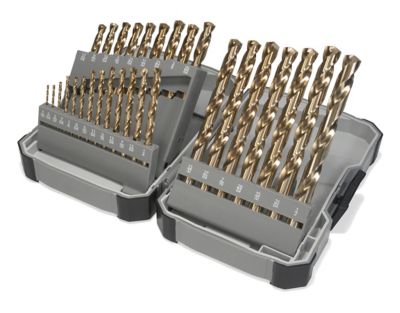
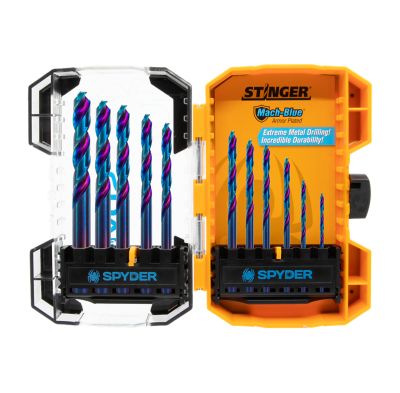
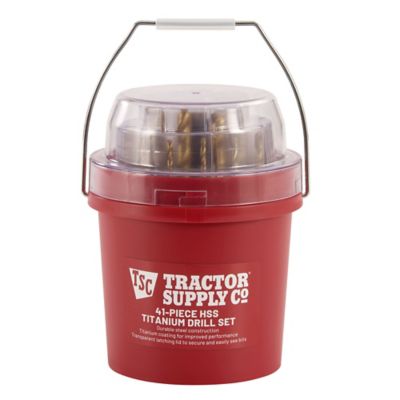
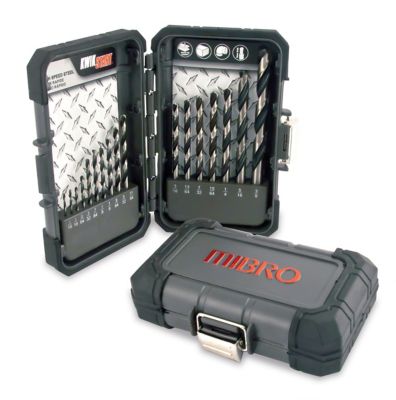
Black oxide drill bits are a practical choice for everyday drilling around the home, farm, workshop, garage, and job site. They are generally made from high-speed steel, or HSS, and treated with a black thermal oxide coating that helps resist surface rust, hold cutting lubricant, and reduce friction as the bit turns. That dark finish is more than a change in color; it gives a standard HSS bit an added layer of protection for routine work. Black oxide bits are commonly used for drilling through wood, plastic, and softer metals, including aluminum, brass, copper, and mild carbon steel. They can handle plenty of the jobs that come up during a normal week, from adding hardware to a gate and mounting shelving in the feed room to repairing a mower bracket, assembling furniture, or running fasteners into a workbench project. They are also a handy fit for seasonal maintenance as outdoor equipment gets put away, fencing gets repaired, and indoor projects move to the front of the list during cooler weather. A well-matched bit should make a clean entry, clear chips without binding, and leave a hole ready for a screw, bolt, rivet, or other fastener. Black oxide drill bits are often sold in individual sizes or in sets, and a set is usually the most useful option for a household or shop because it keeps several common diameters close at hand. Smaller bits work well for pilot holes and light hardware, while larger sizes are better for plumbing, electrical, construction, and general repair work. When comparing options, check the size range, the measurement system, the number of pieces, and the storage case. A set with fractional sizes may suit general repairs, while numbered or lettered sizes can be helpful for more exact work. A clearly marked case saves time when your hands are dusty or greasy and the job is waiting on one particular bit.
Choosing the right black oxide drill bit starts with the material being drilled and the size of the finished hole. For wood, a regular twist bit can make clean holes in softwood and hardwood when used at a controlled speed, though a brad-point bit may be preferable when a very clean, precise entry is the priority. In plastic, steady pressure and a moderate speed help prevent melting, cracking, or grabbing as the bit breaks through the far side. PVC, acrylic, and polycarbonate can all be drilled with care, but backing the workpiece with scrap wood helps reduce breakout. In metal, black oxide bits are well suited to lighter-duty drilling in thin stock and softer metals. Mark the drilling point with a center punch before starting so the bit does not wander across a smooth surface. Use cutting oil or another suitable lubricant on metal, especially when drilling a thicker piece, and ease up on pressure as the bit nears the other side. Let the bit cut instead of forcing it; excessive pressure can overheat the cutting edges, dull the bit, or snap a small diameter. A short burst of drilling followed by a pause lets the bit cool and gives chips a chance to clear. Larger bits may benefit from drilling a smaller pilot hole first. Black oxide is not the best match for heavy stainless steel, hardened steel, or other ultra-hard alloys, where a tougher bit material and a slower, more controlled approach are usually needed. For demanding metal work, shoppers may want to compare black oxide options with
M35 Cobalt Drill Bits. No matter the coating, use the bit size recommended for the fastener or project, keep the drill square to the surface, and wear safety glasses to protect against chips and broken material. Clamping loose boards or metal securely is especially important; holding a workpiece by hand can allow it to spin, kick, or shift when the bit catches.
Black oxide drill bits make a useful addition to a tool chest for property owners, farmers, ranchers, maintenance workers, DIY builders, and anyone who prefers to handle small repairs without calling in a crew. They are a sensible gift for a new homeowner setting up a garage, a student learning shop skills, a family member building raised beds or animal shelters, or a handy friend who is always fixing a latch, bracket, hinge, or piece of equipment. A compact set can ride in a toolbox, service truck, or utility vehicle, while a larger set gives a busy workshop more flexibility when several projects call for different hole sizes. To keep the bits working well, brush away chips after use, wipe off cutting oil and moisture, and return each bit to its marked slot instead of leaving it loose in a drawer. Storing them dry helps preserve the coating and reduces the chance of rust, particularly in a barn, unheated shed, or garage where temperature changes can create condensation. Inspect the cutting edges before starting a job. A dull, chipped, or overheated bit may skate across the surface and require more pressure, which can damage both the bit and the workpiece. Sharpening may be possible for those comfortable with a grinder or bit sharpener, but small bits are often replaced when their cutting edges are badly worn. Keep a few common sizes on hand for pilot holes, hardware installation, and general maintenance, and reserve specialty bits for materials that call for them. With the right speed, light steady pressure, proper lubrication on metal, and safe handling, black oxide drill bits offer dependable performance for a wide range of routine projects through the warmer and cooler parts of the year.