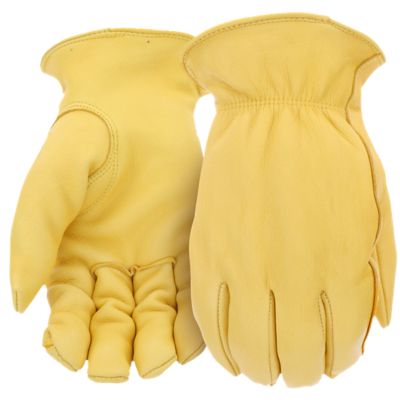
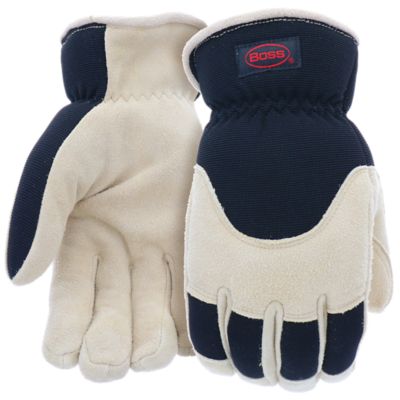
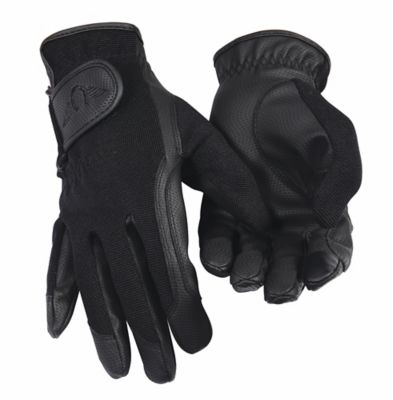
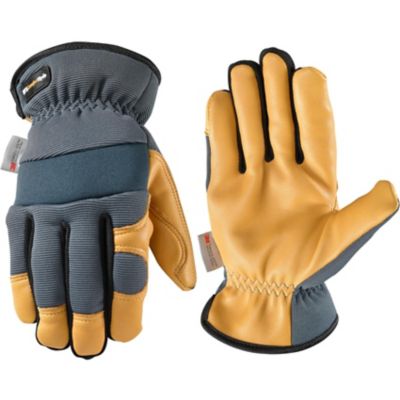
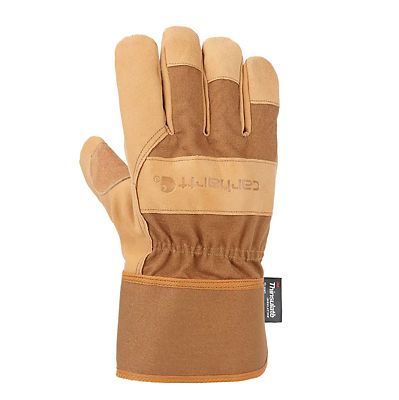
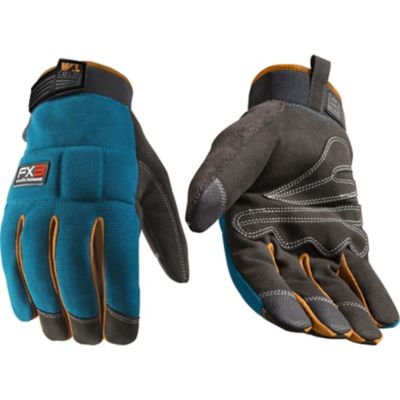
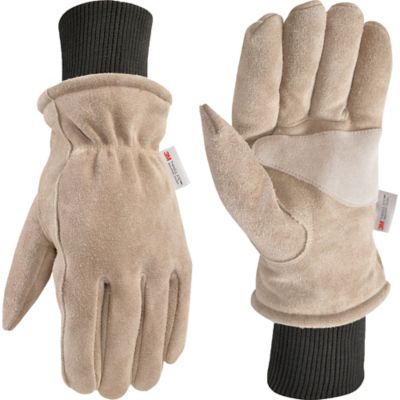
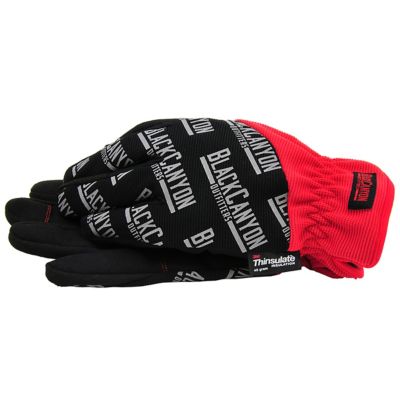
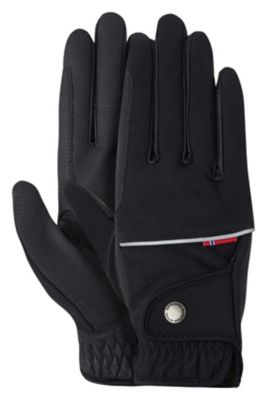
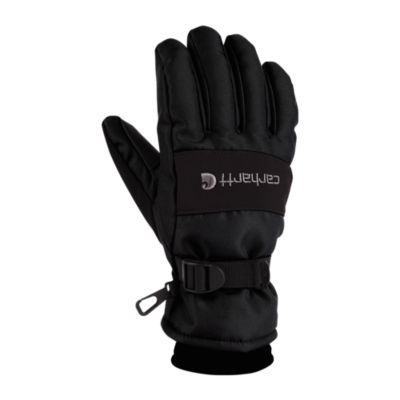
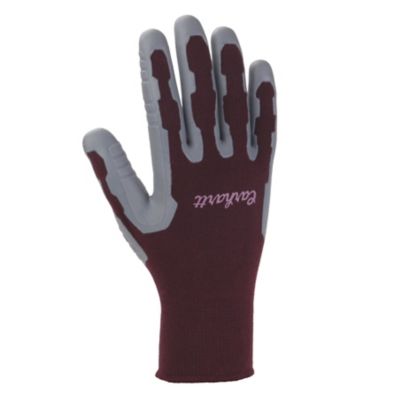
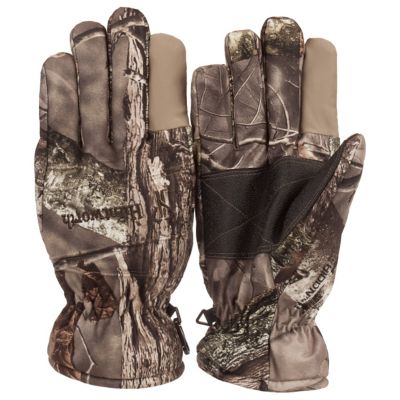
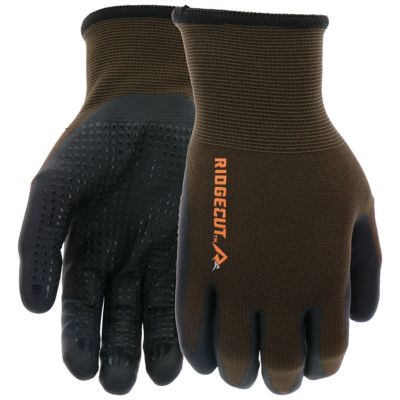
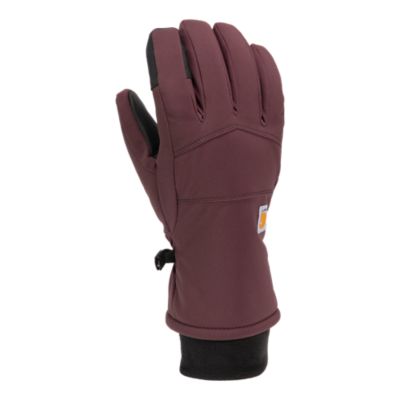
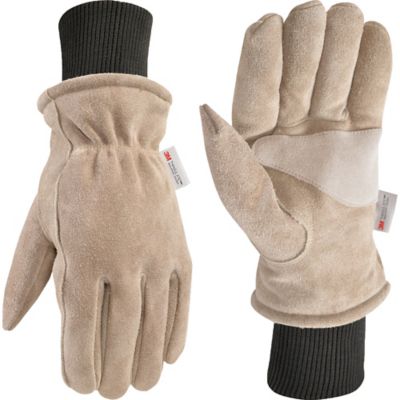
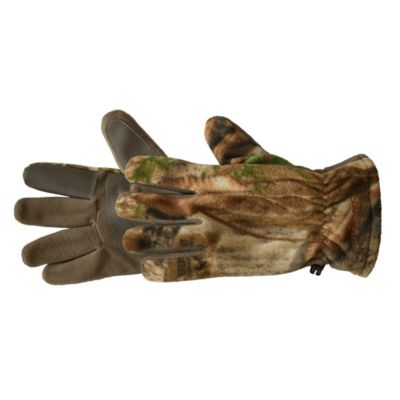
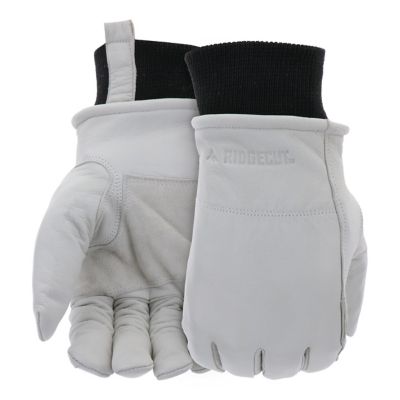
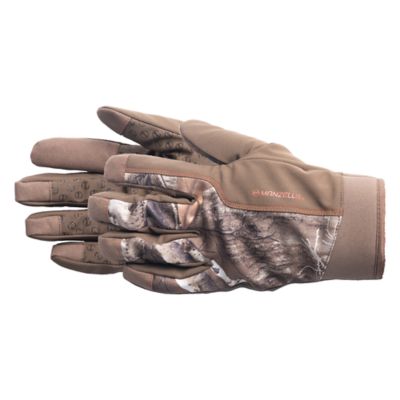
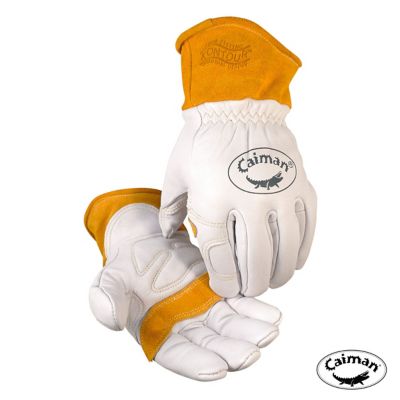
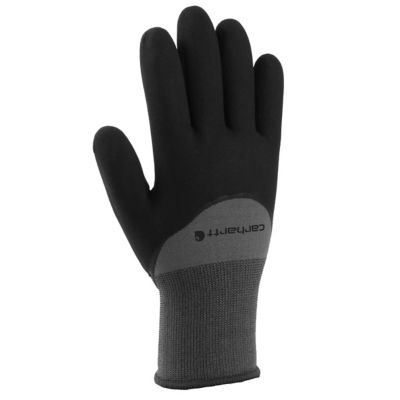
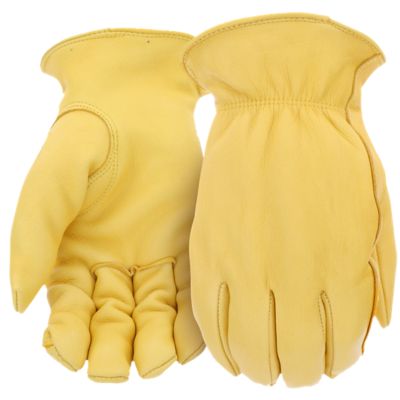
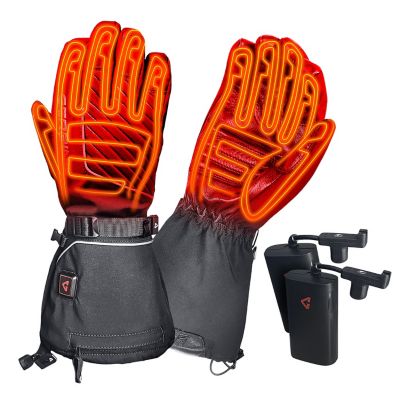
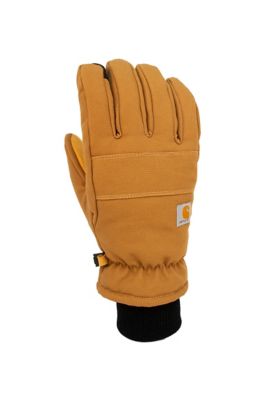
Thin insulated gloves are a handy choice when the air turns crisp but you still need your hands to work. They add a layer of warmth without the thick, bulky feel that can make it hard to grip a lead rope, turn a gate latch, buckle a trailer, or handle small tools. Farmers, ranchers, landscapers, delivery drivers, hunters, hikers, runners, cyclists, and anyone who spends time outdoors during the cooler months may appreciate the balance of warmth and finger movement these gloves provide. They can also be useful for everyday chores around the house, from bringing in firewood to clearing leaves, checking a mailbox, or walking the dog before breakfast. Thin insulated gloves generally use a lightweight fleece, brushed fabric, synthetic fill, or a similar low-profile lining to hold in body heat. Many have a smooth outer surface that helps block a light breeze, while some include a water-resistant finish for damp grass, morning mist, or a short trip through a light drizzle. They are not meant to replace thick winter work gloves in bitter cold or deep snow, but they can be a comfortable middle ground when heavy gloves leave you clumsy. For additional cold-weather options, take a look at
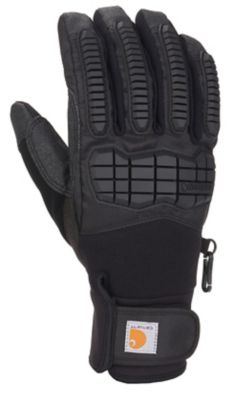
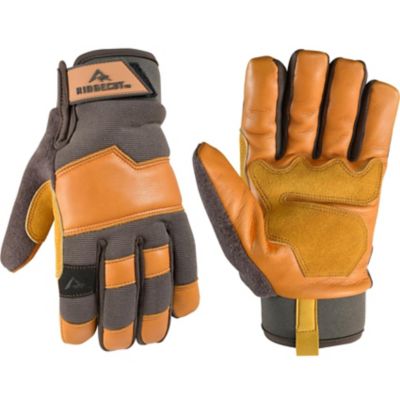
Insulated Gloves For Winter. The best pair depends on how you plan to use it, how long you will be outside, and whether you need protection from more than cold. A smooth, close-fitting liner can work well for walking, driving, running errands, or layering under a larger glove. A more rugged pair with reinforced palms and textured grip may be better for carrying feed bags, handling fencing supplies, stacking split wood, or working with tools. If your chores involve rough materials, check for durable palm panels, secure stitching, and coverage that reaches past the wrist. Longer cuffs help keep cold air and debris from sneaking in, especially when worn under a coat sleeve.
Fit matters just as much as insulation. A glove that is too loose may let heat escape and can bunch up when you reach for a small object. One that is too tight may restrict circulation, leaving fingers colder instead of warmer. Look for enough room to bend and spread your fingers naturally, with no pulling across the knuckles and no extra fabric folded into the palm. The fingertips should reach close to the end of each finger without pressing against it. A snug wrist helps hold the glove in place, and an elastic cuff or adjustable closure can make it easier to seal out a draft. Pay attention to the palm construction if you will be driving, climbing, or using equipment. Silicone dots, rubberized sections, or textured synthetic material can improve grip, while stretch fabric across the back of the hand allows you to make a fist or reach overhead without fighting the glove. Touchscreen-compatible fingertips are useful for checking a phone, changing a podcast, reading a map, or answering a call without exposing bare skin to the wind. Conductive fingertip patches can vary in responsiveness, particularly when the fabric is wet or the screen protector is thick, so they are best viewed as a convenience rather than a guarantee. If you spend long stretches outdoors, consider how quickly your hands tend to get cold and whether you will be moving steadily or standing still. Active work creates more body heat, while chores such as checking livestock, waiting beside a hunting blind, or running a piece of equipment may call for a warmer layer. Thin gloves are often especially useful for people who need to switch between tasks throughout the day, since they can stay on while handling keys, tying knots, opening feed bags, or using a phone.
Layering can make thin insulated gloves more useful across changing conditions. On a cool, dry morning, one lightweight pair may be all you need. When wind picks up or temperatures drop, a thin glove can serve as a base layer beneath a roomier waterproof or heavy-duty glove. The inner layer helps retain warmth, while the outer layer adds protection from wind, rain, snow, abrasion, or messy work. Leave enough room for both layers without squeezing your fingers; compressed insulation loses some of its ability to trap warm air. For people who work outside before sunrise or after sundown, carrying an extra pair is a practical habit. Even a good glove can become cold and damp after handling wet lumber, watering hoses, snow-covered gates, or muddy equipment. A dry spare tucked into a coat pocket, truck console, or gear bag can make the rest of the day more comfortable. Thin insulated gloves also make a thoughtful gift for someone who is always outdoors, including a family member with a long commute, a student who walks across campus, a neighbor who keeps up a large property, or a friend who enjoys cold-weather walks and weekend projects. When choosing a pair as a gift, favor a flexible style with a forgiving fit and useful grip unless you know the recipient’s exact size and work needs. Care is simple in most cases, but the label should always have the final say. Many fabric gloves can be machine washed on a gentle cycle and air dried, while high heat may shrink the material, damage elastic, or affect touchscreen panels. Shake out dirt before washing, fasten hook-and-loop closures so they do not catch on other items, and allow gloves to dry fully before storing them. Keeping them clean and dry helps preserve their warmth, flexibility, and comfortable fit through the changing seasons.