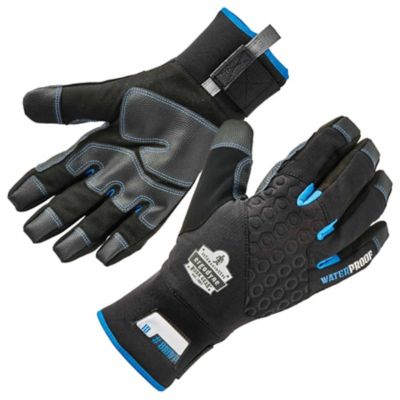
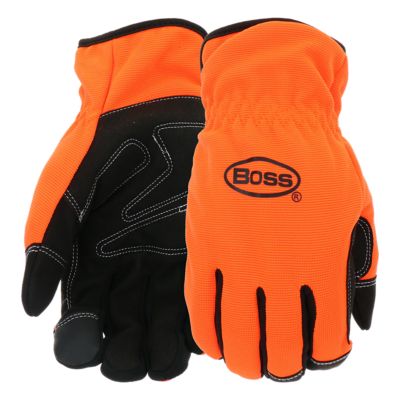
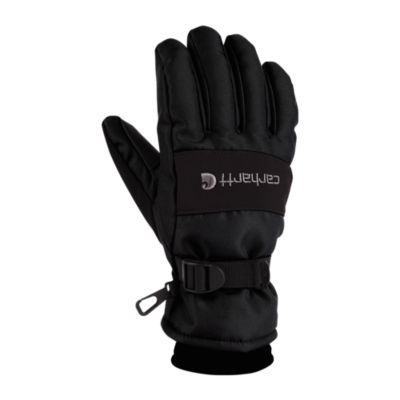
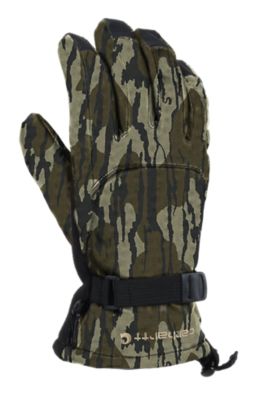
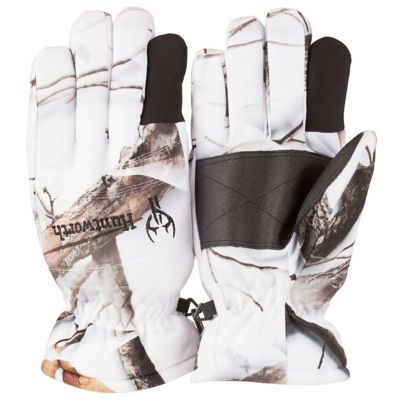
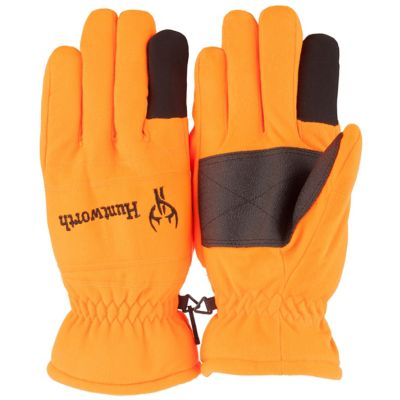
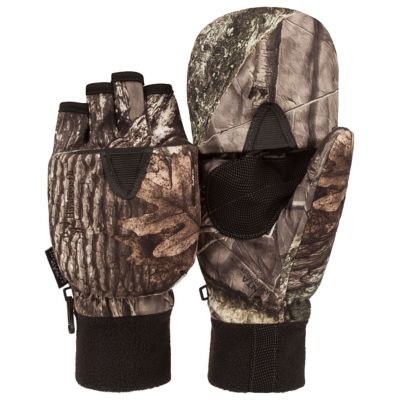
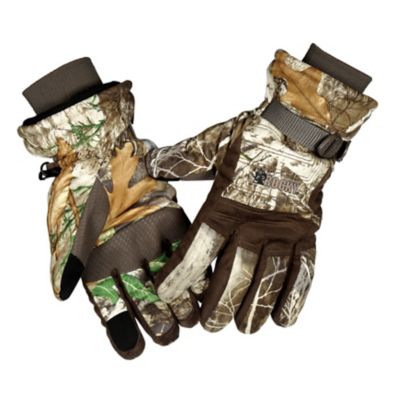
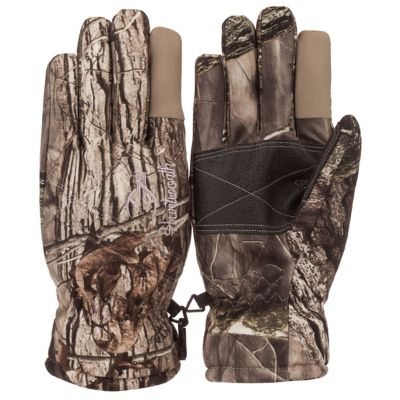
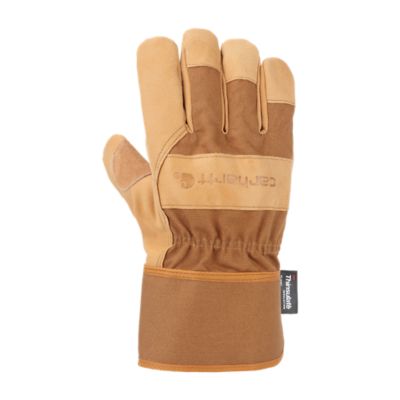
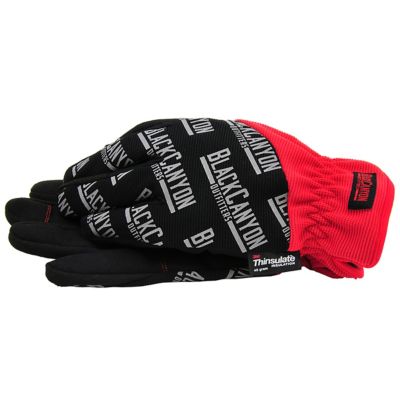
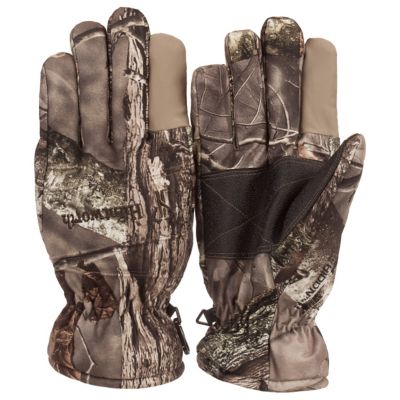
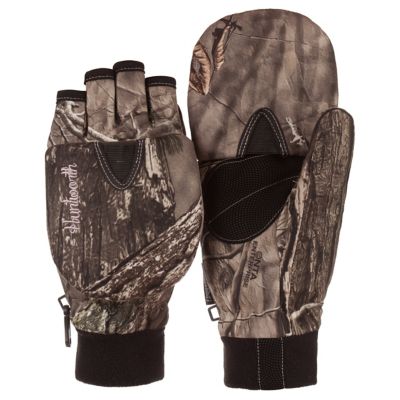
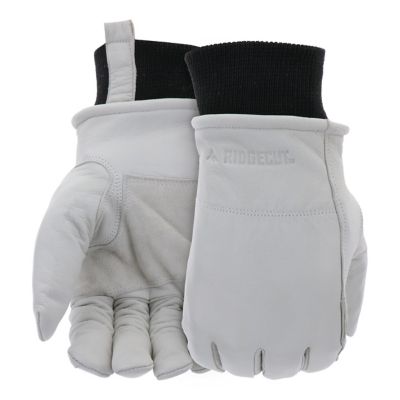
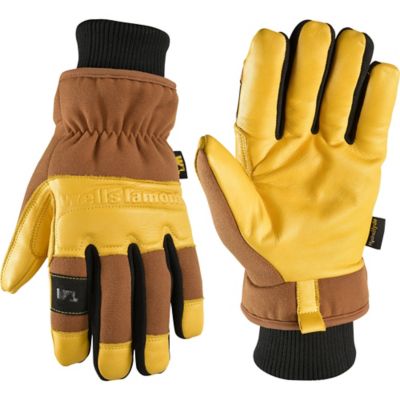
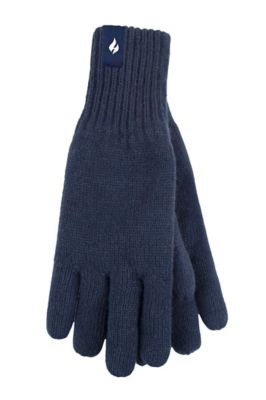
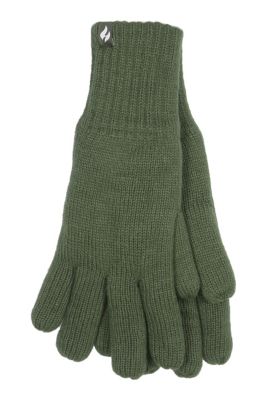
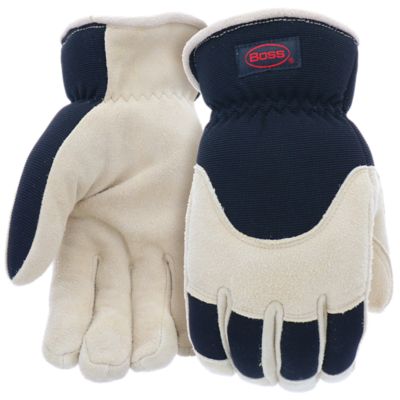
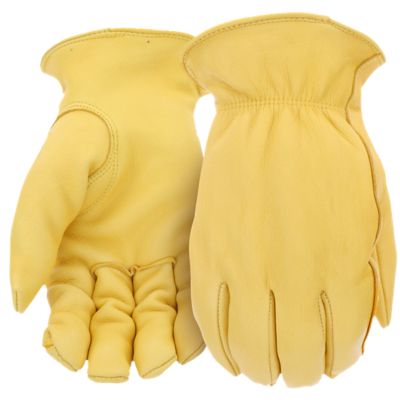
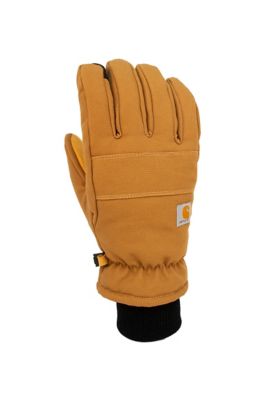
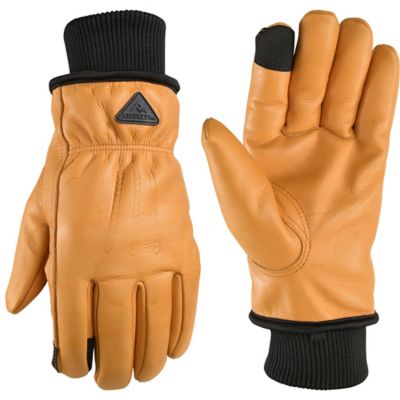
Thinsulate Insulation 40 Gram Gloves are a handy choice for cool-to-cold weather when you need warmth without giving up the feel of the tools, steering wheel, gate latch, or lead rope in your hands. The 40-gram insulation rating generally points to a lightweight layer of warmth rather than a heavy-duty deep-winter glove, making this style a good fit for brisk mornings, light winter commuting, outdoor chores, and active work where your body is already generating heat. Fine insulating fibers help trap warm air while keeping the glove from feeling overly puffy, so your fingers can stay more nimble than they might in a bulky snow glove. That balance is especially useful when you are checking livestock, carrying feed, stacking firewood, clearing a walkway, or heading out for a morning drive while the air still has a sharp bite. On a cool day, a well-fitting 40-gram glove can take the edge off without making your hands sweat during steady movement. For colder, damp, or mostly stationary conditions, consider adding a heavier pair to your cold-weather gear or browsing
Insulated Gloves For Winter for more options.
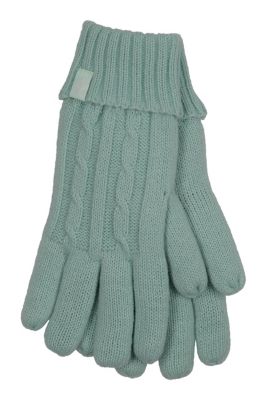
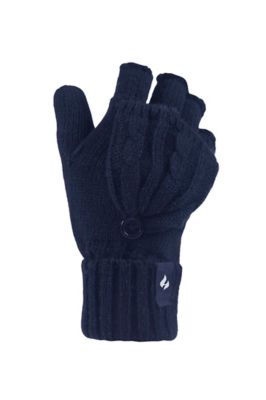
When comparing these gloves, start with the job they need to handle. A knit or fleece-lined pair can feel soft and comfortable for casual wear, walking the dog, running errands, or slipping on for a quick trip to the mailbox. Ragg wool-style shells offer a classic, textured look and can make a thoughtful gift for someone who spends cool mornings outdoors. Leather styles are a practical match for chores that call for a little extra abrasion resistance, such as handling split wood, fence posts, ropes, or rough equipment surfaces. Synthetic work gloves are often a good all-around choice for people who need flexibility, easy care, and a shell that stands up to regular use. If rain, wet snow, or damp grass is part of the routine, look for water-resistant or waterproof materials, sealed seams, and a cuff that helps keep moisture from running inside. Insulation alone does not make a glove waterproof, and a wet glove can lose warmth quickly. Check the palm and finger construction, too. A textured palm or reinforced grip can help with slick tools and cold metal, while touchscreen-compatible fingertips are useful for checking a phone without exposing your hands to the wind. For work around machinery, always choose gloves suited to the task and follow the equipment maker’s safety recommendations; a glove that is warm and flexible may not be appropriate around moving parts. Fit matters just as much as insulation. Fingers should reach the ends without pressing hard, the palm should not bunch when you close your hand, and the cuff should sit comfortably beneath or over a jacket sleeve. Leaving a little room for movement helps preserve dexterity, but an oversized glove can make it harder to grasp small hardware or keep a steady grip.
These gloves can earn their place in the truck, mudroom, barn, or coat pocket during the cooler months. Keep a spare pair in the cab for early starts, roadside stops, and chilly commutes, or leave one by the back door so outdoor chores do not require a hunt through the coat closet. They are also useful for hunters, gardeners, delivery drivers, maintenance crews, groundskeepers, hikers, anglers, and anyone whose hands spend time outside without needing the heavy insulation of an expedition glove. A parent may appreciate a flexible pair for walking the dog or waiting beside a frosty ball field, while a college student, new homeowner, or first-time truck owner may welcome them as a practical gift. For farm and ranch families, a pair can be tucked into a winter care package with wool socks, hand warmers, or other everyday outdoor essentials. To help 40-gram insulation perform well, keep the gloves clean and dry according to the care instructions, let them air out after damp work, and avoid crushing them under heavy gear for long periods. If your hands tend to get cold, consider layering with a thin liner, provided the combination does not make the fit tight or restrict movement. Remember that warmth depends on more than the insulation number: wind, moisture, activity level, fit, and how long you remain outside all play a part. A lightweight insulated glove is at its best when you need dependable comfort and finger control for cool-weather work, travel, and daily life.