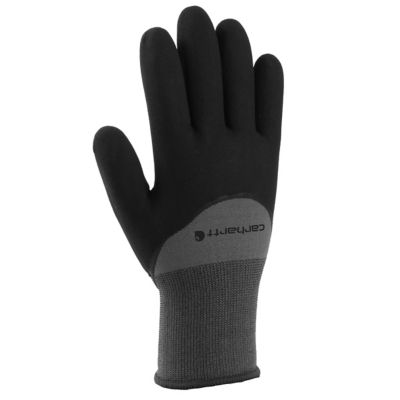
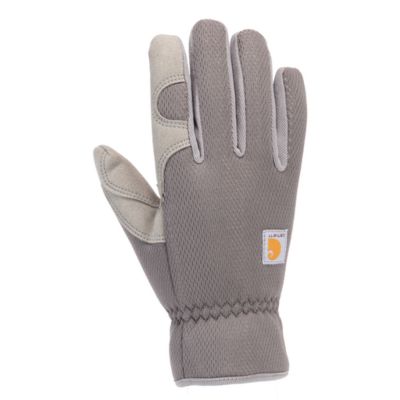
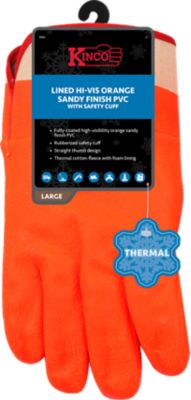
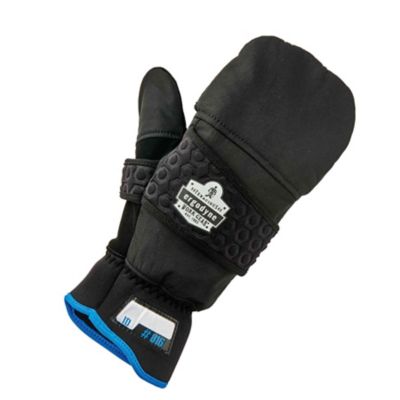
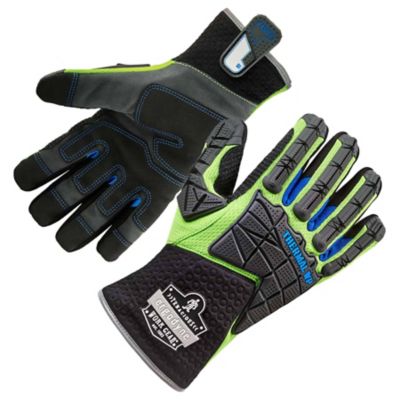
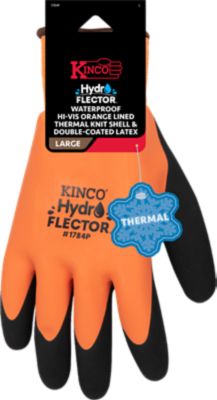
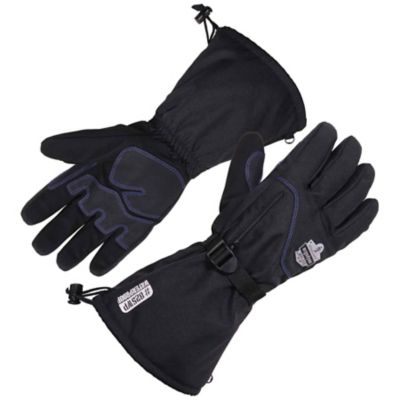
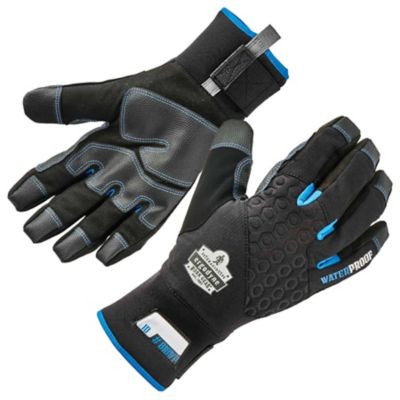
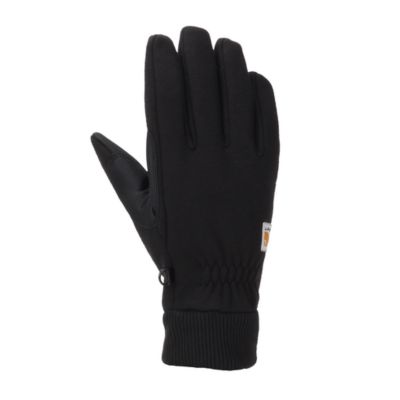
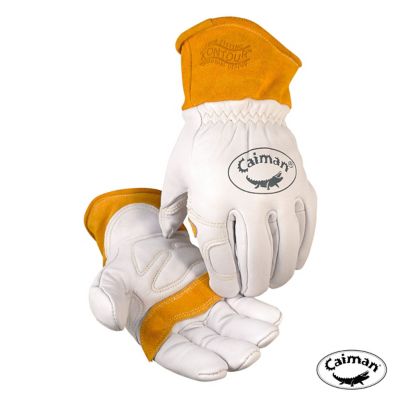
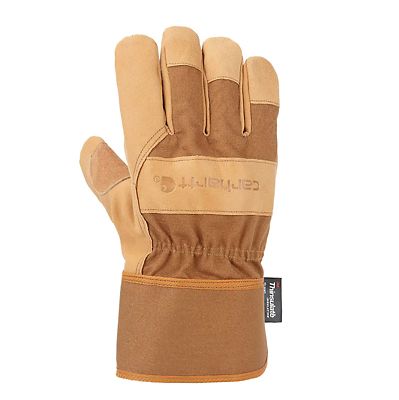
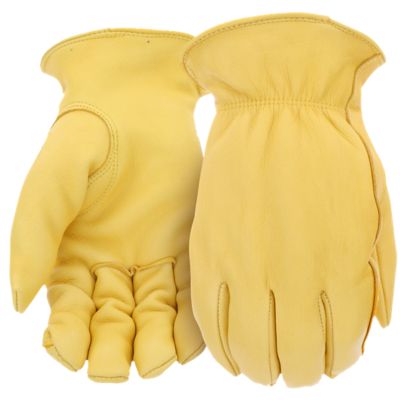
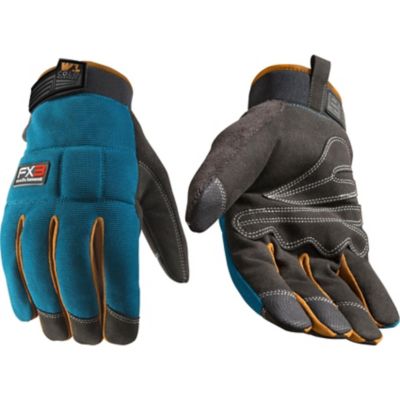
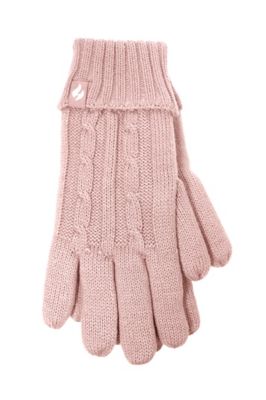
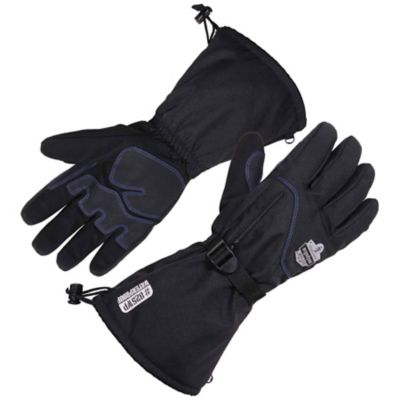
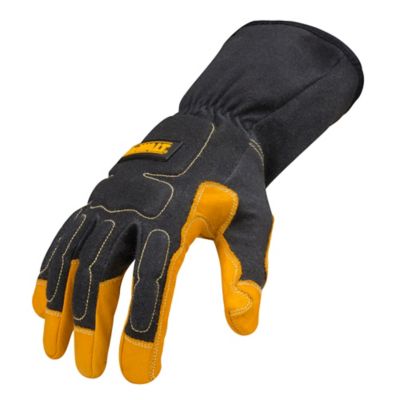
Thermal gloves help keep hands warm by trapping body heat close to the skin, making them a practical part of cold-weather workwear. Depending on their construction, they may also help block wind, shed light moisture, or keep water from reaching the lining. Those differences matter when the day starts with a frosty gate latch and carries on through feeding livestock, hauling firewood, or clearing snow from the walk. Warmth comes from the whole glove, not just a thick-looking shell. Fleece linings offer a soft feel, while wool and wool-blend knits can retain some insulating ability when damp. Synthetic insulation holds warm air in small spaces between its fibers, adding warmth without always requiring a bulky glove. The amount and placement of that insulation affect how easily fingers bend around a shovel handle or reach into a coat pocket. Cotton absorbs moisture and dries slowly, so cotton-heavy gloves are generally less suited to wet, cold chores than materials that move moisture away from the skin. Outer materials bring another set of benefits. Leather palms can provide grip and stand up to friction from rough handles, while woven synthetic shells may offer flexibility and resistance to wind or light precipitation. A water-resistant finish can help with brief contact with snow or splashes, but it does not make a glove waterproof. For longer contact with slush or wet equipment, a waterproof construction with protected seams makes a bigger difference. Breathable materials also matter because sweaty hands can turn chilly once the work slows down. Cuff design rounds out the coverage: a snug knit wrist helps limit drafts, while a longer cuff can overlap a jacket sleeve and help keep loose snow out. Thermal work gloves, insulated everyday gloves, and lighter glove liners serve different needs, even when they share similar materials. The best match depends on exposure, moisture, activity level, and how much finger movement the job takes.
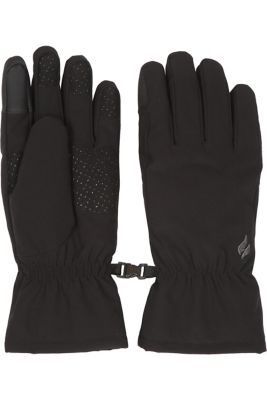
A good fit leaves room for fingers to bend without squeezing the insulation flat. Gloves that pull tightly across the knuckles can feel restrictive when gripping a feed scoop, and fingertips that extend too far beyond the hand can make small fasteners a nuisance. Palm width, finger length, and cuff fit all deserve attention, especially when a thin liner will sit underneath. That extra layer needs enough room to avoid crowding the hand; adding insulation to an already tight glove can work against warmth and comfort. A relaxed hand should feel supported rather than compressed, with enough movement to make a fist and hold a tool naturally. The balance between warmth and dexterity changes from one chore to another. Carrying split logs or pushing a snow shovel often calls for more insulation and a secure palm grip, while fastening a lead rope or sorting small hardware may call for a closer-fitting glove with less material around the fingers. Reinforced palms, thumb patches, and well-placed stitching can help high-wear areas handle repeated contact with rope, lumber, and tool handles. Seams positioned away from pressure points can also make a noticeable difference over a long stretch of work. Grip surfaces vary, and their performance can change when handles are wet, icy, or muddy. Touchscreen-compatible fingertips can make checking a message easier without exposing bare skin, though performance depends on the glove and the device. Adjustable wrists help hold gloves in place when reaching overhead or pulling a sleeve back down. Ranchers, gardeners tending winter beds, outdoor workers, and folks walking a dog before daylight may all need thermal gloves, but not necessarily the same construction. Someone moving steadily may need less insulation than someone standing at a gate or watching an outdoor event. Warmth ratings are not always directly comparable across makers, and personal comfort varies with wind, moisture, circulation, and activity. Thermal insulation alone also does not establish cut resistance, electrical protection, or suitability around moving machinery; those tasks have separate safety requirements.
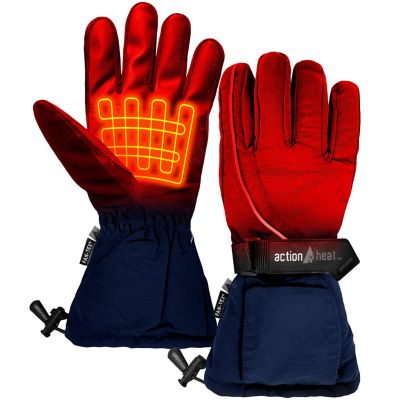
For longer stretches outside with little movement,
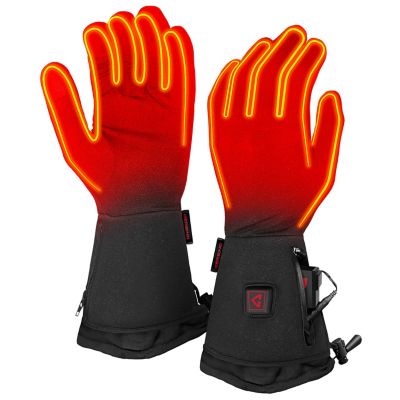
thermal heated gloves add a powered heat source alongside the glove’s insulation. Many heated designs rely on rechargeable batteries, with heat settings that let the wearer adjust the output. Battery runtime varies with the setting, battery capacity, and surrounding conditions, so a stated maximum does not necessarily describe a full day at the highest heat level. Battery placement can also affect comfort at the wrist, particularly beneath a snug jacket cuff. Unpowered thermal gloves avoid charging altogether, making them a straightforward choice for routine chores, while heated designs bring another option for extended cold exposure. Either way, care has a lot to do with how the gloves feel and perform over time. Packed-down lining, worn palms, and moisture left inside between outings can all take a toll. Washing instructions depend on the materials and construction: some fabric gloves allow gentle machine washing, while leather styles may need spot cleaning and a compatible leather treatment. Heated gloves have additional directions for disconnecting batteries, handling electrical parts, and cleaning. Care labels should take priority over a general routine, especially where waterproof membranes or surface treatments are involved. After wet work, opening the cuffs and letting the gloves dry thoroughly helps prepare them for the next outing. Direct heat from a stove, radiator, or hot dryer can shrink or stiffen certain materials and damage other components. Liners that come out separately may dry more easily, and a spare dry pair can be handy when chores continue after the first pair gets soaked. Checking fingertips, seams, and palm patches occasionally can reveal thinning areas before they become open holes. For a practical winter gift, thermal gloves make sense for the person who is always first out to the barn, keeps the woodpile stacked, or spends long hours tending the place. Familiarity with that person’s hand size, usual chores, and preference for lighter or heavier gloves makes the choice more personal. The right pair should suit the work without getting in the way of it.