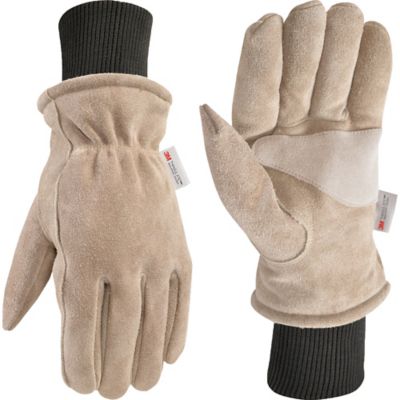
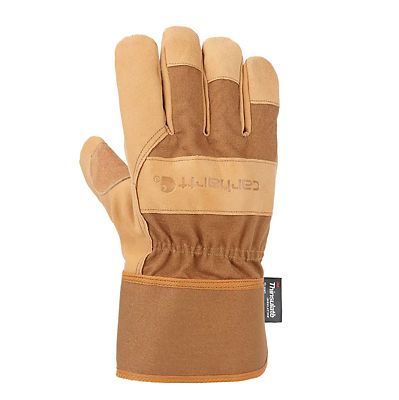
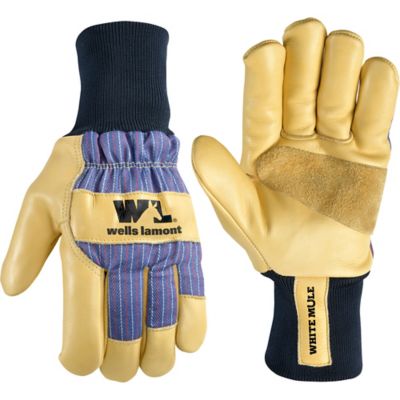
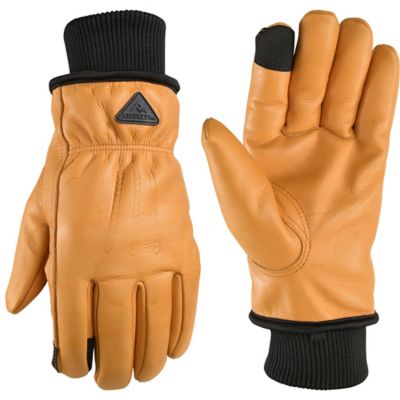
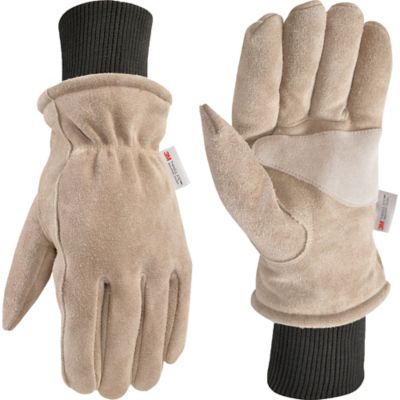
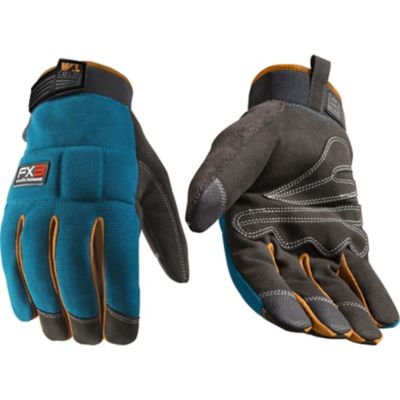
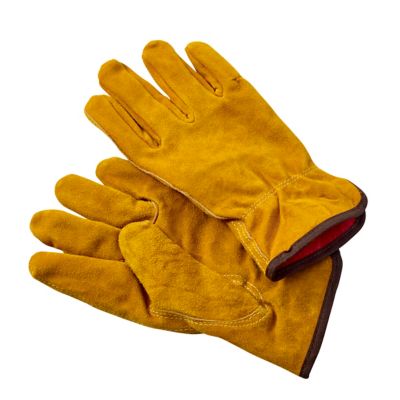
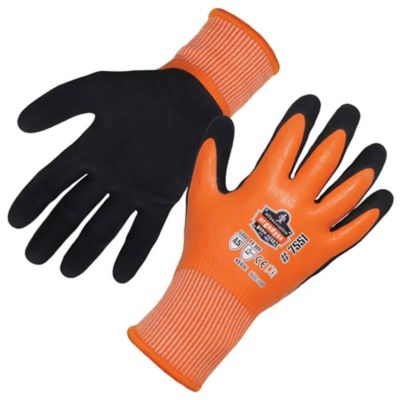
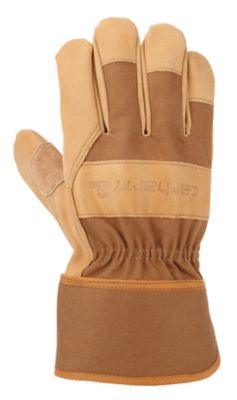
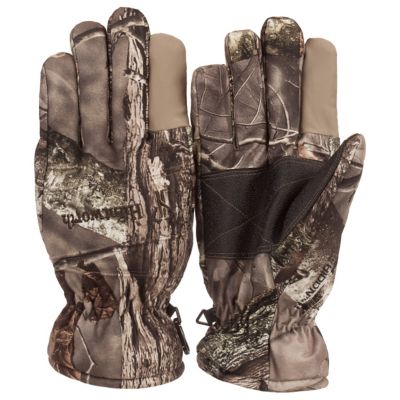
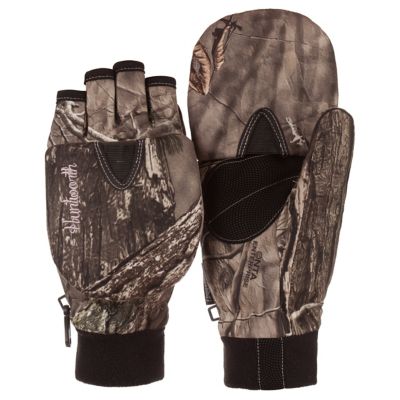
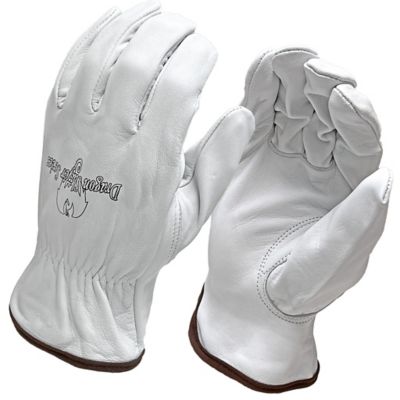
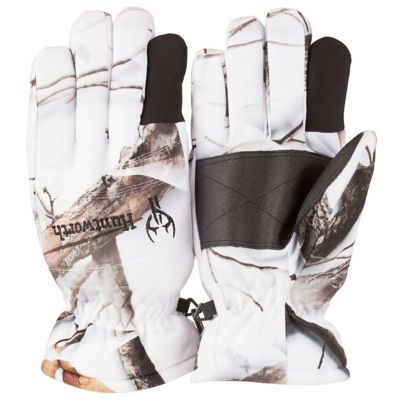
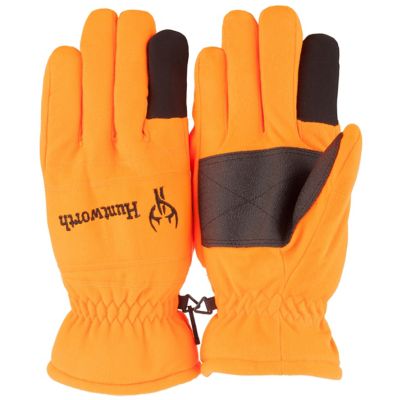
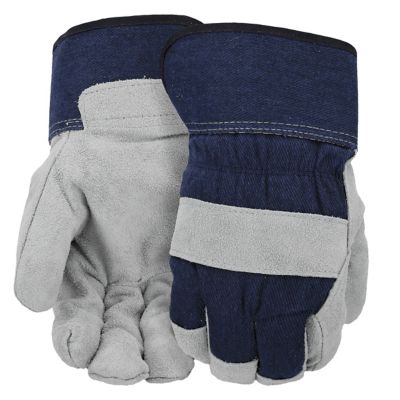
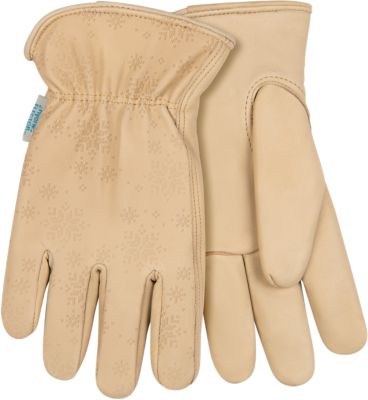
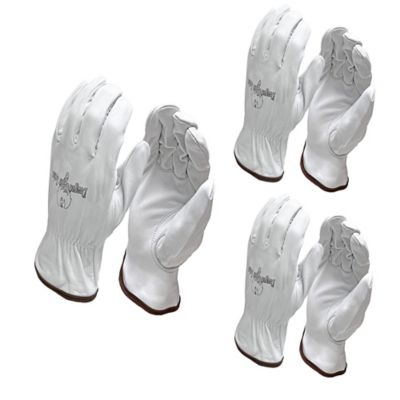
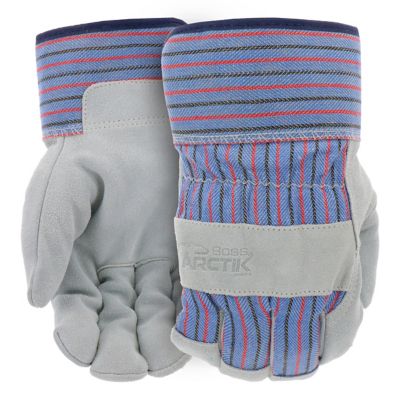
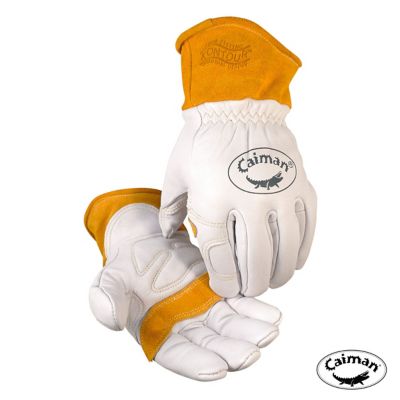
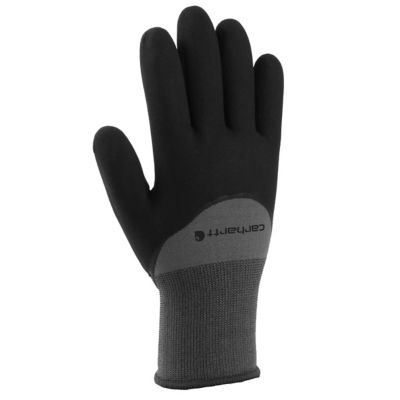
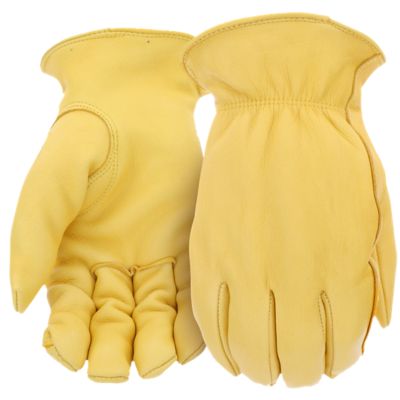
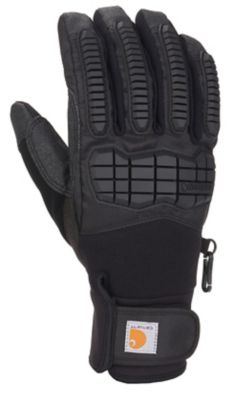
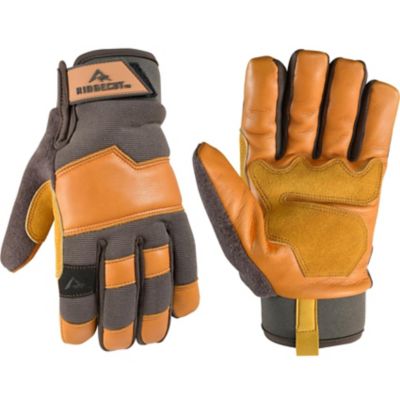
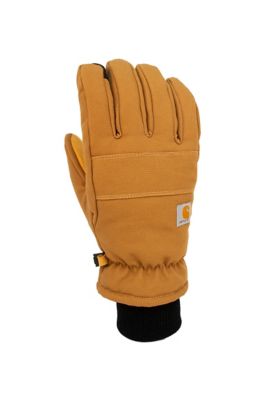
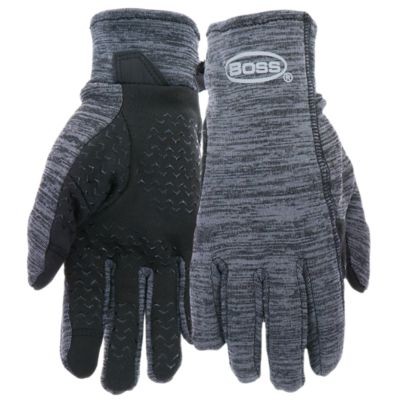
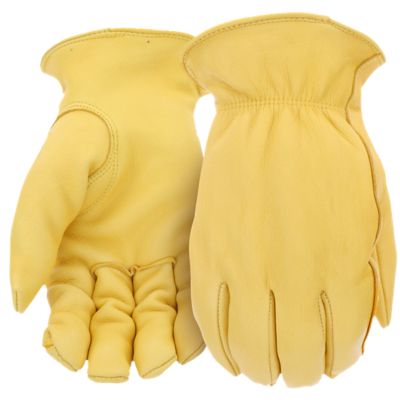
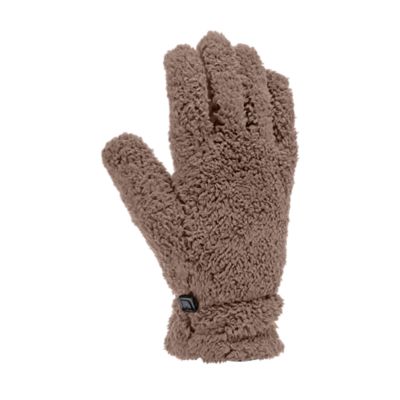
Insulated leather work gloves for cold weather are built for the kind of days when the gate latch feels like ice, the tool handle is hard to grip, and a steady wind cuts through an ordinary pair of gloves. They pair a tough leather outer shell with a warm lining that helps hold body heat around your hands while you work. This combination suits farm chores, ranch work, construction, equipment maintenance, snow removal, outdoor deliveries, and everyday jobs around the property. Leather helps protect against rough lumber, wire, brush, metal edges, and general abrasion, while insulation adds comfort during the cooler months. When comparing options, start with the job itself. Cowhide is a dependable choice for general utility and heavy wear, with a firm feel that stands up well to handling tools, feed bags, fencing materials, and equipment parts. Deerskin is naturally soft and flexible, making it a good fit for tasks that call for more finger movement, such as driving, carrying smaller tools, or working with fasteners. Pigskin is known for its ability to handle damp conditions and may stay more supple than some other leathers after getting wet. The best leather depends on whether your work leans toward rugged protection, all-day dexterity, or a mix of both. Look closely at the palm, fingertips, thumb area, and seams, since those spots take the most wear. Reinforced patches can add useful durability when you spend long hours gripping handles or working with abrasive materials. A lined palm may also make a noticeable difference when you are using a shovel, chainsaw, post driver, or other equipment for an extended stretch.
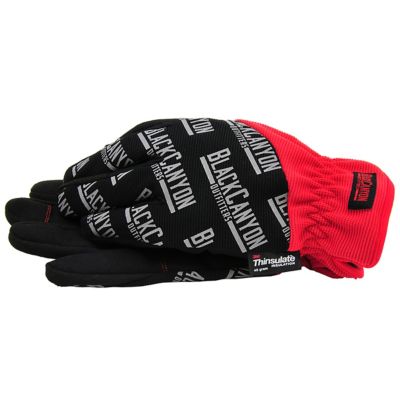
Insulation weight is another important part of choosing insulated leather work gloves for cold weather. Lighter insulation can provide warmth without making the gloves feel bulky, which is helpful for driving, sorting hardware, checking animals, or handling smaller tools. Medium insulation offers a practical balance for general outdoor work when temperatures are dropping but you still need good control. Heavier insulation is better suited to colder, more exposed conditions, though thicker linings can reduce dexterity and make it harder to feel small parts. Materials such as fleece and synthetic thermal insulation trap warm air inside the glove, and insulation ratings around 40 grams to 100 grams or more are common ways to compare warmth. These numbers are useful, but they do not tell the whole story. Wind, moisture, activity level, and how snugly the glove fits all affect how warm your hands feel. A glove that is too tight can compress the lining and leave less room for warm air, while one that is too loose can let cold air move around your fingers. Leave enough space to bend your fingers comfortably, but avoid excess material at the fingertips. A knit, elastic, or adjustable wrist helps keep cold air, snow, and sawdust from slipping inside, especially when the glove meets a coat sleeve. Gauntlet-style cuffs offer added coverage for wet snow, brush, and jobs where your forearms may rub against rough surfaces. If you expect to work around melting snow, morning dew, slush, or wet feed, look for treated leather, water-resistant construction, or an internal waterproof barrier. Water resistance can help keep light moisture from soaking through, but no leather glove should be left wet and crumpled in a truck bed or mudroom. Let damp gloves dry naturally away from direct heat, then brush off dirt once they are dry. Excessive heat can stiffen or shrink leather, leaving your hands with a glove that feels more like cardboard than work gear.
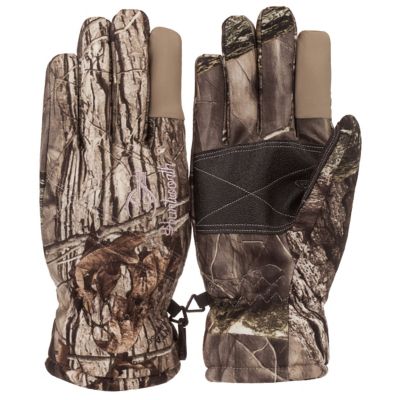
These gloves make a practical addition to a cold-weather work kit and can be useful for anyone who spends time outdoors, from farmers and ranchers to landscapers, mechanics, utility workers, hunters, woodcutters, and homeowners with a long list of property chores. They are handy for splitting and stacking firewood, repairing fences, clearing fallen limbs, loading trailers, feeding livestock, checking water lines, moving snow, or warming up a vehicle before a morning drive. They can also make a thoughtful gift for a parent, neighbor, hired hand, or outdoor-minded friend who is always working with their hands, especially when paired with other useful cold-weather gear. For anyone who prefers a slimmer fit or needs protection while completing lighter-duty chores, take a look at
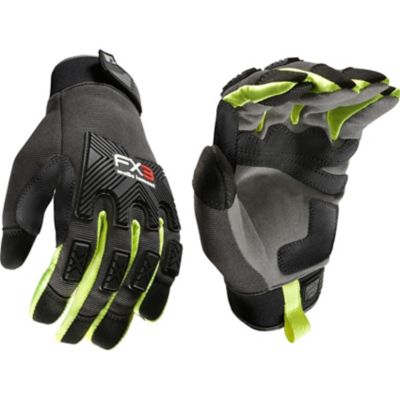
Women's Winter Work Gloves. Before choosing a size, measure around the widest part of the hand and compare that measurement with the manufacturer’s sizing chart. Check whether the fingers reach the ends without pressing against them and whether the thumb allows a natural range of motion. If you wear a liner underneath, account for that extra layer when selecting a size. Keep in mind that leather often softens and shapes to your hand with use, but it should feel comfortable from the start rather than painfully stiff or restrictive. Insulated leather work gloves are not a substitute for task-specific safety gear, so choose protection suited to the work: high-visibility details for roadside jobs, impact protection for equipment handling, cut-resistant features for sharp materials, or a longer cuff for added coverage. With the right balance of leather durability, insulation, weather resistance, cuff coverage, and fit, a good pair can help keep your hands warm, steady, and ready for work through the changing conditions of fall and early winter.