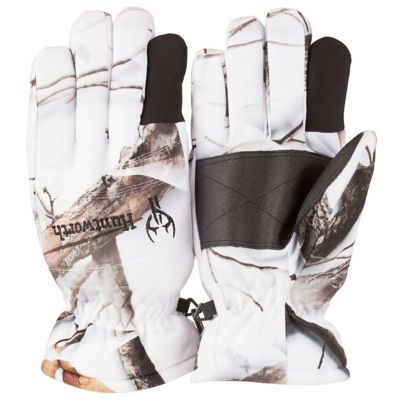
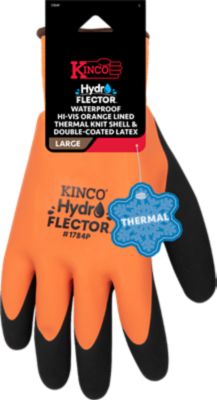
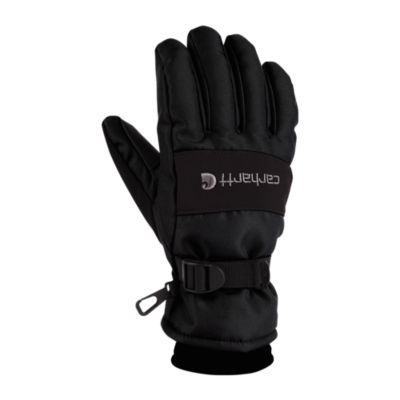
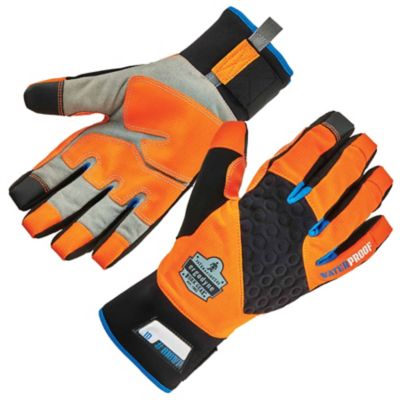
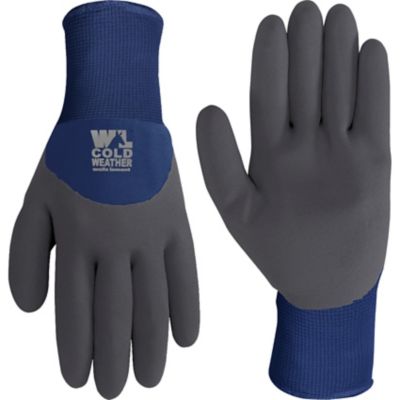
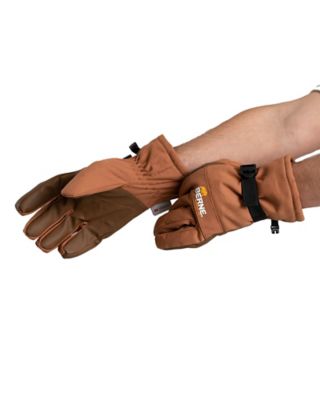
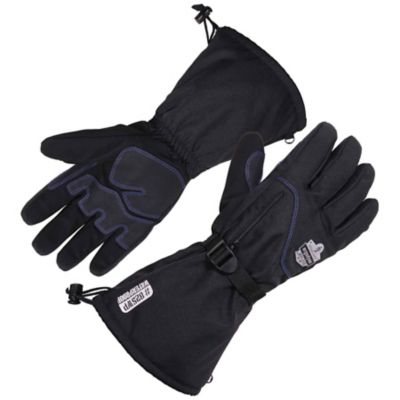
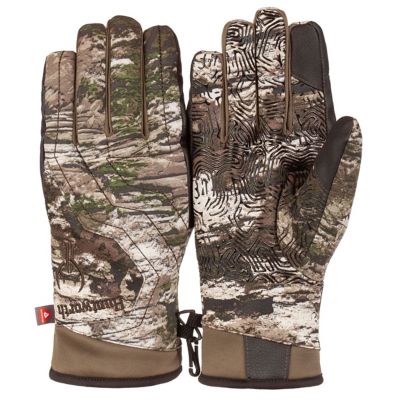
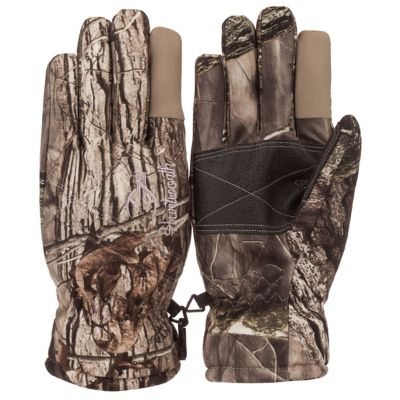
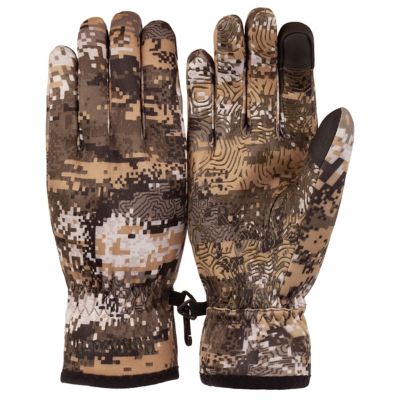
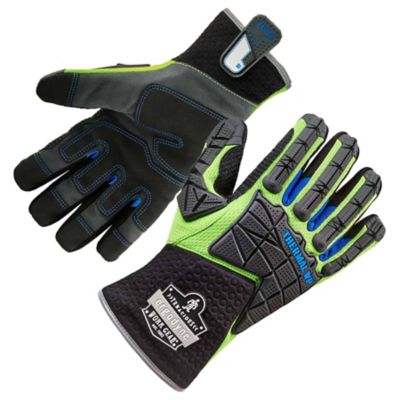
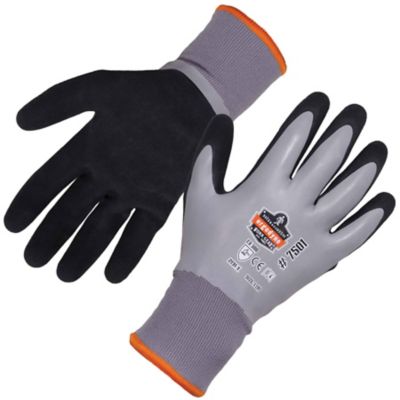
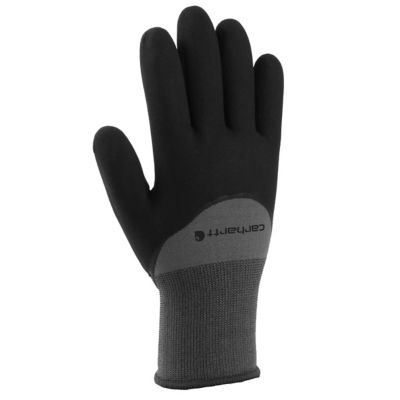
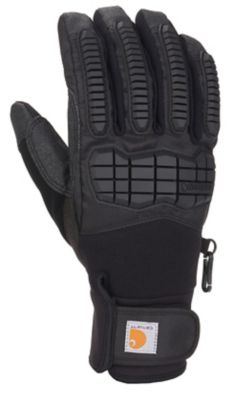
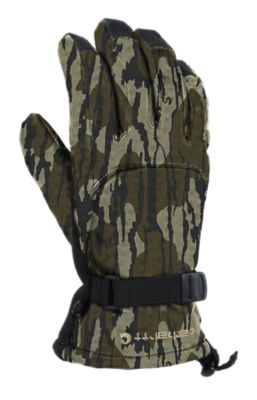
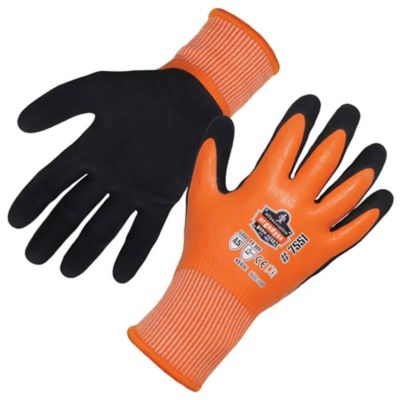
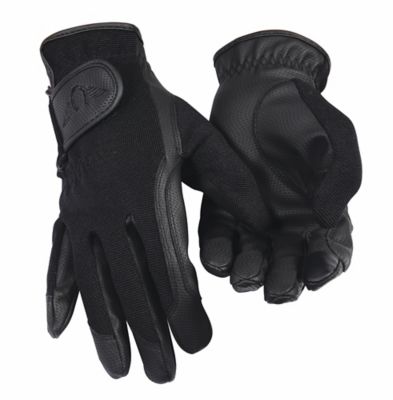
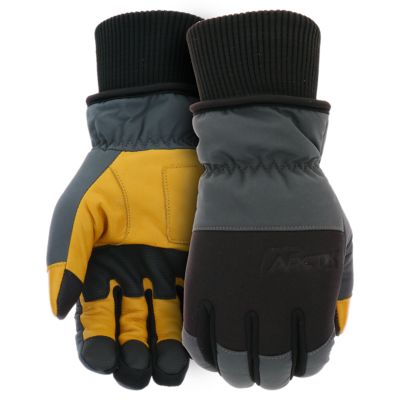
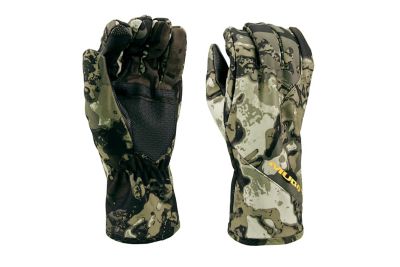
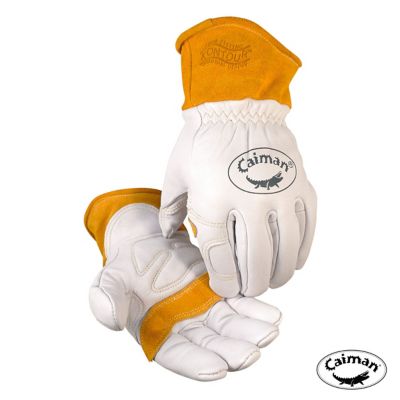
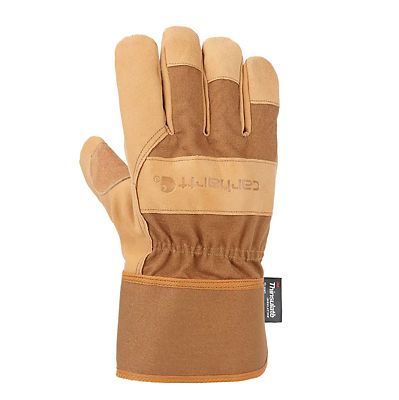
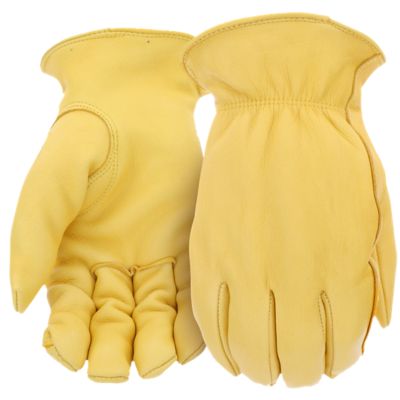
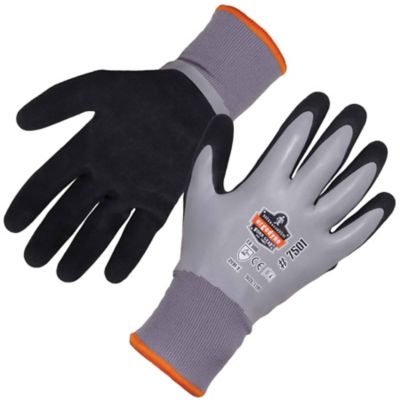
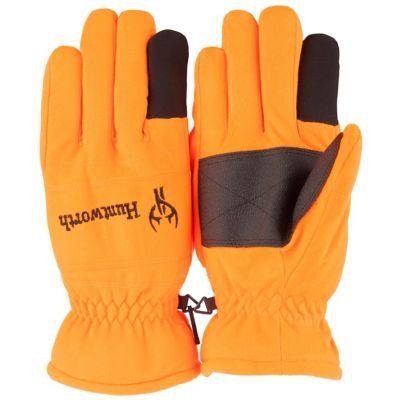
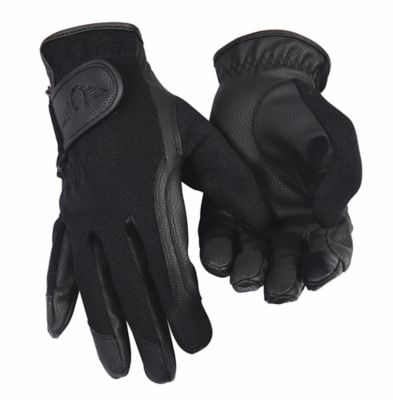
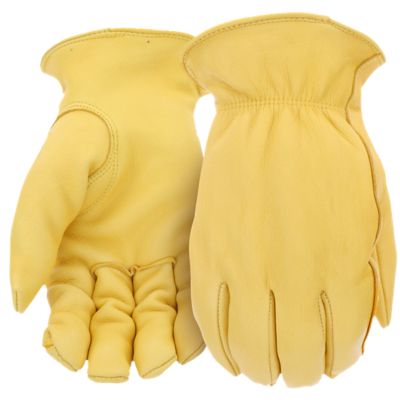
Warm waterproof gloves help keep hands comfortable when cold rain, wet snow, wind, and muddy chores make ordinary gloves fall short. They’re a practical choice for anyone who spends time outdoors during cooler months, from folks feeding livestock before sunrise to commuters clearing frosted windshields, hikers crossing damp trails, and families enjoying a day at the ball field or outdoor event. Waterproof gloves use a water-resistant outer shell, sealed membrane, coated fabric, or a combination of materials to help keep moisture from reaching your hands. That dry barrier matters because damp hands lose heat quickly, even when the temperature isn’t at its lowest. Look for gloves with well-covered seams, a snug wrist, and an extended gauntlet or cuff that can tuck beneath a jacket sleeve. A longer cuff is especially useful when brushing snow from equipment, walking through wet grass, or reaching into a pile of feed bags where rain and moisture can run down your coat. Some gloves are built with a smooth outer shell that sheds rain and snow, while others use tougher materials designed to handle regular contact with tools, gates, leashes, or rough outdoor surfaces. Think about the kind of work you do and choose a pair that balances weather protection with the freedom to move. A glove made for a long walk may be lighter and more flexible, while a pair for winter chores may have reinforced palms and fingers for a steadier grip.
Warmth comes from insulation that traps heat around your hands, and different fills suit different routines. Synthetic insulation is a popular choice for outdoor gloves because it stays warm when exposed to a little moisture and generally dries faster than natural materials. Wool blends can provide a soft, cozy feel and help regulate temperature, making them comfortable for changing conditions. Heavier insulation is helpful for long stretches outside, standing around at a chilly game, operating equipment, or working in open fields where the wind cuts across your hands. Lighter insulation can be the better fit for driving, walking, running errands, or handling small items. Keep in mind that the warmest glove isn’t always the most useful glove for every task. Thick insulation adds comfort in severe cold but can make it harder to turn a key, clip a lead, tie baling twine, or handle a phone. If you need to use a touchscreen, look for fingertips made with conductive material, while remembering that touchscreen performance can vary with screen protectors, wet fingers, and the glove’s fit. A close fit across the palm and fingers usually gives you better control than a loose, oversized glove, but leave enough room to move without compressing the insulation. Compressed insulation holds less warm air, so a glove that feels tight may not perform as well as one with a little breathing room. Adjustable wrist straps, elastic cuffs, and grippy palm panels can make a noticeable difference when you’re carrying supplies or working with tools. For especially cold conditions, consider layering with thin liner gloves, as long as the outer glove still fits comfortably and doesn’t restrict circulation.
When comparing warm waterproof gloves, start with the activity, exposure, and amount of hand movement you expect. For everyday wear, look for a flexible design that can move easily from the truck to the store, barn, school pickup, or a walk with the dog. For hiking, hunting, skiing, sledding, or other outdoor recreation, prioritize a secure fit, weather-sealed construction, dependable grip, and enough insulation for the amount of time you’ll be outside. For farm, ranch, and property work, reinforced palms, durable fingertips, and a cuff that stays in place can help gloves hold up through repeated use. If your hands tend to get cold easily or you spend long hours outdoors with limited movement, heated styles can add another layer of comfort; browse
Waterproof Heated Gloves for options that combine moisture protection with supplemental warmth. These gloves can also make a thoughtful gift for a parent who works outside, a neighbor who walks dogs in all kinds of weather, a student commuting on foot, or anyone preparing for cold-weather travel and outdoor activities. Before purchasing, check the sizing chart and measure around the widest part of your hand if needed. After use, allow gloves to air-dry fully rather than placing them directly on a heater, which can damage coatings, membranes, adhesives, or natural materials. Brush off dirt once the gloves are dry, follow the care instructions, and avoid storing them crumpled in a damp truck cab or gear bag. A dry pair with intact seams and a comfortable fit is ready to keep hands protected through wet chores, brisk walks, and changing weather.