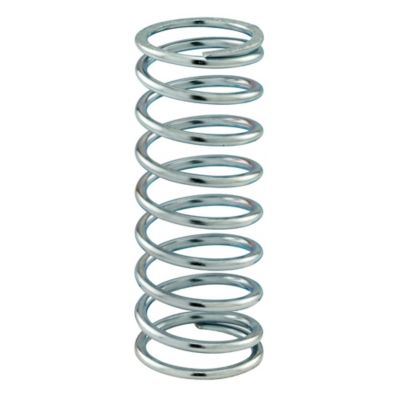
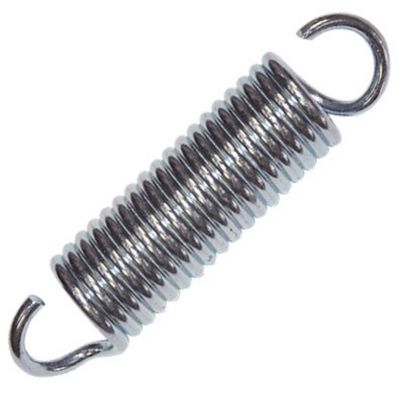
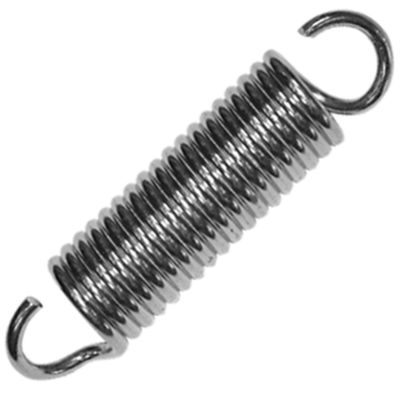
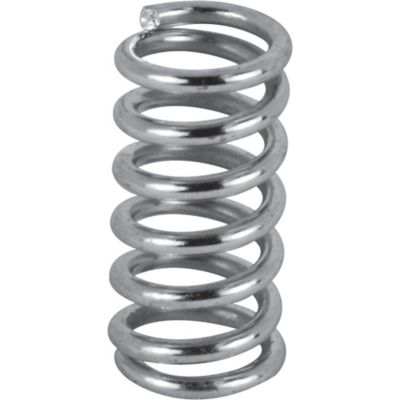
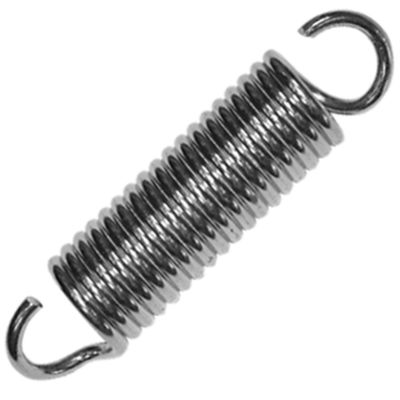
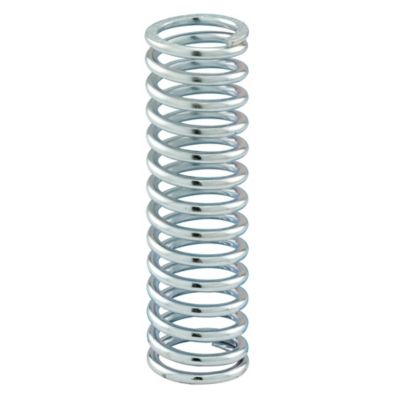
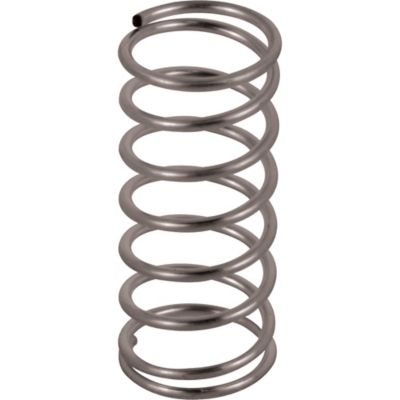
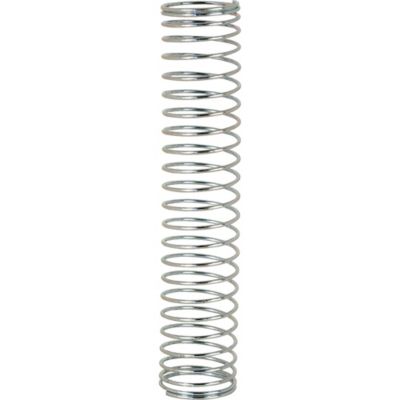
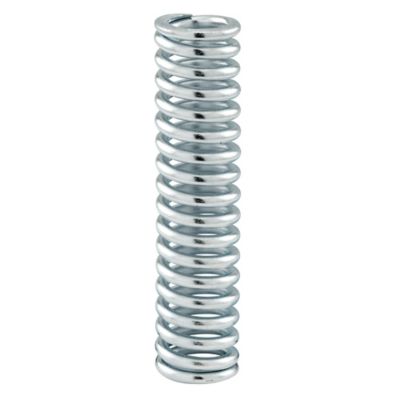
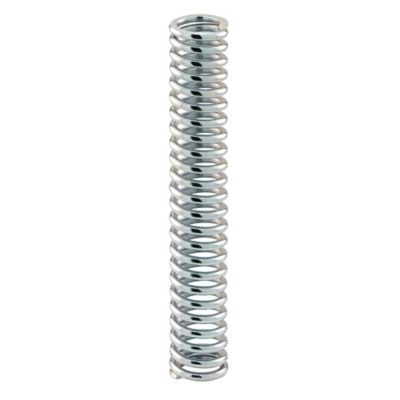
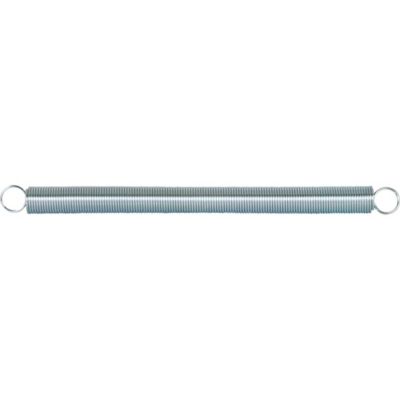
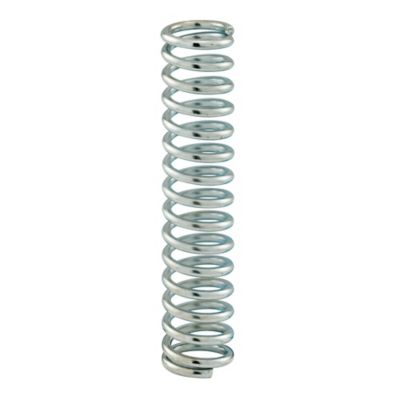
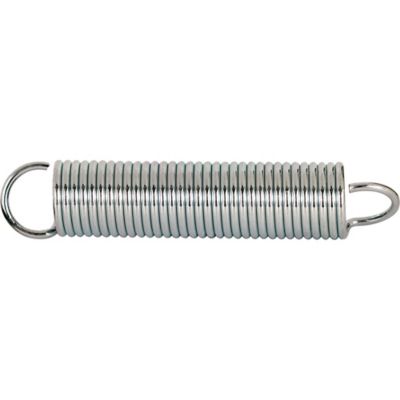
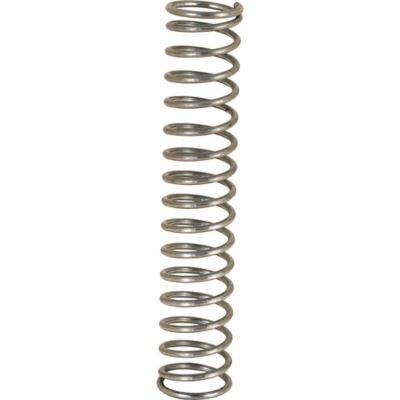
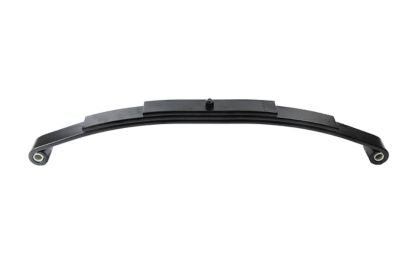
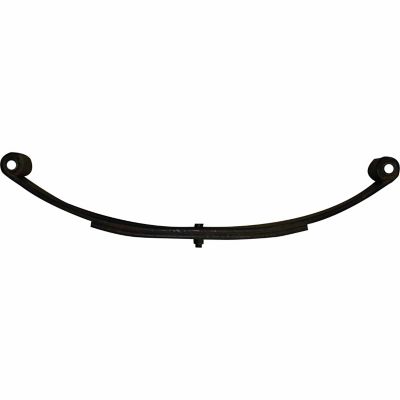
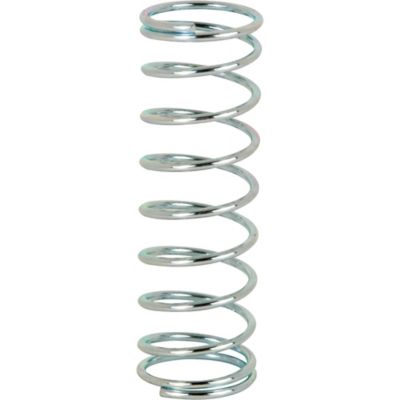
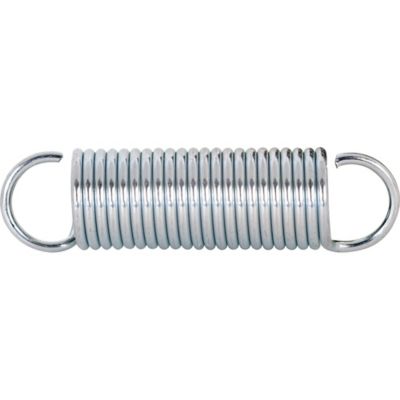
Industrial springs are built for the hard-working equipment, machinery and shop projects that need steady force, controlled movement or dependable shock absorption. Unlike light-duty household springs, these heavy-duty mechanical components are made to handle repeated loading, vibration and demanding working conditions. A spring may store energy as it compresses, stretch as a gate or linkage opens, twist around an axle or flex to support a load. On a farm, that can mean helping equipment return to position, keeping a latch under tension, absorbing movement in a trailer or supporting a mechanism that sees daily use. In a fabrication shop, industrial springs may be part of a press, mold, fixture, conveyor, tool or machine assembly. They can also be useful for maintenance work on vehicles, agricultural equipment and older machinery where a worn or broken spring needs to be matched as closely as possible. Compression springs are among the most familiar types, with open coils that push back when a load presses them together. Extension, or
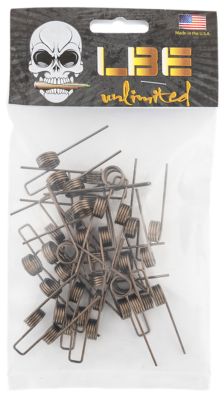
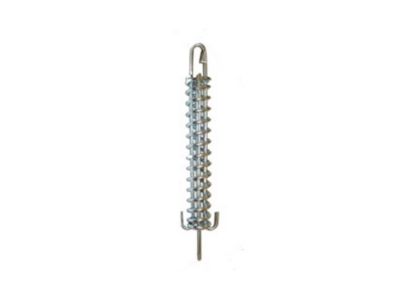
Tension Springs, are made to pull against a load and return to their original length when the force is released. Torsion springs work through twisting force and deliver torque around a central axis, while flat or leaf springs use a strip of metal to provide support, flex and shock control where space is limited. Die springs are designed for high loads and repeated work in presses, dies and other manufacturing setups. Each style has its own job, and using the right design helps a machine move as intended instead of binding, bouncing, wearing unevenly or putting extra strain on nearby parts.
Choosing industrial springs starts with the application and the forces involved. Before ordering, take time to identify whether the spring will be compressed, extended, twisted or flexed during use. Measure the available space carefully, including free length, outside diameter, inside diameter and the length or height of the spring when it is under load. Free length is the spring’s total length when it is resting without pressure or pull. Wire diameter, or the thickness of the spring wire, has a direct effect on strength and load capacity, while the number of active coils influences how far the spring can move. Spring rate is another key specification. It tells you how much force is needed to deflect the spring a set distance, often expressed as force per inch. A spring with too low a rate may bottom out, sag or fail to return a part to position. One with too high a rate can make a mechanism difficult to operate and may damage brackets, pins or mounting points. Check the expected working load, maximum travel, cycle frequency and available clearance. End style matters as well; hooks, loops, flat ends and other configurations must match the way the spring connects to the surrounding assembly. It helps to compare the old spring with a ruler or caliper, but do not rely on appearance alone. A replacement that looks close may have a different rate, wire size or working range. If the original part is broken, look for service information, equipment diagrams or measurements from the spring’s matching space. For a custom repair, write down the load, movement and mounting details before shopping. That simple bit of preparation can save a trip back to the shop and keep a repair from turning into a string of trial-and-error parts.
Material and working conditions deserve just as much attention as size. Carbon steel is a common choice for many general-purpose applications and offers solid strength for shop, equipment and machinery repairs. Stainless steel can be a better fit where moisture, washdown, fertilizer dust, salt, humidity or outdoor exposure may lead to corrosion. Some applications also call for springs made to handle higher temperatures or unusual operating conditions. Think about where the spring will live during the whole season, not just on the day it is installed. A component used on an outdoor gate or implement may face damp mornings, blowing grit and temperature swings as the weather warms and later turns cooler. A spring mounted near an engine, press or other heat-producing equipment may need material and finish suited to elevated temperatures. Protective coatings can offer added resistance, but the coating must still fit the movement and environment. Inspect the surrounding hardware before installing a new spring; worn hooks, bent brackets, rough pins and misaligned shafts can shorten the life of even a well-matched replacement. Never stretch, cut, heat or grind a spring to force a fit, since changing its shape can weaken the metal and create an unsafe release of stored energy. Use eye protection and the proper tools, keep hands clear of pinch points and support heavy assemblies before removing a loaded spring. For work on presses, vehicles, trailers or farm machinery, follow the equipment maker’s service procedures and get experienced help when the spring carries substantial force. With the right measurements, material and spring style, industrial springs can help keep everyday equipment moving smoothly through busy workdays, repairs around the homestead and the steady maintenance that comes with changing seasons.