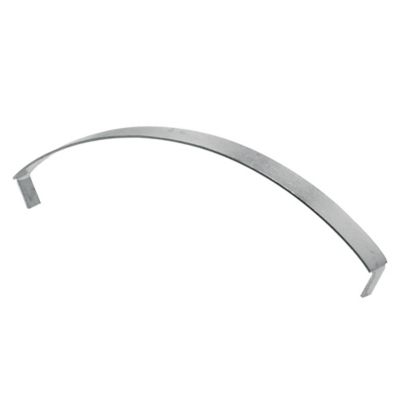
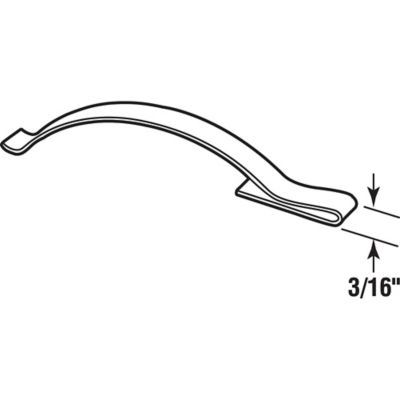
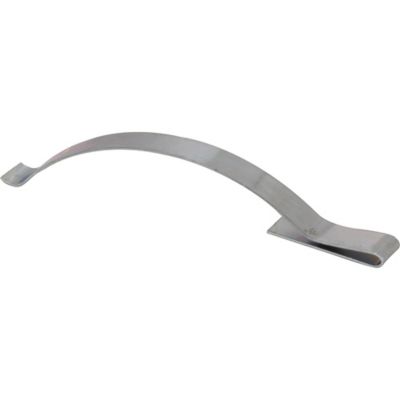
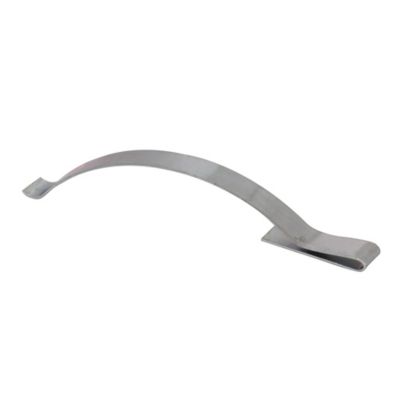
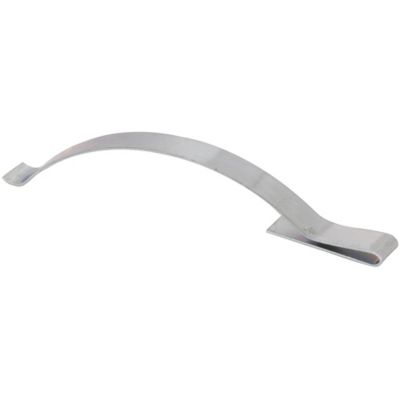
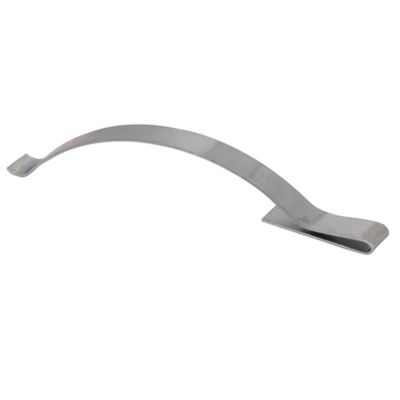
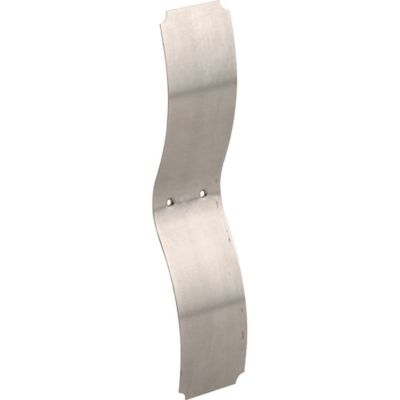
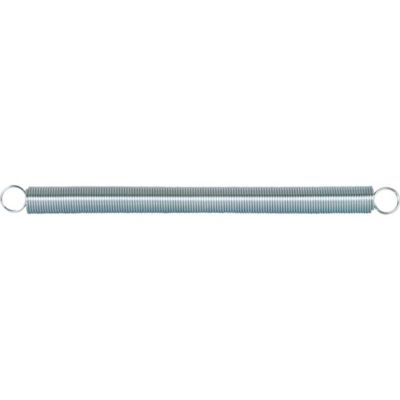
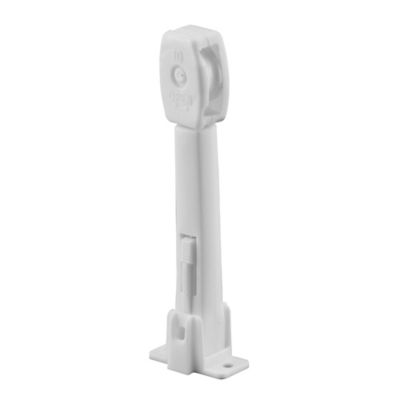
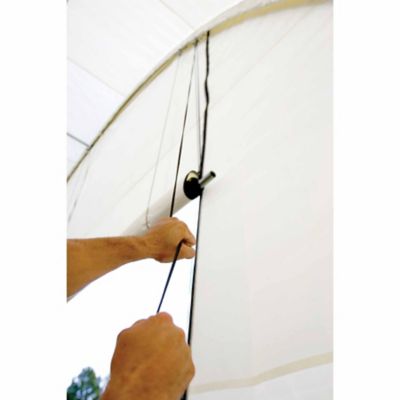
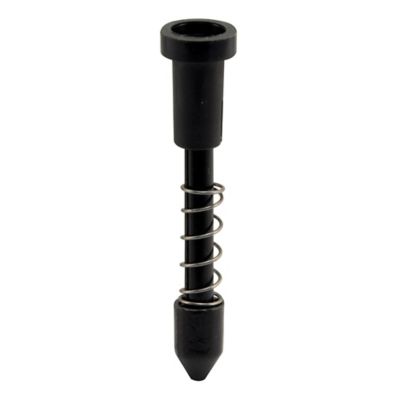
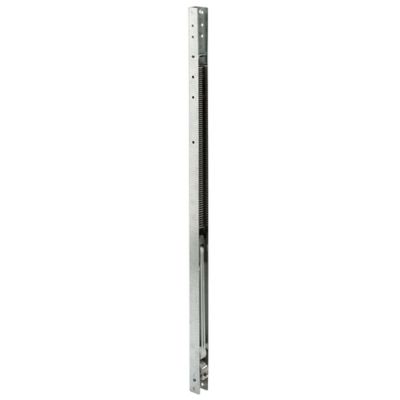
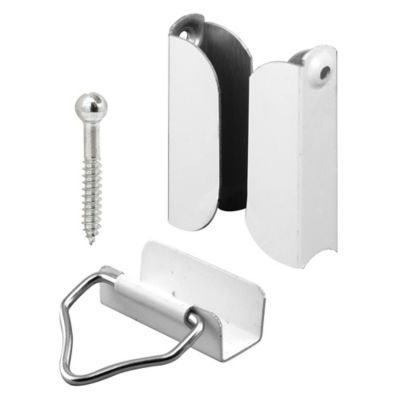
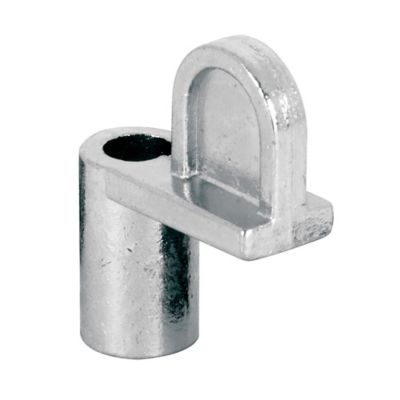
Window screen tension springs help hold a removable screen frame in its window opening by applying spring pressure against a track or frame channel. That pressure keeps the opposite edge seated while allowing the screen to come out when cleaning or repairs call for it. These small pieces of hardware do a different job from the mesh, spline, and corner connectors: they help retain the assembled screen rather than stretch the mesh or hold the frame together. On compatible windows, a properly matched spring helps take up the clearance needed for screen removal without leaving the frame loose in its opening. That makes fit important whether the job involves one kitchen window in a farmhouse or several screens at a rental property. A screen that shifts, rattles, or slips out of position may have a flattened, broken, missing, or mismatched spring, although worn tracks and bent frames can cause similar trouble. Fresh spring hardware cannot straighten a twisted frame, repair torn mesh, or make an undersized screen fit an oversized opening. It works best as one part of a sound screen assembly. Common designs include bowed flat springs that slip into compatible frame corners, edge-mounted springs that attach along a frame rail, and wire or coil styles made for particular screen systems. Their shapes and attachment points determine how they engage the window, so similar-looking pieces are not necessarily interchangeable. Some springs remain tucked largely inside the frame profile, while others extend from an edge to bear against the surrounding channel. The right design leaves room for controlled compression as the screen moves into position and maintains enough pressure to keep it seated afterward. For homeowners, property caretakers, and folks handling repairs around the farm, understanding that basic function helps separate a small hardware problem from a screen assembly that needs more extensive attention.
Fit starts with the relationship between the spring, the screen frame, and the window track—not simply the overall size of the window. Frame thickness and profile matter because the spring’s mounting section must engage the intended slot, corner, notch, or fastening point. A spring that is too wide may not enter the channel, while one that is too narrow may shift instead of staying anchored. Overall length, material thickness, the shape of the bowed section, and the amount of space it needs when compressed also affect how the assembly behaves. More tension is not automatically better. Excess pressure can make a screen difficult to seat or remove and may place unnecessary stress on a light frame. Too little pressure can leave the screen loose even when the mounting end appears to fit. Comparing replacement dimensions and attachment details with the original hardware or the screen manufacturer’s specifications helps narrow the match. An intact spring from the same screen system can provide a useful reference when another is missing or badly bent. Corner-mount and slide-in designs generally depend on a compatible frame opening, while some side-mount designs call for an existing attachment hole or a specified fastener. Those differences matter on a workbench covered with screens that look alike at first glance. Windows in the same house may have been replaced at different times, leaving more than one frame style behind. Keeping each screen associated with its own opening helps prevent a good spring from being blamed for a poor frame match. The spring’s position matters, too: it must press against the surface intended by the screen design without scraping the mesh, blocking a pull tab, or interfering with the sash. Window style alone does not establish compatibility, since single-hung, double-hung, and sliding windows can have different screen-retention arrangements. A close match in shape, mounting method, and working clearance is more useful than choosing by a broad window description alone. Where several springs belong to one assembly, their placement and specifications should follow that screen system’s requirements.
Material and finish influence how window screen tension springs stand up to repeated compression, moisture, and routine handling. Spring steel provides the flex needed to press against a channel and return toward its original shape. Zinc-plated steel adds a protective surface, while stainless steel offers corrosion resistance that can be helpful around damp window openings. Neither a bright finish nor a heavier piece of metal guarantees the right performance; the spring still needs the intended shape and flexibility for the frame. Scratches, worn plating, and trapped grime can affect metal surfaces over time, and corrosion near a bend or mounting point deserves attention. A spring that stays flattened after compression, shows a crack, or no longer sits securely in its mounting location may no longer provide the retention the screen needs. Bending a tired spring farther outward is not a substitute for matching the proper replacement, especially when the metal already shows damage. Care is generally straightforward: clean tracks and frame channels give the hardware room to work, and gentle handling helps avoid distorting the spring during screen removal. Mild cleaning methods compatible with the frame and finish are preferable to harsh abrasives that can damage protective surfaces. Letting cleaned components dry before reassembly also helps limit trapped moisture. For a homeowner tackling a loose bedroom screen or a maintenance worker checking several buildings, the goal is a screen that sits evenly, stays in place during normal use, and remains removable as designed. Screen retention should not be confused with sash support:
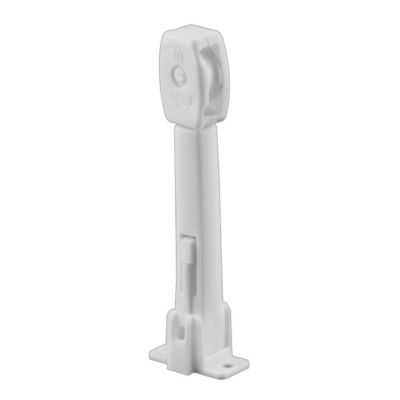
Window Sash Spring Balances serve a different purpose, helping counterbalance the movable window sash rather than secure the insect screen. Neither component turns an ordinary insect screen into a fall barrier for children or pets. Matching the hardware to its actual job keeps a small repair focused and helps the rest of the window assembly function as intended.