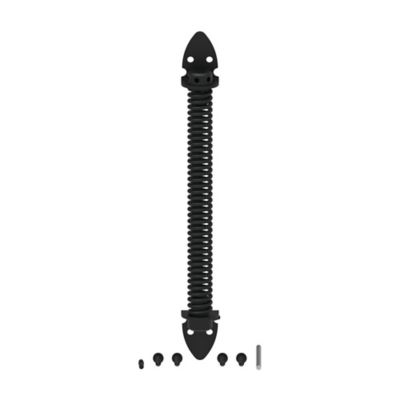
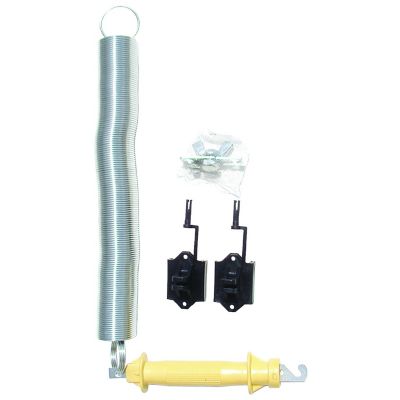
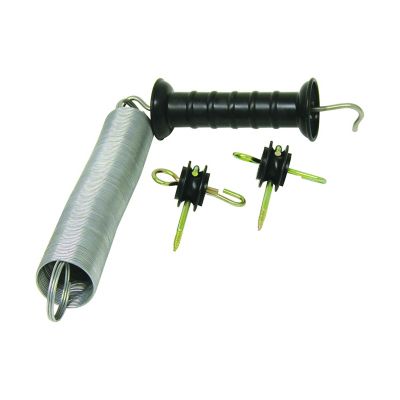
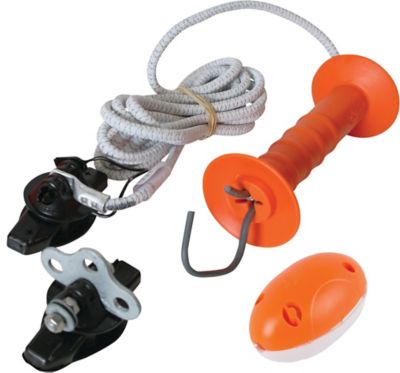
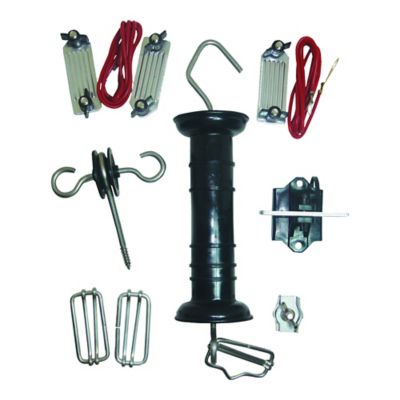
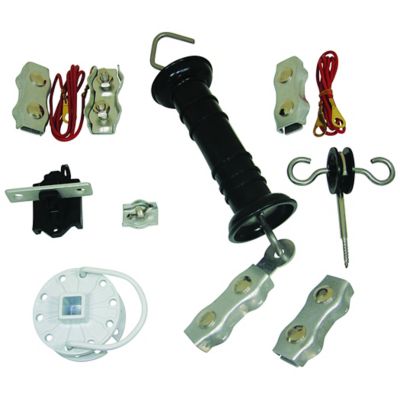
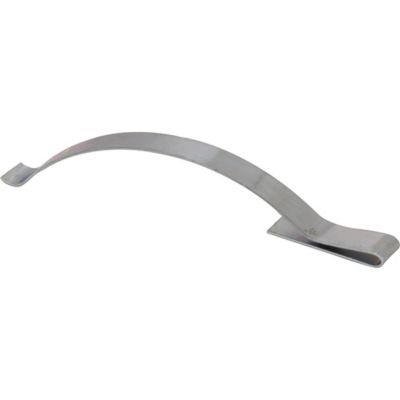
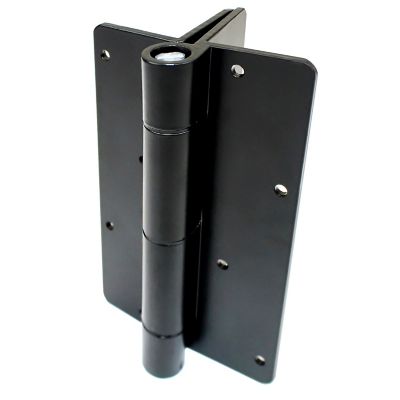
Gate springs are mechanical gate-closing devices that store energy when a gate opens and release that energy to pull it back toward the closed position. Paired with compatible hinges and a properly aligned latch, a gate spring helps keep a fence opening from staying open after someone passes through. That makes this small piece of hardware handy around backyard fences, garden entrances, dog runs, and other frequently traveled spots around a property. When both hands are full with a feed bucket or a basket of vegetables, a gate that swings back behind you can take one more chore off the list. The spring provides closing force, while the hinges support the gate and the latch holds it shut; each part has its own job. A self-closing gate is not necessarily self-latching, and a spring alone does not make an enclosure secure for children or animals. Fit depends on more than whether a spring can reach between the gate and its post. Gate width, weight, swing direction, hinge arrangement, and mounting space all affect which hardware belongs on the opening. A narrow garden gate and a broad farm gate put very different demands on a closing mechanism. Heavier gates may need a different type of closer rather than a stronger version of a small coil spring. The gate should also swing freely before closing hardware enters the picture. Sagging hinges, a leaning post, or a bottom rail dragging across the ground can keep even a properly matched spring from doing its job. For homeowners, gardeners, and folks tending small animal areas, the right match is one that brings the gate back through its intended travel without requiring a hard shove to open it. Closing action should suit the people passing through, too, especially where children, older family members, or anyone carrying supplies regularly uses the entrance. A manageable opening force matters just as much as the return motion on a gate that sees steady foot traffic.
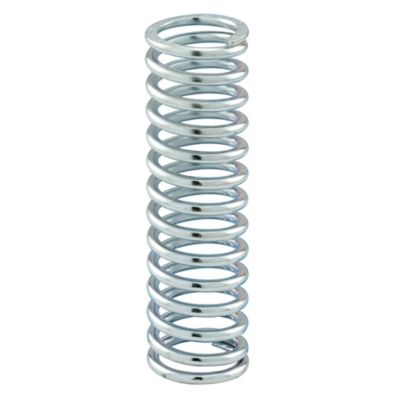
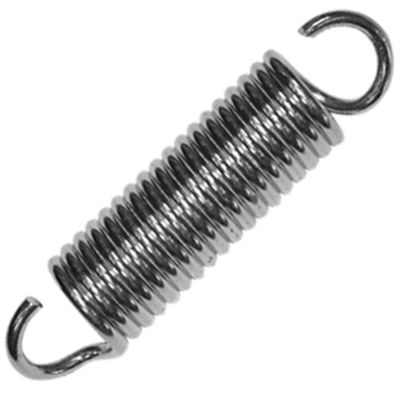
Steel is a common material for gate springs because it can flex repeatedly and return toward its original shape within its designed working range. Protective finishes, including zinc coatings or painted surfaces, can help limit corrosion, though the spring, mounting hardware, and nearby gate hardware all need attention over time. Finish alone does not tell the whole story about service life. Wire size, coil design, allowable movement, and the strength of the mounting points also matter. On a wooden gate, sound framing gives fasteners something solid to hold; a split board or loose picket is a poor foundation for hardware under repeated tension. Metal gates may call for brackets or fastening methods matched to the frame, while vinyl gates often need structural reinforcement behind the outer material. The mounting requirements should match the gate construction rather than depend on the surface appearance. Available clearance matters as well. A spring needs room to move without rubbing a fence board, catching on nearby hardware, or interfering with the latch. Some gate springs allow closing-force adjustment, but adjustment ranges and methods differ by design. More tension is not automatically better: excessive force can make a light gate unpleasant to open, send it into the stop too hard, or place extra strain on the fasteners. Too little force may leave the gate short of the latch. The useful balance is enough closing force to complete the swing and engage compatible latching hardware without an unnecessary slam. Other spring hardware, including
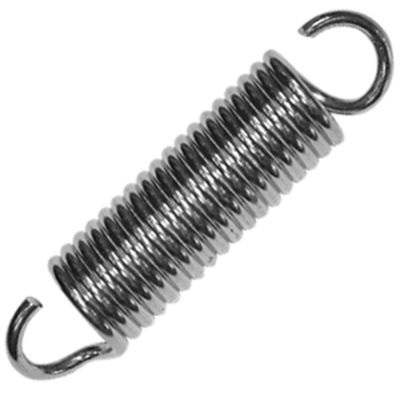
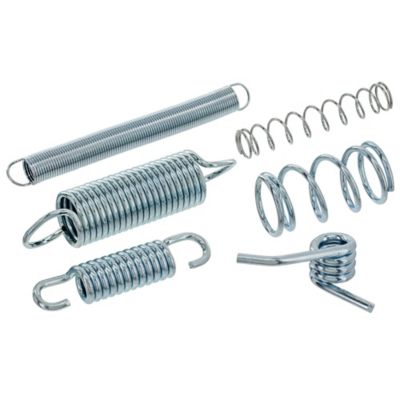
Tension Springs, may serve different mechanisms, so a similar-looking coil does not establish that two springs are interchangeable. Dimensions, end connections, operating movement, and the manufacturer's stated application all need to line up. Matching hardware to the actual opening helps avoid makeshift connections that can loosen or pull out as the gate cycles. The manufacturer's specifications are the best reference for supported gate sizes, fastening requirements, and permitted opening angles, especially when replacing an older spring whose markings are no longer readable.
Day-to-day gate use gives a clear picture of what matters most in a closing spring. At a vegetable garden, the goal may be a light gate that returns neatly after every trip with a watering can. Along a backyard fence, steady return movement helps reduce the chance of someone leaving the entrance standing open. Near animal areas, the spring belongs within a larger enclosure setup that includes suitable fencing, secure latches, and hardware beyond an animal's reach where needed. It should never be the only safeguard against an escape. Pool barriers and other regulated openings require hardware and gate operation that meet applicable rules; a general-purpose gate spring is not a stand-in for a compliant closing and latching system. Regular care is mostly about noticing changes before they become a bigger repair. Loose screws, shifting brackets, damaged coils, and corrosion at attachment points can all affect how a gate closes. A gate that once latched cleanly but now stops short may have a hinge or alignment problem rather than a spring problem. Lubrication should follow the hardware manufacturer's directions, since springs and hinges do not all call for the same treatment. Keeping the swing path clear also prevents a rock, trailing plant, or piled-up bedding from stopping the gate before it reaches the latch. Checking operation from several opening positions gives a better sense of performance than letting the gate swing shut once from fully open. Hands and fingers should stay clear of coils and pinch points, and spring adjustment deserves care because the hardware can hold stored energy. A bent, cracked, or heavily corroded spring calls for replacement rather than an improvised repair. With the gate, hinges, spring, and latch working together, a well-matched closing setup makes everyday trips through the fence simpler without asking the spring to carry the gate or solve problems elsewhere in the opening.