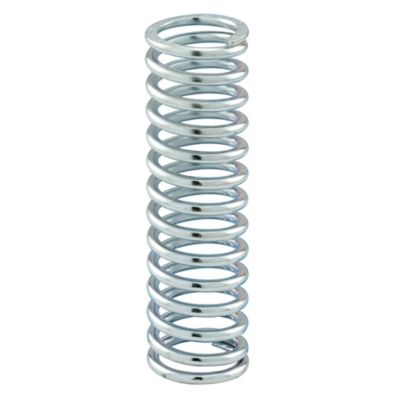
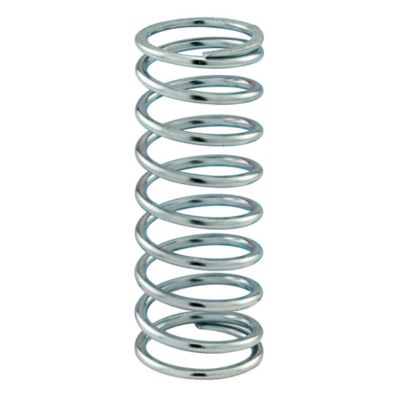
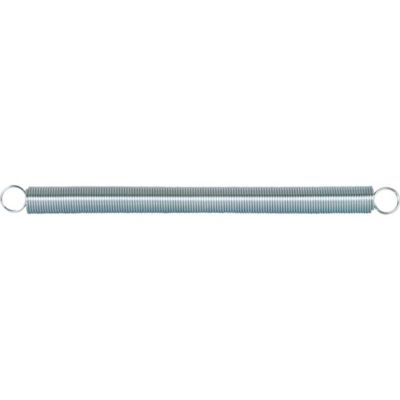
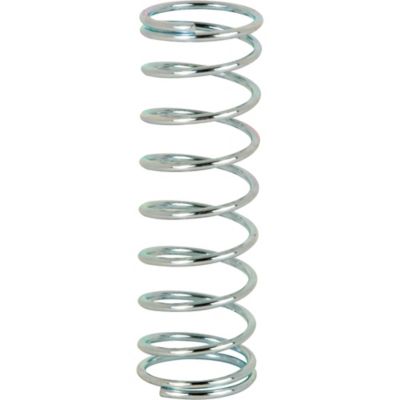
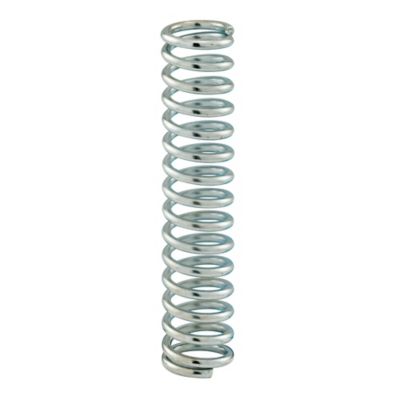
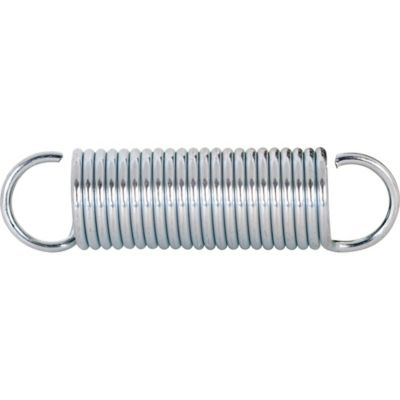
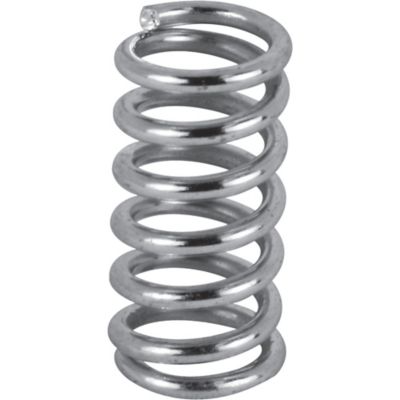
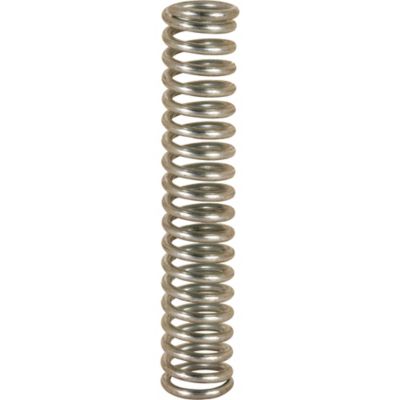
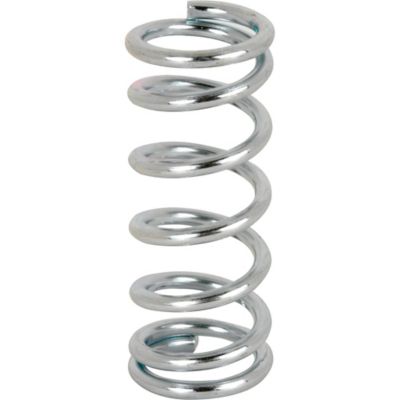
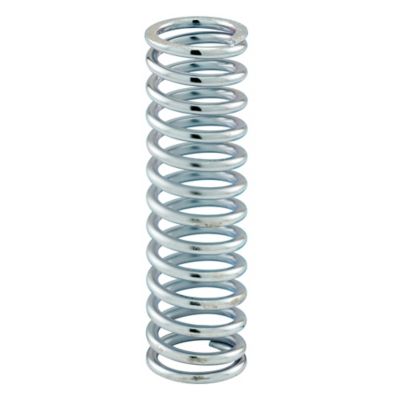
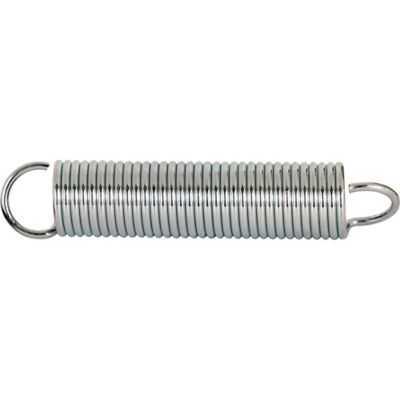
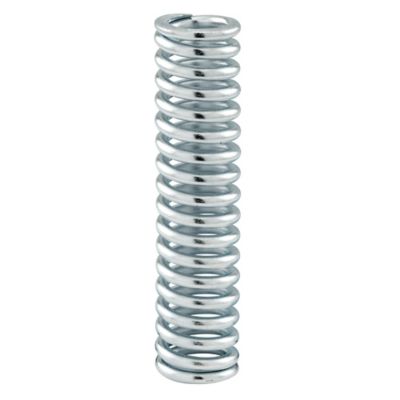
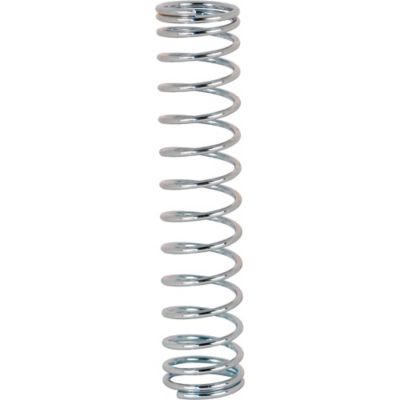
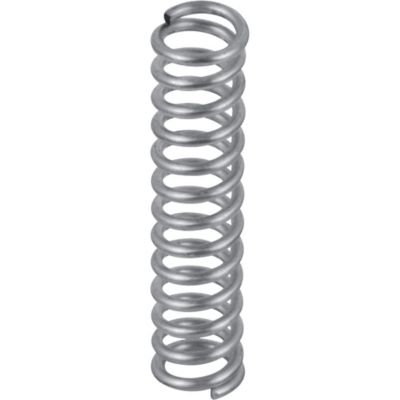
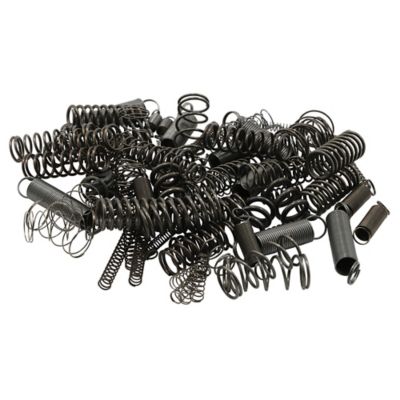
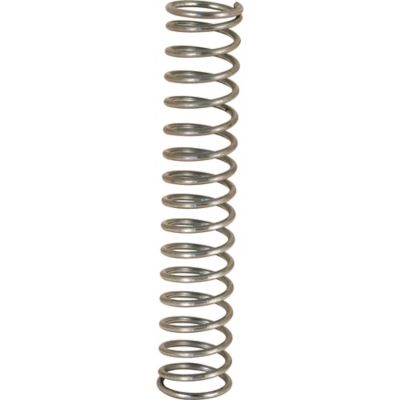
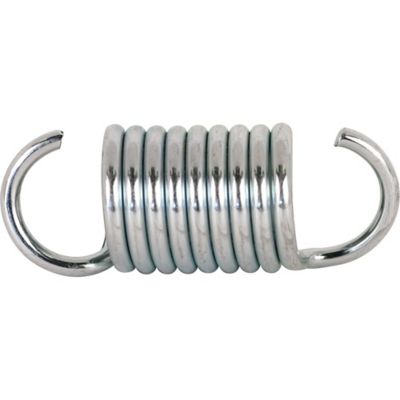
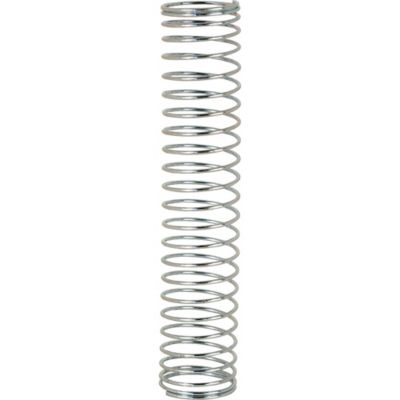
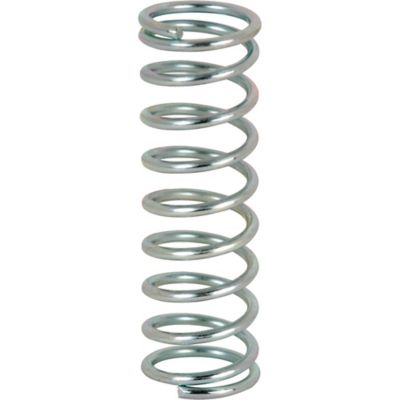
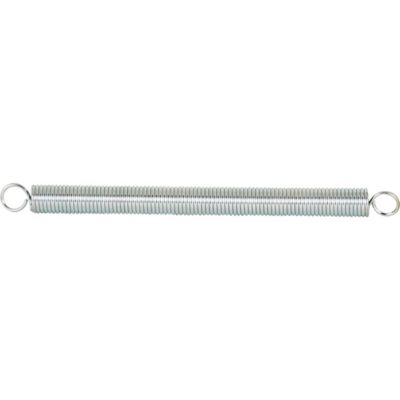
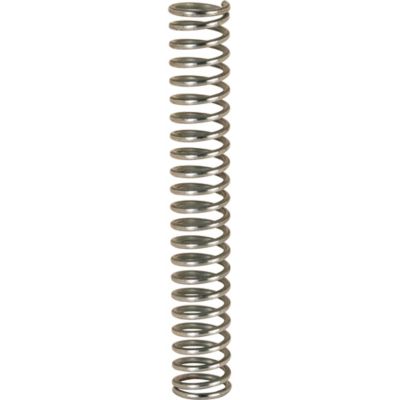
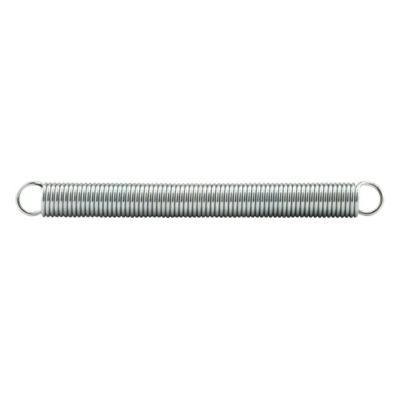
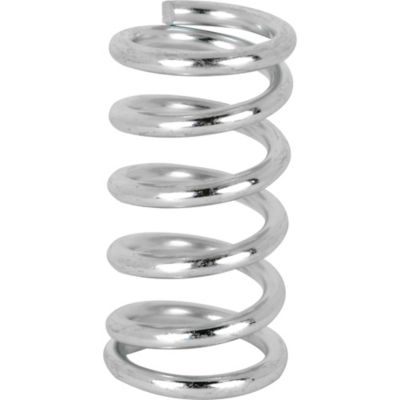
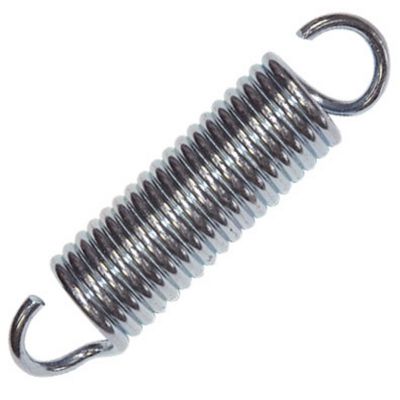
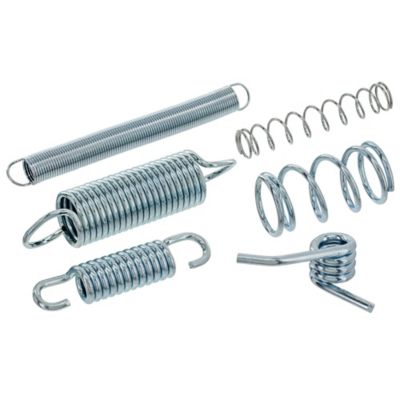
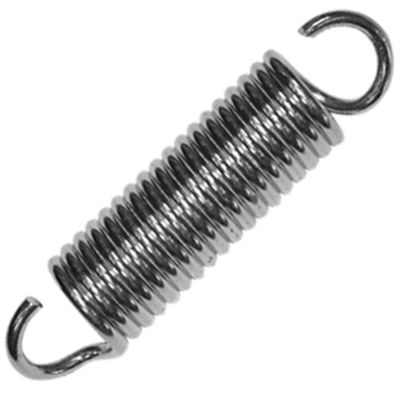
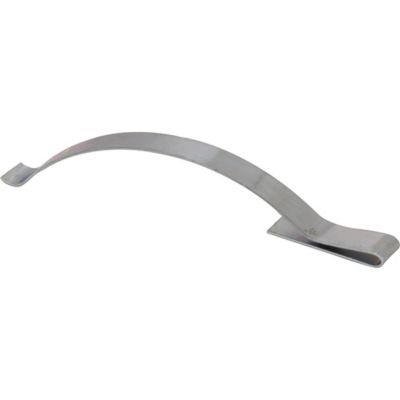
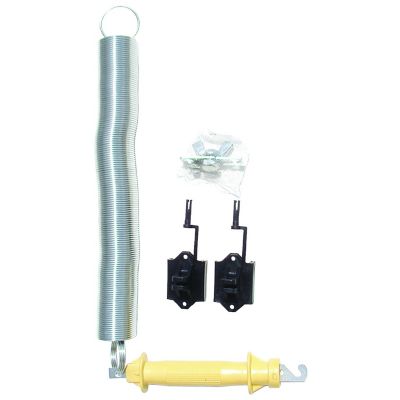
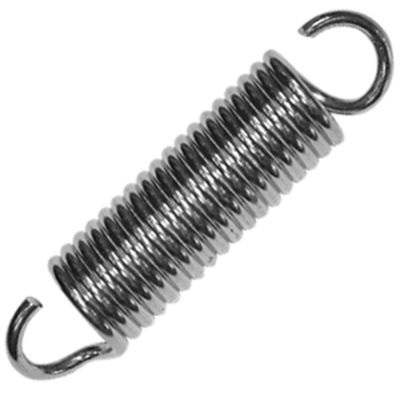
Metal springs are mechanical components that store energy when compressed, stretched or twisted and release that energy as they return toward their original shape. That simple action helps a latch snap back, keeps pressure on an assembly and brings a lever home after a pull. Around a farm, ranch or workshop, springs often do their work out of sight, tucked behind a handle, around a shaft or inside a piece of equipment. Their size may be small, but their effect on how a mechanism moves can be easy to notice. Compression springs resist a pushing force and typically sit between two surfaces that move closer together. Extension springs resist a pulling force, with hooks or loops connecting their ends to moving parts. Torsion springs work through twisting motion, applying torque around a pivot rather than pushing or pulling in a straight line. Flat springs and leaf-style designs provide flex through a shaped strip of metal instead of a coil. Each style handles force differently, so appearance alone does not tell the whole story. A spring that belongs behind a plunger has a different job from one that returns a pivoting handle or maintains tension on a linkage. Intended use matters just as much as size: some applications call for a gentle return, while others need firm resistance or steady pressure through repeated movement. Farmers, equipment owners, mechanics and folks handling property maintenance may all need metal springs for routine repairs or planned upkeep. The right fit supports the way the original mechanism was designed to operate, without forcing neighboring parts to carry extra strain. A gate latch that closes cleanly, a control that returns without hesitation and a tensioning assembly that stays within its specified travel all depend on more than spring strength alone. Mounting points, movement and the surrounding hardware also shape how well a replacement suits the job.
Material and dimensions are central to choosing metal springs for a particular application. Carbon spring steel is a common choice where strength and elastic response are priorities, while stainless steel can offer corrosion resistance in settings with moisture, frequent cleaning or contact with wash water. Alloy spring steels serve applications with demanding load and fatigue requirements. Some steel springs also have plated or coated finishes that help limit surface corrosion, though a finish does not make every spring suitable for every environment. Material grade, manufacturing process and the equipment maker’s specifications remain important distinctions. Fit involves several measurements working together, including wire diameter, outside diameter, inside diameter and overall length. Free length describes a spring’s length without an applied working load; the way that measurement is taken can differ by spring style, especially when hooks or legs are involved. A compression spring needs clearance around its coils and enough room along its travel to avoid being driven beyond its design limits. An extension spring depends on compatible end connections as well as the proper working length. For torsion springs, coil diameter, winding direction, leg shape and leg position all affect installation and movement. End details matter, too. A spring intended to sit squarely against a flat surface may have a different end configuration from one meant to attach through a hole or around a pin. Spring rate describes how much additional force is needed for a given amount of compression or extension; torsion spring rate relates torque to angular movement. It is not the same thing as maximum load capacity. Two springs with similar dimensions can behave quite differently because of their wire size, coil count, material or design. That is why matching only the length can leave a repair feeling too stiff, too loose or short on travel. For equipment with a specified replacement requirement, the original specifications provide a better basis for fit than a side-by-side visual comparison, particularly when the old spring has stretched, sagged or broken.
Service life depends on how a metal spring is loaded, how often it cycles and what happens at its contact points. Repeated movement can eventually cause fatigue, while rubbing, corrosion and misalignment may shorten the time between replacements. A spring that bows against a housing or drags across a rough edge faces a different workload from one moving freely along its intended path. Dirt packed between coils can also interfere with movement, and worn hooks, pins or mounting holes may change how force travels through an assembly. Care generally centers on keeping the surrounding mechanism clean, checking for damage and following the equipment maker’s directions for lubrication. Not every spring assembly calls for oil or grease, and extra lubricant can collect grit in exposed mechanisms. Visible cracks, deep rust, distorted coils and damaged end connections are reasons for closer attention rather than another round of stretching or bending. A stronger spring is not automatically a better replacement: extra force can make a handle harder to operate, strain attachment points or interfere with the intended action of a latch or control. Cutting coils, reshaping hooks or heating spring wire can also change its behavior and compromise the repair. For machinery and other applications with defined operating requirements,
Industrial Springs offer another related category to consider alongside the equipment’s specifications. Any inspection or replacement needs to account for stored energy, with equipment secured and spring force safely controlled according to the manufacturer’s instructions. High-tension assemblies call for trained service personnel rather than trial-and-error adjustments. For everyday maintenance, clear measurements, sound mounting hardware and the correct spring design help keep repairs straightforward. Whether the task involves a small return mechanism on the workbench or a moving assembly on farm equipment, a well-matched metal spring supports controlled motion, proper engagement and the familiar feel of equipment working as intended.