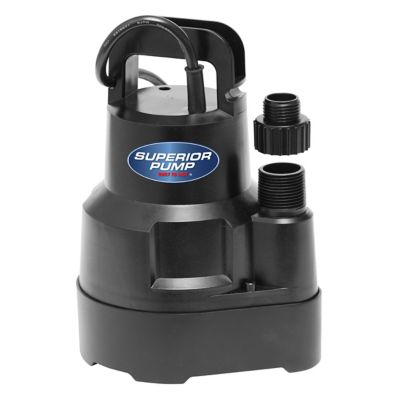
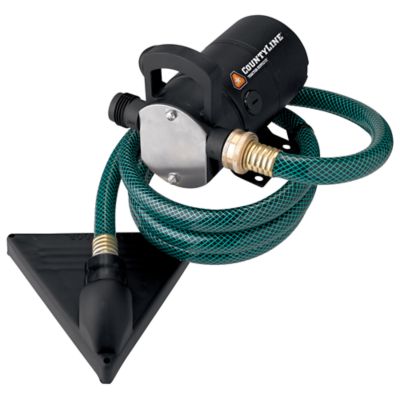
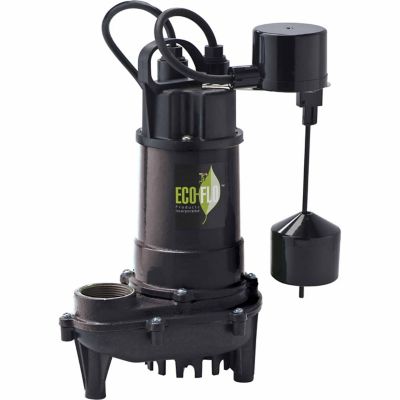
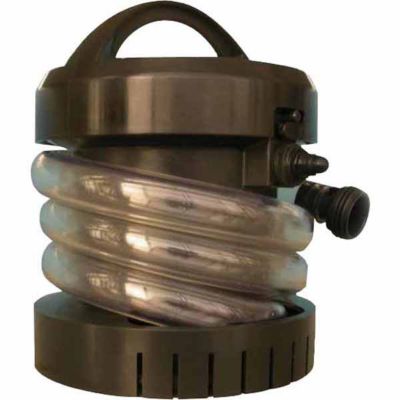
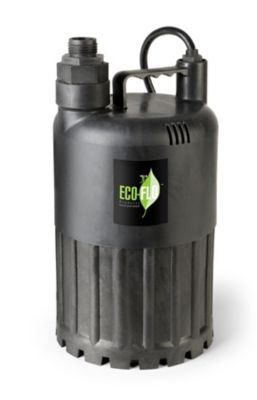
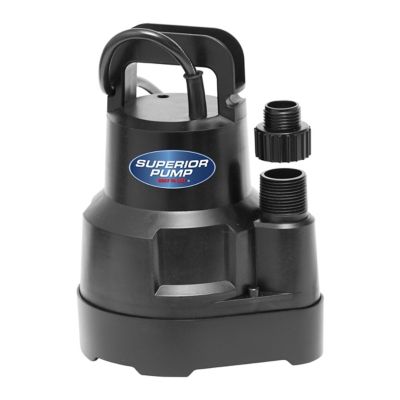
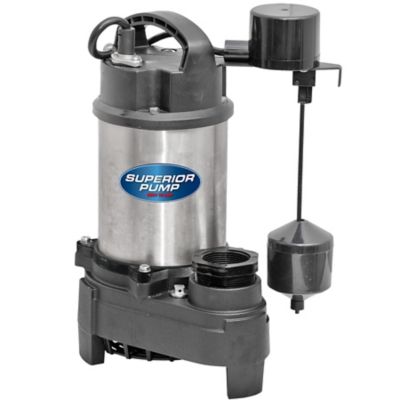
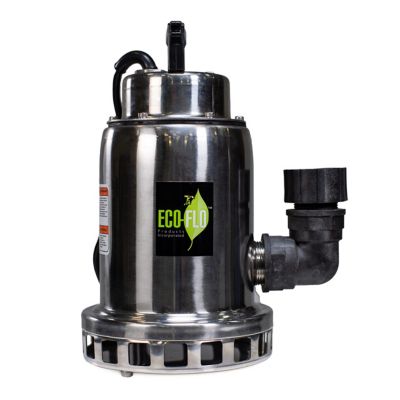
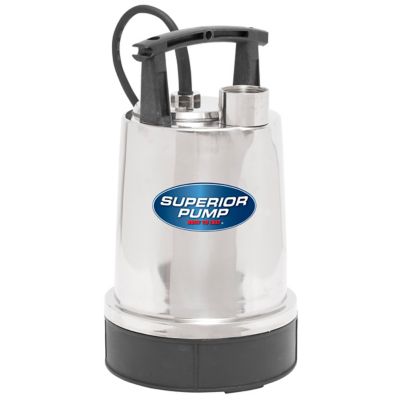
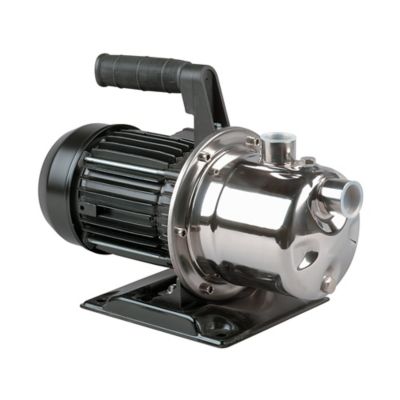
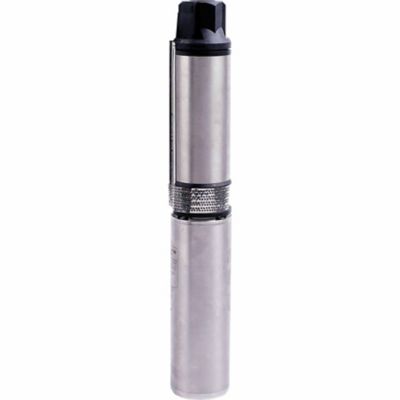
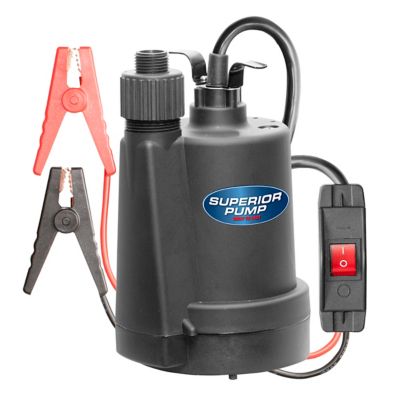
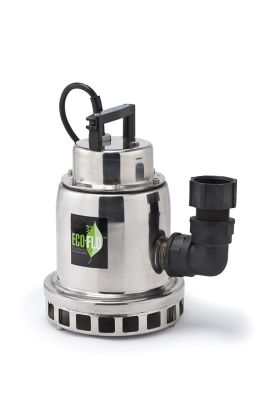
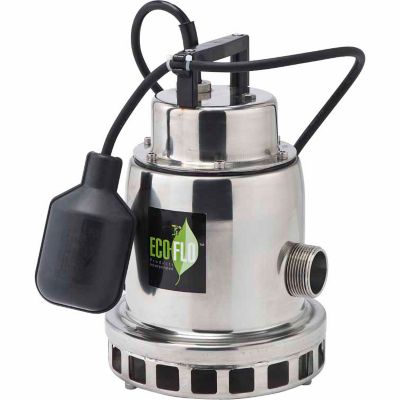
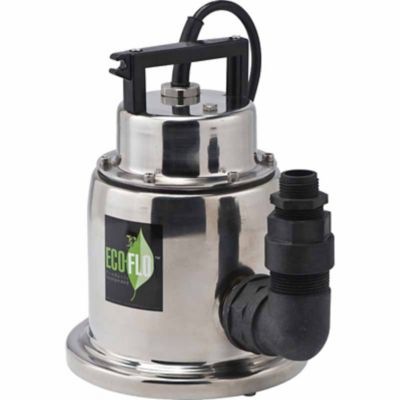
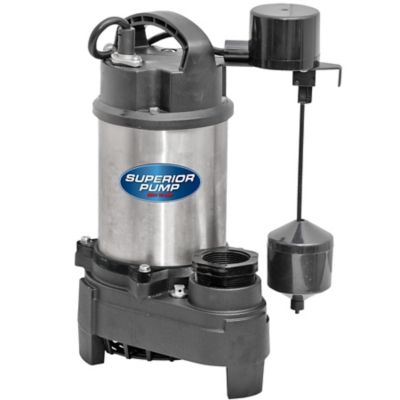
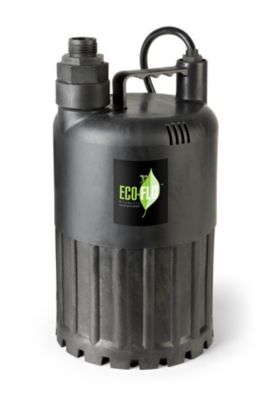
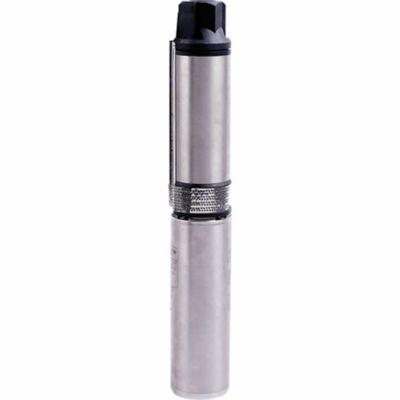
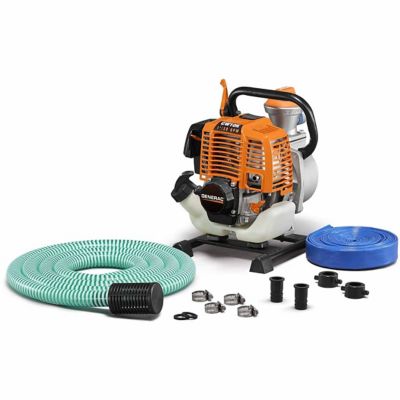
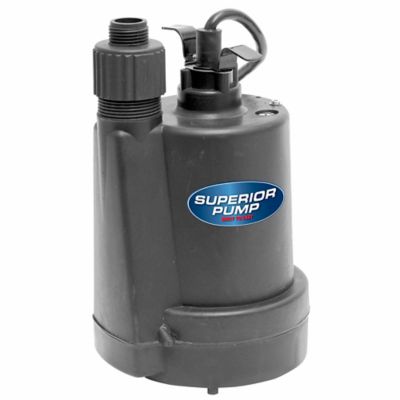
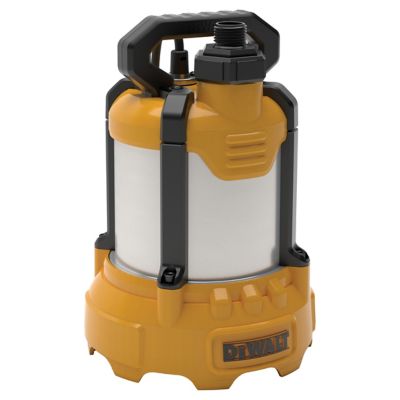
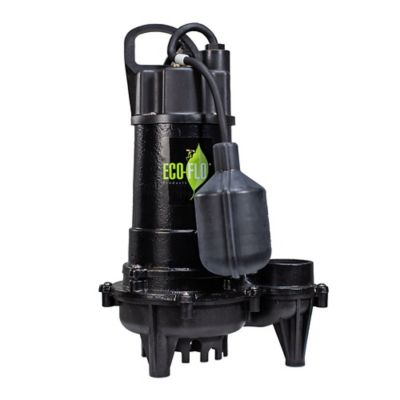
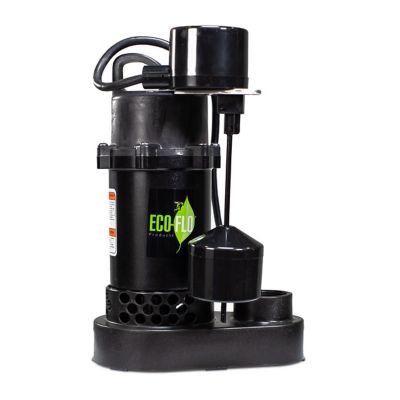
Submersible utility pumps are handy, portable electric pumps made to move standing water from places where a bucket, mop, or shop vacuum just cannot keep up. Set the pump in the low spot, connect a discharge hose, and plug it in to transfer water away from a basement, crawl space, window well, flat roof, stock tank, hot tub, pool cover, or other hard-to-drain area. Many models are manual: they begin pumping when plugged in and stop when unplugged, giving you a simple way to keep an eye on the water level. Some include automatic water-sensing switches that start and stop the pump as water rises and falls. These pumps can be especially useful around rural homes, barns, workshops, rental properties, camps, and outbuildings where heavy rain, melting snow, or a backed-up drain can leave water standing on a floor. A compact utility pump is also a thoughtful gift for a new homeowner, anyone caring for an older house, or a neighbor who likes to keep dependable equipment on hand before rough weather rolls through. It may spend most of the year tucked on a shelf, but when water gathers around a foundation or a tank needs emptying, having the right pump close by can save a long afternoon of hauling buckets.
When comparing submersible utility pumps, start with the job at hand and look closely at flow rate, lifting height, water depth, and hose compatibility. Flow is commonly listed in gallons per hour, or GPH, and a higher number can move water faster under ideal conditions. Actual performance depends on how far the water must travel, how high it must be lifted, the length and diameter of the hose, and the number of bends in that hose. A pump moving water across a level yard will generally work differently than one pushing it uphill and out of a basement window. Horsepower offers another point of comparison, but it should be considered along with the pump’s rated flow and maximum head height rather than by itself. Many portable utility pumps fall in the 1/6 HP to 1/2 HP range, while heavier-duty models may provide more power for larger drainage jobs. Check whether the outlet uses a standard garden hose connection or an NPT-threaded fitting, and see whether the needed adapter is included. A wider discharge hose can help reduce restriction, while a long, narrow hose may slow the flow. For shallow cleanup, look for a pump designed to remove water down to a low remaining level, often around 1/4 to 1/2 inch. That last bit still may need a towel or squeegee, but a low-level design can leave far less water behind on a concrete floor or pool cover.
Safe setup matters whenever electricity and water share the same work area. Use the pump only as directed, place it on a stable surface where the intake cannot be blocked by leaves, gravel, mud, or bedding, and keep the electrical connection protected from standing water. A ground-fault circuit interrupter, or GFCI-protected outlet, is an important part of a safe outdoor or damp-location setup. Keep extension cords and connections elevated and dry, and never handle a plugged-in pump with wet hands. Do not run a pump dry unless the instructions specifically allow it, since the motor may rely on water for cooling. Make sure the discharge hose points somewhere the water can drain without flowing back toward the foundation, barn, driveway, or neighboring property. Utility pumps are generally intended for clean or lightly dirty water; thick mud, sewage, flammable liquids, and water containing large debris call for equipment made for those conditions. During the cooler months, drain and dry the pump before storing it where freezing temperatures cannot damage the housing or fittings. For deeper, regularly wet areas that need automatic protection, a dedicated sump pump may be a better fit; shoppers handling a larger drainage setup can also browse
1 2 HP Submersible Sump Pumps. With the right capacity, hose setup, and safe operating habits, a submersible utility pump is a practical bit of equipment for routine water transfer, emergency cleanup, and the everyday chores that come with caring for a home, farm, or property.