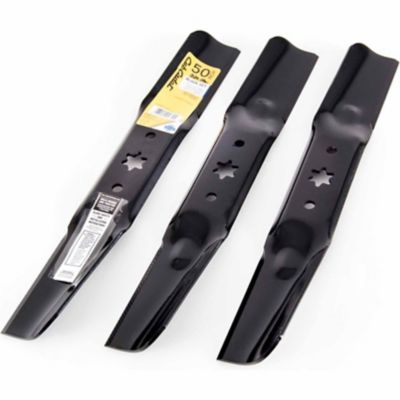
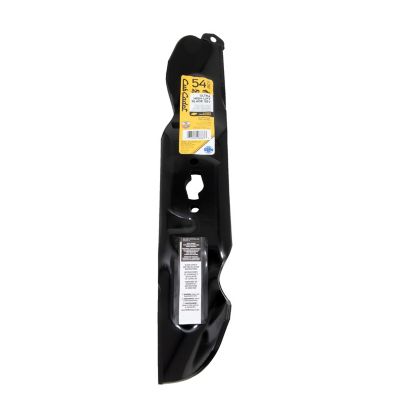
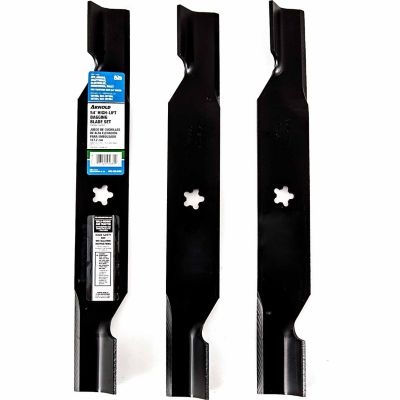
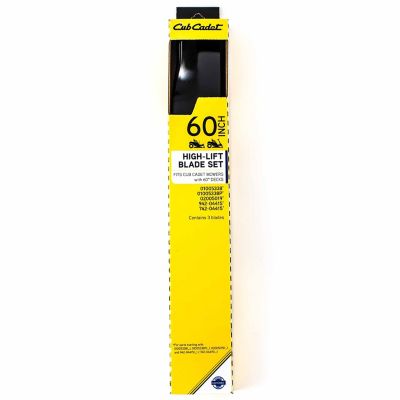
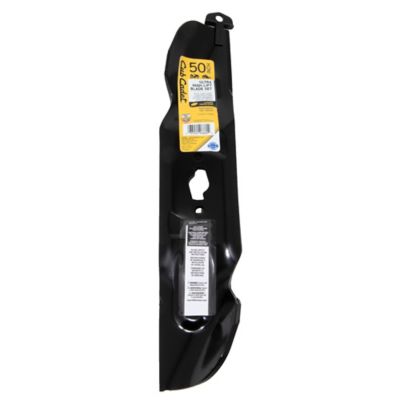
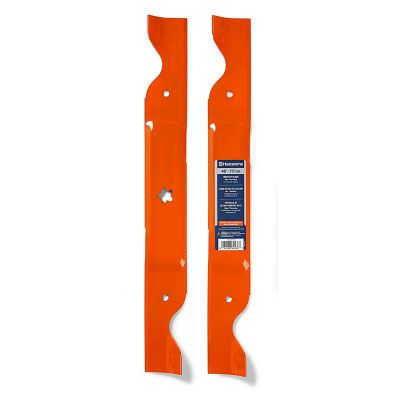
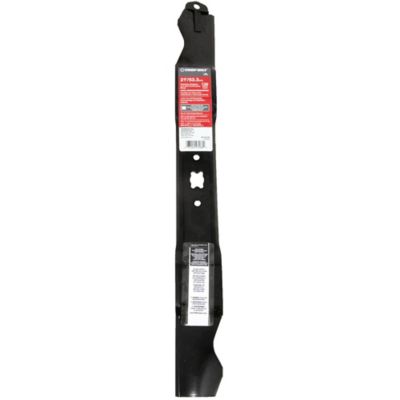
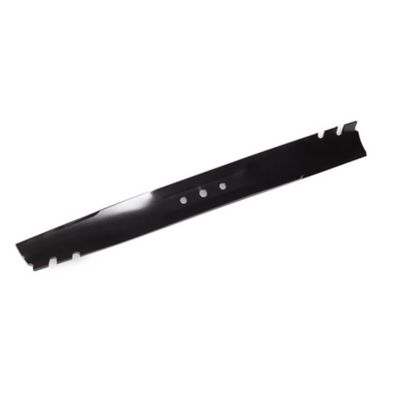
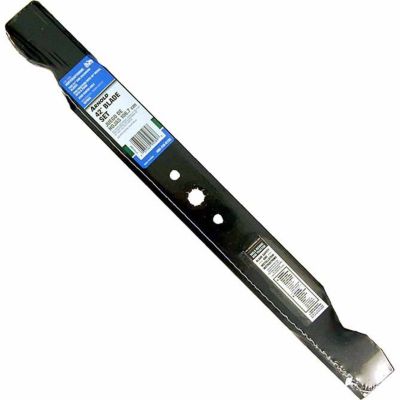
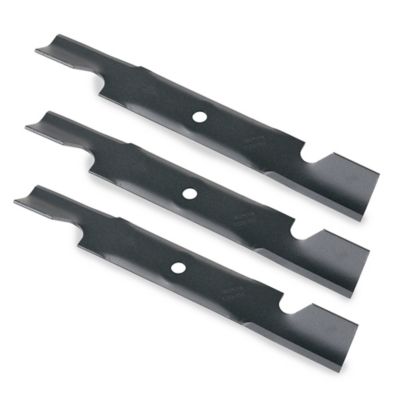
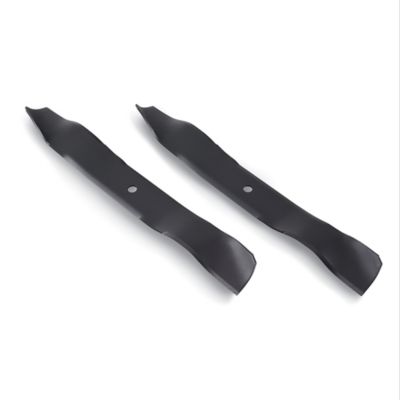
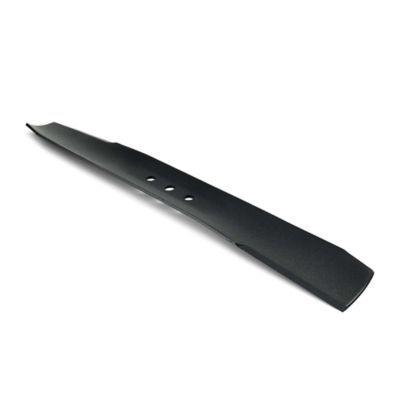
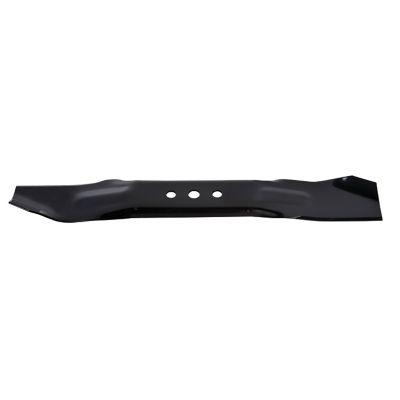
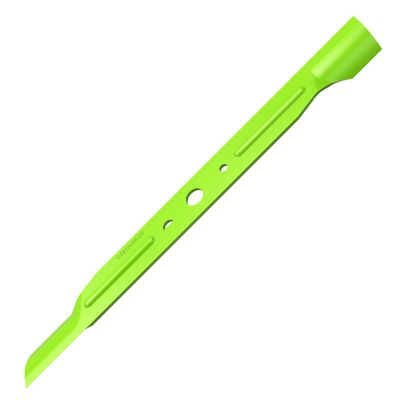
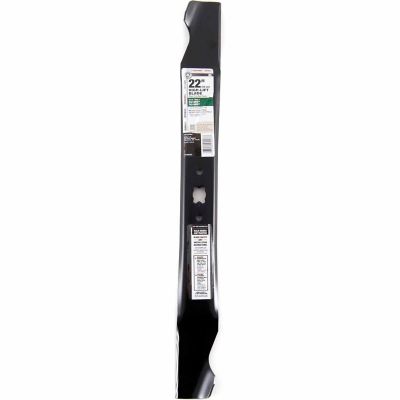
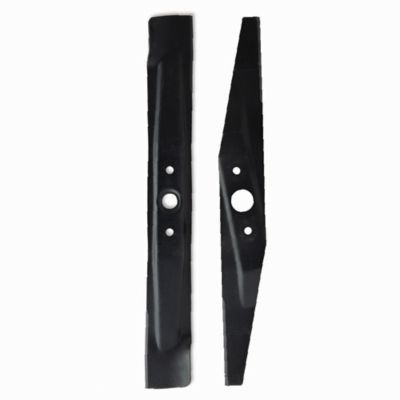
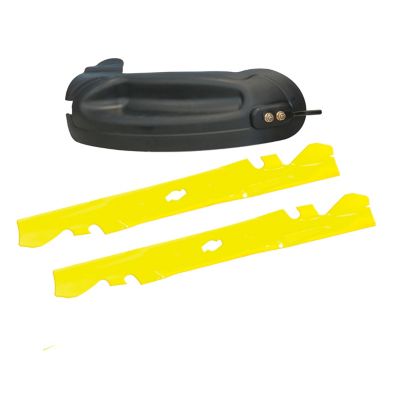
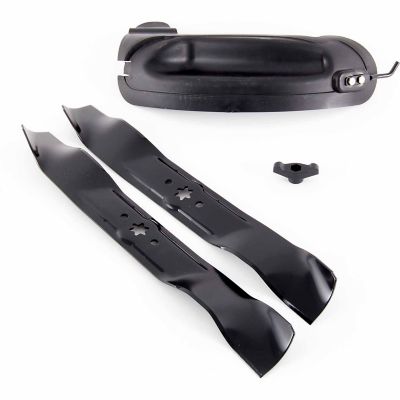
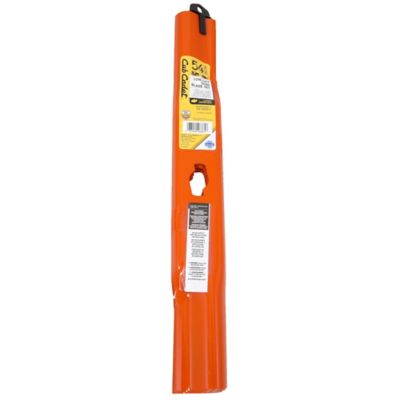
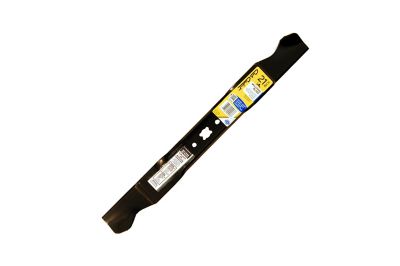
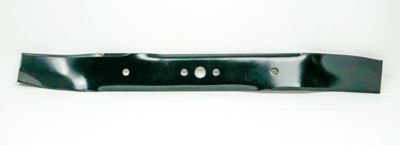
Sharp lawn mower blades help leave a clean, even finish, whether the job is a small yard beside the house or a long stretch of grass around a barn and driveway. A sharp cutting edge slices grass rather than leaving ragged, shredded ends, which can turn pale or brown and make freshly mowed turf look rough. That cleaner cut matters for lawn health as well as appearance because excessive tearing adds stress to the grass. Frayed tips, scattered uncut stems and patches that need repeated passes can point to a dull or damaged blade, although deck buildup, mowing speed and grass height can also affect the finish. A struggling engine or motor is another reason to check the cutting system, not proof that the blade alone is at fault. For homeowners, acreage owners and grounds crews, the right replacement blades help keep routine mowing from becoming a second trip over the same ground. Most rotary mower blades are steel, with heat treatment that helps the cutting edge resist wear while allowing the blade to handle normal mowing demands. Steel thickness, blade shape and edge geometry vary by mower design, so a heavier blade is not automatically a better choice. The mower needs a blade that matches its intended operating load and deck setup. Paint or another surface finish may help protect exposed metal before mowing, but the cutting edge and underside still need regular attention. Around gravel drives, sandy ground and exposed tree roots, wear can develop faster than it does on an open, obstacle-free lawn. A sound blade with a properly maintained edge supports a tidy finish along fence lines, around outbuildings and across the main yard. It cannot make up for striking stones or running the deck too low, but it gives a properly maintained mower the cutting edge it needs to do its job.
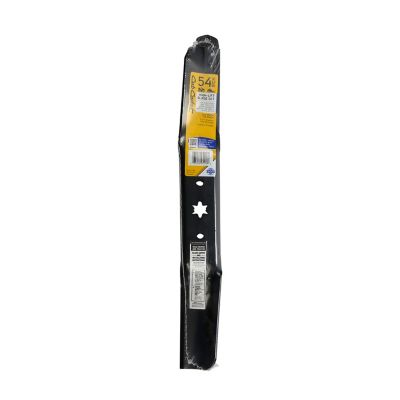
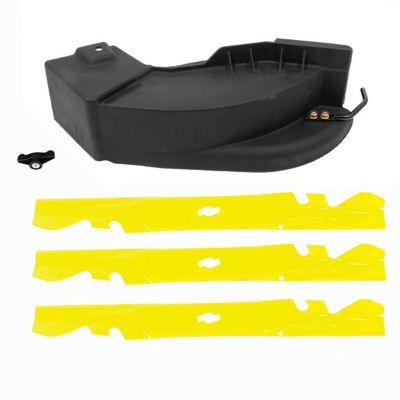
Fit comes first when choosing sharp lawn mower blades. Deck width alone does not identify the right replacement, especially on riding mowers and zero-turn machines with two or three blades beneath the deck. The mower model, deck model and manufacturer’s blade reference provide a stronger starting point than appearance. Blade length, width, thickness, center-hole shape and any additional mounting holes all need to match the specified fit. A round center opening, star-shaped opening or other mounting pattern must connect correctly with the spindle assembly; a blade that looks close can still be wrong. Offset and lift-wing clearance matter, too, since the blade needs room to rotate without contacting the deck or other components. Cutting profiles serve different jobs. Standard blades are shaped for the cutting and discharge arrangement specified for the mower. Higher-lift designs generally create stronger airflow to move clippings toward a discharge opening or collection system, while mulching designs help keep clippings circulating for additional cutting before they settle into the lawn. Neither profile is automatically the best choice for every property. Bagging grass beside a walkway calls for a different setup than returning finely cut clippings to a broad lawn, and the deck must support the selected blade style. On sandy ground, stronger lift can also pull more abrasive material through the deck and increase wear. Tall, heavy grass puts additional demands on the entire mowing system, so blade choice belongs alongside sensible mowing height and travel speed. Gas-powered and battery-powered mowers both depend on the correct blade specification; matching length alone does not establish compatibility. For multi-blade decks, matching the specified blade types and maintaining even wear across the set helps support a consistent result. The best match is the blade configuration the mower maker approves for the deck and the way the clippings will be handled, rather than whichever shape looks most aggressive.
Keeping that edge in working shape is part of owning mower blades, and the condition of the metal matters as much as sharpness. About 25 hours of mowing is a common benchmark for checking whether sharpening is needed, but the mower manufacturer’s maintenance schedule takes priority. Contact with grit, small stones or hidden debris can shorten that interval, so visible wear and cutting results deserve attention between scheduled checks. A sound blade with a rounded edge may be suitable for sharpening; cracks, bends, severe thinning or substantial damage call for replacement rather than another pass with a file or grinder. The curved lift area deserves inspection along with the cutting edge because worn metal there affects how the blade moves clippings. Sharpening should preserve the original bevel and blade shape, not turn the edge into a thin knife edge that folds over quickly. A metal file or suitable sharpening equipment can restore an edge when the manufacturer permits it, and a blade balancer helps identify uneven weight after material is removed. An unbalanced blade can create vibration and put extra strain on mower components. Eye protection and heavy work gloves belong with blade-care supplies, while the correct socket and a torque wrench support secure installation to the mower maker’s specification. Before any blade inspection or removal, the mower needs to be shut down, secured against movement and isolated from its starting source as directed in the manual; the blade must be fully stopped. Safe access beneath a riding mower also requires proper support, never an unsupported raised deck or machine. Clearing stuck clippings after the mower is safely disabled helps make wear easier to spot, and dry storage helps limit rust between jobs. For properties where the mower handles more than grass cutting, a
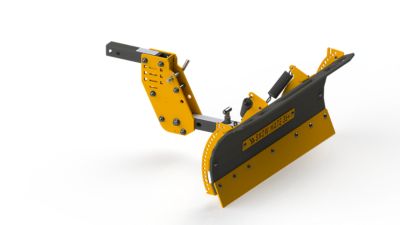
Snow Blade For Lawn Mower serves a separate job as a snow-moving attachment, with its own mounting and compatibility requirements. Matching each attachment to its task keeps mower maintenance focused on safe fit, sound metal and a clean cutting edge.